Chanfana and Other Traditional Coimbra Dishes: A Food Guide to Coimbra, Portugal
Chanfana, the slow-cooked Bairrada goat stew, is the dish most tied to Coimbra, Portugal, and it opens a door onto a whole regional kitchen: leitão da Bairrada, arrufadas, convent sweets and the red wines of the hills south of the city.
Short answer
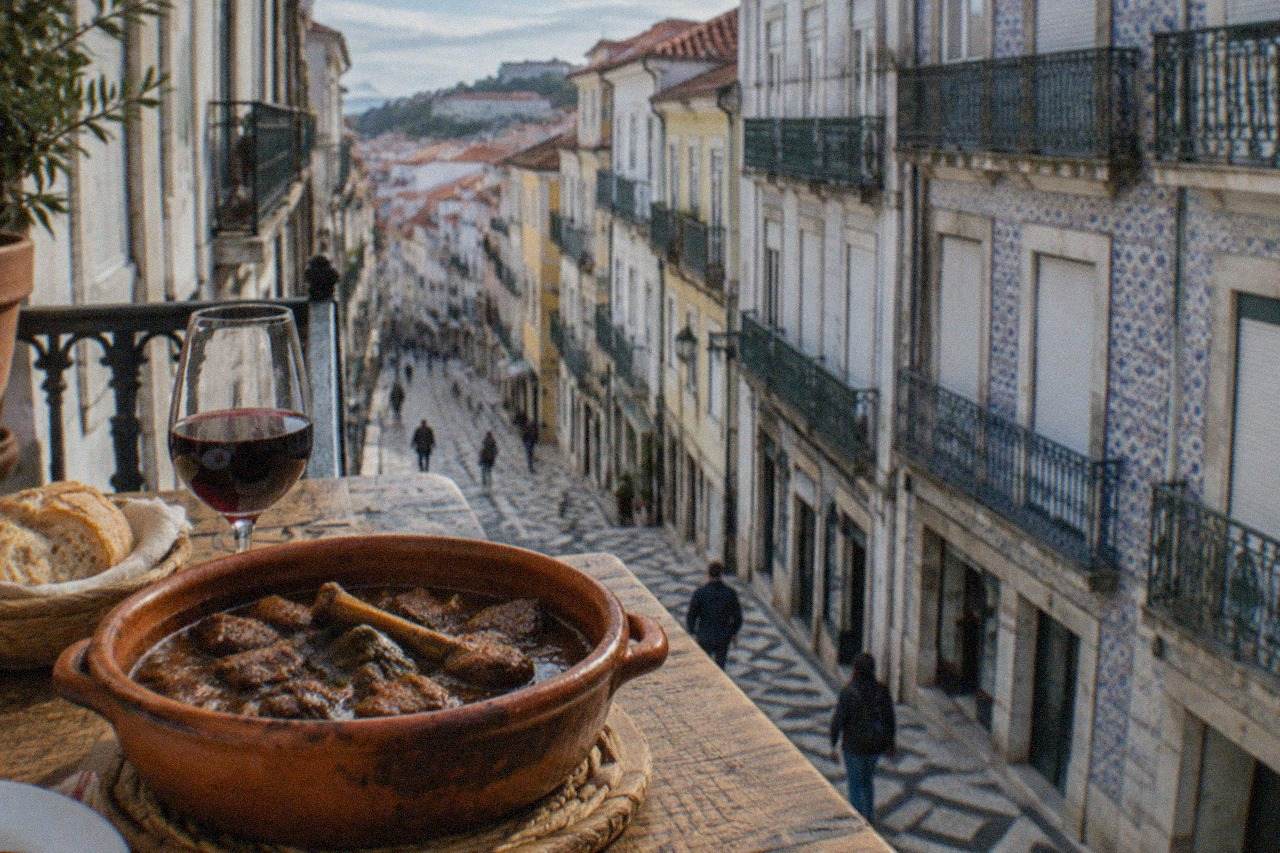
Chanfana is a goat stew from the Bairrada region south of Coimbra, Portugal, slow-cooked in red wine with garlic, bay, paprika and olive oil, traditionally in a clay pot. It is the signature dish of the area's rustic restaurants, best eaten with local red wine and crusty bread.
Coimbra, Portugal, the university city on the River Mondego, eats differently from Lisbon and Porto, and the dish that proves it is chanfana. This is a city of students and farmers' traditions at the edge of the Bairrada, a wine region that runs south from the Mondego valley, and its table reflects both: slow, wine-heavy peasant cooking on one side, convent sweets and café culture on the other. This guide walks through the dishes that actually define the city's kitchen, starting with the goat stew that gives the region its flavour, and it explains what each one is, how it is made, and what kind of place serves it. For the wider sweep of the city's food scene, the Coimbra restaurant guide covers where to look, and this Coimbra Travel Guide site has a full Coimbra travel guide for everything beyond the table.
What Is Chanfana and Why Is It Coimbra's Signature Dish?
Chanfana is a slow-cooked goat stew from the Bairrada region south of Coimbra, made with old goat meat braised for hours in plenty of red wine with garlic, bay leaves, paprika, olive oil and salt, traditionally in a heavy clay pot. It is the dish most strongly identified with this part of Portugal, the one rustic restaurants around Coimbra hang their reputation on, and the one a visitor who eats a single regional meal here should order.
The point of chanfana is transformation. The meat used is not young kid but an older animal, the kind a farmer would otherwise cull, and the long wine braise turns tough, strongly flavoured goat into something that falls apart under a fork. The wine is not a splash, it is the cooking liquid, and in the Bairrada that means the region's own reds, which are sturdy enough to stand up to hours in the oven. Everything else in the pot is cheap and local: garlic, bay, paprika, olive oil, coarse salt.
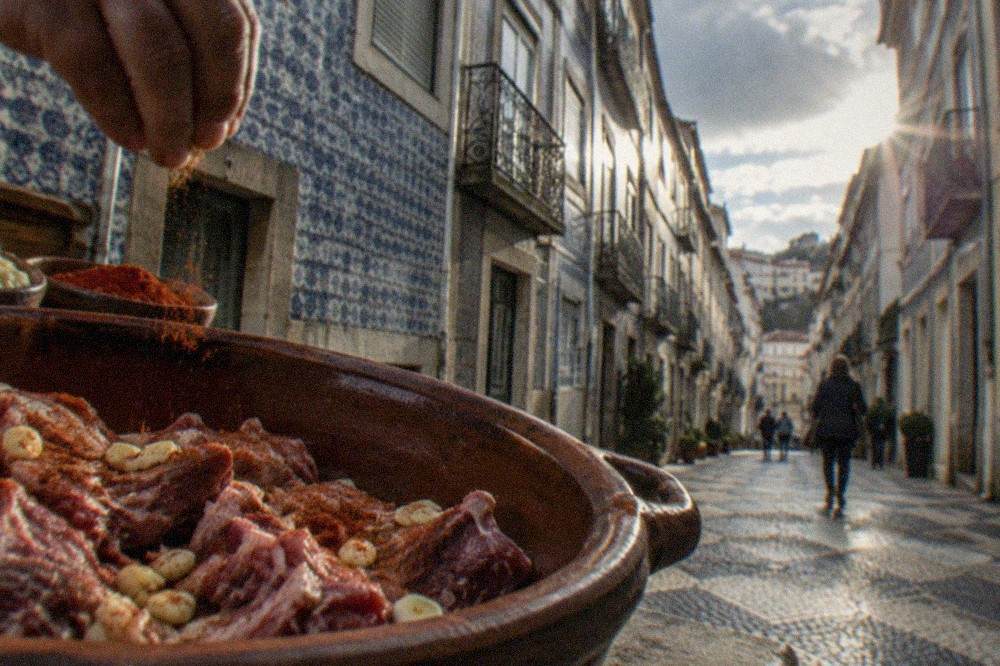
The stew is served in the pot it cooked in, with bread to mop the sauce and rarely much else. Boiled potatoes or rice appear alongside it in many houses, but the bread is not optional, because the sauce, dark, winey and slightly hot from the paprika, is half the dish. Locals eat it as a Sunday and family meal, as a festival dish, and as the centrepiece of a long restaurant lunch rather than a quick dinner.
| Element | What tradition and the recipe call for |
|---|---|
| Main ingredient | Older goat, cut in pieces on the bone |
| Cooking liquid | Generous amount of Bairrada red wine |
| Clay pot | Heavy, lidded clay vessel, often sealed and cooked low |
| Seasoning | Garlic, bay leaves, paprika, olive oil, coarse salt |
| Method | Slow oven braise for several hours until the meat falls apart |
| How it is served | In its own pot, with bread for the sauce |
A note on what to expect when ordering: chanfana is a dish of rustic, family-run places, the restaurants that line the roads out of the city toward the Bairrada rather than the slicker rooms in the Baixa. It is usually made in large batches, so it is at its best at lunch and on weekends, when the pot has been freshly done.
Where Does Chanfana Come From?
Chanfana belongs to the Bairrada, the wine region that stretches south of Coimbra, and its roots are explicitly peasant cooking: a way to make meat from a work animal edible by drowning it in the only luxury farmers had, their own wine. Local tradition tells the story as a dish of scarcity and cleverness, and every version of that story agrees on the essentials, goat, red wine and a clay pot, whatever else it disputes.
The Bairrada is lamb, goat and pig country, and its cooking splits along those lines. The pig gives the region its other famous dish, roast suckling pig, while the goats, which produce little milk and less meat once they age, give chanfana. Nothing in the verified record pins the dish to a date, and any guide that does so is guessing, but the logic of the recipe is old and self-evident: an old goat is nearly worthless alive, and hours of wine and slow heat are the only way to make it valuable on a plate.
The dish travels well within the region but poorly outside it. Around Mealhada, the roast-pig capital, chanfana shares the menu with leitão; closer to Coimbra itself, it appears in the traditional restaurants of the city's working neighbourhoods and in the villages on the road south. The leitão da Bairrada guide covers that half of the region's cooking in detail, and the Bairrada wine route guide covers the cellars, because the wine in the pot and the wine in the glass come from the same hills.
| Chanfana | Leitão da Bairrada | |
|---|---|---|
| Meat | Old goat, on the bone | Suckling pig, whole and split |
| Method | Slow wine braise in a clay pot | Slow roast, traditionally in a wood-fired oven or over a wood fire |
| Character | Dark, winey, intensely savoury | Crisp skin, tender flesh, seasoned with garlic and fat |
| Occasion | Family lunch, festival, rustic restaurant | Celebration meal, weekend pilgrimage to Mealhada |
| Served with | Bread for the sauce, sometimes rice or potatoes | Bread, orange slices, sometimes chips and a simple salad |
If you are planning a trip around food rather than fitting food into a trip, a guided walk that covers the city's main sights and its food streets together saves a lot of guesswork on a first visit.
What Other Meat Dishes Define Coimbra Cooking?
Beyond chanfana, the Coimbra region's meat cooking runs through roast suckling pig, leitão da Bairrada, pork chunks cooked with garlic and wine known as rojões, grilled and stewed river fish from the Mondego, and the salt-cod dishes of the national Portuguese kitchen. The unifying thread is cheap cuts treated seriously, with wine, garlic and olive oil doing most of the work, and the best versions come from family kitchens rather than hotel dining rooms.
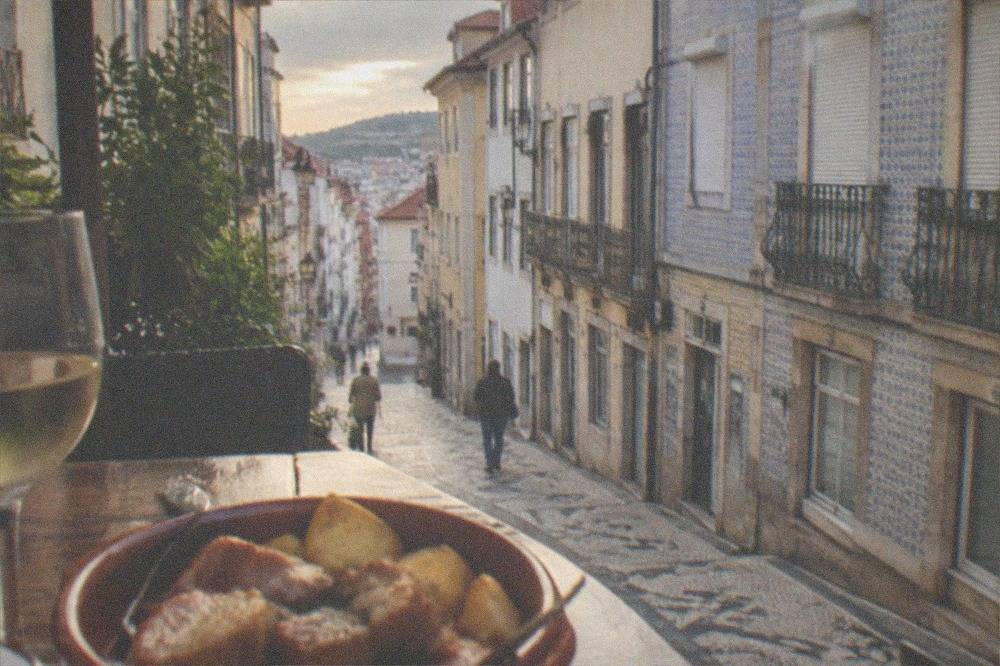
Rojões is the everyday face of regional pork: cubes of shoulder or loin, browned in lard with garlic, then simmered with white or red wine until the sauce thickens, often with potatoes fried in the same fat. It appears on menus across the city and is a reliable test of a kitchen, because there is nowhere for bad pork to hide. Next to it sit the broader Portuguese standards, grilled sardines in summer, bacalhau in a dozen guises, and cozido, the boiled dinner of meats and vegetables that every region claims and seasons its own way.
River fish belongs in this list too. The Mondego, which runs through the middle of the city, historically fed it, and eel and lamprey dishes survive in the traditional kitchens of the region, especially in the villages along the river's lower reaches. Lamprey is a winter delicacy with a strong, particular flavour, cooked in its own blood with rice in the classic version, and it is not for everyone, which locals will cheerfully tell you.
| Dish | What it is | Character | Where you find it |
|---|---|---|---|
| Chanfana | Old goat braised in red wine | Dark, winey, falls-apart tender | Rustic restaurants toward the Bairrada |
| Leitão da Bairrada | Wood-roasted suckling pig | Crisp skin, tender meat | Roast-pig houses, especially around Mealhada |
| Rojões | Pork chunks with garlic and wine | Rich, garlicky, everyday | Traditional cafés and family restaurants citywide |
| Lamprey with rice | River fish cooked in its own blood with rice | Strong, seasonal, divisive | River villages and old-school kitchens in winter |
| Grilled sardines | Whole sardines over charcoal | Simple, smoky, summer | Neighbourhood grill houses in the warmer months |
A guided visit with a certified local guide, admission included, is a good way to anchor a food day in the city's layout, since the old town's hills place the traditional eating streets and the monuments within the same walk.
Want to eat your way through Coimbra but keep the evening free for music? The city's fado show with a glass of port wine can be reserved with free cancellation, so you can plan a food day and still shift the evening if a restaurant runs long.
What do Coimbra Locals Eat for Breakfast and Snacks?
Breakfast in Coimbra is a café affair: a bica, the local name for a small strong espresso, with something sweet, most often an arrufada, the city's signature soft, sugar-crusted bun, or toast with butter and jam. Nobody eats a large cooked breakfast here, lunch is the day's serious meal, and the mid-morning and mid-afternoon stops at the counter are as much a part of the food culture as anything on a plate at dinner.
The arrufada is the one to know. It is a light, slightly sweet bread roll with a cracked, sugared top, eaten plain, torn into coffee, or split and buttered, and it is woven through the city's café life the way pastéis de nata are through Lisbon's. The pastries and arrufadas guide is not in this article's link list, so start with the city's historic cafés, several of which are covered in the historic cafés of Coimbra tradition elsewhere on this site. What matters for planning: cafés here open early and serve standing locals all morning, and the counter price is part of the culture, though no individual café's prices were verified for this guide, so check the board on the wall.
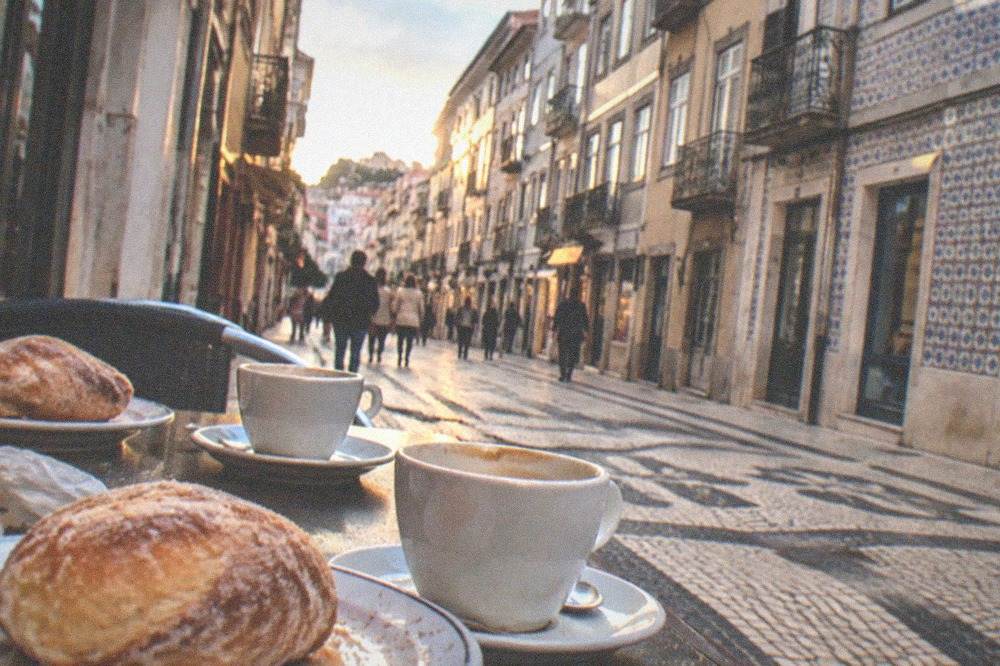
The other snack institution is the bifana, a thin slice of pork in a garlicky, winey sauce inside a soft roll, eaten standing, at any hour, and judged harshly by everyone who has an opinion. Around it sit tosta mistas, ham and cheese toasts, and the pastries that carry the city's convent heritage, which deserve their own section.
| Item | What it is | When locals eat it |
|---|---|---|
| Bica | Small strong espresso, the local name | Constantly, standing at the counter |
| Arrufada | Soft bun with a sugar-crusted top | Breakfast and mid-afternoon |
| Bifana | Pork slice in garlic-wine sauce in a roll | Any hour, especially mid-morning and after a night out |
| Tosta mista | Toasted ham and cheese sandwich | Quick lunch or snack |
| Pastéis de nata | Custard tarts, the national standard | Mid-morning with coffee |
What Sweets and Pastries Is Coimbra Known For?
Coimbra's sweet tradition is a convent tradition: for centuries, the city's monasteries, including Santa Cruz and the women's convents that surrounded it, produced egg-and-sugar confections whose recipes still carry their names, and the most famous survivors are the Santa Clara pastries, the crúzio from Santa Cruz, and the arrufada from the city's cafés. Egg yolks, sugar and almonds are the vocabulary, and the recipes were invented by nuns, not chefs.
The pastéis de Santa Clara are the emblem: small, dense, almond-and-egg pastries originally made in the Santa Clara convents on the south bank of the Mondego, wrapped today in communion-like paper by the few producers who hold the tradition. The crúzio, associated with Santa Cruz, is a candied-egg and almond sweet, and a family of others, the ovos moles tradition that runs all down central Portugal's coast, appears in Coimbra's shops in local form. The pattern repeats across the country, but Coimbra's version is unusually concentrated because the city was unusually full of convents.
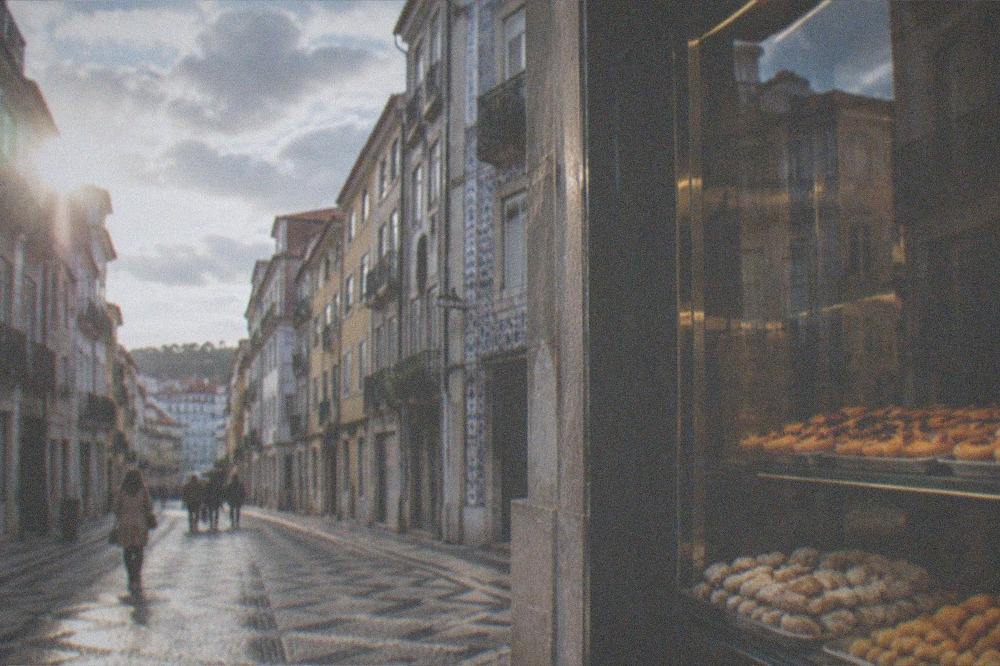
None of these are diet food. They are dense, sweet, and built from the three ingredients monasteries had in surplus: eggs, sugar from the colonies, and almonds from the groves of the interior. The Santa Cruz monastery itself, the burial church of Portugal's first two kings, is one of the city's essential visits, and its guide covers the building; the sweets are the edible wing of the same heritage.
Which Wines and Drinks Accompany a Coimbra Meal?
The wines that belong on a Coimbra table are the reds and sparkling wines of the Bairrada to the south, built on the baga grape, plus the whites of the neighbouring Dão-Lafões area, and the local drinking habits run to vinho verde in summer and a glass of the region's sparkling wine before a meal. Chanfana itself is cooked in and drunk with Bairrada red, and the same bottle logic applies at the table as in the pot.
Baga is the grape to know. It is thick-skinned, tannic and acidic, difficult in the vineyard and rewarding in the cellar, and it gives the Bairrada's reds their dark fruit and grip, as well as the backbone that survives hours in a chanfana pot. The region's sparkling wines, made by the traditional method from the same and related grapes, are the local aperitif and are increasingly the region's calling card. North and east of the city, the Dão's softer, fragrant reds and the whites around the Mondego's upper valley fill out the list.
| Drink | What it is | Pairs naturally with |
|---|---|---|
| Bairrada red (baga) | Dark, tannic, acidic red | Chanfana, roast meats, leitão |
| Bairrada sparkling | Traditional-method fizz, often baga-based | Before a meal, with fried snacks |
| Dão red | Softer, fragrant, elegant | Rojões, grilled fish with rich sauces |
| Regional white | Fresh, mineral, from the Mondego valley | River fish, grilled sardines, light lunches |
| Vinho verde | Young, lightly sparkling, low alcohol | Hot afternoons and café snacking |
For a fuller route through the cellars, the Bairrada wine route guide maps the region's producers, and the best time to visit Coimbra guide explains the harvest season, because the wine calendar and the weather calendar overlap in September, when the city's mean maximum of 27.4 degrees Celsius is actually higher than June's, according to IPMA's 1991 to 2020 normals for the Coimbra / Bencanta station.
How Should You Plan a Food Day in Coimbra?
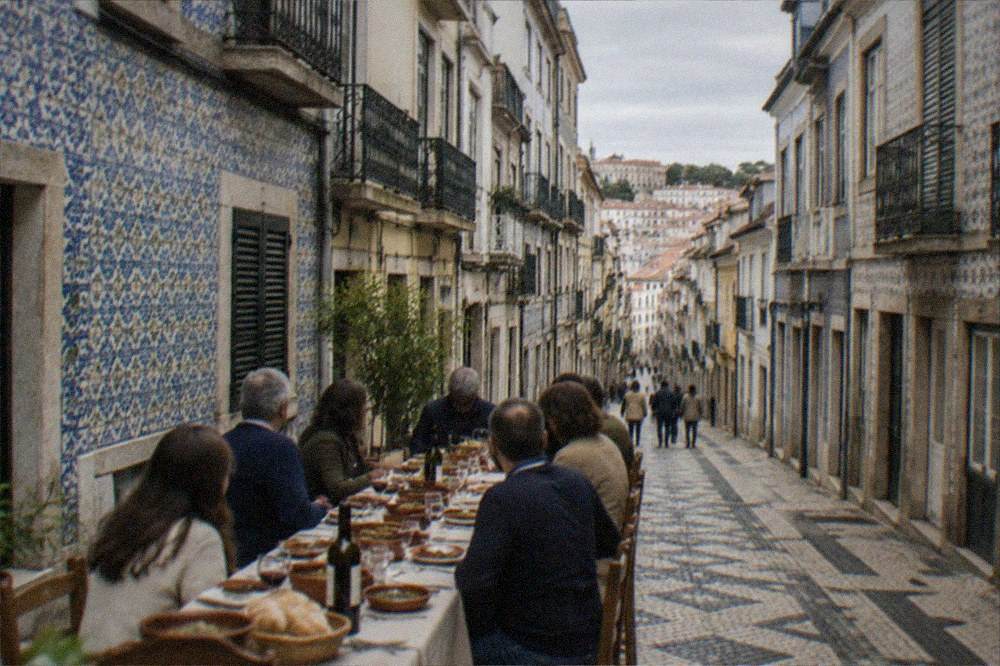
Plan around one serious lunch and one light evening, in the Portuguese pattern: a café stop with an arrufada in the morning, the day's main regional dish, chanfana or leitão, as a long midday meal in a traditional restaurant, a pastry and coffee in the afternoon, and either a light snack dinner or a fado evening with a drink. Book nothing around a fixed dinner hour, because the kitchens that cook chanfana cook it for lunch, and the best regional food leaves the city toward the Bairrada anyway.
The single most common planning mistake is treating Coimbra like Lisbon, where dinner is the event. Here the traditional kitchens do their real work between noon and three, and several of the best rustic rooms toward the Bairrada are lunch operations first. Build the day the way the city does: eat the heavy regional dish at lunch, walk it off on the university hill in the afternoon, and let the evening be fado, a glass of something, and a bifana.
| Meal | What to order | Kind of place to look for |
|---|---|---|
| Morning | Bica and an arrufada | A busy neighbourhood café with a counter crowd |
| Lunch | Chanfana, or leitão on a Bairrada run | Rustic family restaurant, ideally one that cooks in clay |
| Afternoon | Pastéis de Santa Clara and coffee | Old pastry shops in the Baixa |
| Evening | Fado with a glass of port, then a bifana | A fado house, then a late counter |
| Anytime | Glass of Bairrada sparkling | Anywhere with a decent wine list |
A walking tour is the efficient way to see the layout before dinner, and the city's top attractions walk, from 5.85 dollars per person and rated 5 from 151 reviews on the operator's live listing, covers the old town in about two and a half hours. It ends back in the Baixa, which puts you within a short stroll of the pastry shops and the fado rooms for the evening.
If you would rather have a local expert handle the whole picture, the certified-guide city visit and the fado show with port wine are both bookable for the same stay, and the trio below compares them side by side.
Can You Combine Food and Fado in Coimbra?
Yes, and it is the most Coimbra evening there is: the city has its own fado tradition, sung by men in black capes in the student style rather than the Lisbon style, and the classic pairing is a regional dinner followed by a fado performance with a glass of port wine. The fado of Coimbra grew out of the university's student culture, and the serious venues sit in the old town near the university.
Coimbra fado is its own genre, tied to the academic calendar and sung in the streets during student festivals rather than only in clubs. The practical version for a visitor is a scheduled show: the live fado performance with a glass of port wine runs about 50 minutes, is priced from 18 dollars per person, and carries a 4.7 rating from 1,234 reviews on the operator's live listing. It fits neatly after dinner, and the fado de Coimbra guide and the where to hear fado guide cover the tradition and the venues in depth.
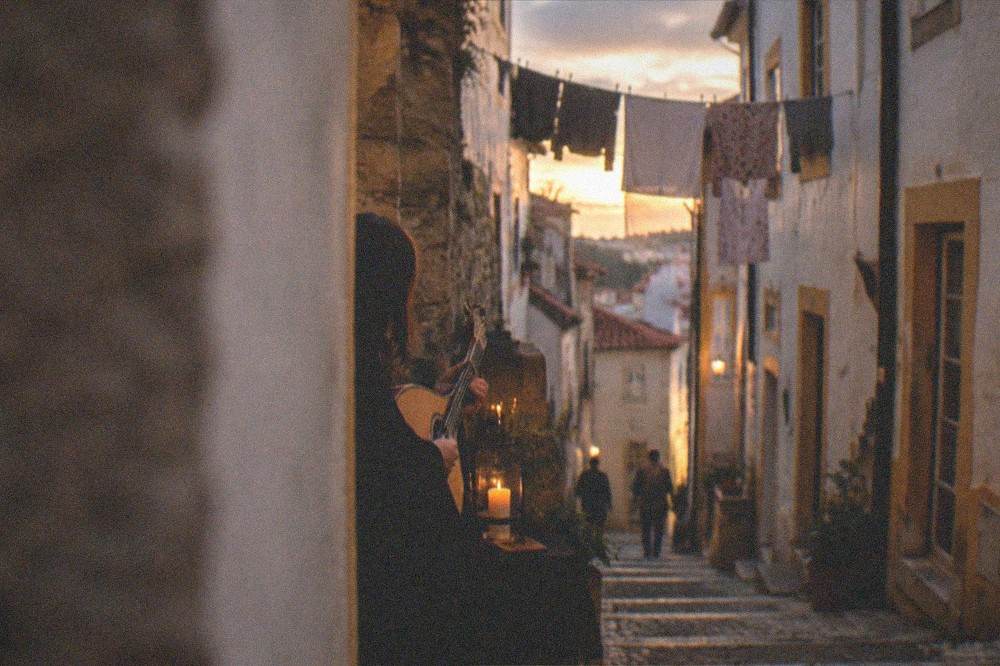
The food connection is not decorative. Port and the region's wines belong on the fado-room table, the student cafés around the university are where the singers came from, and the whole evening, chanfana at lunch, pastries in the afternoon, fado with port at night, is one continuous expression of the same city.
Common Questions About Coimbra Food
What food is Coimbra, Portugal most famous for?
Chanfana, the Bairrada goat stew braised in red wine, is the dish most identified with the Coimbra region, alongside roast leitão da Bairrada, the sugar-crusted arrufada bun, and the convent sweets such as pastéis de Santa Clara.
What exactly is chanfana?
Chanfana is a stew of old goat meat, cooked slowly for hours in a generous amount of red wine with garlic, bay leaves, paprika, olive oil and salt, traditionally in a heavy clay pot, until the meat falls apart and the sauce turns dark and winey.
Where does chanfana come from?
It comes from the Bairrada, the wine region south of Coimbra. It is peasant cooking: a method for turning the meat of a work animal into a feast using the region's own red wine and a slow clay-pot braise.
What should I eat for breakfast in Coimbra?
A bica, the local espresso, with an arrufada, the city's soft, sugar-crusted bun, or a simple toast. Breakfast here is light and café-based, because lunch is the day's serious meal.
Is chanfana the same as roast suckling pig?
No. Chanfana is old goat braised in wine; leitão da Bairrada is whole roast suckling pig with crisp skin. Both come from the same region and often share a menu, but they are different dishes with different meats and methods.
Can I hear fado after dinner in Coimbra?
Yes. Coimbra has its own student fado tradition, and evening performances, including a live show with a glass of port wine lasting about 50 minutes, run regularly in the old town near the university.
Eaten properly, Coimbra is a single long meal that starts with an arrufada at a café counter, peaks with a clay pot of chanfana at a long lunch, and ends by candlelight with fado and a glass of port, and no other city in Portugal sets that exact table.