Santa Clara: Coimbra Across the Mondego
Santa Clara is the part of Coimbra, Portugal that most visitors see only from the other bank: the low ground east of the Mondego, where the river bends, the green park runs and two very different Santa Clara monasteries sit within sight of each other.
Short answer
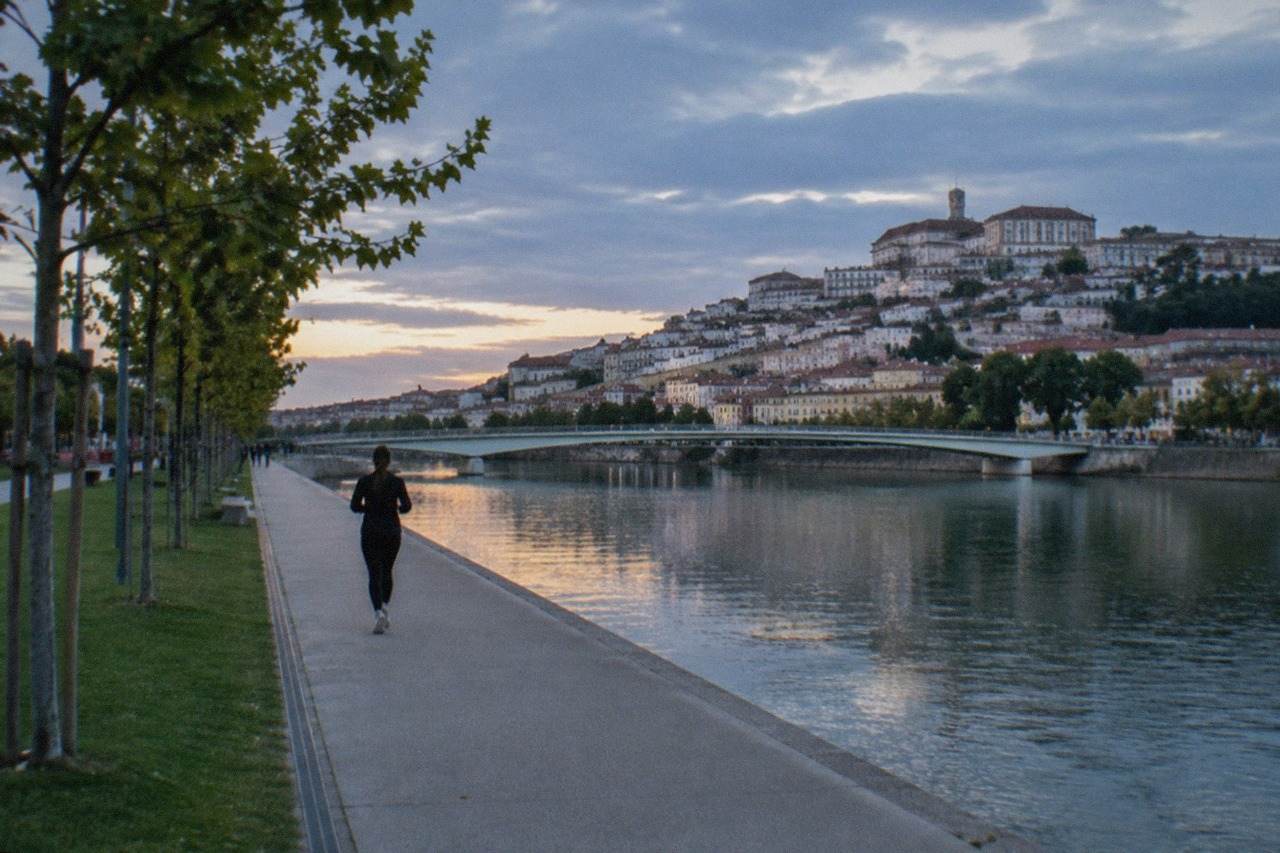
Santa Clara is Coimbra's riverside district on the left bank of the Mondego, reached on foot across the bridge from the Baixa in minutes, holding the green park, the closed Santa Clara-a-Velha ruins, Portugal dos Pequenitos and some of the best views back at the university hill.
Santa Clara is the district of Coimbra, Portugal that spreads along the left bank of the River Mondego, directly opposite the old town and the university hill. Most visitors cross it without realising it has a name: the bridge from the Baixa delivers you into it within a few minutes' walk, and from that side the whole famous silhouette of the city, the Paço das Escolas, the towers and the stacked rooftops, is seen from below rather than looked down on. This page covers what is actually on that bank, what is open, what is closed, and how to plan a few hours there, including the one monastery everyone asks about and the reason you cannot currently go inside it.
What Is the Santa Clara District of Coimbra?
Santa Clara is the low-lying ground on the eastern, left bank of the Mondego in Coimbra, Portugal, a district of riverside walks, the city's large green park, the Santa Clara monastic buildings and Portugal dos Pequenitos, all within a short walk of the bridges that connect it to the Baixa. It is not the historic core, and it is not where most hotels sit, but it is where the city goes flat after the hills of the Alta, and it holds several of the sights that families and photographers cross the river specifically for. The district is also the natural place from which to understand the city's shape, because from the Santa Clara side you can read the whole stack of Coimbra at once.
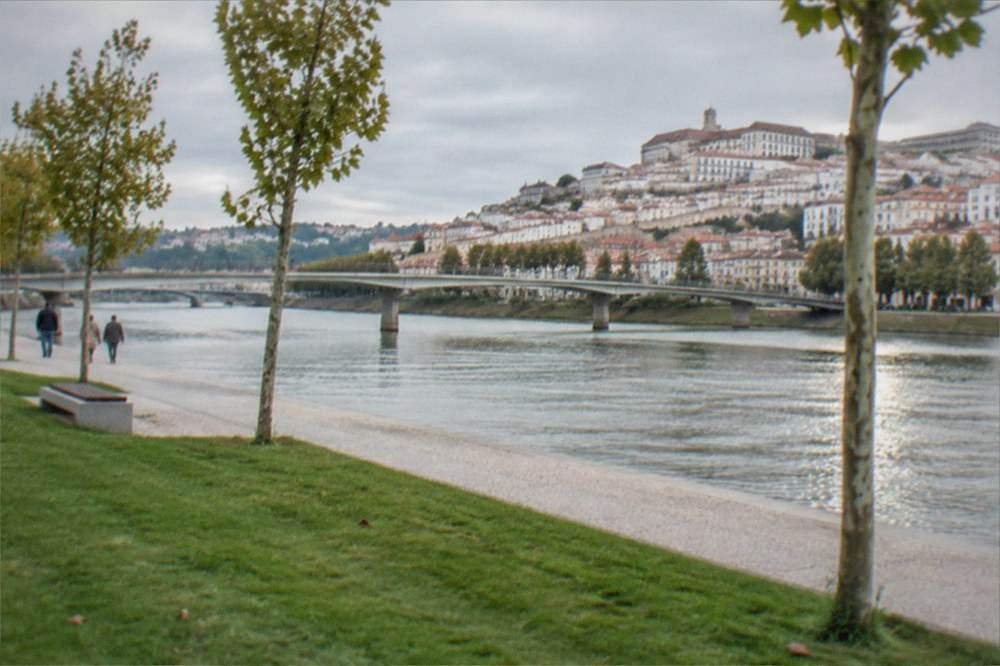
The layout is simple once you see it from a map of Coimbra. The river runs roughly north to south here, with the old town pressed against the western bank and climbing the hill. The Santa Clara side is wider, greener and flatter. The Parque Verde do Mondego occupies much of the waterline, the monastic sites sit a little inland, and Portugal dos Pequenitos sits near the southern end of the reachable area. Everything on this page is walkable from the main bridge without transport.
One thing this flatness buys you, and it matters in this city: the Santa Clara side is the one part of central Coimbra without a serious climb. The old town and the Alta upper town are staircases by comparison, and anyone planning a day around hills, or anyone who has read about Coimbra's gradients, can use a Santa Clara afternoon as the recovery stretch. The trade-off is that the district's single most famous monument is currently shut, which is the next thing to get straight.
Why Is Mosteiro de Santa Clara-a-Velha Closed, and What Can You See Instead?
The Mosteiro de Santa Clara-a-Velha has been closed for requalification works since 20 October 2025, per dated Portuguese tourism sources, and this build could not confirm a reopening date, a ticket price or opening hours on any official page, so the honest advice is to check the monument's official listing before you plan a visit and treat the building as viewable from outside only. The monument has no page at all on the national Museus e Monumentos portal, which is itself consistent with the closure. Figures in circulation from before the works, a 4.00 EUR ticket and a Tuesday to Sunday schedule, are unsourced for the current situation and should not be relied on. Do not confuse it with Santa Clara-a-Nova, a different building on the hill above it.
The a-Velha, the "old" one, is the genuinely historic site: a Gothic monastery founded on the floodplain, whose lower church spent centuries half-drowned by the river before twentieth-century works drained and excavated it. The story is the reason the site matters, and the closure is the reason you should read the current status rather than an older guide. Our full page on Santa Clara-a-Velha covers the history and what to check before you go.
What you can do instead, on the same bank and within walking distance:
| Sight | Status | What it offers |
|---|---|---|
| Mosteiro de Santa Clara-a-Velha | Closed for works, check official listing | Exterior view, riverside setting, Gothic architecture from outside |
| Parque Verde do Mondego | Open public park | Riverside walks, cycle paths, lawns, bridge views |
| Portugal dos Pequenitos | Open, seasonal hours | Miniature Portuguese buildings, family visit |
| Santa Clara-a-Nova | Different building, on the hill above | Hilltop views over the district and river |
| River cruise departure points | Operating | The Mondego from the water, city views |
The practical point is that a Santa Clara visit still works with the monastery shut. The park, the river itself and the miniature park fill half a day comfortably, and the view back at the city from this bank costs nothing.
What Is There to Do on the Santa Clara Side of the River?
The Santa Clara side of Coimbra offers the Parque Verde do Mondego riverside park, the Portugal dos Pequenitos miniature park, the exterior of the closed Santa Clara-a-Velha monastery, river cruise departures, and the best ground-level views of the university hill and the old town stacked above the water. It is a half-day district for most visitors, longer for families with children, and it pairs naturally with a morning in the city centre or the university hill before the climbs get tiring.
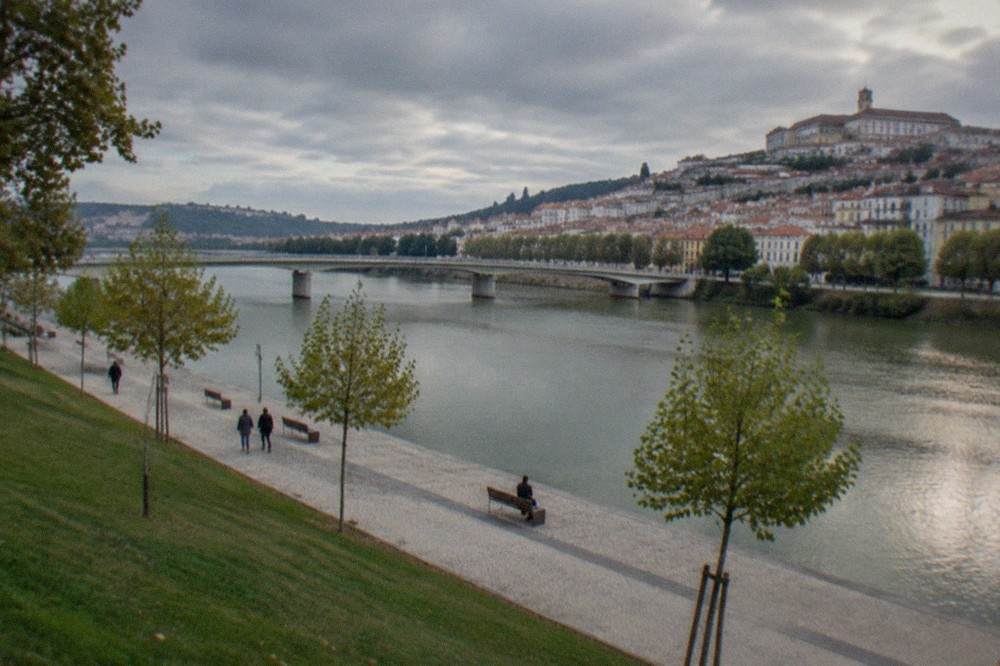
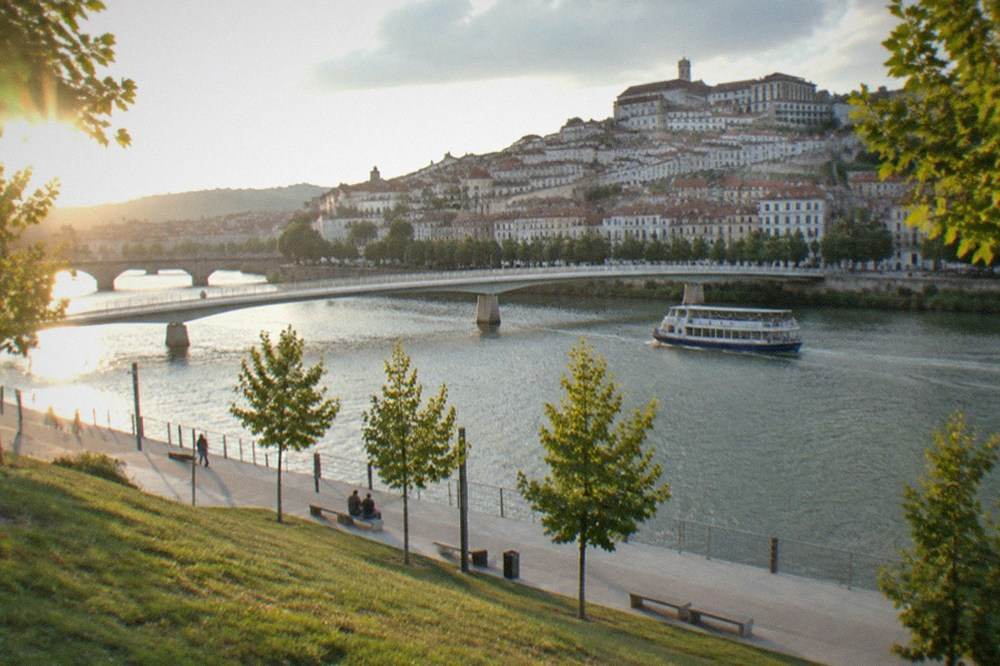
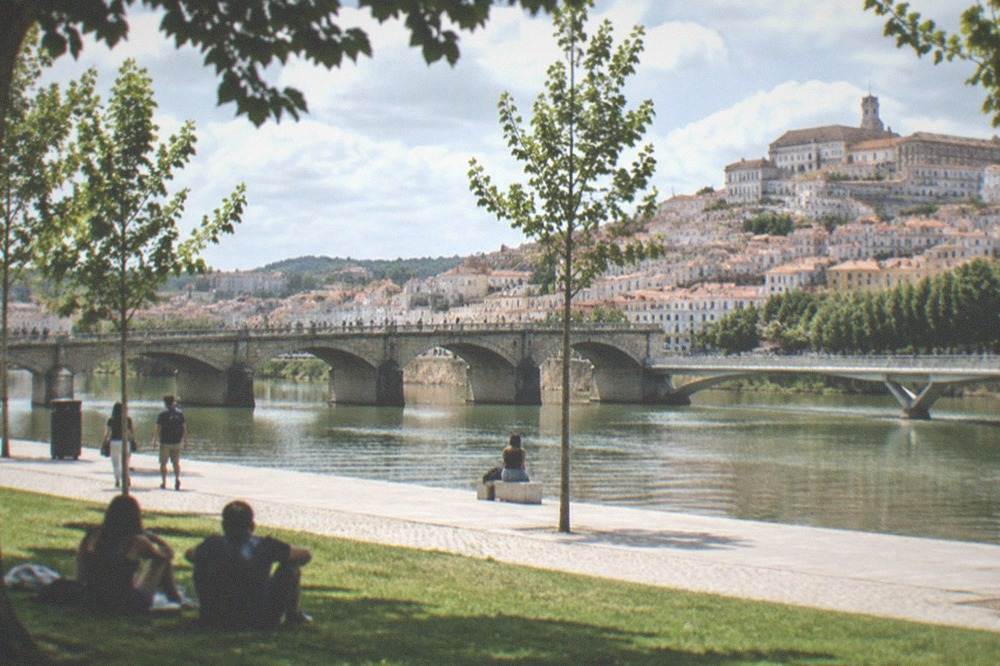
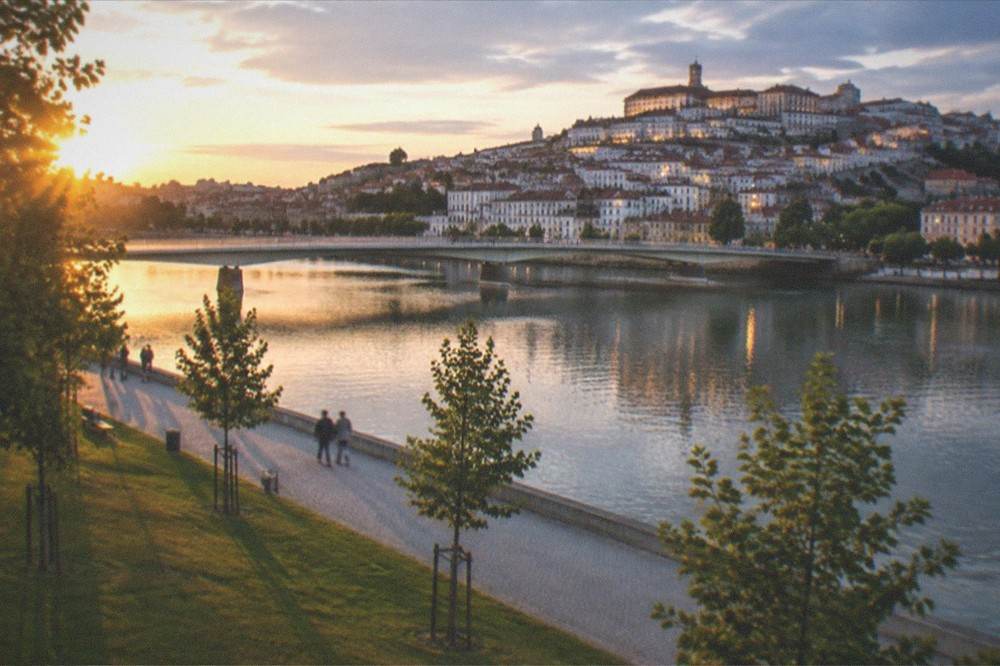
The park is the district's backbone. It runs along the water with paved walks, trees and open lawns, and it is the place locals use for running, cycling and sitting by the river. From its western edge the view is the one every photograph of Coimbra tries to take: the bridge in the foreground, the old town rising behind it, the university buildings on top. Late afternoon is when that view is at its best, and IPMA's 1991 to 2020 normals for the Coimbra / Bencanta station show why the calendar matters here: July averages just 8.9 mm of rain and 26.1 days above 25 C, while November is the wettest month at 121.5 mm. A riverside plan in summer is close to safe, in late autumn it needs a fallback.
The river itself is a sight, not just a boundary. A 50-minute Mondego cruise runs from the city with views over both banks, rated 4.2 from 43 reviews on the operator's live listing and priced from $11 per person, and it is the one activity that puts you in the middle of the exact view the Santa Clara bank gives you from land. Check availability if a water-level angle appeals.
For a fuller comparison of what the whole city offers and where this district fits, see things to do in Coimbra.
Is Portugal dos Pequenitos Worth Crossing the River For?
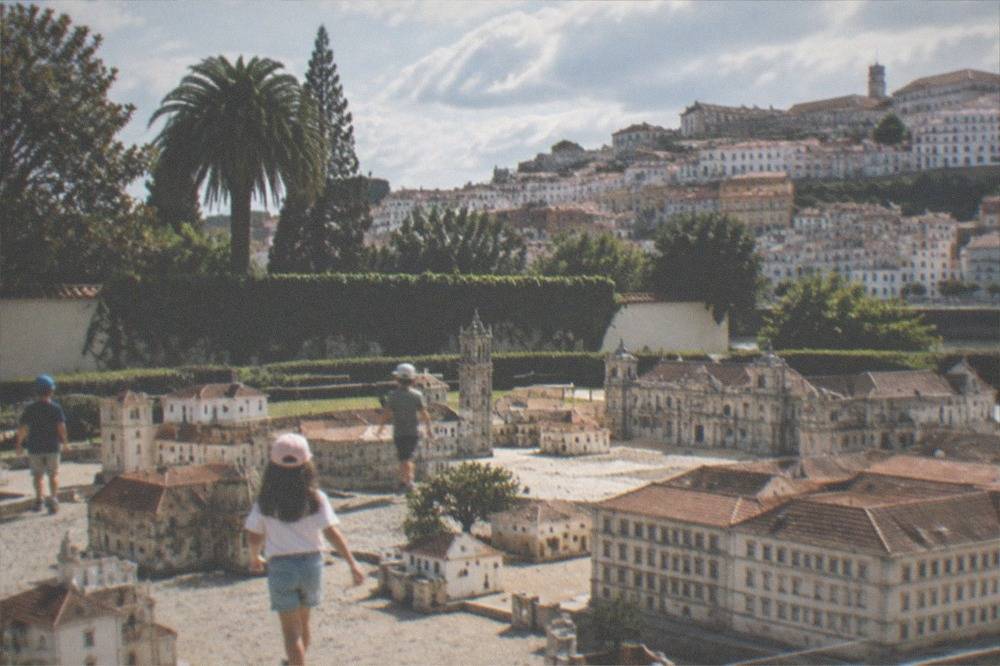
Portugal dos Pequenitos is a miniature park of tiny Portuguese buildings, opened in 1940 and designed by Cassiano Branco, and for families with children it is the single strongest reason to cross to the Santa Clara side, while adults travelling without children will typically spend about an hour and find it charming but brief. The venue's own horário page publishes its hours: 10:00 to 19:00 from 1 March to 15 October, and 10:00 to 17:00 from 1 January to the end of February and from 16 October to 31 December, closed on Christmas Day. Its price page renders only in a browser, so check the venue's own ticket page for current prices rather than any figure printed in an older guide.
The park's idea is a Portugal built small: regional houses, monuments and boats at child scale, laid out so children can walk through and around them. The listing says the visit runs about an hour, and the venue's own history page confirms the 1940 opening and the architect. It sits close to the river on the Santa Clara side, which makes it an easy add-on to the park and the riverbank rather than a separate expedition.
A quick planning view of the district's time budget:
| Activity | Typical time | Best for |
|---|---|---|
| Parque Verde do Mondego walk | 45 to 90 minutes | Everyone, photographers at golden hour |
| Portugal dos Pequenitos | About 1 hour | Families with children |
| Santa Clara-a-Velha exterior | 15 to 30 minutes | History, architecture from outside |
| Mondego river cruise | 50 minutes | Views, resting the legs |
| Bridge and old town viewpoint | 15 minutes | The classic Coimbra photograph |
How do You Get to Santa Clara from the Rest of Coimbra?
You walk across the bridge: the Santa Clara district begins immediately on the far side of the Mondego from the Baixa, central Coimbra's downtown, and the whole district is flat, open and pedestrian-friendly once you are over the water, with no transport decision needed for the core of it. The Baixa downtown ends at the river and Santa Clara starts on the opposite bank. SMTUC city buses also cross the river, and the 2026 tariff shows tickets valid on both the SMTUC network and the Metro Mondego network, so a bus ticket works across both systems.
For bus fares, the 2026 SMTUC tariff, in force from 1 April 2026, lists a driver-bought single at 2.00 EUR and pre-purchased trips at 0.90 EUR each when bought in packs of three or more, with one trip valid 90 minutes on the urban network including transfers. A pre-purchased ticket is less than half the on-board price, so if you plan to use buses more than once in the city, the card route saves real money. The same tariff document confirms the intermodal validity with Metro Mondego, a new BRT network that has been opening in stages since 2025.
If you are arriving by train, Coimbra has two stations with confusingly similar names, in different places, and CP, Comboios de Portugal, is the operator whose passenger site is the place to check which trains stop where and how the stations connect to the centre. This build could not verify the station-to-station shuttle details from an official source, so check CP directly rather than trusting a guide that states them. From either station, the Santa Clara side is reachable by city bus or by walking via the centre and the bridge.
| Way across | What the 2026 SMTUC tariff says | Notes |
|---|---|---|
| On foot, the bridge | Free | Direct from the Baixa, minutes |
| Bus, ticket from driver | 2.00 EUR single | Valid 90 minutes with transfers |
| Bus, pre-purchased | 0.90 EUR per trip, packs of 3+ | Loaded on a support card |
| Metro Mondego | SMTUC tickets valid on the network | BRT system opening in stages |
| River cruise | From $11 per person, on the listing | 50 minutes, both banks |
Where Does Santa Clara Fit in a Coimbra Itinerary?
Most visitors should give Santa Clara a half day, placed either at the end of an afternoon after the university and old town, using the flat riverside as the day's easy finish, or as a relaxed morning paired with a river cruise, and families with children should budget longer because Portugal dos Pequenitos is on this side. The district rewards low effort: nothing on the left bank requires a climb, and the single best view of Coimbra's famous silhouette is had from it standing still.
The pairing logic is about hills. Coimbra's core is steep, and the standard day, the university, the Joanina Library, the cathedral and the old town lanes, is spent going up and down. Santa Clara inverts that. Cross the bridge after the main sights, walk the park, take the photographs, and let the day end on flat ground with the city in front of you rather than under your feet. The University's own visit page states the Paço das Escolas runs a summer schedule of 09:00 to 20:00 from 1 April to 30 September and 09:00 to 17:30 in winter, so in summer you have long evenings to do the riverside after the monuments close.
For a guided version of the whole city, including the crossing, a certified-guide visit with admission included runs 3 hours from $31 per person, rated 4.6 from 51 reviews on the listing, and a budget walking tour of the top attractions runs about 2 hours 30 minutes from $5.85 per person, rated 5 from 151 reviews. Either works as the structured half of the day with Santa Clara as the free-form half.
What Is the Best Time of Day and Year for the Santa Clara Side?
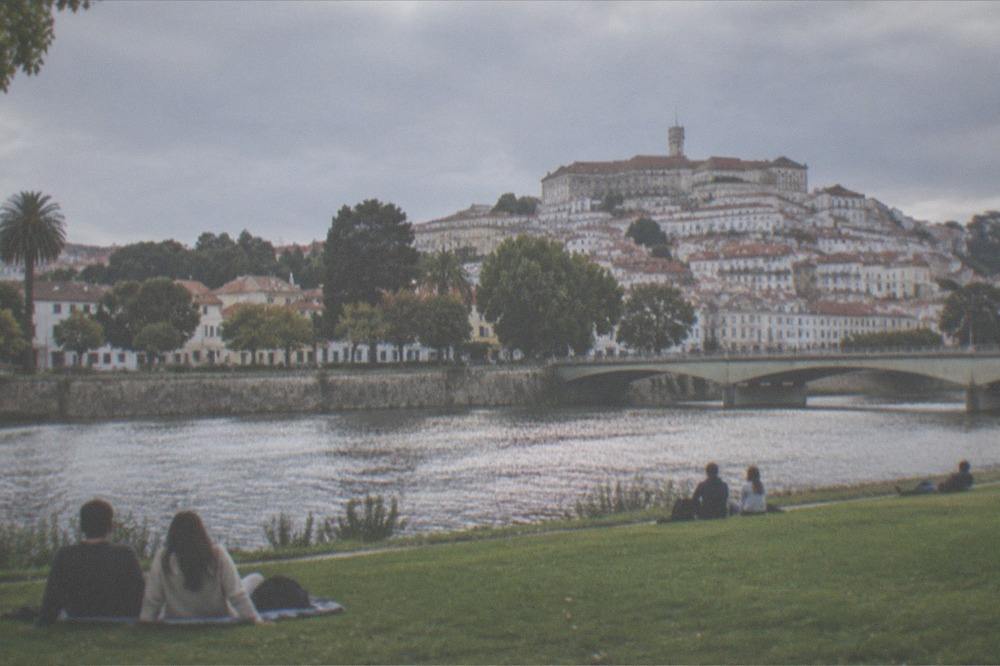
Late afternoon between May and September is the best time for the Santa Clara side of Coimbra, because the sun lights the old town across the river, the IPMA normals for the city's own station show June to August as the driest and warmest stretch, and the park and riverbank stay usable into the long summer evenings. September is the quiet-season sweet spot: its mean maximum of 27.4 C is actually higher than June's 26.3 C, and its 49.9 mm of rain is still low, while the summer crowds have gone. The rain does not arrive properly until October, when the monthly total jumps to 114.5 mm.
The table that matters for planning a riverside half day, from IPMA's 1991 to 2020 normals for the Coimbra / Bencanta station, the city's own station 3 km from the centre:
| Month | Mean max C | Rain mm | Days with 1 mm+ rain | Verdict for the riverbank |
|---|---|---|---|---|
| May | 23.3 | 64.7 | 8.5 | Warm, green, good |
| June | 26.3 | 26.0 | 3.7 | Very good |
| July | 28.5 | 8.9 | 1.7 | Effectively dry, hot afternoons |
| August | 29.1 | 14.8 | 2.2 | Hottest month, 10.9 days above 30 C |
| September | 27.4 | 49.9 | 5.2 | Best balance: warm, quiet |
| October | 23.2 | 114.5 | 10.3 | Rain arrives, check the sky |
A note on August: it is the hottest month, not July, on both mean and mean maximum, and it averages 10.9 days above 30 C. The Santa Clara side is the flattest and most exposed part of the centre, so in August do the park walk before midday or after six, and use the middle of the day for indoor sights across the river. For the month-by-month picture, see the Coimbra weather guide.
Where do You Eat and Drink Near the Santa Clara Bank?
The Santa Clara bank itself is thin on dining, with the park and the monastery grounds offering more grass than tables, so most visitors eat either before crossing in the Baixa, Coimbra's downtown full of restaurants, or at the venues around Portugal dos Pequenitos, and the standard plan is to treat Santa Clara as a walk rather than a meal destination. The restaurants of Coimbra cluster on the other side of the river, and the honest advice is to cross fed.
What the district does offer is the picnic-and-ice-cream shape of eating: lawns in the park, kiosks in the warmer months, and the simple pleasure of sitting by the Mondego with something cold. The University publishes a student body of about 31,000, and a city that size keeps its riverside supplied with casual options in season, but this build verified no opening hours, prices or addresses for any individual café, bar or restaurant on the Santa Clara side, so none is listed here. Eat in the Baixa, walk it off on the left bank.
A comparison of how the two banks divide up a day:
| West bank, old town | East bank, Santa Clara | |
|---|---|---|
| Terrain | Steep, staircases | Flat, riverside |
| Main sights | University, cathedral, monasteries | Park, Pequenitos, monastery exterior |
| Dining density | High, the Baixa | Low, plan to eat before crossing |
| Best use | Morning and midday | Afternoon and evening |
| Signature view | Looking down at the river | Looking up at the city |
What Should You Not Confuse in Santa Clara?
The two things visitors mix up in Santa Clara are the two monasteries, Santa Clara-a-Velha, the closed Gothic ruins on the floodplain, and Santa Clara-a-Nova, a different building on the hill above it, and secondly the city of Coimbra with the district of Coimbra, which is a larger administrative area reaching the Atlantic and is not the city on the Mondego at all. Getting the monasteries straight matters practically, because one is closed for works and the other is a separate site, and getting the geography straight matters because every figure on this page is city-level or municipality-level and belongs to this city specifically.
The a-Velha is the historic ruin and the one closed since October 2025. The a-Nova is the later building on higher ground, a distinct monument in its own right. Guides that blur them will tell you the ruins are open, or send you up the hill expecting the excavated church. Check the official listing for whichever one you mean before going.
The district-versus-city confusion is quieter but persistent. The district of Coimbra contains Figueira da Foz on the coast, 37 km west; the city does not touch the sea and has no beach. Nothing on the Santa Clara bank is coastal, the Mondego here is an inland river, and no distance to the sea was verified for this site. If a search result promises you a beach in Coimbra, it is describing the district, not this city.
If a structured walk sounds better than a self-guided one, the budget option in that band is the standout for this district: the top-attractions walking tour covers the city's essentials in about two and a half hours at a price that leaves plenty for the riverside ice cream afterwards.
Is Santa Clara Worth the Crossing, Compared with the Old Town?
Yes, for half a day: Santa Clara is worth crossing the Mondego for the flat riverside park, the classic view back at the university hill, Portugal dos Pequenitos if you have children and the 50-minute river cruise, but it is a complement to the old town rather than a substitute, because the monuments that made Coimbra famous, the university, the Joanina Library and the cathedrals, are all on the other bank. A visitor with one day should spend most of it on the hill and finish here; a visitor with two or more can give Santa Clara a full, unhurried afternoon.
The district's value is precisely that it is not another monument run. After the timed slot discipline of the university, where the Joanina Library admits 50 people every 20 minutes and refuses entry outside the printed slot, the left bank is the part of the city with no queue, no ticket time and no climbing. The University's own visit page states the library exists only inside the 16.50 EUR combined ticket, which is the constraint that shapes every crowded morning on the hill. Santa Clara has none of that. Cross the bridge, turn left, and the afternoon is yours.
For the wider picture of how this city compares with its neighbours and whether it deserves your time, see Coimbra Travel Guide's coverage of the old town and the attractions across the river, and if you are extending the day along the water rather than across it, the Mondego kayaking trip from Penacova runs on the same river upstream.
Common Questions About the Santa Clara District of Coimbra
What is the Santa Clara district of Coimbra?
It is the flat, riverside area on the left bank of the River Mondego opposite the old town, holding the Parque Verde do Mondego, the closed Santa Clara-a-Velha monastery, Portugal dos Pequenitos and the best ground-level views of the university hill.
Is Mosteiro de Santa Clara-a-Velha open?
It has been closed for requalification works since 20 October 2025 per dated Portuguese tourism sources, and no official page currently lists a price or opening hours. Check the monument's official listing before you go, and do not confuse it with Santa Clara-a-Nova on the hill above.
How do you get to Santa Clara from central Coimbra?
Walk across the bridge from the Baixa; the district begins immediately on the far side. SMTUC buses also cross, with a 2.00 EUR single from the driver or 0.90 EUR pre-purchased under the 2026 tariff, and tickets are valid on the Metro Mondego network too.
What are Portugal dos Pequenitos' opening hours?
The venue's own page lists 10:00 to 19:00 from 1 March to 15 October, and 10:00 to 17:00 from 1 January to the end of February and from 16 October to 31 December, closed on Christmas Day. Check its own ticket page for prices, which render only in a browser.
How much time do you need on the Santa Clara side?
About half a day for most visitors: a riverside walk, the monastery exterior and the viewpoints fit in two to three hours, and families adding Portugal dos Pequenitos should budget longer.
When is the best time to visit the Santa Clara riverbank?
Late afternoon between May and September, when the sun lights the old town across the river. September is the quiet-season sweet spot, warmer on average than June and still dry, before the October rains arrive.
The Santa Clara side of Coimbra, Portugal is the city's exhale: flat, green, unhurried and oriented entirely toward the view of the hill everyone else is standing on, and a visit that ends there, on the bank with the whole of Coimbra stacked in front of you, is the one most people remember.