The University Hill in Coimbra
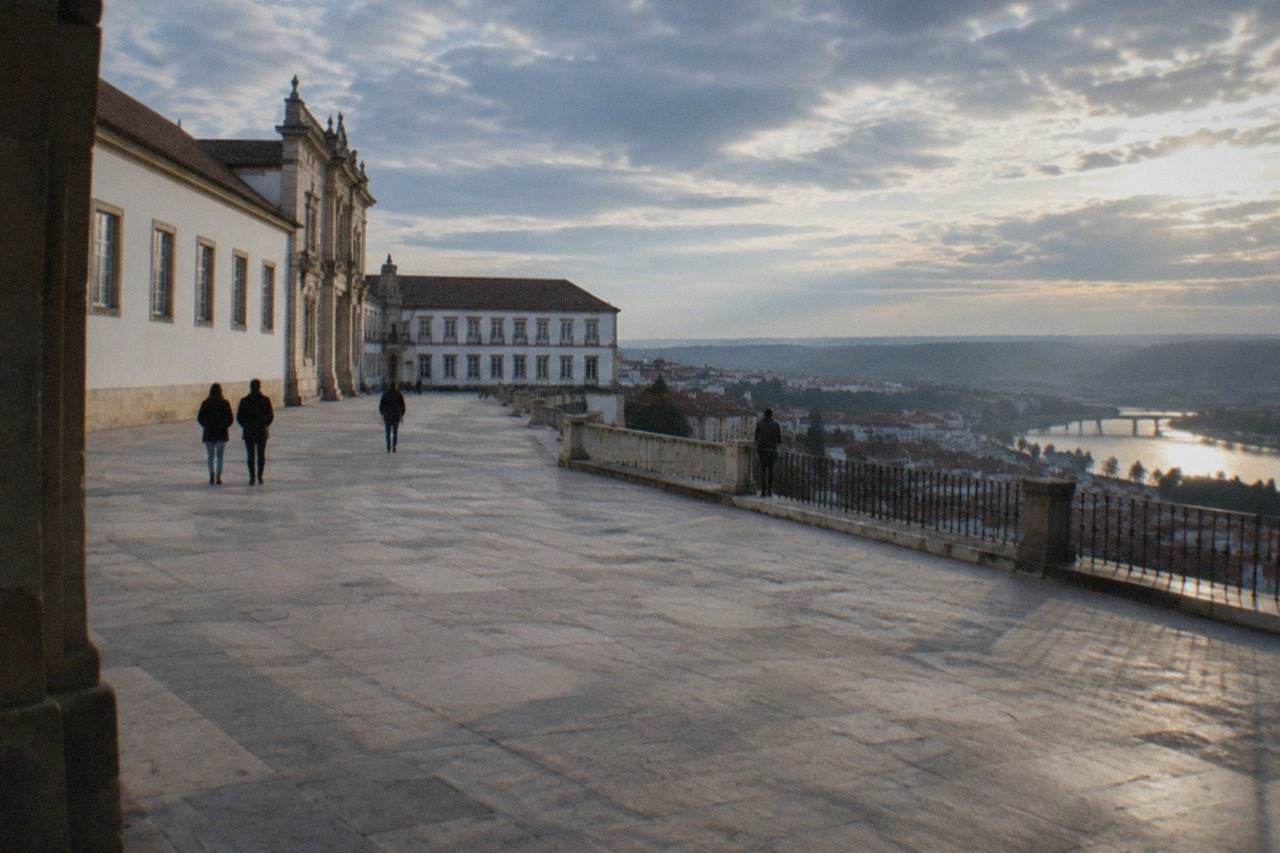
The University Hill, the Alta of Coimbra, Portugal, is where the city's whole identity sits: the Paço das Escolas, the Biblioteca Joanina, and the views over the River Mondego, all explained with verified prices and rules.
Short answer
The University Hill is the Alta of Coimbra, Portugal, crowned by the Paço das Escolas. The 16.50 EUR combined ticket includes the Biblioteca Joanina in a fixed 20-minute slot capped at 50 people, plus the Royal Palace, St Michael's Chapel and the Science Museum spaces over two days. The clock tower is closed.
Coimbra, Portugal, the university city on the River Mondego, keeps its entire identity on one hill. The Alta, the upper town, is where the University of Coimbra has its seat, and almost everything a visitor comes to see stands either on the summit or on the streets that tumble down from it. The University publishes its own current figure of about 31,000 students, and the UNESCO World Heritage inscription of 2013, "University of Coimbra - Alta and Sofia", covers exactly this hill and the college street below it, not the whole city. This page walks the hill from top to bottom: what to see, what the verified tickets cost, how the Biblioteca Joanina's timed-entry system works, and how to get up the slope in the first place.
What Is the University Hill in Coimbra, Portugal?
The University Hill, known locally as the Alta, is the high ground above the River Mondego on which the University of Coimbra's Paço das Escolas stands, together with the Biblioteca Joanina, the Capela de São Miguel, the former Chemistry Laboratory and the Botanical Garden. UNESCO inscribed "University of Coimbra - Alta and Sofia" in 2013 under criteria (ii), (iv) and (vi), list reference 1387, covering two components inside the old town: this hill and Rua da Sofia below, not the city as a whole.
That distinction matters more than it sounds. A large share of guides to Coimbra describe the entire old town as UNESCO listed, which is the single most common factual error written about this city. The inscribed property is the university hill, the Alta, and the Sofia, the college street at its foot, managed by the association RUAS, founded by the University, the City Hall, the Regional Delegation of the Ministry of Culture and Coimbra Viva. The named components include the Royal Palace of Alcáçova, St Michael's Chapel, the Joanine Library, the Rua da Sofia colleges, the 18th-century laboratories, the Botanical Garden, the University Press and the 1940s University City.
The hill is also a working campus. About 31,000 students attend the University of Coimbra according to the University's own published numbers, which sit alongside 434 courses, 1,935 professors, 378 researchers, four campuses, 22 libraries, two museums, one botanic garden and 13 residences on the same page. The University does not state the academic year for that figure, so treat it as the current published count rather than a census. What that means in practice is that the Paço das Escolas is a monument and a seat of teaching at the same time, and the University warns that religious, official and academic ceremonies overlap with and interrupt the normal tourist circuit.
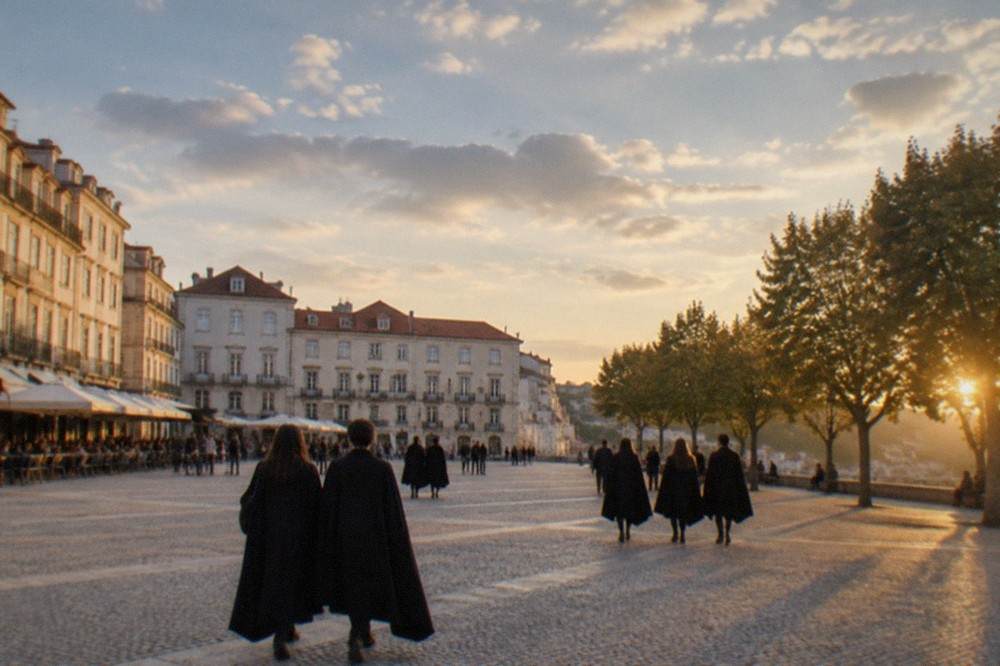
The geography is simple once you see it once. The Baixa, the downtown, sits on the flat by the river; the Alta rises steeply behind it; and the university occupies the crown. The old town wraps around both levels, and the student traditions, the black capes and the fado sung only by men, belong to the hill as much as the buildings do. If you are planning a first visit, the main attractions rundown puts the hill in context with everything else the city offers.
What Can You See on the Coimbra University Campus Today?
The Paço das Escolas circuit includes the Royal Palace, the Capela de São Miguel, the Biblioteca Joanina, the 18th-century Chemistry Laboratory, the Academic Museum, the Cabinet of Curiosities and the Mineral Gallery, all on one combined ticket. The clock tower, the Torre da Universidade, is closed: the University's own information page states "We regret to inform you that this facility is closed", and no ticket, price or climb exists for it. The Botanical Garden sits on the hill's flank and is visited separately.
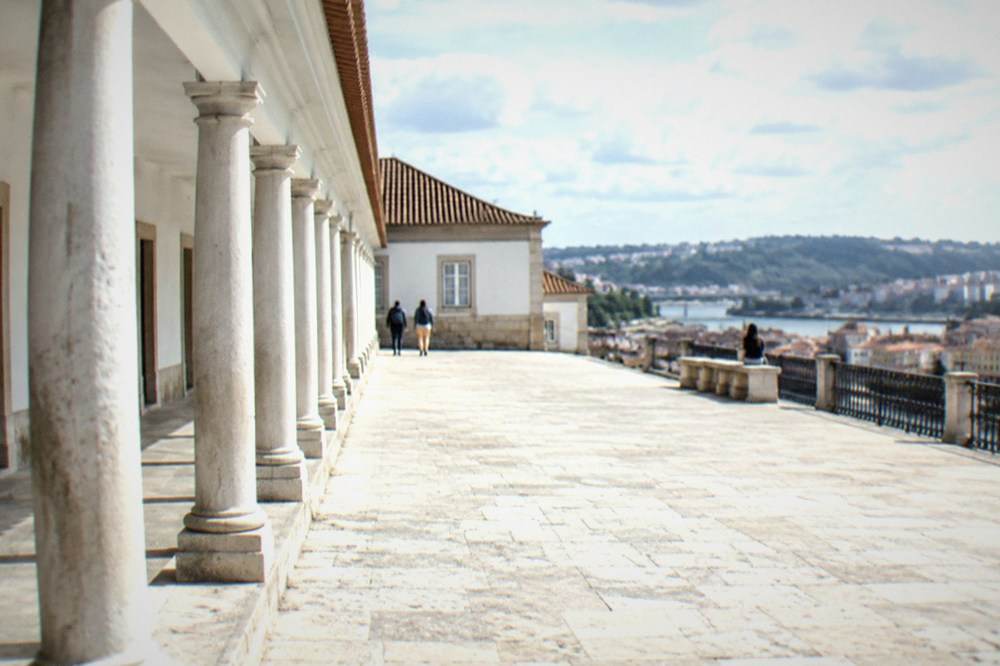
Start at the top and work down. The Paço das Escolas, the Palace of Schools, is the great walled courtyard at the summit, and the Via Latina, the painted colonnade, runs along one side of it. The Capela de São Miguel, St Michael's Chapel, opens off the courtyard, its interior dense with gilded work and azulejos; it has its own attractions page with the details. The Biblioteca Joanina, the baroque library, is the building most visitors have seen photographs of, and it has the strictest entry rule on the hill, covered in its own section below.
The Science Museum spaces sit downhill from the courtyard: the 18th-century Chemistry Laboratory, the Academic Museum, the Cabinet of Curiosities and the Mineral Gallery, all included in the standard tickets. The science museum guide covers what each of them holds. The Botanical Garden, also part of the UNESCO inscription, lies on the hillside below the palace, and the University sells its own guided tours of it for 10.00 EUR, meeting at the side entrance next to the Garden Arches.
Two practical notes that most visitors learn too late. First, the Cabinet of Curiosities and the Physics Cabinet close for two days every three months for disinfestation, so a single room can be shut on an ordinary Tuesday. Second, the tower. The Torre da Universidade has 184 steps and a narrow passage, and those details are published by the University on the same page that announces the closure; they explain why the facility is hard to bring back, but they are not an offer of a climb. Do not build an itinerary around it, and check the University's own information page for any change in status.
A guided tour solves several of these problems at once, because a local guide knows which door is open on which day. The University of Coimbra guided tours without queue option runs 1 hour 30 minutes with tickets included for a group of eight, from $70.24 per person, rated 4.9 from 576 reviews on the operator's live listing.
If you would rather walk the whole city than just the campus, the Coimbra Top Attractions Walking Tour covers the hill and the Baixa in 2 hours 30 minutes from $5.85 per person, rated 5 from 151 reviews. And if Coimbra is one stop on a wider Portugal route, the Fátima and Coimbra Full-Day Tour from Porto pairs the hill with the sanctuary, 10 hours from $74 per person, rated 4.7 from 850 reviews.
How Much do University of Coimbra Tickets Cost?
The University's own visit pages list four main tickets for 2026: 16.50 EUR for the Joanina Library plus University plus Science Museum, 12.50 EUR for the University plus Science Museum without the Joanina, 25.00 EUR for a guided Palace of Schools tour, and 16.00 EUR for the Science Museum plus UC Exploratório, which excludes the palace spaces. Botanical Garden guided tours cost 10.00 EUR.
Prices are stamped on the University's site as valid from 1 January to 31 December 2026, and student, senior and child reductions apply.
The two tickets most visitors choose between are the 16.50 EUR and 12.50 EUR options. The difference is the Biblioteca Joanina, and since the Joanina cannot be bought on its own under any circumstances, the 16.50 EUR ticket is the only route in. The full price list, read from the University's own program pages:
| Ticket | Adult price | Duration | What it includes |
|---|---|---|---|
| Joanina Library + University + Science Museum | 16.50 EUR | 3h | Baroque Library, Royal Palace, St Michael's Chapel, Chemistry Laboratory, Academic Museum, Cabinet of Curiosities, Mineral Gallery |
| University + Science Museum | 12.50 EUR | 2h30 | Same list, without the Joanina Library |
| Guided tour, Palace of Schools | 25.00 EUR | 1h30 | Guide-led palace visit, Science Museum spaces not included |
| Science Museum + UC Exploratório | 16.00 EUR | 3h | Chemistry Laboratory, Academic Museum, Cabinet of Curiosities, Mineral Gallery, UC Exploratório, no palace spaces |
| Guided tour, Botanical Garden | 10.00 EUR | 1h30 | Garden walk, meeting at the side entrance |
| Guided tour, Botanical Garden Great Greenhouse | 10.00 EUR | 1h | Greenhouse walk, same meeting point |
Opening hours follow the seasons. Summer, 1 April to 30 September, runs 09:00 to 20:00; winter, 1 October to 31 March, runs 09:00 to 17:30. The University publishes its closing dates for the current cycle: 24 and 25 December 2026, 31 December 2026 and 1 January 2027, plus 24 May and 4 October, which are academic ceremony dates. The 24 May closure is the one to watch in spring, because it coincides with the student festival period; the Queima das Fitas guide explains what is official about those dates and what is not.
The deeper question of whether the University is worth the ticket money, and the practical mechanics of buying, are both covered in the university tickets guide, which walks through each ticket tier and who each one suits.
How Does the Biblioteca Joanina Timed-Entry System Work?
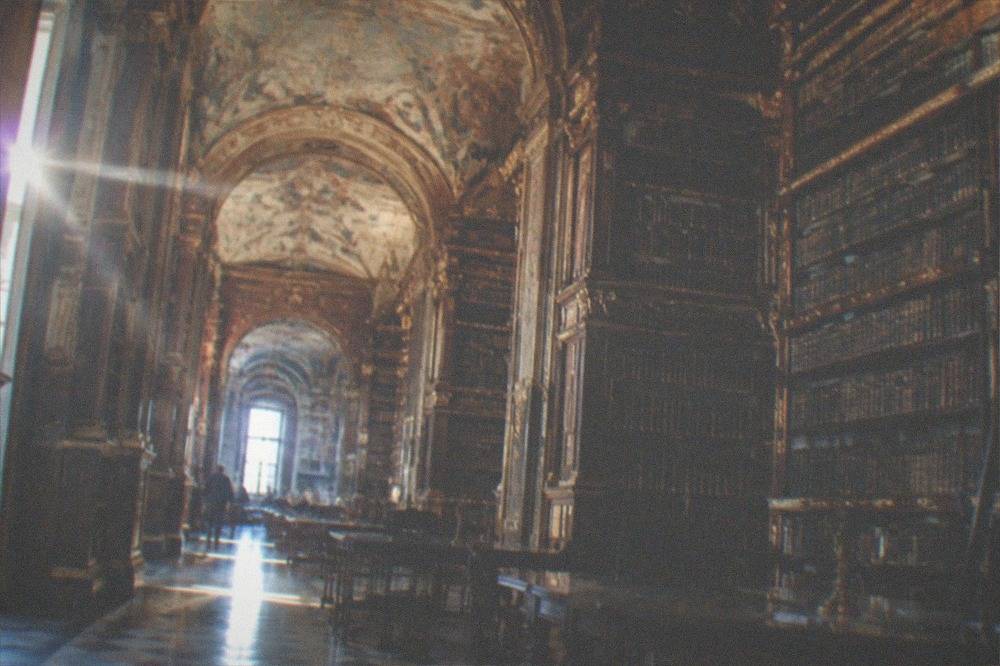
The Biblioteca Joanina admits 50 people every 20 minutes, and the University's own program page states the rule verbatim: entries are limited to 50 people every 20 minutes through the Academic Prison. The date and time printed on your ticket is the Joanina slot specifically, entry outside that slot is refused, online purchase closes 20 minutes before the visit time, and the rest of the ticket stays valid for two days. The library cannot be bought on its own; it exists only inside the 16.50 EUR combined ticket.
This is the single most useful practical fact on the whole hill, and it is why a summer visitor who turns up without a pre-booked slot can be turned away. The ceiling of 50 per 20 minutes is small against the demand, and the slot is fixed while everything else on the ticket floats. Plan the day backwards from the Joanina time: the Royal Palace, the chapel and the Science Museum spaces can all be visited before or after it, but the library is a one-shot appointment.
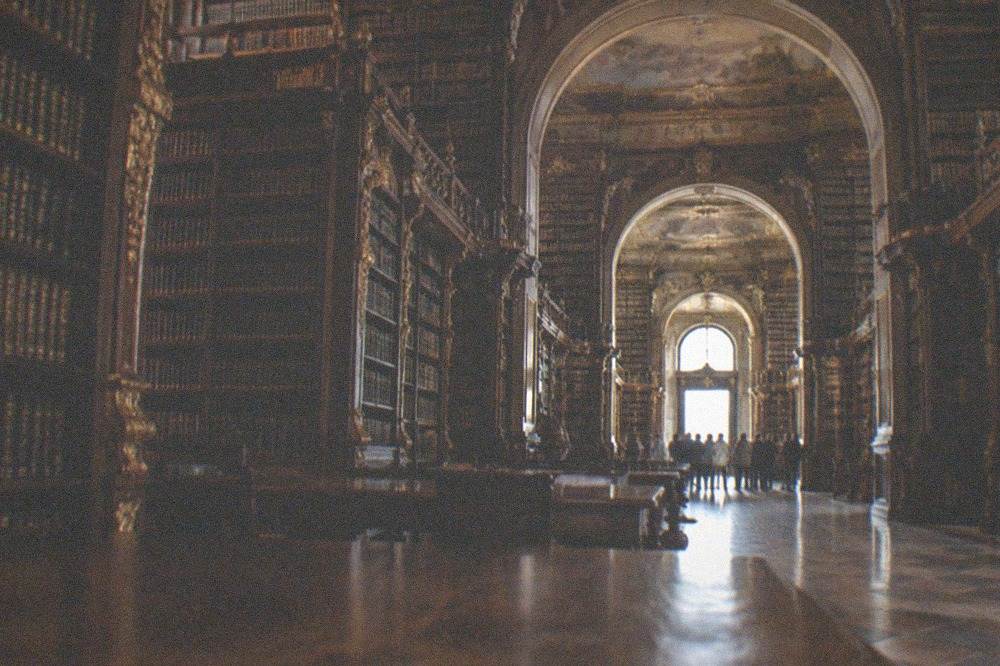
Inside, the visit lasts about 20 minutes on the noble floor, with no lingering and no photographs there. The library also houses a colony of bats that eat the insects which would otherwise damage the books, a detail confirmed by the University's own page about the Joanina and one of the reasons the Cabinet of Curiosities closes periodically for disinfestation. The full story of the building and its bats is in the Joanina Library guide, and the step-by-step booking walkthrough is in how do I visit the Coimbra University library.
Because the slot is the scarce thing, tours that include tickets and queue management have real value here. The University of Coimbra guided tours without queue option, from $70.24 per person and rated 4.9 from 576 reviews, puts the timed-entry problem in the operator's hands for a group of eight.
What Is the UNESCO World Heritage Status of the University Hill?
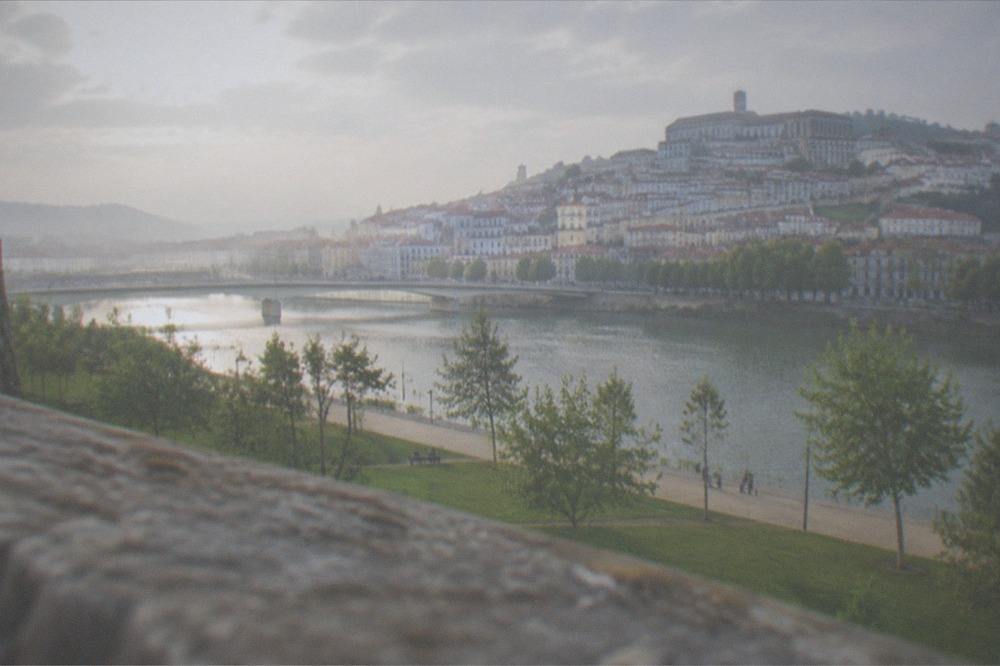
UNESCO inscribed "University of Coimbra - Alta and Sofia" in 2013 under criteria (ii), (iv) and (vi), list reference 1387. The property is two components inside the old town: the Alta, the university hill, and Rua da Sofia, the college street below. The named components include the Royal Palace of Alcáçova, St Michael's Chapel, the Joanine Library, the colleges of Rua da Sofia, the 18th-century laboratories, the Botanical Garden, the University Press and the 1940s University City. The city of Coimbra as a whole is not inscribed.
The association RUAS manages the property; it was founded by the University, the City Hall, the Regional Delegation of the Ministry of Culture and Coimbra Viva. For a visitor, the practical reading of the inscription is that the hill and the Sofia street form one designed landscape of teaching: the colleges were built to bring education into the city, and the university's move up to the palace shaped everything above and below it. The Alta upper town area guide covers the streets between the campus and the wall, and the wider Baixa downtown covers the level ground by the river where most of the city's life happens.
The University's own standing is a separate question from its heritage status, and one readers ask often. The University publishes about 31,000 students, 434 courses and 1,935 professors as its current numbers, and the honest answers to whether it is a good university, whether it is prestigious, and whether it is the oldest in the world each deserve more than a slogan; the University's own published figures are the place to start, and the question of age has a more interesting answer than the marketing one.
How do You Get Up the University Hill?
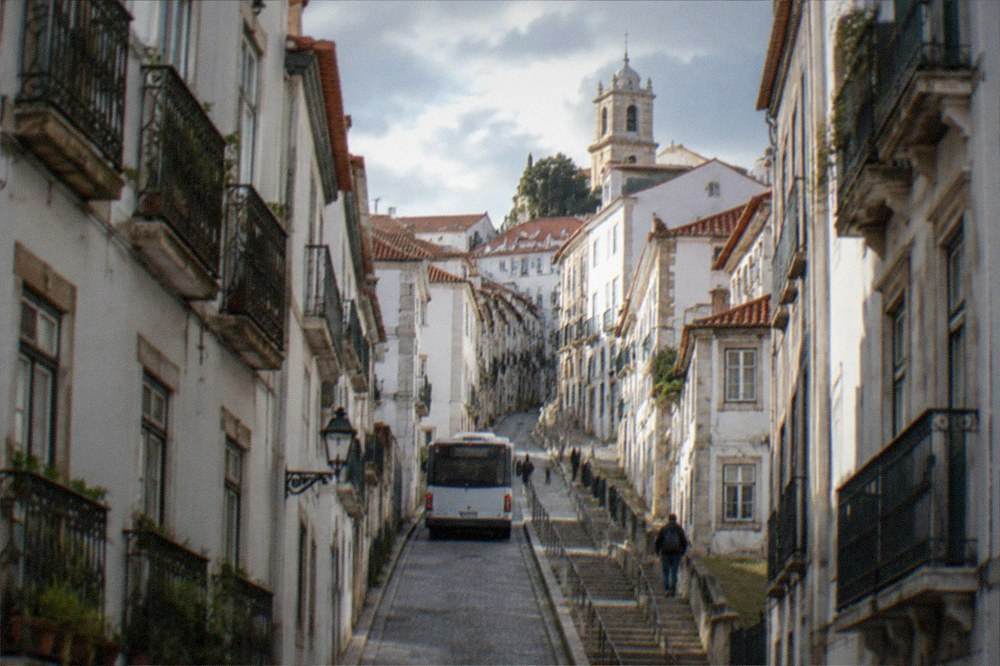
The Alta is reached on foot up a steep hill from the Baixa, and the SMTUC city bus network is the alternative, with a ticket bought from the driver at 2.00 EUR or pre-purchased in books of three or more at 0.90 EUR per trip, each valid 90 minutes on the urban network with transfers included. SMTUC tickets are also valid on the Metro Mondego network, per the operator's own 2026 tariff. No standalone price for the Elevador do Mercado funicular is published.
The climb is short but real, and the hill is the reason the views exist. Most people walk up through the Arco de Almedina or one of the other gates in the old wall, and the getting around guide lays out the routes. If the slope is a problem, the bus is the honest answer: the 2026 SMTUC tariff, in force since 1 April 2026, prices the driver ticket at 2.00 EUR and the pre-purchased trip at 0.90 EUR, with a Viagem ConVIDA support card at 0.50 EUR and a MOVE-C card at 3.00 EUR for youth and 6.00 EUR for others. A large-family one-day ticket for seven trips costs 1.00 EUR. Day passes exist for one, three and seven days, but the tariff PDF lays those out in a three-column grid whose row mapping this build could not confirm, so no day-pass price is published here; check SMTUC for the current figures.
| SMTUC ticket | Price | Notes |
|---|---|---|
| Driver ticket, bought on board | 2.00 EUR | Single trip |
| Pre-purchased, books of 3 or more | 0.90 EUR per trip | Requires support card |
| Viagem ConVIDA support card | 0.50 EUR | For occasional and pre-purchased tickets |
| MOVE-C support card | 3.00 EUR youth / 6.00 EUR others | Reusable |
| Large-family 1-day ticket, 7 trips | 1.00 EUR | Specific scheme |
| Fare evasion fine | 120.00 to 350.00 EUR | Enforced |
The Metro Mondego, a bus rapid transit network, is opening in stages around the city, and the tariff confirms SMTUC titles are valid on it. The route-by-route detail is not published on this site because the operator's own material could not be verified on this build, so treat it as a bonus on your bus ticket rather than a planned line. The Elevador do Mercado, the funicular linking the riverside market level with the upper town, appears in the tariff only inside a combined-pass line, so its single-ride price is not published here either; check the operator before relying on it.
One more thing worth knowing, because almost no guide carries it: the municipality's own economic study, published on coimbra.pt on 21 July 2026, records 698,151 overnight stays in Coimbra in 2025 and puts the municipal cost per overnight stay at 3.49 EUR, against a tourist tax of 1.00 EUR per guest per night, capped at three nights, from age 16, paid at the accommodation. A two-euro rise was approved as a proposal in July 2026 but the published rate remains one euro until the municipality's own tax pages change. The hill is where much of that demand lands, which is why the Joanina slot sells out and why early booking is not marketing but arithmetic.
When Is the Best Time to Visit the University Hill?
IPMA's 1991 to 2020 normals for the Coimbra / Bencanta station show September as the quiet optimum: a mean maximum of 27.4 C, higher than June's 26.3 C, with only 49.9 mm of rain, while the crowds of summer have gone. August is the hottest month at 29.1 C mean maximum with 10.9 days above 30 C, and the rain holds off until October, when the monthly total jumps to 114.5 mm. July, at 8.9 mm, is effectively dry.
The full normals table, station 707, altitude 26.6 m, 3 km from the centre, reads like this:
| Month | Mean max C | Mean min C | Rain mm | Days 1mm+ rain |
|---|---|---|---|---|
| Mar | 19.1 | 7.8 | 75.4 | 9.4 |
| Apr | 20.5 | 9.4 | 84.6 | 10.6 |
| May | 23.3 | 11.8 | 64.7 | 8.5 |
| Jun | 26.3 | 14.2 | 26.0 | 3.7 |
| Jul | 28.5 | 15.6 | 8.9 | 1.7 |
| Aug | 29.1 | 15.7 | 14.8 | 2.2 |
| Sep | 27.4 | 14.1 | 49.9 | 5.2 |
| Oct | 23.2 | 11.9 | 114.5 | 10.3 |
| Nov | 18.0 | 8.3 | 121.5 | 11.5 |
Two cautions come with the table. September is often described as drier than June; it is not, it is wetter, 49.9 mm against 26.0 mm, but it is hotter and the rain still holds off until October. And November is the wettest month of the year at 121.5 mm, marginally ahead of October and January, so an autumn visit should aim for late September or early October rather than later. The best time to visit guide takes the whole year in turn.
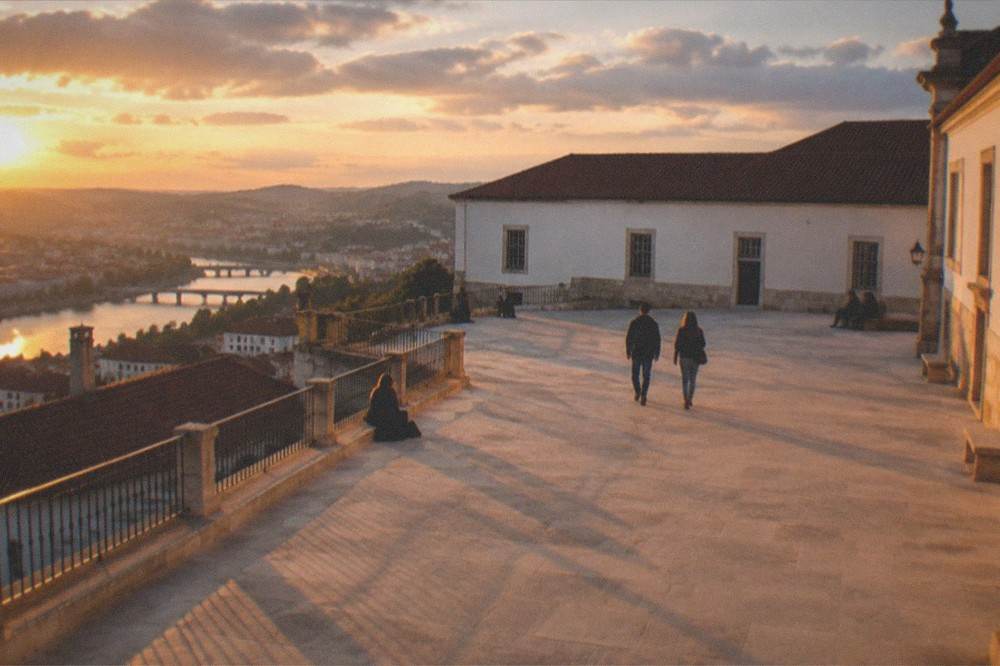
May deserves a special warning on this hill specifically. The University closes its visitor circuit on 24 May, and Mosteiro de Santa Cruz suspends visits on the Cortejo da Queima das Fitas, a moveable Sunday, so a spring visit can collide with the student festival even though the exact festival dates are not officially published on the sites this build could verify. The festival's traditions and what is confirmed about its timing are covered in the city's events coverage. For everything else about the campus itself, the University of Coimbra attraction guide is the companion page to this one, and Coimbra Travel Guide keeps the whole city in one place.
For visitors building the hill into a longer route, the Fátima and Coimbra Full-Day Tour from Porto brings the campus in as a guided stop, 10 hours from $74 per person, rated 4.7 from 850 reviews on the operator's live listing. It suits travellers based in Porto who want the hill and the sanctuary in one day, with the transport handled.
Between the two, the trio below covers the three most useful ways to see the hill and the city around it: a queue-free university visit with tickets included, a budget walk of the top attractions, and the full-day pairing from Porto.
Common Questions About the University Hill in Coimbra
Is the University of Coimbra a UNESCO World Heritage site?
Part of it is. UNESCO inscribed "University of Coimbra - Alta and Sofia" in 2013, list reference 1387, covering the university hill and the college street below. The city of Coimbra as a whole is not inscribed, and calling the old town or the Baixa World Heritage is a factual error.
Can you climb the University of Coimbra clock tower?
No. The Torre da Universidade is closed, and the University's own information page states "We regret to inform you that this facility is closed". The same page mentions the 184 steps and narrow passage, which explain the difficulty of reopening it, but no ticket or climb is available today.
How much does it cost to visit the University of Coimbra?
The University's own 2026 prices are 16.50 EUR for the combined ticket including the Biblioteca Joanina, 12.50 EUR without it, 25.00 EUR for a guided Palace of Schools tour and 10.00 EUR for a guided Botanical Garden tour. Reduced rates apply for students, seniors and children.
Can you buy Biblioteca Joanina tickets on their own?
No. The Joanina Library exists only inside the 16.50 EUR combined ticket, admits 50 people every 20 minutes, and the time printed on the ticket is the fixed library slot. Entry outside the printed slot is refused, and online purchase closes 20 minutes before the visit time.
How do you get up to the University Hill?
On foot up the steep hill from the Baixa, or by SMTUC city bus at 2.00 EUR from the driver or 0.90 EUR per trip pre-purchased in books of three or more, each trip valid 90 minutes with transfers included. SMTUC tickets are also valid on the Metro Mondego network.
When is the best month to visit the University Hill?
September, on the numbers: IPMA's 1991 to 2020 normals for the Coimbra / Bencanta station give it a mean maximum of 27.4 C with only 49.9 mm of rain, and the student crowds of summer have gone. Avoid late May around the student festival, when the University closes its visitor circuit on 24 May.
The hill is the reason Coimbra exists as a destination at all, and it repays the planning: a booked Joanina slot, a morning start before the coaches, and a walk down through the old town afterwards will give you the city the students see rather than the one the queue sees.