Coimbra Old Town
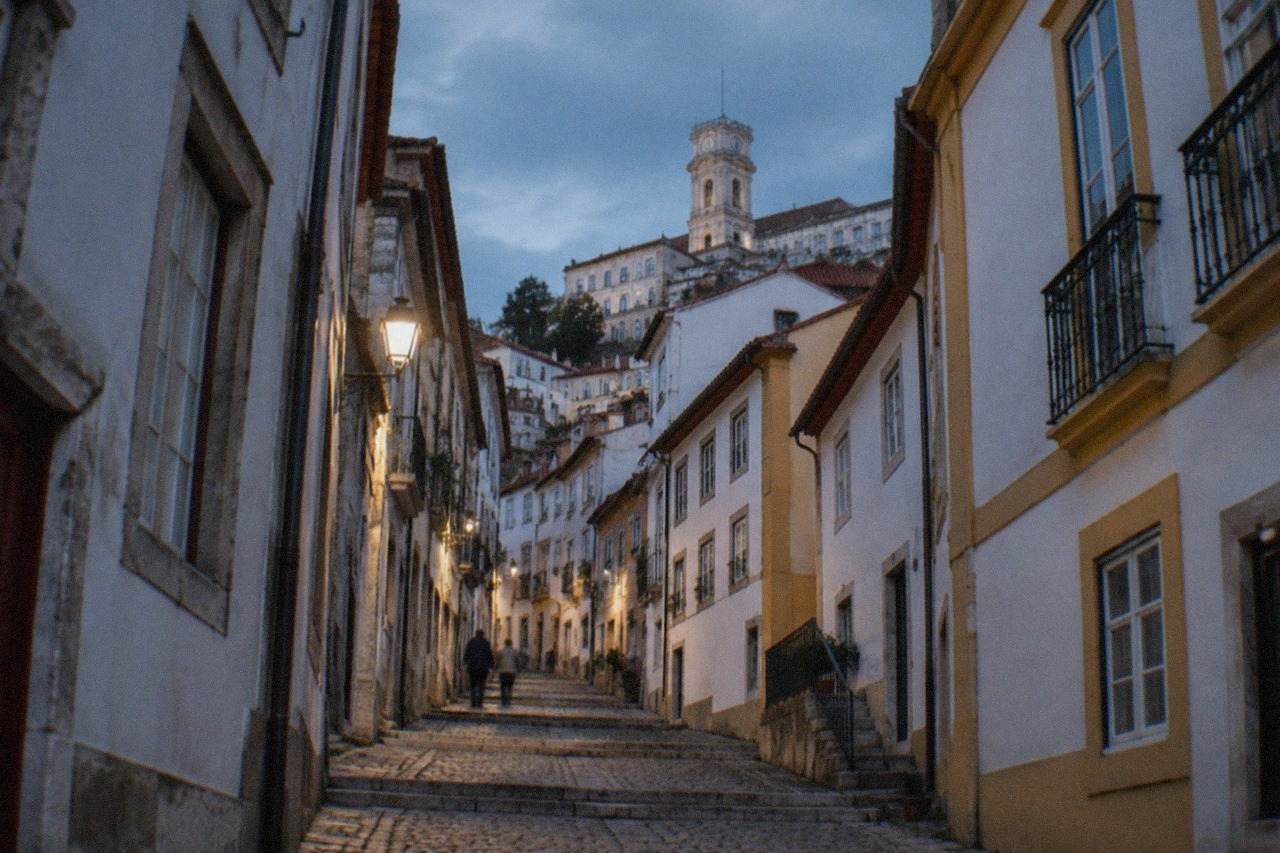
The old town of Coimbra in Portugal splits in two: the university-crowned Alta above and the riverside Baixa below, joined by steep lanes that have carried students for centuries. This guide covers what is open, what is closed, what things cost, and how to walk it without wasting the climb.
Short answer
The Coimbra old town is the hill-and-riverside historic core of Coimbra, Portugal, made up of the Alta around the University and the Baixa by the River Mondego. The University of Coimbra, Alta and Sofia is UNESCO-inscribed (2013), the Biblioteca Joanina admits 50 people every 20 minutes inside a 16.50 EUR combined ticket, and three major sights, the Machado de Castro museum, the university tower and Santa Clara-a-Velha, are currently closed.
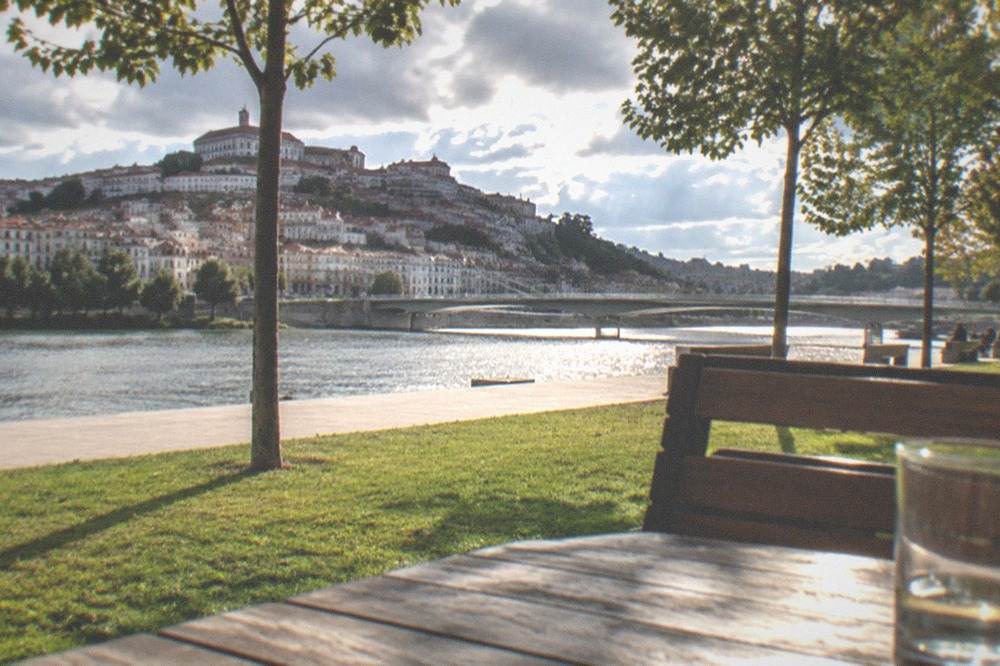
Coimbra, Portugal, the university city on the River Mondego, keeps its old town on a hill that rises steeply from the water. The lower half, the Baixa, is the commercial and riverside quarter rebuilt after the great fire of its past and now the practical heart of the city, and the upper half, the Alta, is where the University of Coimbra has sat since it moved here in the medieval period, today teaching about 31,000 students by its own published figures. Between them run stepped lanes and arches that have carried generations of students in black capes. This guide walks the whole old town from bottom to top: what to see, what things cost, what is closed right now, and how to time the climb.
What Exactly Is the Coimbra Old Town?
The Coimbra old town is the historic core of Coimbra, Portugal, and it divides into two halves on different levels: the Alta, the upper town around the University of Coimbra on the hilltop, and the Baixa, the lower town by the River Mondego, joined by steep medieval lanes. What UNESCO inscribed in 2013, under the name University of Coimbra, Alta and Sofia, is two components inside this old town, the university hill and the college street of Rua da Sofia, and not the city as a whole.
That last point matters because almost every guide gets it wrong. Coimbra is not a UNESCO World Heritage city. The inscription, list reference 1387, covers the university hill with its Royal Palace, Capela de São Miguel and the Joanina Library, plus the Rua da Sofia colleges in the lower town. The Baixa's shopping streets, the riverside and the rest are outside the inscription. A visitor standing on the Praça do Comércio is standing in a handsome historic quarter that carries no World Heritage badge at all, and there is nothing wrong with that.
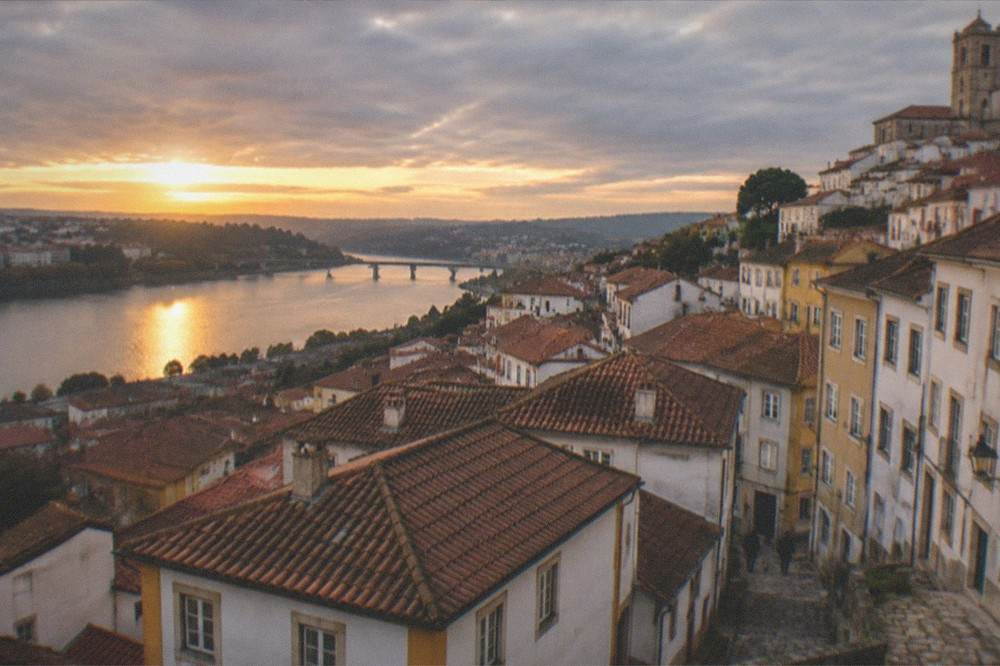
The two halves behave differently at different times of day. The Baixa wakes early, fills with students and shoppers, and empties in the evening when the bars and restaurants take over. The Alta belongs to the university rhythm: tour groups climb in the morning, the terraces around the Paço das Escolas fill at midday, and by late afternoon the hill is quieter and the light over the Mondego valley is at its best. Planning around that rhythm, up in the morning or late afternoon, down for lunch, is the single most effective thing you can do here.
For a broader picture of how the pieces fit together, the Coimbra city map guide lays out the quarters, and the full things-to-do overview covers the sights beyond the hill. This site's own Coimbra Travel Guide home page collects everything in one place.
What Should You See First in the Coimbra Old Town?
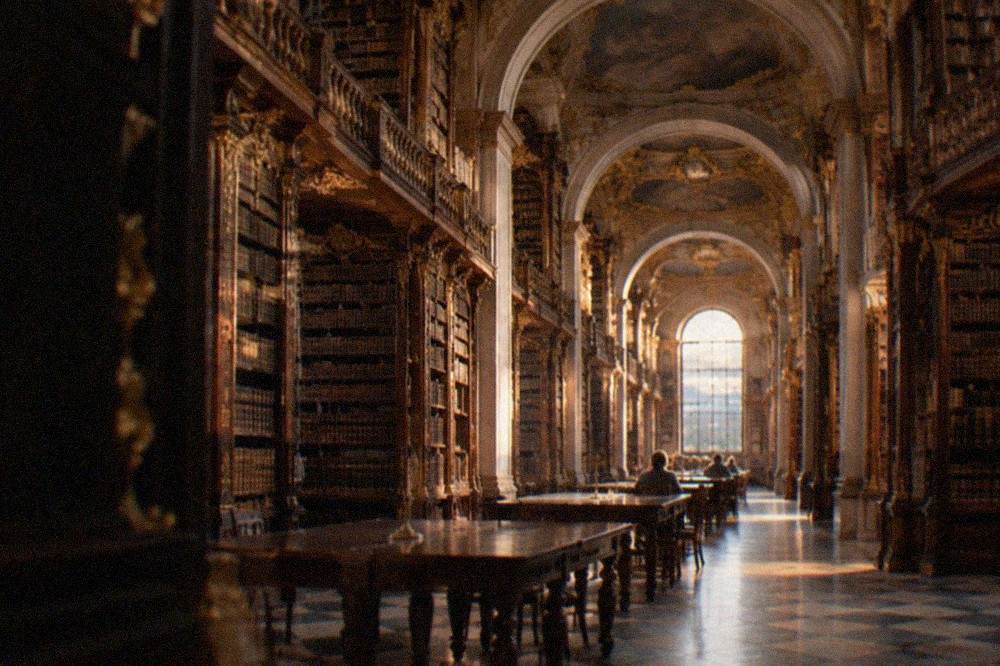
Start at the top, with the University of Coimbra's Paço das Escolas, because it is the sight with a hard capacity limit: the Biblioteca Joanina admits only 50 people every 20 minutes, cannot be bought on its own, and is sold only inside the 16.50 EUR combined ticket, where the time printed on the ticket is the library slot itself. After the university, work downhill through Capela de São Miguel, Sé Velha and Mosteiro de Santa Cruz, finishing on the flat Baixa streets by the river.
The reason to begin at the top is simple mechanics. The Joanina's entry ceiling means summer slots sell out, and the University's own visit page states plainly that entries are limited to 50 people every 20 minutes and that visits outside the stipulated time are refused. Online purchase closes 20 minutes before the visit time. Book the slot first, then build the day around it, because the rest of the combined ticket, the Royal Palace, the chapel, the Chemistry Laboratory, the Academic Museum, the Cabinet of Curiosities and the Mineral Gallery, is valid for two days while the Joanina slot is fixed to its printed time.
The university's own hill is covered in detail in the University of Coimbra attraction guide, and the library's rules are unpacked in the Joanina Library guide. Below the hill, the sequence is short and dense. Sé Velha, the Old Cathedral, is a fortress-church a few minutes' walk down; the Sé Velha guide covers it. Mosteiro de Santa Cruz, the burial church of Portugal's first two kings, sits in the Baixa near the Praça 8 de Maio, and its own guide explains what the 5.00 EUR ticket includes.
A walking tour is the efficient way to absorb the hill if the stories matter to you, and on this site the standout budget option is the Coimbra Top Attractions Walking Tour, from $5.85 per person and rated 5 from 151 reviews over 2 hours 30 minutes, which strings the old town's headline sights together on foot. The full walking tour page has the itinerary, and you can Check availability for your dates. If you want the university and the city in one loop, the Guided tour of the University and city of Coimbra runs 2 to 3 hours from $84.29 per person, rated 4.9 from 399 reviews.
What Are the Ticket Prices and Opening Hours in the Old Town?
The main open sights in the Coimbra old town cost: University of Coimbra combined ticket with the Joanina Library 16.50 EUR adult, the same ticket without the library 12.50 EUR, Sé Velha 3.00 EUR per person, and Mosteiro de Santa Cruz 5.00 EUR per person.
The University runs 09:00 to 20:00 in summer, 1 April to 30 September, and 09:00 to 17:30 in winter, Sé Velha keeps summer hours of 09:30 to 18:30, and Santa Cruz visits run 09:30 to 16:30 with a separate Sunday schedule.
Those figures come from the operating bodies themselves: the University's visit pages for the Paço das Escolas, and the Unidade Pastoral Aeminium, the parish body that manages both cathedrals and Santa Cruz, for the church monuments. Group rates exist at both churches, 2.50 EUR per person at Sé Velha for groups over 10 and 3.50 EUR at Santa Cruz for groups of 12 or more, and the University offers reduced rates for students, seniors and children on its tickets.
| Sight | Adult price | Hours | Notes |
|---|---|---|---|
| University of Coimbra, ticket with Joanina Library | 16.50 EUR | Summer 09:00-20:00, winter 09:00-17:30 | Joanina slot fixed, rest valid 2 days |
| University of Coimbra, ticket without Joanina | 12.50 EUR | Same hours | Same spaces minus the library |
| Sé Velha de Coimbra | 3.00 EUR | Summer 09:30-18:30, Sundays 11:00-17:30 | Groups over 10 pay 2.50 EUR |
| Mosteiro de Santa Cruz | 5.00 EUR | 09:30-16:30, Sundays separate schedule | Groups of 12+ pay 3.50 EUR |
| Guided tour, Palace of Schools | 25.00 EUR | 1h 30m, from the ticket kiosk | Science Museum spaces not included |
Two scheduling traps catch visitors every week. First, the University closes its visitor circuit on 24 May and 4 October in the current cycle, and on 24 and 25 December and over New Year, and it warns that religious, official and academic ceremonies interrupt the normal tourist circuit. Second, Santa Cruz suspends visits on Easter Sunday and on the Cortejo da Queima das Fitas, a moveable Sunday in May when the student parade takes over the Baixa. The Queima das Fitas guide explains the festival and helps you sequence a workable day around it.
How Steep Is the Climb Between the Baixa and the Alta?
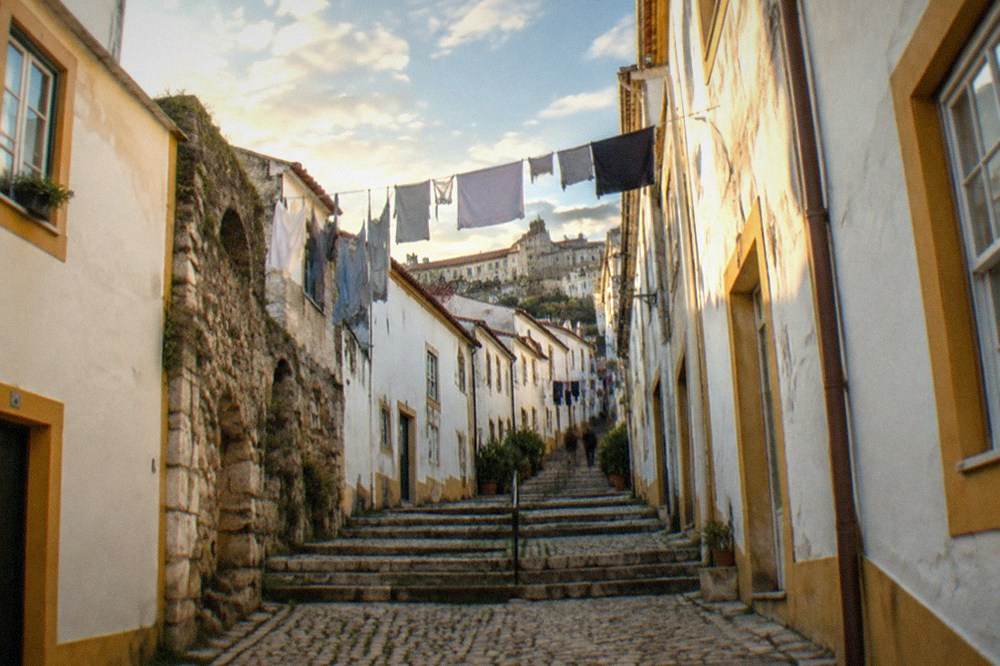
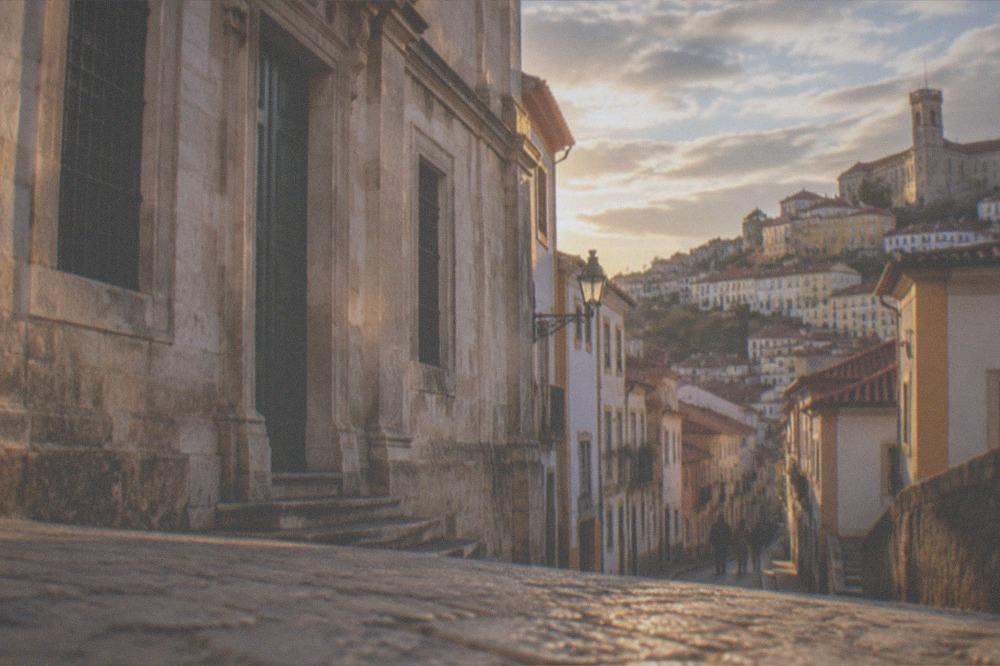
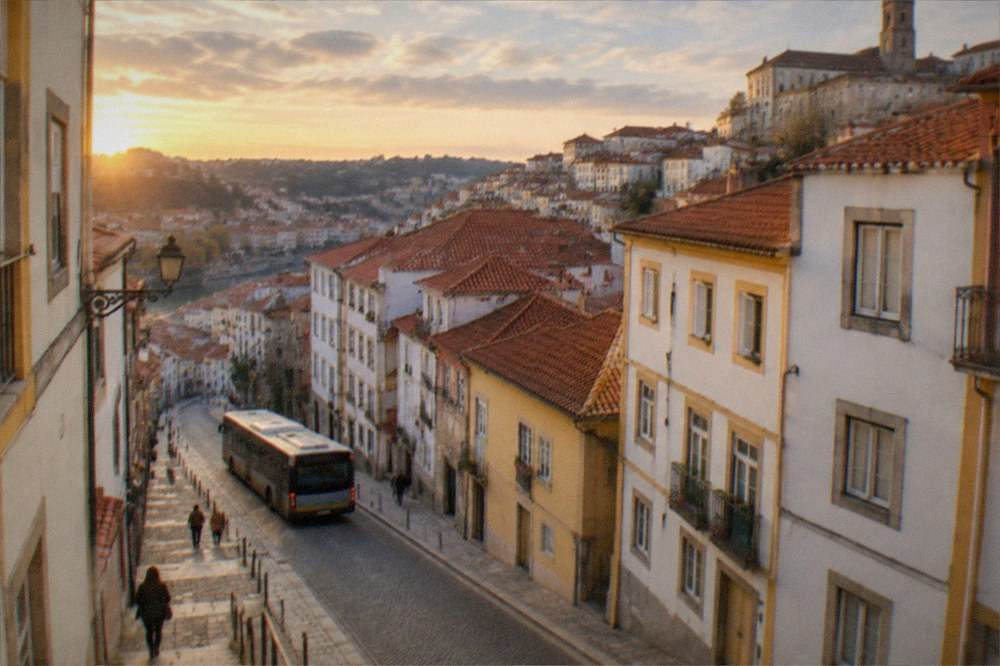
The climb from the Baixa to the university terrace is real but short: the old town of Coimbra stacks its two halves on a hillside, and the lanes linking them, including the stepped Quebra Costas and the Arco de Almedina gate, are steep, cobbled and mostly pedestrian, so most visitors manage it in stages with stops, and the reward is the terrace view over the Mondego valley. Wear shoes with grip, and skip the hottest hours of an August afternoon.
The hill is the organizing fact of the old town. The Baixa sits flat by the river; the Alta sits on top; everything in between is leg-work. The classic route up passes the Arco de Almedina, the medieval gate that was for centuries the city's main entrance, then climbs through the Quebra Costas, a stepped lane whose name translates roughly as "back-breaker", past small bars and student murals. Coming down is easier on the knees and better for the wallet, because the bars on the upper stretch are priced for the view.
There is a mechanical alternative. The Elevador do Mercado, the funicular that links the Baixa's market area with the upper town, exists and appears in the SMTUC tariff under a combined-pass line, but the operator's own tariff PDF gives it no standalone visitor price, so check the current fare on the spot. The funicular is the honest answer for anyone for whom the steps are not an option, and the hill is the one feature of the old town that no amount of planning flattens.
For anyone weighing whether the terrain makes the city a bad idea, the honest answer is that the hill is the point, not the problem. The upper town rewards the effort, and the Alta upper town area page and the Baixa downtown area page break the two halves down sight by sight.
Where do You Eat in the Coimbra Old Town?
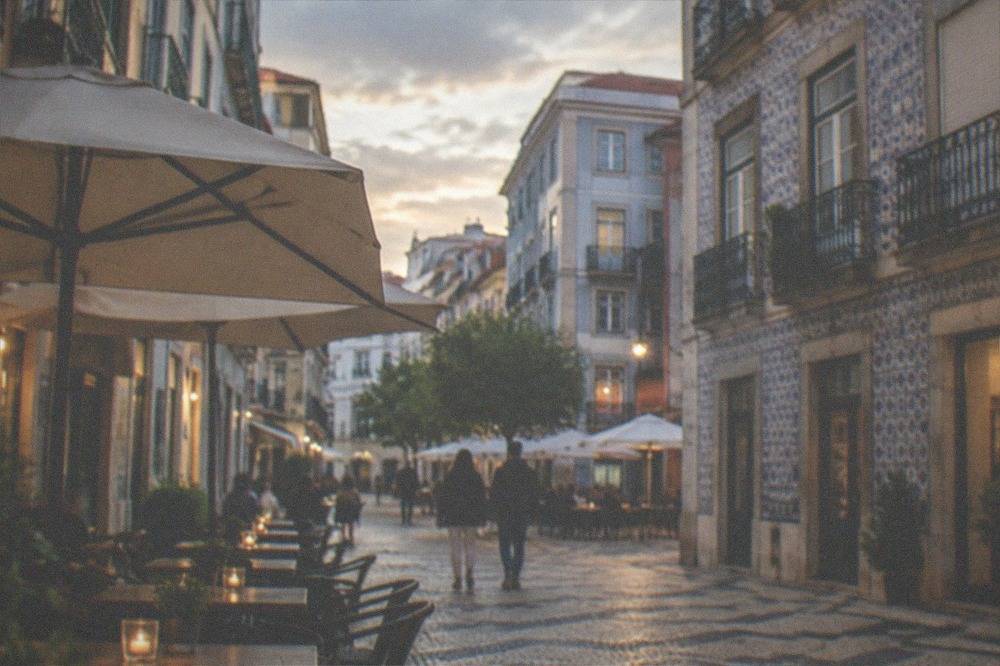
Eat in the Baixa, where the old town of Coimbra keeps the bulk of its restaurants, taverns and historic cafés, and eat the regional dishes the city is known for: leitão da Bairrada, suckling pig from the Bairrada region to the west, chanfana, a slow-cooked goat dish, and the arrufadas and pastries of the city's bakeries. The Alta has a thinner, view-priced spread of cafés and bars, so the standard play is to sightsee up the hill and come down to eat.
This site keeps dedicated restaurant and traditional-dishes guides, so this section stays practical rather than exhaustive. What matters for old-town planning is the geography: the Baixa's grid around Praça do Comércio and the streets off it holds the density, and the riverside holds the evening trade. The leitão and Bairrada guide covers the region's signature roast, which is the dish most visitors come specifically to eat, and the Bairrada sparkling whites that go with it are the region's other claim on your glass.
| Dish or drink | What it is | Where it fits in an old-town day |
|---|---|---|
| Leitão da Bairrada | Bairrada suckling pig, roasted | A Baixa lunch, best eaten in the lower town |
| Chanfana | Slow-cooked goat in wine | A hearty dinner dish, Baixa taverns |
| Arrufadas | Sweet Coimbra bread rolls | Breakfast or an afternoon snack |
| Bacalhau à Lagareiro | Salt cod with olive oil | Widely served across the Baixa |
| Bairrada sparkling wine | Regional espumante | Evening, with dinner or after |
One honest caveat that applies to this whole site: no restaurant, café, bar or bakery in Coimbra had its hours, address or prices verified by the research behind these guides, so none are printed here. The listings themselves are where to check. The historic cafés and the pastries and arrufadas of the city are named in their own dedicated guides on this site, and the markets guide covers where the city actually shops.
When Is the Best Time to Walk the Old Town?
The best months to walk the Coimbra old town are May, June and September, because IPMA's 1991 to 2020 normals for the Coimbra / Bencanta station show September with a mean maximum of 27.4 C, actually hotter than June's 26.3 C, but with only 49.9 mm of rain against October's 114.5 mm. July and August are the hottest and driest months, August averaging 29.1 C mean maximum and 10.9 days above 30 C, and November is the wettest at 121.5 mm.
The climate table is worth reading properly, because the obvious assumption about it is backwards. September is not a cooler, damper slide toward autumn here; it is warmer than June on the mean maximum and still comparatively dry, with the real rain holding off until October, when the monthly total jumps to 114.5 mm. That makes early autumn the connoisseur's window: the student year is running, the weather is summer-grade, and the crowds of July and August have gone. The full breakdown is in the weather guide.
| Month | Mean max | Rain mm | Days 30 C+ | Old-town verdict |
|---|---|---|---|---|
| May | 23.3 C | 64.7 | 3.5 | Warm, green, student season running |
| June | 26.3 C | 26.0 | 6.2 | Hot and dry, long evenings |
| July | 28.5 C | 8.9 | 8.9 | Effectively dry, busiest heat |
| August | 29.1 C | 14.8 | 10.9 | Hottest month, climb early |
| September | 27.4 C | 49.9 | 7.8 | Hotter than June, far quieter |
| October | 23.2 C | 114.5 | 2.0 | Rain arrives, golden light |
Within the day, the same logic that shaped the sightseeing order shapes the walk. Climb in the morning before the heat builds, or in late afternoon when the terraces face the setting sun over the Mondego. Midday in August on the Quebra Costas is a sauna with steps. And if you are timing a visit against the student calendar, remember the two hard closures already noted, the University's circuit on 24 May and Santa Cruz on the Cortejo Sunday, both tied to the Queima das Fitas festival in May.
What Is Closed Right Now in the Coimbra Old Town?
Three major sights in and around the Coimbra old town are closed and must not appear in any plan: the Museu Nacional de Machado de Castro is closed for conservation work, the Torre da Universidade, the clock tower, is closed with the University's own page stating the facility is shut, and Mosteiro de Santa Clara-a-Velha across the river has no page at all on the national monuments portal, consistent with closure for requalification works since October 2025. None has a publishable price or opening hour at present.
The Machado de Castro case deserves a warning, because the museum's own official page prints a completely normal-looking opening-hours table directly below its closure notice. The closure line is the operative one. The museum, built over a mid-1st-century Roman cryptoporticus that is part of its visit route, will reopen, but no reopening date or ticket price is published on an official page, so nothing can be promised here. The Machado de Castro guide keeps the current status.
| Sight | Status | What you can plan on |
|---|---|---|
| Museu Nacional de Machado de Castro | Closed for conservation work | Check before any visit, no price published |
| Torre da Universidade | Closed, per the University's own page | No climb, no price, no hours |
| Mosteiro de Santa Clara-a-Velha | Closed for works, no portal page | Treat as unavailable, check status |
| Paço das Escolas and Joanina | Open, timed slots | 50 people every 20 minutes |
| Sé Velha and Santa Cruz | Open on published hours | 3.00 EUR and 5.00 EUR |
The tower closure is the one that disappoints most visitors, because the tower is the old town's skyline signature. The University's information page is unambiguous, and it also notes the tower's 184 steps and narrow passage, which explains why the closure is not a quick fix. Across the river, the Santa Clara district retains its riverside walks and views even with the monastery shut, and the practical takeaway for a one-day plan is that the open spine of the old town, the University circuit, Sé Velha, Santa Cruz and the streets between them, is more than enough to fill a day. Do not build a plan around a museum that is shut.
A guided visit also solves the timing problem at the top of the hill, where the Joanina's 50-per-20-minutes ceiling is the one genuine scarcity in the old town. The Coimbra: A Local's Tour of the University with skip-the-line access runs about 1 hour 30 minutes from $86 per person, rated 4.9 from 87 reviews, and its tour page explains what is covered. For a deeper dive with an expert who has been guiding the library since 2012, the Joanina Library expert tour is from $90.06 per person, rated 4.8 from 168 reviews.
How do You Get to the Old Town?
You reach the Coimbra old town on foot from the city's two train stations or by SMTUC city bus, and the two stations are in different places: Coimbra-B and Coimbra-A exist with confusingly similar names, and CP, the national rail operator, is where to confirm which trains call where, because the specific stopping patterns and any shuttle arrangement are not verified here.
A SMTUC ticket bought from the driver costs 2.00 EUR, a pre-purchased trip 0.90 EUR, and SMTUC tickets are also valid on the new Metro Mondego network.
The station question is the classic trap of arriving in this city, and this site refuses to guess at the answer because the national rail operator's own pages could not be verified. What is certain: two stations exist, they are in different places, and long-distance and local services distribute between them in ways you must check on CP's own site before travelling. The train stations A and B guide lays out the whole question, including what to confirm before you book a seat.
Once in the city, the old town is walkable from almost anywhere central, and the getting-around material on this site covers buses, the funicular and the new Metrobus network, which opened in stages from 2025 and whose tickets interwork with SMTUC titles per the 2026 tariff. If you are staying overnight, remember the tourist tax: 1.00 EUR per guest per night, capped at three consecutive nights, from age 16, paid to the accommodation at check-in, and in force since 5 April 2023. A two-euro rise was approved as a proposal in July 2026 but is not the published rate.
| Transport fact | Figure | Source basis |
|---|---|---|
| SMTUC ticket from driver | 2.00 EUR | 2026 SMTUC tariff |
| SMTUC pre-purchased trip (3+) | 0.90 EUR | 2026 SMTUC tariff |
| One trip validity | 90 minutes on the urban network | 2026 SMTUC tariff |
| SMTUC titles on Metro Mondego | Valid | 2026 SMTUC tariff, intermodal titles |
| Tourist tax | 1.00 EUR per night, max 3 nights, age 16+ | Municipal tax pages, in force since 5 April 2023 |
Is the Old Town Worth a Full Day of Your Trip?
Yes, the Coimbra old town comfortably fills a full day, because the open circuit alone, the University's Paço das Escolas with the Joanina Library at 16.50 EUR, Sé Velha at 3.00 EUR, Mosteiro de Santa Cruz at 5.00 EUR and the lanes and terraces between them, is a dense, walkable concentration, and the municipality's own figures recorded 698,151 overnight stays in 2025, which tells you the crowds think so too.
Two days let you add the Rua da Sofia colleges and the riverside, but one well-timed day covers the core.
The overnight-stay figure is worth knowing for what it reveals: the municipality estimates its own tourism-related cost at 3.49 EUR per overnight stay against the one-euro tax, which is the official arithmetic behind the proposed rise. None of that changes the visitor experience, but it explains why the city invests in its old town the way it does. The one-day itinerary is built on exactly the assumption that the open spine is enough, and the two- and three-day itineraries on this site stretch the visit if you have the time.
For visitors with children, the with-kids material on this site adds the Portugal dos Pequenitos option across the river, open 10:00 to 19:00 from 1 March to 15 October and 10:00 to 17:00 in the winter season, closed Christmas Day, though its ticket prices are not published on an official page this site could verify, so the venue's own ticket page is the place to check. And for the question people ask before any of this, whether the city justifies the detour at all, the answer this page has tried to keep is the honest one: a hill, a library with a bat colony and a strict clock, two cathedrals, a monastery holding the tombs of the first two kings of Portugal, and a lower town that feeds you leitão at the end of it.
Common Questions About the Coimbra Old Town
Is the Coimbra old town the same as the UNESCO World Heritage site?
No. UNESCO inscribed "University of Coimbra, Alta and Sofia" in 2013, list reference 1387, which covers two components inside the old town: the university hill and the Rua da Sofia college street. The city as a whole, including most of the Baixa and the riverside, is not part of the inscription.
Can you visit the Biblioteca Joanina without the rest of the university ticket?
No. The Joanina Library cannot be bought on its own. It is only available inside the 16.50 EUR combined ticket, which also covers the Royal Palace, St Michael's Chapel and the science spaces, and the time printed on that ticket is the fixed Joanina entry slot, limited to 50 people every 20 minutes.
How hard is the walk up to the university?
The lanes linking the Baixa and the Alta, including the stepped Quebra Costas through the Arco de Almedina, are steep and cobbled, but short and broken into stages. Most visitors manage the climb comfortably with stops, and the Elevador do Mercado funicular offers a mechanical alternative on the western side.
What is closed in the Coimbra old town right now?
Three major sights: the Museu Nacional de Machado de Castro is closed for conservation work, the Torre da Universidade clock tower is closed per the University's own information page, and Mosteiro de Santa Clara-a-Velha across the river has been closed for requalification works since October 2025. None has a current published price or opening time.
Do you have to pay the Coimbra tourist tax?
Yes, if you stay overnight. The rate is 1.00 EUR per guest per night, capped at three consecutive nights, from age 16, paid directly to the accommodation. A two-euro rate was approved as a proposal in July 2026 but is not the published current rate.
How many days do you need for the old town?
One well-timed day covers the core: the university circuit with a pre-booked Joanina slot, Sé Velha, Mosteiro de Santa Cruz and the lanes between them. Two days let you add the Rua da Sofia colleges, the riverside and the Santa Clara side of the Mondego without rushing the climb.
The old town of Coimbra rewards exactly the kind of visitor who reads to the end of a page like this: the one who books the Joanina slot before anything else, checks which of the three closed sights is still closed on the day of the visit, and treats the hill as the itinerary rather than the obstacle.