Mosteiro de Santa Cruz in Coimbra, Portugal: Tickets, Hours and the Royal Tombs
The Mosteiro de Santa Cruz in Coimbra, Portugal, is the burial church of the country's first two kings and one of the few monuments in the Baixa with a published price list. Here is what a visit costs, when it is open and when it is not.
Short answer
An individual ticket to the visitable parts of the Mosteiro de Santa Cruz in Coimbra costs 5.00 EUR per person, with hours of 09:30 to 16:30 and a separate Sunday schedule. Visits are suspended on Easter Sunday and on the Sunday of the Queima das Fitas parade in May.
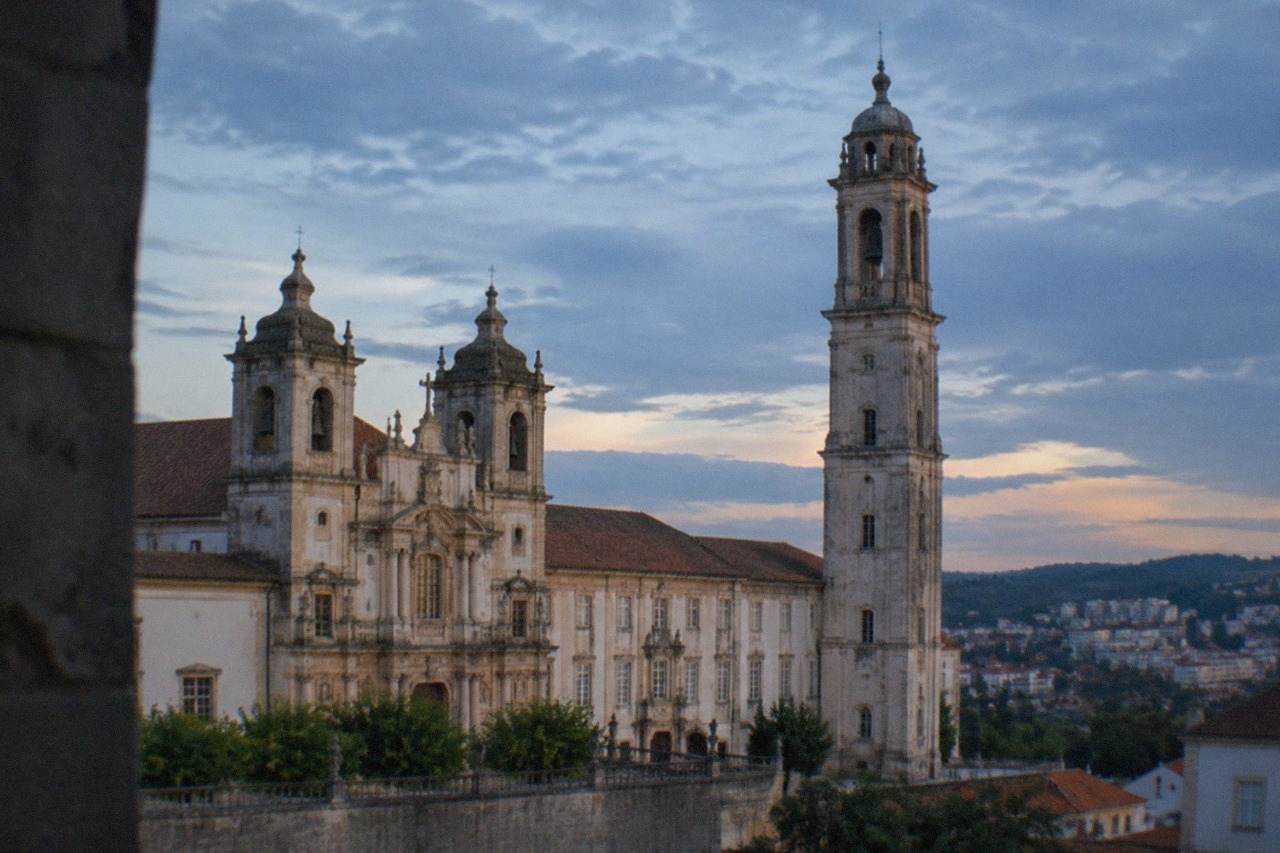
The Mosteiro de Santa Cruz in Coimbra, Portugal, sits at the bottom of the old town, a few steps from the Praça do Comércio, and it holds something no other church in the country can claim: the tombs of Portugal's first two kings. Most visitors walk straight past it on their way up to the university hill, which is a mistake, because the monastery's sacristy, cloister and chapter room are among the finest rooms in the city and the published entry price is one of the smallest on any monument here. The parish body that runs it, the Unidade Pastoral Aeminium, publishes a full price list and visiting schedule, so almost everything on this page can be stated with certainty rather than guesswork.
What Is the Mosteiro de Santa Cruz in Coimbra, Portugal?
The Mosteiro de Santa Cruz is the burial church of Portugal's first two kings, Afonso Henriques and Sancho I, and one of the country's most significant monastic monuments, located in the Baixa, the lower old town of Coimbra, Portugal. It is run today by the Unidade Pastoral Aeminium, the same parish body that manages the Sé Velha, and its visitable interior, the church, sacristy, cloister and chapter room, is open to the public on a published ticket.
The building's role as a royal pantheon is what sets it apart from every other church in the city, because no other church in Portugal holds the tombs of the first two kings of the dynasty that founded the nation.
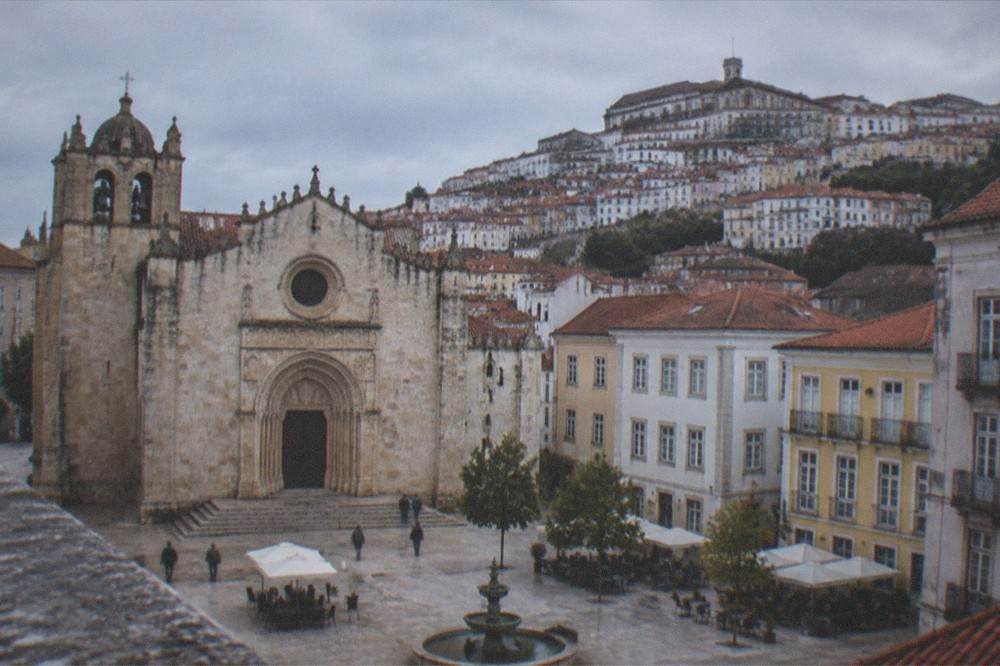
The monastery's position matters as much as its history. Coimbra is a city of two levels: the university hill above, inscribed by UNESCO in 2013 as "University of Coimbra, Alta and Sofia", and the riverside Baixa below. Santa Cruz anchors the lower town, which means it fits naturally at either end of a walking day. Start here in the morning before the climb, or finish here in the late afternoon when the day-trippers have gone.
A note on the UNESCO point, because almost every guide gets it wrong. The 2013 inscription covers the university hill and the college street of Rua da Sofia, not the city as a whole. Santa Cruz itself is not inside the inscribed property, and any source that calls Coimbra "a UNESCO World Heritage city" is stating something UNESCO's own listing does not say.
How Much do Mosteiro de Santa Cruz Tickets Cost?
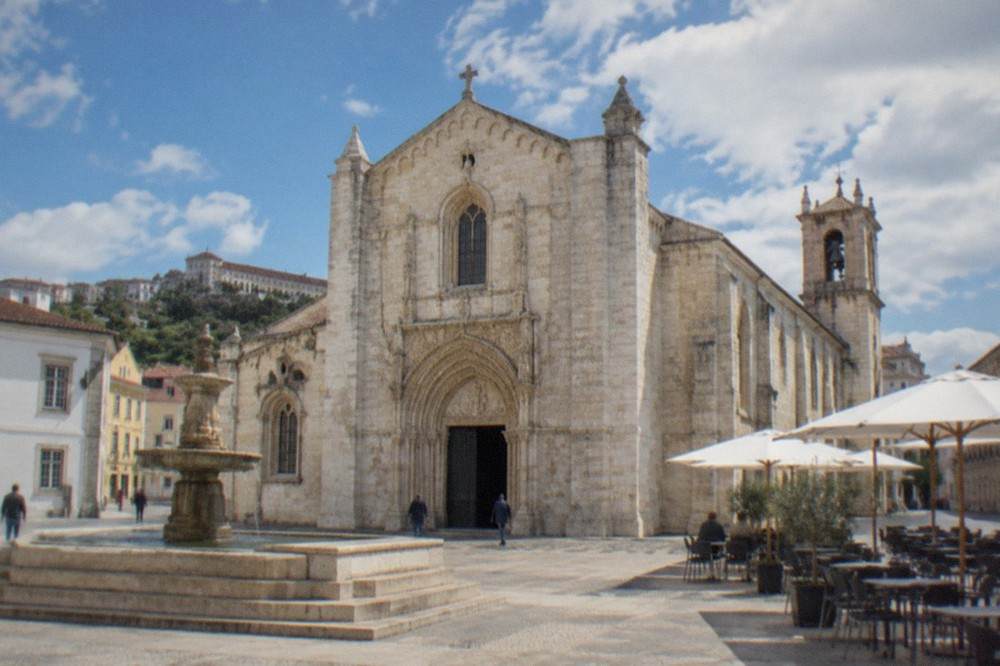
An individual adult ticket to the visitable parts of the Mosteiro de Santa Cruz costs 5.00 EUR per person, published by the Unidade Pastoral Aeminium, which manages the monument. Groups of 12 or more pay 3.50 EUR per person, or 4.00 EUR per person with an audioguide included. School groups pay 2.00 EUR per student, rising to 2.50 EUR with an audioguide, and a guided visit for groups over 20 with audioguide costs 6.00 EUR per person. These are the parish's own published rates, not estimates, and they cover the church's visitable areas, the sacristy, the cloister and the chapter room.
That price point is worth pausing on. The combined University of Coimbra ticket with the Joanina Library costs 16.50 EUR, and the Sé Velha charges 3.00 EUR per person. At 5.00 EUR, Santa Cruz sits between the two and delivers a set of rooms that, on sheer decoration, competes with anything on the hill. For a visitor building a budget, the monastery is one of the strongest value entries in the city.
| Ticket type | Price per person |
|---|---|
| Individual adult | 5.00 EUR |
| Group, 12 or more people | 3.50 EUR |
| Group of 12 or more, with audioguide | 4.00 EUR |
| School group, per student | 2.00 EUR |
| School group, per student, with audioguide | 2.50 EUR |
| Guided visit, groups over 20, with audioguide | 6.00 EUR |
The group rates deserve a line of explanation. The 12-person threshold is low enough that a large family travelling together may not reach it but two families sharing a guide easily might, and the audioguide increment of 0.50 EUR per person is small enough that the 4.00 EUR group-with-audioguide rate is usually the better choice for anyone who qualifies. If you are travelling solo or as a couple, the individual 5.00 EUR ticket is the only published rate that applies, and there is no published discount for students outside an organised school group, for seniors, or for children.
Payment is made at the monument. The parish publishes the rates on its own heritage pages, and because the same body runs the Sé Velha, the two price lists are consistent with each other and can be planned together. A morning that pairs the Sé Velha at 3.00 EUR with Santa Cruz at 5.00 EUR covers two of the most important religious interiors in central Portugal for a modest combined outlay.
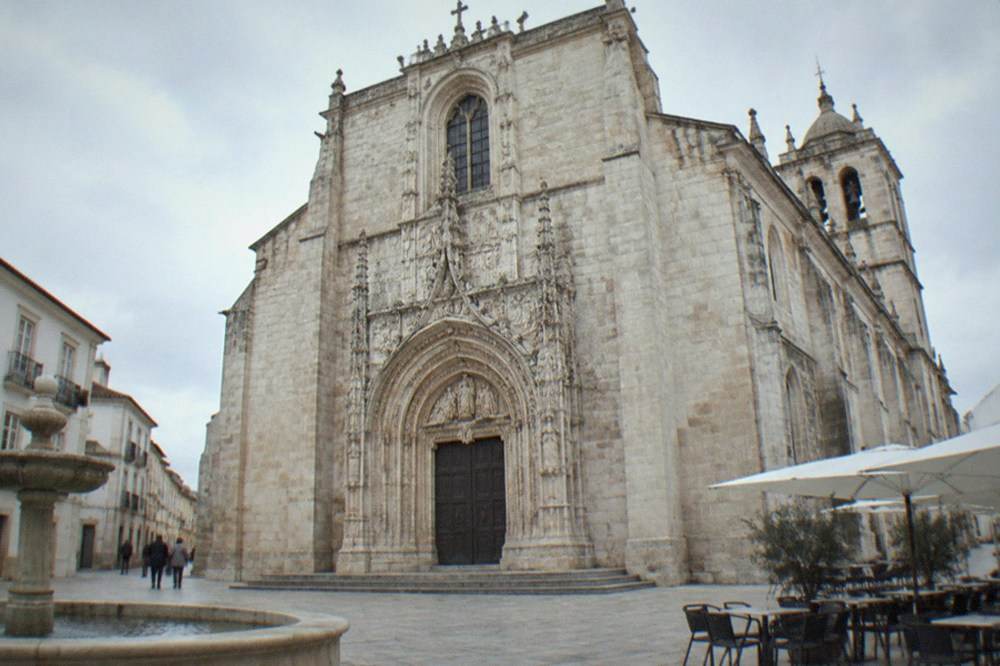
A guided walk is a good way to see Santa Cruz in context with everything above it, and the Coimbra Top Attractions Walking Tour covers the monastery alongside the old town and the university hill in one 2 hour 30 minute circuit. Check availability if that structure appeals.
When Is the Monastery Open, and When Is It Closed?
Visiting hours at the Mosteiro de Santa Cruz run from 09:30 to 16:30, with a separate schedule on Sundays and religious holidays that the parish publishes alongside the main hours. The monument closes entirely on specific dates through the year, and the two closures every visitor should know are Easter Sunday and the Sunday of the Cortejo da Queima das Fitas, the student parade that takes over the Baixa on a moveable Sunday in May.
On those days visits are suspended, not shortened, and no ticket gets you in.
The 09:30 opening is earlier than most monuments in the city, which makes Santa Cruz a natural first stop. The University's own spaces open at 09:00 in summer and 09:30 in winter, but the Joanina Library inside them works on timed slots, so a morning that begins at Santa Cruz at 09:30 and then climbs to the hill for a late-morning library slot is one of the most efficient sequences in Coimbra.
| Day type | Hours |
|---|---|
| Monday to Saturday | 09:30 to 16:30 |
| Sundays and religious holidays | Separate schedule, published by the parish |
| Easter Sunday | Visits suspended |
| Cortejo da Queima das Fitas (moveable Sunday in May) | Visits suspended |
The Queima closure deserves emphasis because it catches people out every year. The Cortejo is the parade of the city's student festival, and the University of Coimbra closes its own visitor circuit on 24 May in the current published cycle, which corroborates the late-May timing. The parade route runs through the lower town, and Santa Cruz suspends visits for the whole of that Sunday. If your trip falls in the second half of May, check the festival calendar before locking in a monastery morning, because the closure is total.
Who Is Buried in the Mosteiro de Santa Cruz?
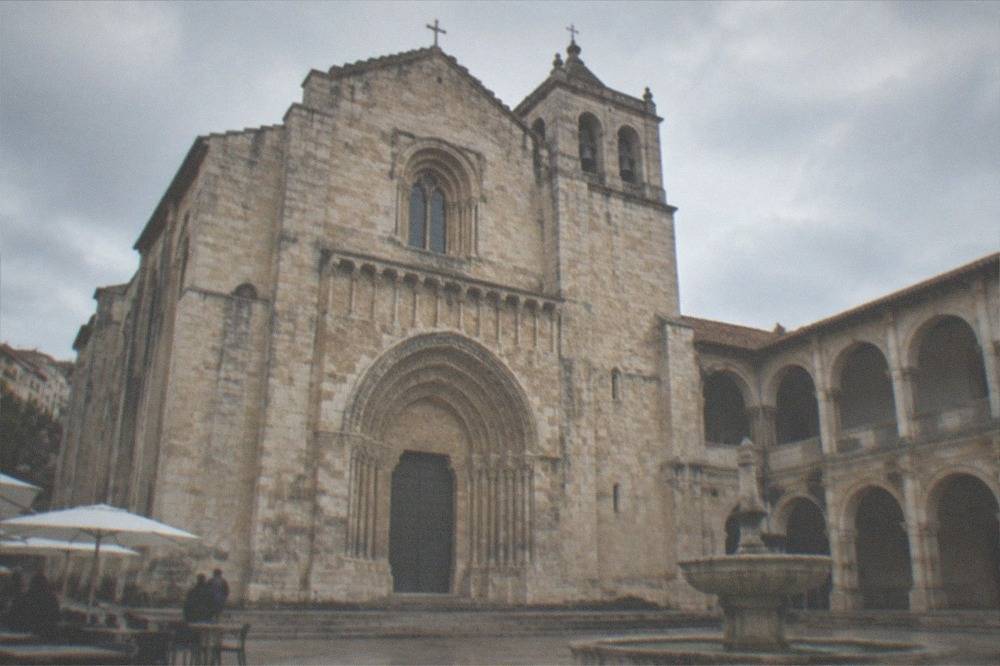
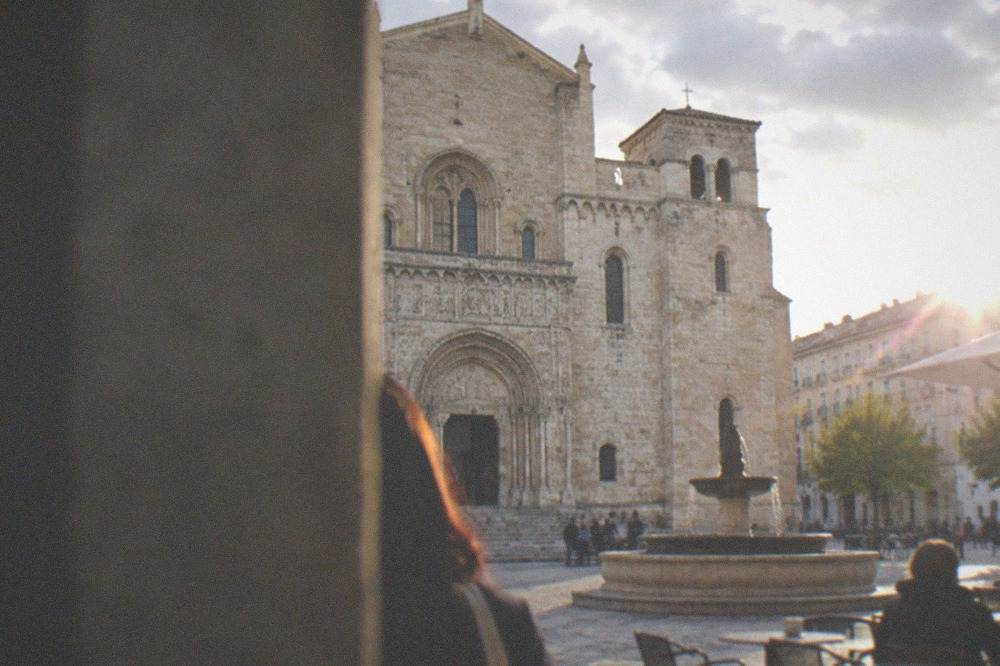
Portugal's first two kings, Afonso Henriques and his son Sancho I, are buried in the Mosteiro de Santa Cruz, which makes the church the founding dynasty's pantheon and the single most historically significant burial site in Coimbra, Portugal. Their tombs, elaborate carved monuments in the chancel, are the reason the monastery carries a weight that no other building in the lower town matches. Afonso Henriques was the first king of Portugal, and the presence of both royal tombs in one church is a claim no other Portuguese monument can make.
The tombs are the emotional centre of the visit, but they are also its architectural centrepiece. The carved stone work around them belongs to the finest tradition of Portuguese funerary sculpture, and the setting, a chancel rich with gilded carving, frames them as the monuments they were built to be. Visitors who come only for the famous library on the hill routinely report that the royal tombs were the surprise of their day.
The monarchy's connection to this building is not incidental. A church that held the remains of the first two kings was, by definition, a national monument centuries before that phrase existed, and the later remodelling of the interior in the baroque period treated the tombs accordingly, with everything around them built to honour them. The result is a church where the decoration and the history point at the same two monuments in the centre.
What do You Actually See Inside Santa Cruz?
The published ticket covers the church's visitable areas together with the sacristy, the cloister and the chapter room, a sequence of rooms that includes some of the richest baroque decoration in Coimbra, Portugal, and ends at the royal tombs in the chancel. The sacristy in particular is a complete work of art in its own right, and the cloister gives the visit a quiet architectural interlude between the decorated interiors. Nothing in the sequence is a roped-off glimpse: these are the monument's working spaces, opened room by room.
The order of the visit matters less than the fact that each space is distinct. The church is the public face, with the tombs as its climax. The sacristy is where the monastery's wealth was stored and administered, and its decoration reflects that. The cloister is the monastic heart, stone arches around open air, and the chapter room is the space where the community made its decisions. Four rooms, four functions, one ticket. More of these guides are collected on Coimbra Travel Guide.
| Space | What it holds |
|---|---|
| Church and chancel | Royal tombs of Afonso Henriques and Sancho I, gilded altars |
| Sacristy | Richly decorated sacristy, among the finest rooms in the city |
| Cloister | Stone arcaded cloister, the monastic heart of the building |
| Chapter room | The community's meeting space, part of the visitable circuit |
For context on what surrounds the monastery: the Machado de Castro museum a short way up the hill is closed for conservation work, with no reopening date published and no ticket price for the reopening, so it cannot be planned into a day even though its Roman cryptoporticus, a mid-1st-century structure beneath the building, is one of the city's most remarkable spaces. The Sé Velha, the Old Cathedral, is open and charges 3.00 EUR per person, and the Arco de Almedina gate on the climb between the two marks the medieval entrance to the upper town. Santa Cruz is the anchor at the bottom of that whole sequence.
How Does Santa Cruz Fit Into a Day in Coimbra?
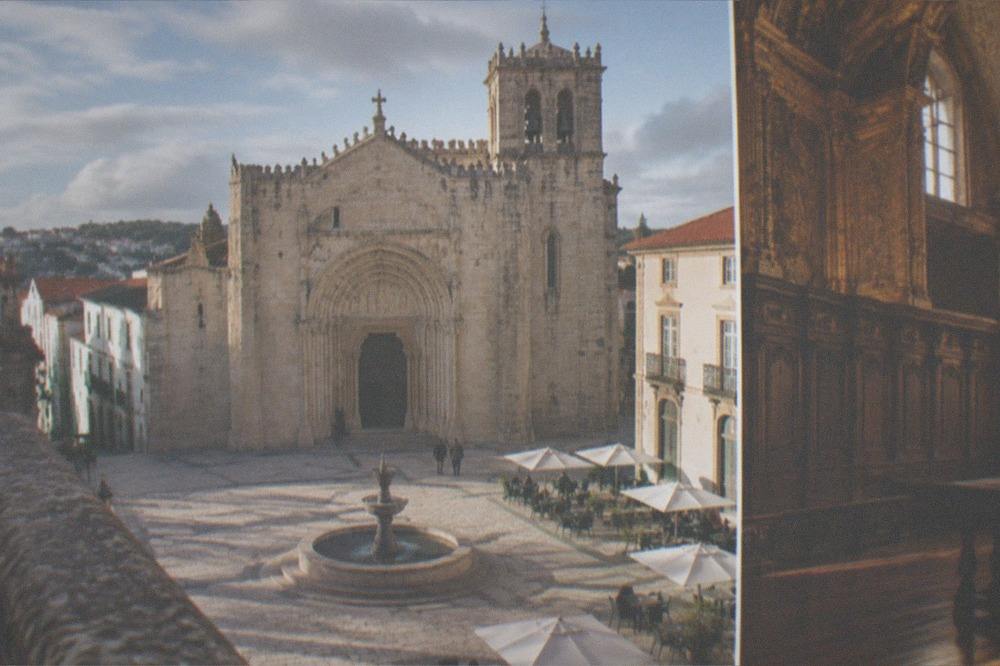
Santa Cruz works best as either the first stop of the morning, from its 09:30 opening, or the last stop after the university hill, because it sits in the Baixa at the foot of the climb, close to the Praça do Comércio, the old town's commercial heart in Coimbra, Portugal. Pairing it with the Sé Velha, 3.00 EUR, and the University's combined ticket, 16.50 EUR with the Joanina Library, gives a full day of monument visits at three separate published prices.
Its early opening makes the morning-first sequence the easier one to execute.
The geography is simple. The monastery is in the lower town. The university hill is above it, reached on foot through the Arco de Almedina and the steep lanes of the Alta upper town. A visitor who starts at Santa Cruz at 09:30 can be at the Sé Velha within the hour and on the hill by late morning, in time for a pre-booked Joanina slot. The library admits 50 people every 20 minutes and entry outside the printed slot is refused, so the hill is the part of the day that needs clockwork, not the monastery.
| Monument | Status | Entry cost |
|---|---|---|
| Mosteiro de Santa Cruz | Open, 09:30 to 16:30 | 5.00 EUR |
| Sé Velha de Coimbra | Open, summer 09:30 to 18:30, winter 09:30 to 17:30 | 3.00 EUR |
| University of Coimbra combined ticket | Open, timed Joanina slot required | 16.50 EUR |
| Museu Nacional de Machado de Castro | Closed for conservation work | No price published |
| Mosteiro de Santa Clara-a-Velha | Closed for works, check before you go | No price published |
Two neighbouring entries in that table need their caveats repeated. The Santa Clara-a-Velha monastery, across the river, has been closed for requalification works and publishes no current price or hours, so it belongs on a "check first" list, not an itinerary. The Machado de Castro museum's closure has no published end date. Everything else in the table is open and priced, and Santa Cruz is the cheapest of the open major monuments.
For the practical layer, the municipality publishes a tourist tax of 1.00 EUR per guest per overnight stay, capped at three consecutive nights, from age 16, paid to the accommodation at check-in or check-out. A two-euro rise was approved as a proposal in July 2026, but the published rate remains one euro until the municipality's own tax pages change it, so budget a euro per night, not two.
What Is Nearby Once You Leave the Monastery?
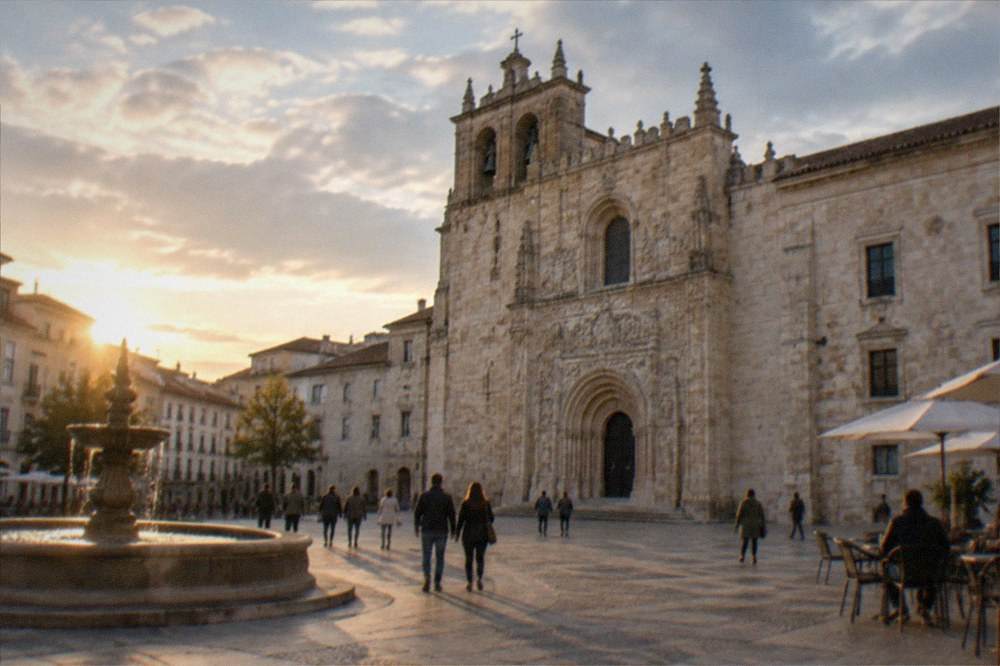
Within a few minutes' walk of Santa Cruz you reach the Praça do Comércio, the Arco de Almedina and the start of the climb to the university hill, plus a stretch of the Baixa in Coimbra, Portugal, that holds the city's historic cafés and its fado houses, so the monastery is the natural hinge of a walking day rather than a detour. Nothing around it requires transport, and the whole sequence, monastery to cathedral to hill, is done on foot.
The lower town is also where Coimbra's fado tradition lives. The city has its own style of fado, distinct from Lisbon's, tied to the student tradition of the cape and gown, and the fado houses of the Baixa are where it is performed; the fado de Coimbra guide covers the tradition and where to hear fado lists the venues. An evening of fado after a morning of monuments is the classic Coimbra day, and Santa Cruz sits at the centre of both halves.
For visitors with more time, the river is close below the monastery, with the Parque Verde do Mondego riverside park on the opposite bank, and the wider list of things to do in Coimbra extends outward from there to the Joanina Library, the Quinta das Lágrimas and the Botanical Garden. But the monastery's immediate neighbourhood is complete in itself: church, square, cafés, fado, all within a five-minute radius.
Should You Visit Santa Cruz or the University First?
Start at Santa Cruz if you can, because it opens at 09:30, charges no timed slot and never sells out, whereas the University's Joanina Library admits only 50 people every 20 minutes and refuses entry outside the printed slot, so the hill is the part of the day that should carry the booking and the clock. The monastery needs no reservation at individual rates, takes about an hour to see properly, and sits at the bottom of the climb, which makes it the ideal opening stop before the ascent.
The comparison is really about friction. Santa Cruz has almost none: arrive in the opening hour, buy a 5.00 EUR ticket, walk the rooms in order. The university has a lot: a 16.50 EUR combined ticket, a fixed library slot printed on the ticket, online purchase closing 20 minutes before the visit time, and closure dates including 24 May and 4 October in the current cycle. Doing the low-friction monument first protects the high-friction one, because if anything runs late in the morning you have lost nothing you could not reschedule.
| Planning factor | Santa Cruz | University hill |
|---|---|---|
| Individual ticket | 5.00 EUR | 16.50 EUR with Joanina Library |
| Reservation needed | No | Yes, timed Joanina slot |
| Entry limit | None published | 50 people every 20 minutes |
| Opening | 09:30 | 09:00 summer, 09:30 winter |
| Typical visit | About an hour | About 3 hours for the full ticket |
A guided option can remove the sequencing problem entirely. The Coimbra Top Attractions Walking Tour covers the monastery and the hill in one guided circuit, and for a deeper university visit the Coimbra: A Local's Tour of the University with skip-the-line access handles the hill's ticketing friction directly. Visitors staying several days often add the Convent of Christ at Tomar as a day trip, and all three options are listed in the tour bands above with live availability.
Common Questions About the Mosteiro de Santa Cruz
How much does it cost to visit the Mosteiro de Santa Cruz in Coimbra?
An individual ticket costs 5.00 EUR per person. Groups of 12 or more pay 3.50 EUR per person, or 4.00 EUR with an audioguide, school groups pay 2.00 EUR per student, or 2.50 EUR with an audioguide, and a guided visit for groups over 20 with audioguide costs 6.00 EUR per person.
What are the opening hours of the Mosteiro de Santa Cruz?
Visiting hours are 09:30 to 16:30, with a separate schedule on Sundays and religious holidays published by the Unidade Pastoral Aeminium, the parish body that runs the monument.
Who is buried in the Mosteiro de Santa Cruz?
Portugal's first two kings, Afonso Henriques and Sancho I. Their carved tombs stand in the chancel and make the church the founding dynasty's pantheon, a claim no other church in Portugal can make.
When is the Mosteiro de Santa Cruz closed?
Visits are suspended on Easter Sunday and on the Sunday of the Cortejo da Queima das Fitas, the student parade that fills the lower town on a moveable Sunday in May. On both days the closure is total, not a shortened schedule.
Do you need to book the Mosteiro de Santa Cruz in advance?
No reservation is published for individual visitors, and the 5.00 EUR individual ticket carries no timed slot. This contrasts with the University of Coimbra's Joanina Library, which admits 50 people every 20 minutes and refuses entry outside the printed slot.
What does the Santa Cruz ticket include?
The published ticket covers the church's visitable areas, the sacristy, the cloister and the chapter room, ending at the royal tombs in the chancel.
The Mosteiro de Santa Cruz is the rare monument that is simultaneously the most historically important building in Coimbra's lower town and one of the easiest to visit: a published 5.00 EUR ticket, a 09:30 opening, no timed slot, and a sequence of rooms that ends at the tombs of the first two kings of Portugal. Plan around the two suspended days, pair it with the Sé Velha and the university hill, and it will anchor the best day you can build in this city.