Where to Hear Fado de Coimbra
Fado de Coimbra is the male-voiced song of Portugal's oldest university city, sung in venues and as street serenades, and this guide separates what official sources confirm from what every visitor must check with the venue itself.
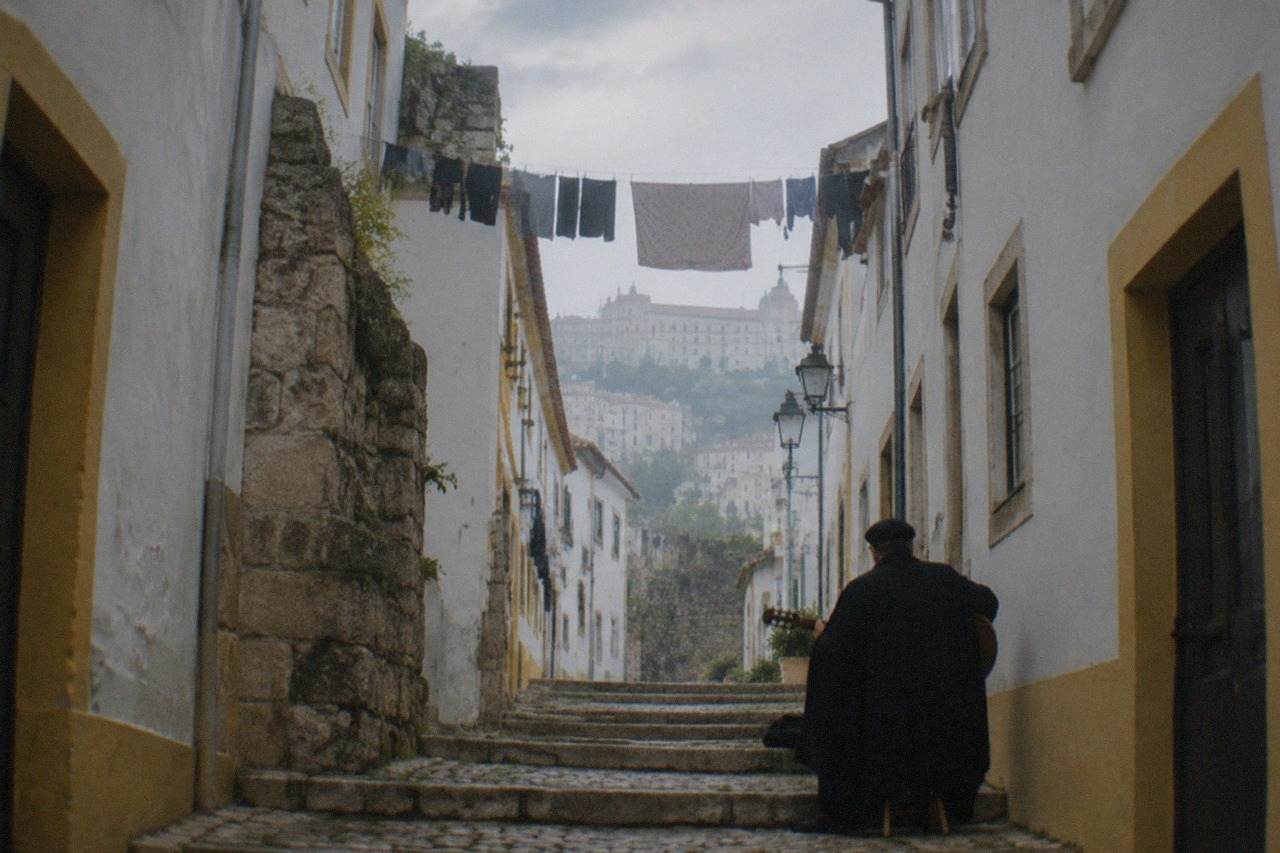
Short answer
Fado in Coimbra, Portugal is heard in small venues around the old town and Baixa, at student serenades, and at bookable shows; the best-documented option is a 50-minute live fado show with a glass of port wine, from $18 per person, rated 4.7 from 1,234 reviews.
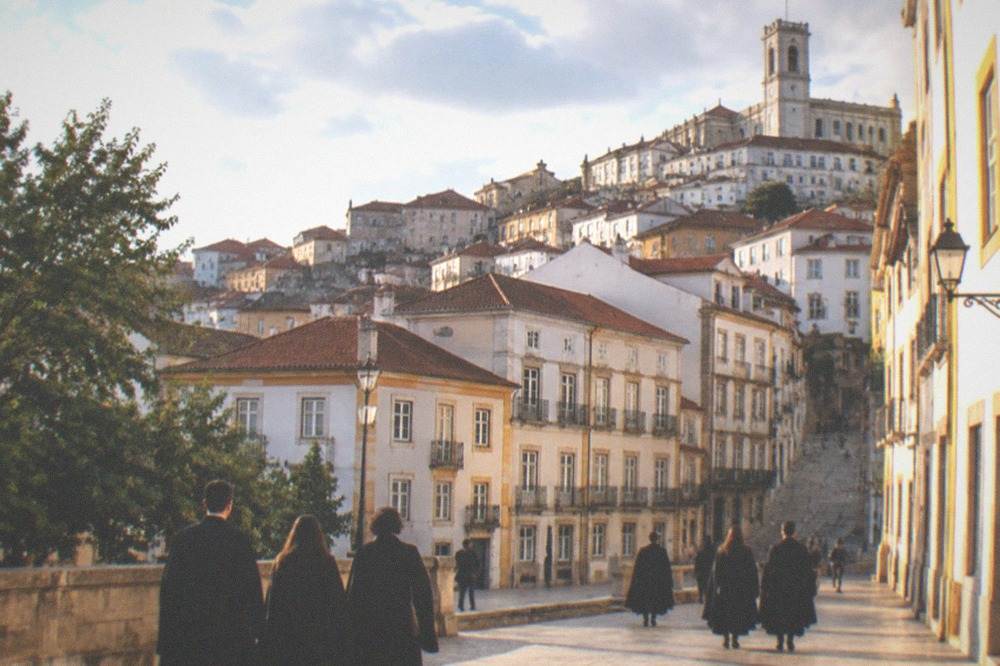
Fado de Coimbra is the song of the university city on the River Mondego in central Portugal, and it is not the fado most visitors arrive expecting. It is sung by men, it grew out of the student tradition of one of Europe's oldest universities, and it is associated with the black academic cape rather than the shawl of Lisbon. It is performed in venues, but it also lives outdoors, in serenades that still happen in the streets and squares of the old town. This page lays out what official and primary sources actually confirm about hearing it: how the form differs from Lisbon fado, what a ticket costs, when to come, and how to build an evening around a performance.
What Is Fado de Coimbra and How Does It Differ from Lisbon Fado?
Fado de Coimbra is a distinct regional style of Portuguese fado defined by four documented traits: it is sung by men, it grew out of the University of Coimbra's student tradition, it is associated with the black academic cape worn by students, and it is performed both inside venues and as street serenades. Lisbon fado is a separate tradition with its own singers, its own neighbourhoods and its own costume, and the two are not interchangeable despite sharing a name and a language.
The student connection is the whole key. Where Lisbon's fado grew from the alleys of Alfama and Mouraria, Coimbra's grew from the rituals of a university community, and the University of Coimbra publishes its current figure of about 31,000 students on its own homepage. The men who sang it historically were students or former students, and the cape they wore to sing is the same black capa worn in academic ceremonies and parades. That is why a Coimbra fado performance looks and sounds unlike anything in the capital: the posture is formal, the voice is male, and the guitar work sits behind the voice rather than around it.
The serenade matters as much as the stage. In Coimbra the tradition includes singing outdoors at night, historically under the windows of the city, and that open-air strand survives. A visitor can spend an evening in the upper town and hear fragments of the tradition without a ticket, a chair or a schedule, because part of the form was never indoors to begin with.
| Feature | What the documented record supports |
|---|---|
| Voices | Sung by men, historically drawn from the student community |
| Origin | The University of Coimbra's student tradition |
| Costume | The black academic cape associated with Coimbra students |
| Performance settings | Both ticketed venues and street serenades |
| Relationship to Lisbon fado | A separate regional tradition sharing the fado name, not a variant of it |
Readers who want the wider background can start with what a Portuguese fado actually is and with the site's longer guide to fado de Coimbra. The question of whether the genre is Portuguese or Spanish, or Portuguese or Brazilian, comes up constantly, and the short answer is always the same: fado is Portuguese, and Coimbra's version of it is the one tied to the university rather than to the port cities.
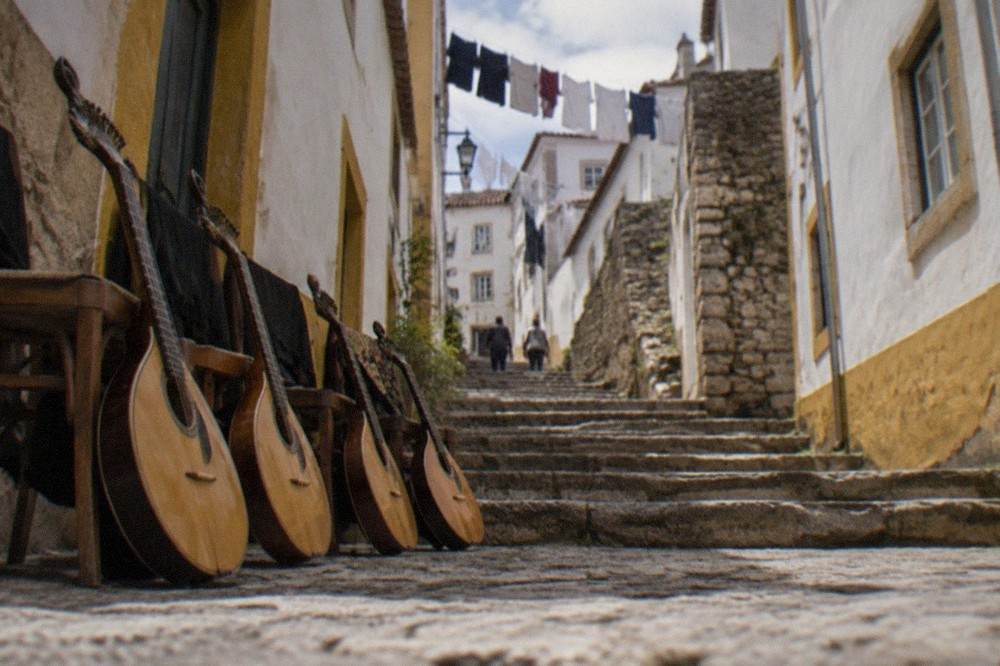
Where Can You Hear Fado in Coimbra, Portugal?
Fado is heard in Coimbra in three settings: small venues around the Baixa and the old town, bookable shows aimed at visitors, and student serenades in the open air, especially around the university hill and the upper town. No venue's show times, addresses, capacities or nightly schedules were verified for this page, so every operational detail must come from the venue itself.
The one performance whose numbers are documented is a 50-minute live fado show with a glass of port wine, from $18 per person, rated 4.7 from 1,234 reviews.
That distinction between settings and specifics is deliberate. This site's research verified what the form is, what the city is, and what the bookable products cost and how they are rated, but it could not verify a single fado house's door time or nightly programme. A guide that prints a schedule it has not checked is guessing, and in a city where performances shift with the academic calendar, a guess goes stale fast. The honest method is to treat the venue as the source: contact the house, read its own current page, or book a product whose terms are published on the operator's live listing.
The bookable show is the most reliable single option for a short visit. It runs 50 minutes, it includes a glass of port wine, and at from $18 per person it costs less than most dinners in the Baixa. The rating of 4.7 from 1,234 reviews makes it not just the best-documented fado product in the city but one of the most-reviewed experiences of any kind in this research, which is worth noting for anyone who books on evidence rather than on a recommendation from a stranger.
| Bookable experience | From (per person) | Rating | Reviews | Duration |
|---|---|---|---|---|
| Live fado show with glass of port wine | $18 | 4.7 | 1,234 | 50 minutes |
| Coimbra Top Attractions Walking Tour | $5.85 | 5 | 151 | 2 hours 30 minutes |
| Schist Villages of Lousã Mountain, half-day | $99.51 | 4.8 | 45 | 4 hours |
For visitors comparing cities, the site also answers where the best place to see fado in Portugal is. The short version for this page: Coimbra is the only place where the fado and the university are the same tradition, and that is the argument for hearing it here rather than in the capital.
The three options above cover the realistic shapes of a Coimbra evening: the fado show itself, a low-cost walk that ends near the fado quarter, and a half-day excursion for a longer stay. Each has its own page on this site with the full detail, and each can be checked against the operator's live listing before any money changes hands.
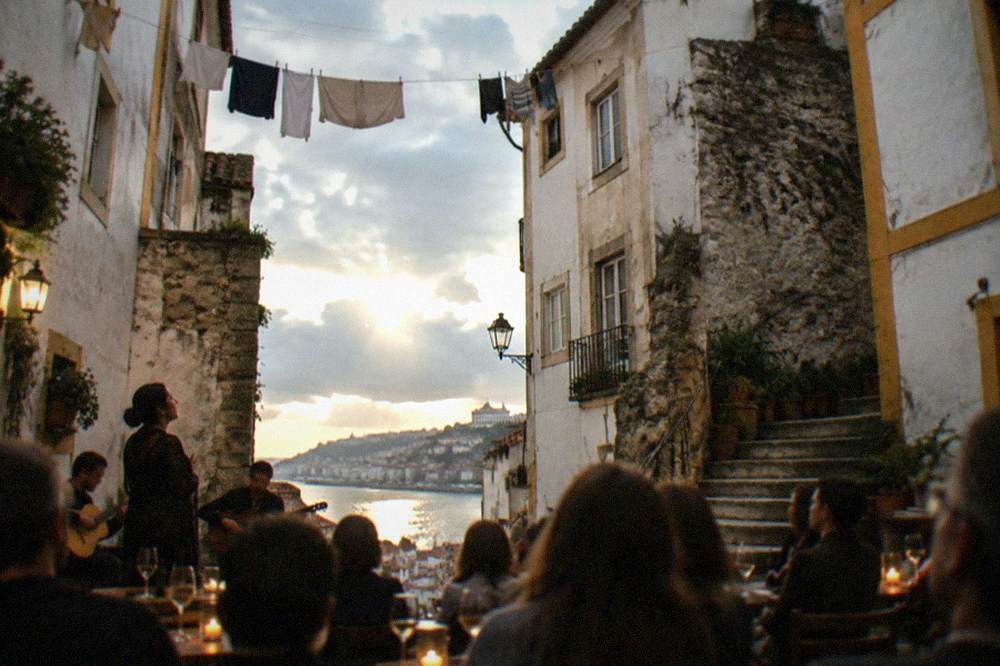
What Does "Fado ao Centro Coimbra" Actually Refer To?
"Fado ao centro coimbra" is a search phrase, not a verified venue listing: it is what people type when they want fado near the centre of Coimbra, Portugal, and it reliably returns results tied to the city's fado houses and bookable shows. What the phrase does not do is hand over a schedule. Nothing about any specific fado venue's times, prices, address or capacity was verified on this build, so the phrase should send you to the venue's own current information, not to a third party's copy of it.
The practical reading is this: the centre of Coimbra, the Baixa and the streets climbing toward the university is where the fado venues cluster, and that is what the search phrase captures. The Baixa is the low town between the river and the university hill, small enough that a venue "in the centre" is genuinely walkable from almost anywhere a visitor stays. The site's guide to the Baixa and downtown covers the district in detail, including how its streets relate to the hill above.
But the search phrase is where verification has to start, not end. A page that ranks for "fado ao centro coimbra" and prints a door time it has not checked is doing exactly what this site refuses to do. The research behind this article confirmed the form, the city and the bookable products, and explicitly did not confirm any venue's operations. So use the phrase to find the candidates, then let the venue, or the operator's live listing for a bookable show, tell you the time and the price. That is the difference between planning and hoping.
There is one more layer. Coimbra's fado calendar bends around the academic year, because the singers are drawn from the student and former-student community. A venue that runs steadily in October may run differently in the week of a major academic ceremony, and the University's own visitor information warns that religious, official and academic ceremonies overlap with and interrupt the normal tourist circuit. Any evening plan built around a specific house should be checked against that house's current page, in the week of the visit, not the month before.
When Is the Best Time of Year to Hear Fado in Coimbra?
The best time to hear fado in Coimbra is late spring and early autumn: May carries the student festivals that put the tradition on the streets, while September still averages a mean maximum of 27.4 C with only 49.9 mm of rain, warmer and only slightly wetter than June, according to IPMA's 1991 to 2020 normals for the Coimbra / Bencanta station. Late May brings closures, though: the University closes its visitor circuit on 24 May and the parade Sunday disrupts schedules.
The climate data deserves its reputation as the city's quiet advantage. IPMA's normals for the city's own station show August as the hottest month, not July, with a mean maximum of 29.1 C and 10.9 days above 30 C, and they show that the autumn rain holds off until October, when the monthly total jumps from 49.9 mm to 114.5 mm. September therefore sits in a sweet spot: the summer heat has peaked, the rain has not arrived, and the students have returned. November is the wettest month at 121.5 mm, and July, at 8.9 mm, is effectively dry.
| Month | Mean max (C) | Rain (mm) | Days with 1 mm+ rain |
|---|---|---|---|
| May | 23.3 | 64.7 | 8.5 |
| June | 26.3 | 26.0 | 3.7 |
| July | 28.5 | 8.9 | 1.7 |
| August | 29.1 | 14.8 | 2.2 |
| September | 27.4 | 49.9 | 5.2 |
| October | 23.2 | 114.5 | 10.3 |
The May picture is double-edged. The Queima das Fitas, the great student festival, falls in May, and it is the time when the fado tradition is most visibly alive in the streets. But it is also a time of closures: the University of Coimbra's own information page lists 24 May among the dates its visitor circuit closes, and the parish body that runs Mosteiro de Santa Cruz suspends visits on the Cortejo da Queima das Fitas, a moveable Sunday. The exact festival dates should be taken from the Associação Académica, because this build could not verify them from an official page. A visitor in late May gets the atmosphere and loses some access; a visitor in mid-September keeps both.
What Should You Wear and How Should You Behave at a Fado Show?
Wear something you would wear to a small concert in the evening rather than to a beach, and behave as you would in any performance where silence is part of the music: arrive before the start, keep conversation to the breaks between songs, and follow the house's lead on photography, because fado is traditionally listened to rather than talked over. No dress code for any Coimbra venue was verified, so treat this as concert etiquette rather than a house rule.
The clothing question is asked often enough that this site keeps a dedicated page on what to wear to a fado show. The honest summary is that nothing in this build's research verified a dress code for any Coimbra fado house, and the safe assumption is the one that works everywhere: smart-casual, comfortable, and warm enough for a late walk downhill afterward, because Coimbra's evenings cool quickly and the IPMA normals show even August averaging a minimum of 15.7 C.
Behaviour is where the tradition does have documented weight. Fado performance in Portugal carries a custom of quiet during the songs, and the Coimbra form, with its formal posture and its student ceremonial roots, leans further in that direction than most. The singing is unamplified or lightly amplified in small rooms, which means a single table's chatter carries. Arriving on time matters more here than in a larger venue, because a 50-minute show has no dead time to absorb latecomers, and the bookable fado product in this city is exactly that length.
The tipping question is answered in full on the tipping-at-a-fado-show page. What can be said here without overstepping the research is that a gratuity is never the price of admission: the bookable show's published price is the price, and anything beyond it is a personal choice, not a local obligation.
How Much Does It Cost to Hear Fado in Coimbra?
Hearing fado in Coimbra can cost nothing for a street serenade, or from $18 per person for the best-documented bookable show, a 50-minute live performance with a glass of port wine included. Around that core cost, a full evening carries a handful of verified figures: the tourist tax is 1.00 EUR per guest per night capped at three nights, an on-board city bus ticket is 2.00 EUR, and the major monuments on a pre-show walk charge 3.00 EUR at Sé Velha and 5.00 EUR at Mosteiro de Santa Cruz.
The show itself is the anchor, and its numbers are unusually solid for a live-music product: from $18 per person, rated 4.7 from 1,234 reviews, 50 minutes, port wine included. The price sits below a typical dinner, which is why the standard advice on this site is to book the show and let dinner fit around it rather than the reverse. Availability is the real constraint, not cost, and the operator's live listing is the place to check both at once.
The surrounding evening is cheap by the standards of European city breaks, and the figures below are the ones this site's research actually verified, each attached to the thing it prices. The tourist tax deserves a line of its own, because visitors consistently get it wrong: it is 1.00 EUR per guest per night, maximum three consecutive nights, from age 16, paid to the accommodation, and a two-euro rate was only a proposal approved in July 2026, not the amount anyone should expect to pay today.
| Item | Verified figure | What it buys |
|---|---|---|
| Tourist tax | 1.00 EUR per guest per night, max 3 nights | Paid at the accommodation, age 16 and up |
| SMTUC bus ticket, bought on board | 2.00 EUR | One trip, valid 90 minutes on the urban network |
| SMTUC pre-purchased trips | 0.90 EUR each, 3 or more | Cheaper per trip than the on-board fare |
| Sé Velha de Coimbra | 3.00 EUR individual | The Old Cathedral, 2.50 EUR in groups over 10 |
| Mosteiro de Santa Cruz | 5.00 EUR individual | The royal burial church, visits 09:30 to 16:30 |
| University of Coimbra combined ticket | 16.50 EUR adult | Joanina Library plus the palace spaces, valid 2 days |
One warning about the combined ticket, because it affects the pre-show part of the evening. The Joanina Library inside the 16.50 EUR ticket admits 50 people every 20 minutes, the time printed on the ticket is the library slot specifically, and entry outside that slot is refused. A visitor who buys the ticket for the afternoon and misses the slot has lost the library, not just delayed it. The site's University tickets guide covers the mechanics in full.
Can You Hear Fado in Coimbra Without Paying for a Ticket?
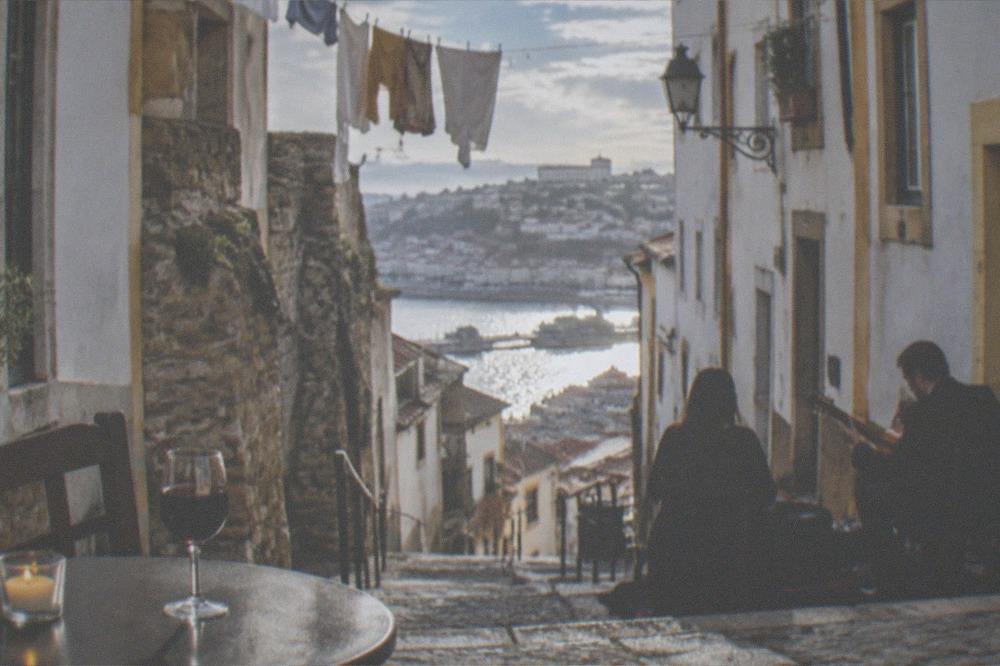
Yes, and the free strand is not a compromise but part of the tradition itself: fado de Coimbra has always included outdoor serenades sung in the streets and squares, historically at night and associated with the student community, so an evening walk through the old town can deliver the sound without a ticket. What cannot be promised is a time or a place, because no serenade schedule was or could be verified, and the student calendar, not a box office, decides when the streets fill with song.
The serenade is the form's other half. The documented tradition of Coimbra fado includes performances in the open air, tied to the same student culture that wears the black cape, and the moments when it surfaces are the moments when that culture is most visible: festival weeks, academic ceremonies, and warm nights when the students are in the city. The upper town around the university, the old gates on the lane down from the hill, and the streets below are the natural territory, because they are the territory of the tradition itself.
The realistic way to plan for it is to plan for the possibility, not the certainty. Spend the evening in the old town anyway, on a route that passes the chapel and the cathedral and down toward the river, and treat any singing heard on the way as what it is: the tradition happening in its own habitat, unpriced and unscheduled. Visitors who want the music guaranteed book the show; visitors who want the city as the students use it walk.
There is a calendar dimension too. May is the month of the student festivals, and it is the month when the tradition is most likely to spill into the streets, with the same caveat as before: the University closes its visitor circuit on 24 May, and the parade Sunday closes Santa Cruz, so late May trades monument access for street atmosphere. The trade is worth making for some visitors and not for others, and knowing the trade exists is the point.
How do You Build a Full Day Around a Fado Evening?
A solid fado day in Coimbra has three parts: a morning on the university hill with the 16.50 EUR combined ticket and a pre-booked Joanina slot, an afternoon walking down through the old town's monuments and the Baixa, and the fado show as the fixed evening anchor, with dinner before or after depending on the show time the operator confirms.
The walking between them costs nothing, the bus fallback is 2.00 EUR on board, and every figure in the plan is one this site verified from an official source.
The morning belongs to the hill. The University of Coimbra's combined ticket covers the Joanina Library, the Royal Palace, the São Miguel Chapel and the science spaces, is valid for two days except the fixed library slot, and the summer schedule runs 09:00 to 20:00, so the afternoon visitor is not shut out either. The tower, it should be said plainly, is closed: the University's own page states the facility is closed, so no plan should include a climb.
| Part of day | What to do | Verified anchor |
|---|---|---|
| Morning | University hill, Paço das Escolas and the Joanina Library | 16.50 EUR combined ticket, 50 people admitted every 20 minutes |
| Midday | Lunch in the Baixa, then the walk downhill | Sé Velha 3.00 EUR, Santa Cruz 5.00 EUR, both open daytime hours |
| Afternoon | Old town lanes, the Machado de Castro museum exterior, riverbank | Museum currently closed for conservation work, per its official page |
| Evening | Fado show with port wine, then dinner in the Baixa | From $18 per person, 50 minutes, rated 4.7 from 1,234 reviews |
The afternoon walk is where a guided option earns its keep, because the city's history is layered and the hills are real. The Coimbra Top Attractions Walking Tour covers the centre in 2 hours 30 minutes at from $5.85 per person, rated 5 from 151 reviews, which makes it one of the cheapest guided products in this city and a natural fit for the hours between the university and the show. Check availability if the day is fixed, because the low price does not mean empty seats.
Dinner is the flexible piece. The site's restaurant guide covers where to eat, and the only planning note that belongs on this page is timing: a 50-minute show does not stretch, so book dinner either well before it or comfortably after it, and let the venue's confirmed start time, not a guess, set the schedule. The Coimbra Travel Guide homepage carries the wider planning picture for anyone building more than one evening.
What If You Have More Than One Evening in Coimbra?
A second or third evening opens the door to the region around the city, and the best-documented half-day option is the Schist Villages of Lousã Mountain tour, from $99.51 per person, rated 4.8 from 45 reviews, running 4 hours out of Coimbra into the mountain villages that are the other great tradition of this part of central Portugal. It pairs naturally with a fado evening, because the tour runs by day and the show runs after dark, and a two-night stay covers both without hurry.
The schist villages are the inland counterpoint to the city: stone hamlets on the Lousã mountain, reached on a half-day tour that returns to Coimbra with the evening intact. The tour is a day trip, not a city activity, so it belongs on this page only as the answer to the multi-evening question, but the question is common enough to answer properly. The weather guide covers the seasons for it, and the same September logic that favours a fado evening favours a mountain afternoon.
The trio above is the full recommended set for a two-to-three-night stay: the fado show as the evening anchor, the walking tour as the daytime spine, and the schist villages as the regional excursion. Every price and rating comes from the tour roster this site verified, and every one of them can be checked against the operator's live listing before booking.
For travellers arriving from the two big gateways, the site's Porto to Coimbra guide and Lisbon to Coimbra guide cover the journeys in, and both work as day trips in, though a fado evening argues for staying the night. The tourist tax, at 1.00 EUR per guest per night capped at three nights, is the only per-night cost the city itself adds, and the municipality's own worked example is a couple staying seven nights paying 3.00 EUR each.
Common Questions About Fado in Coimbra
What is fado ao centro coimbra?
It is a search phrase for fado near the centre of Coimbra, Portugal, not a verified schedule or venue listing. The city's fado venues cluster in the Baixa and the old town, which is what the phrase captures, but no venue's show times, prices or addresses were verified for this page, so confirm every operational detail with the venue itself or with the operator's live listing for a bookable show.
How is Coimbra fado different from Lisbon fado?
Four documented traits separate them: Coimbra's fado is sung by men, it grew out of the University of Coimbra's student tradition, it is associated with the black academic cape, and it is performed both in venues and as street serenades. Lisbon fado is a separate tradition with its own singers and neighbourhoods, not a variant of the Coimbra form.
How much does a fado show in Coimbra cost?
The best-documented bookable show costs from $18 per person for a 50-minute live performance with a glass of port wine included, rated 4.7 from 1,234 reviews. Street serenades cost nothing when they happen, but no serenade schedule can be promised. Check the operator's live listing for current availability and terms.
When is the best month to hear fado in Coimbra?
May brings the student festivals that put the tradition in the streets, though late May carries closures: the University shuts its visitor circuit on 24 May and Santa Cruz suspends visits on the parade Sunday. September is the quiet alternative, with a mean maximum of 27.4 C and only 49.9 mm of rain per IPMA's 1991 to 2020 normals for the Coimbra / Bencanta station.
Can you hear fado in Coimbra for free?
Yes, when the tradition surfaces as an outdoor serenade, which is a documented part of the Coimbra form rather than a lucky accident. No time or place can be promised, because the student calendar decides, so the reliable method is to spend the evening walking the old town and book the 50-minute show if the music has to be guaranteed.
Do you need to book a fado show in Coimbra in advance?
For the bookable 50-minute show, advance booking is the sensible default, because the operator's live listing is the only place that shows current availability and the confirmed start time, and online purchase for the city's timed attractions generally closes shortly before each slot. For fado houses, the answer belongs to the venue, since no venue's capacity or walk-in policy was verified.
The tradition is the reason to come; the verified numbers are the reason this guide can be trusted. Book the show, walk the hill, keep the evening open, and let Coimbra, Portugal do the singing.