Elevador do Mercado: Coimbra's Hill Lift
Coimbra, Portugal, is a city built on a hill, and the Elevador do Mercado is the shortcut between the market streets of the Baixa and the upper town. This guide covers what it is, how the ticketing works under the 2026 SMTUC tariff, and how to fold it into a day of climbing between the two halves of the city.
Short answer
The Elevador do Mercado is a public funicular-style lift in Coimbra, Portugal, linking the lower Baixa district around the market with the upper city on the slope toward the university. It appears in the 2026 SMTUC tariff under a combined pass line with the Azul bus route, and SMTUC tickets are valid on both the city bus network and the new Metro Mondego network.
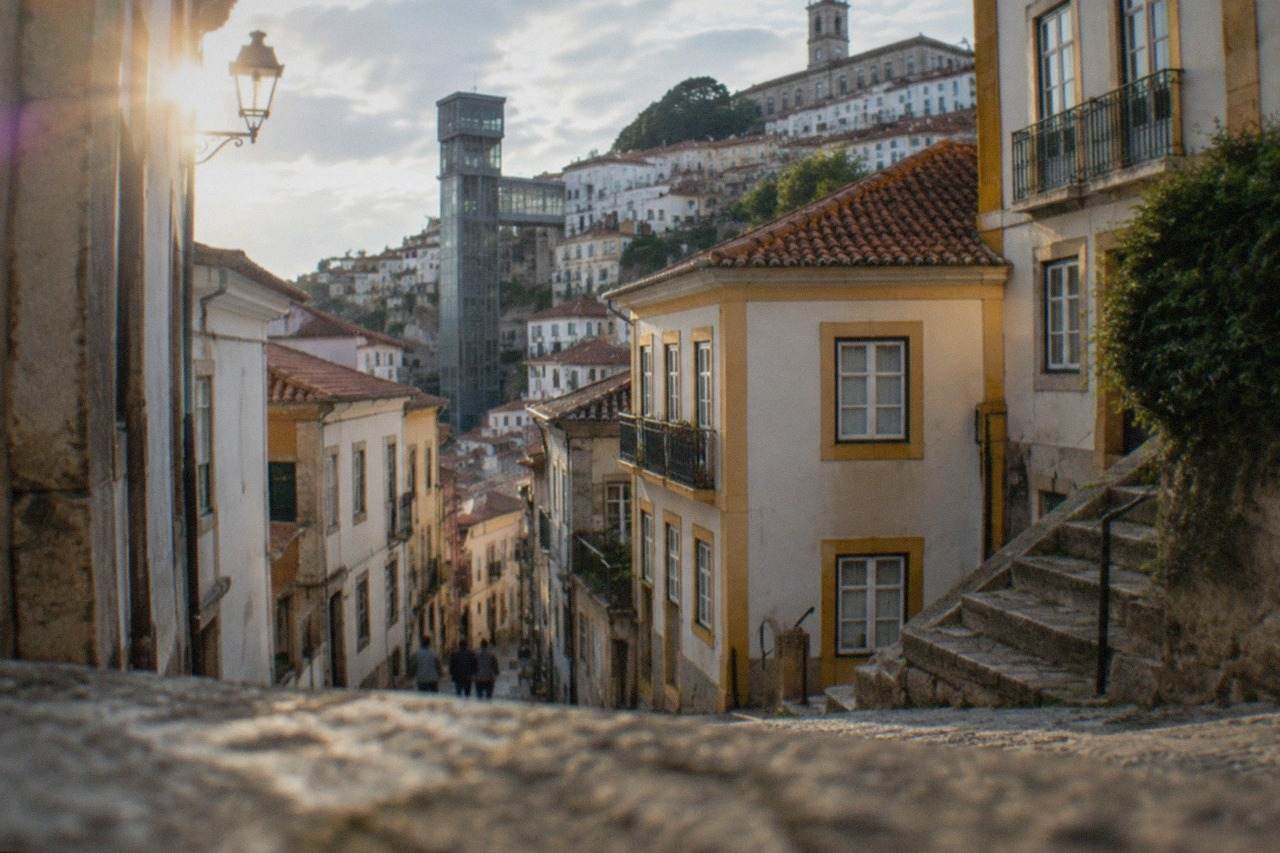
Coimbra, the university city on the River Mondego in central Portugal, is stacked vertically: a riverside lower town, the Baixa, and an upper town, the Alta, crowning the hill above it. The street that connects them is steep, cobbled and unforgiving in summer heat. The Elevador do Mercado exists precisely because of that slope. It is the city's public hill lift, named for the market area it serves below, and it appears in the 2026 SMTUC tariff alongside the Azul bus route under a combined-pass line, which makes it part of the ordinary public transport network rather than a tourist attraction with its own separate pricing. This guide, from the Coimbra Travel Guide editorial desk, sets out what the lift does, how the ticketing works, and how to plan a day around it without fighting the hill on foot both ways.
What Is the Elevador do Mercado in Coimbra, Portugal?
The Elevador do Mercado is a public lift in Coimbra, Portugal, that carries passengers between the lower town around the market and the upper city on the hillside, sparing them a steep climb on foot. It is not a private tourist ride: it appears in the 2026 SMTUC tariff under a combined line with the Azul route, which places it inside the city's ordinary public transport system, and the same tariff confirms that SMTUC titles are valid on both the bus network and the new Metro Mondego network.
That last point matters more than it first appears. Coimbra's public transport has been through a reorganisation in 2025 and 2026: the SMTUC occasional-ticket prices were restructured with effect from 1 January 2026, the Metro Mondego bus rapid transit network has been opening in stages, and intermodal passes valid on both networks went on sale in the spring of 2026. The tariff document in force since 1 April 2026 is the single authoritative statement of what a journey costs, and it is where the Elevador do Mercado is listed, in a combined-pass line reading "Elevador do Mercado / Linha Azul". The operator publishes its tariff and network information at smtuc.pt, and that is where any current operational detail, including running times and any service interruption, should be checked before a visit.
What this guide will not do is print a standalone single-ride price for the lift. The tariff does not give it one: it appears only inside the combined-pass line, and this site does not publish figures the source does not attach to the exact thing. What the tariff does give, clearly and in full, is the bus fare structure that surrounds the lift, and that is the practical information a visitor actually needs.
Where Does the Elevador do Mercado Connect in Coimbra?
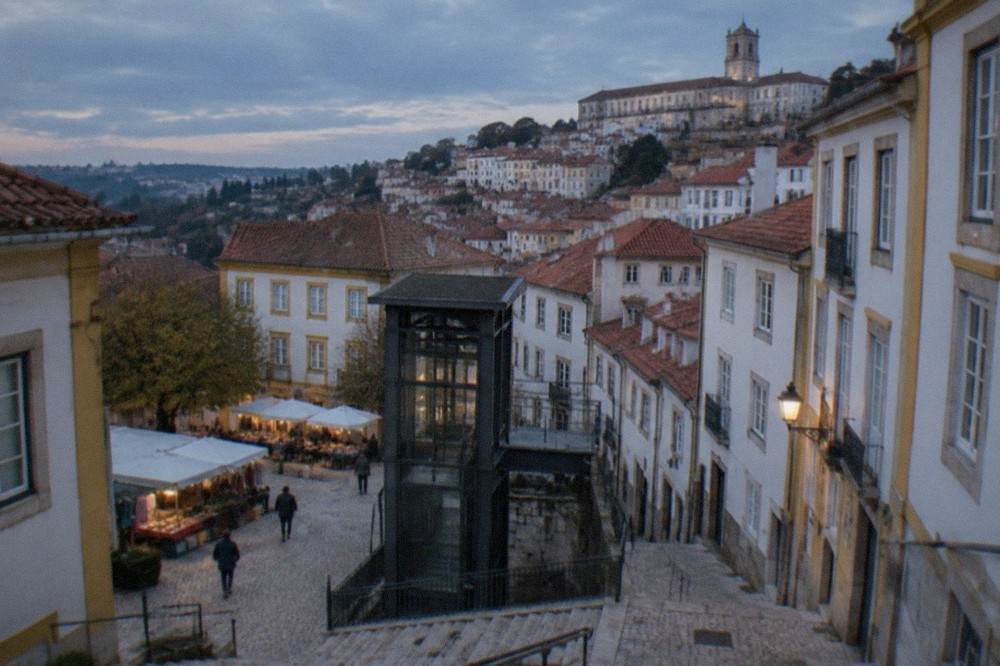
The lift runs between the Baixa, Coimbra's low riverside district around the market, and the upper town on the slope below the university hill, so it links the two halves of the city that visitors otherwise join on foot by a steep climb. The Baixa end sits in the market quarter of the lower town; the upper end delivers passengers into the streets that climb toward the Alta, from where the university hill is reached on a much gentler remaining walk.
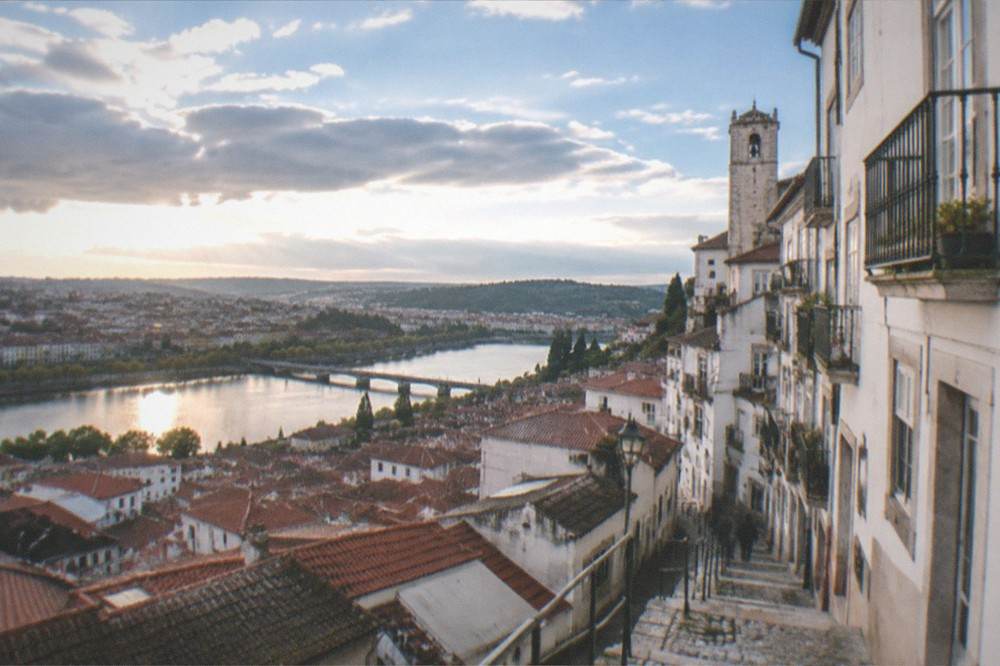
The geography is the whole story here. Coimbra's old town is a hill with the Mondego at its foot. The Baixa, the downtown district, holds the commercial streets, the market tradition that gives the lift its name, and the riverside green of the Parque Verde do Mondego. Above it, the Alta, the upper town, climbs to the university hill, where the Paço das Escolas, the Joanina Library and the city's famous viewpoints sit. Between the two runs a slope that is short in distance and long in effort, especially with summer temperatures: IPMA's 1991 to 2020 normals for the Coimbra / Bencanta station show August, the hottest month, averaging a mean maximum of 29.1 C and 10.9 days above 30 C.
A visitor planning the day on the city map should treat the lift as a one-way tool. Going up by lift and coming down on foot is the comfortable order: the descent through the old streets passes the Sé Velha and the Arco de Almedina, and gravity is then working for rather than against the itinerary. The reverse, climbing from the Baixa to the Alta on foot, is the journey the lift exists to spare.
For travellers who would rather have the whole climb, descent and scheduling handled by someone who does this daily, a guided walk is the alternative worth considering.
The Coimbra Top Attractions Walking Tour runs two and a half hours from $5.85 per person and is rated 5 from 151 reviews on the operator's live listing. It covers the principal sights of both the upper and lower town in a single loop, which is exactly the shape of route the hill makes awkward for an independent visitor to plan.
How Much Does It Cost to Ride the Elevador do Mercado?
The 2026 SMTUC tariff publishes no standalone single-ride price for the Elevador do Mercado, because the lift appears only inside a combined-pass line with the Azul bus route, so this site prints no number for it. What the tariff does confirm is the fare structure around it: a bus ticket bought from the driver costs 2.00 EUR, a pre-purchased ticket in a book of three or more works out at 0.90 EUR per trip, and one validation covers 90 minutes on the urban network with transfers included.
That fare table deserves a proper look, because almost every visitor to Coimbra will use SMTUC at least once even if they never set foot in the lift.
| SMTUC ticket (2026 tariff, in force since 01/04/2026) | Price | Notes |
|---|---|---|
| Single ticket from the driver, on board | 2.00 EUR | Bought on the vehicle |
| Pre-purchased ticket, book of 3 or more | 0.90 EUR per trip | Cheaper per journey |
| Validity of one trip | 90 minutes urban (90/120/150 by ring) | All transfers included within the window |
| MOVE-C support card | 3.00 EUR youth, 6.00 EUR others | Reusable card |
| Viagem ConVIDA support card | 0.50 EUR | For occasional and pre-purchased tickets |
| Large-family one-day ticket, 7 trips | 1.00 EUR | Specific family scheme |
| Fare evasion fine | 120.00 to 350.00 EUR | Enforced on the network |
Two warnings attach to this table. First, the tariff also lists occasional passes for one, three and seven days in a three-column grid, but the row-to-price mapping in the PDF was inferred from column order rather than read directly, so this site describes the day tickets without a number; the current figures are on the operator's own tariff document. Second, the intermodal heading is the genuinely fresh news: the tariff is headed "Títulos de Transporte Intermodais - Utilização SMTUC e Metro Mondego" and repeatedly marks titles valid on both networks, which is the official confirmation that a bus ticket also works on the new Metro Mondego bus rapid transit system now opening in stages across the city.
The lift, then, is best understood as a covered corner of that same ticketing universe. A visitor holding a valid SMTUC title is within the system the lift belongs to; the exact single-ride arrangement should be confirmed with SMTUC, which publishes its tariff at smtuc.pt.
How Does the Hill Lift Compare with Walking Up to the Alta?
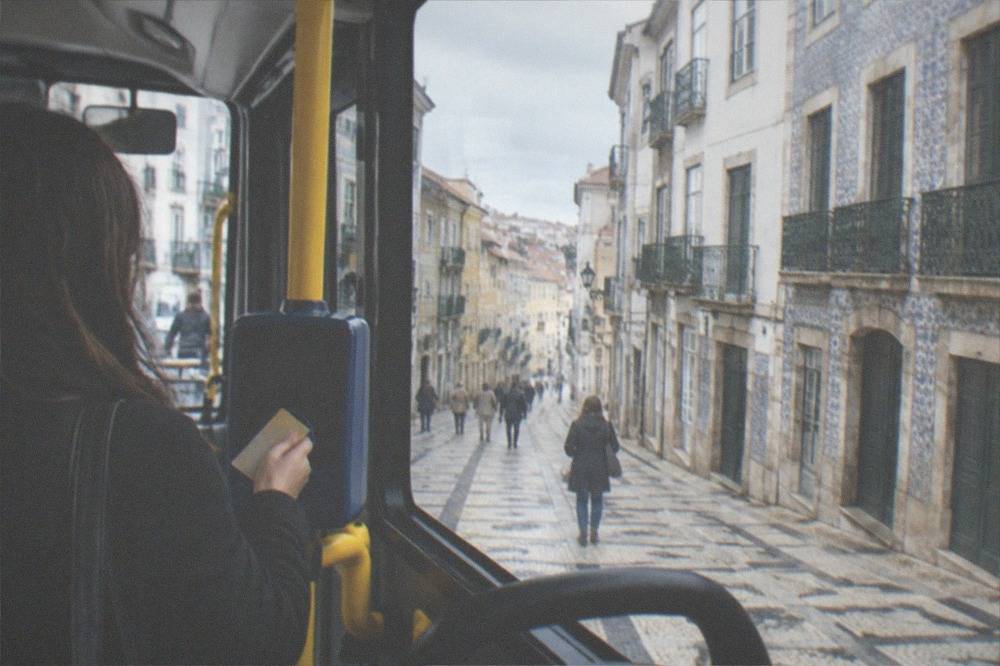
Walking from the Baixa to the Alta is a short, steep climb on cobbled streets that most visitors can manage in one go but that adds up over a full day of sightseeing, while the lift removes the steepest section entirely and leaves a gentler walk to the university hill. The trade-off is that the streets skipped by riding are among the city's most photographed, so the better plan is usually to ride up and walk down through the lane past the Sé Velha and the Arco de Almedina.
The honest framing is that Coimbra's hill is not extreme. This is not a funicular city like some alpine towns; the climb is a few minutes on foot and the lift saves effort rather than being the only route. But effort compounds. A day in Coimbra typically involves the university hill in the morning, the Baixa and riverside at midday, and the upper town again for the sunset views, and by the third ascent the hill makes itself felt. IPMA's normals put the practical ceiling on this: with 123.3 days a year reaching a maximum of 25 C or more at the city's own Bencanta station, a large share of visits happen in heat.
The lift also has a scheduling advantage that no walking route can match: it is part of the transport network, and the network's ticket is valid across it. A visitor arriving at one of the city's two train stations, a distinction covered in detail in the guide to Coimbra's A and B stations, can reach the Baixa by SMTUC bus and continue upward on the same ticketing system.
For the full picture of both halves of the city in one guided loop, the longer city walk is the strongest option on this site's roster.
Discovering the charms and places of Coimbra runs three to four hours from $52.68 per person and is rated 5 from 79 reviews on the operator's live listing. Its route spans the downtown, the historic centre and the university quarter, which makes it the natural choice for a visitor who wants the hill's contents without doing the hill's logistics alone.
What Sits at the Top and Bottom of the Lift?
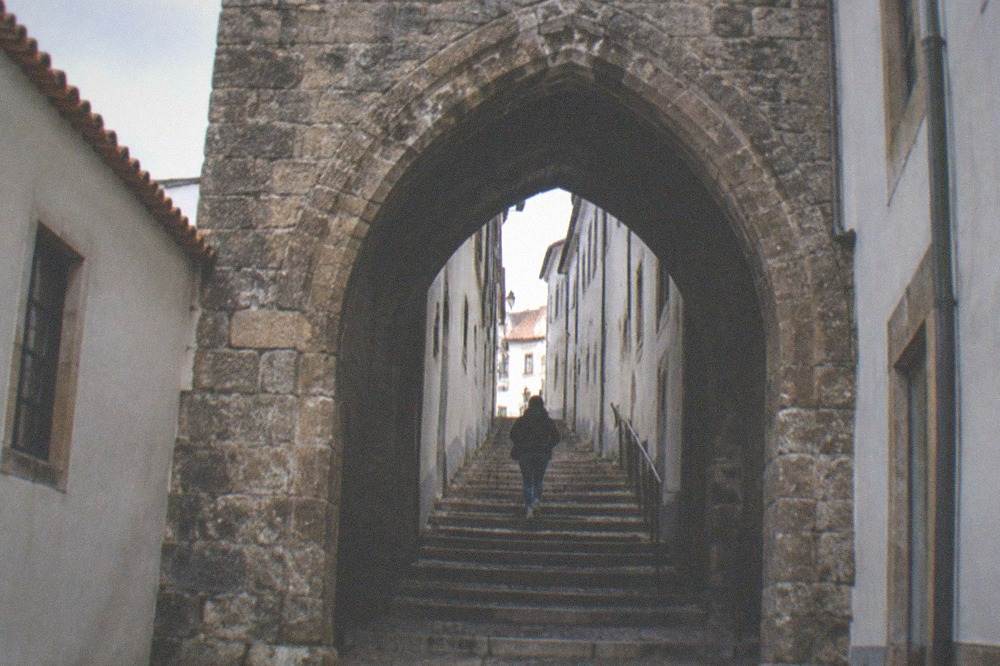
At the bottom, the lift serves the market quarter of the Baixa, Coimbra's low downtown with its commercial streets, historic cafés and the riverside park; at the top, it delivers passengers into the upper-town streets from which the university hill, the Paço das Escolas and the Joanina Library are a short further walk. Both ends are dense with sights, so the lift is less a ride between two points than a hinge between two full halves of a day's itinerary.
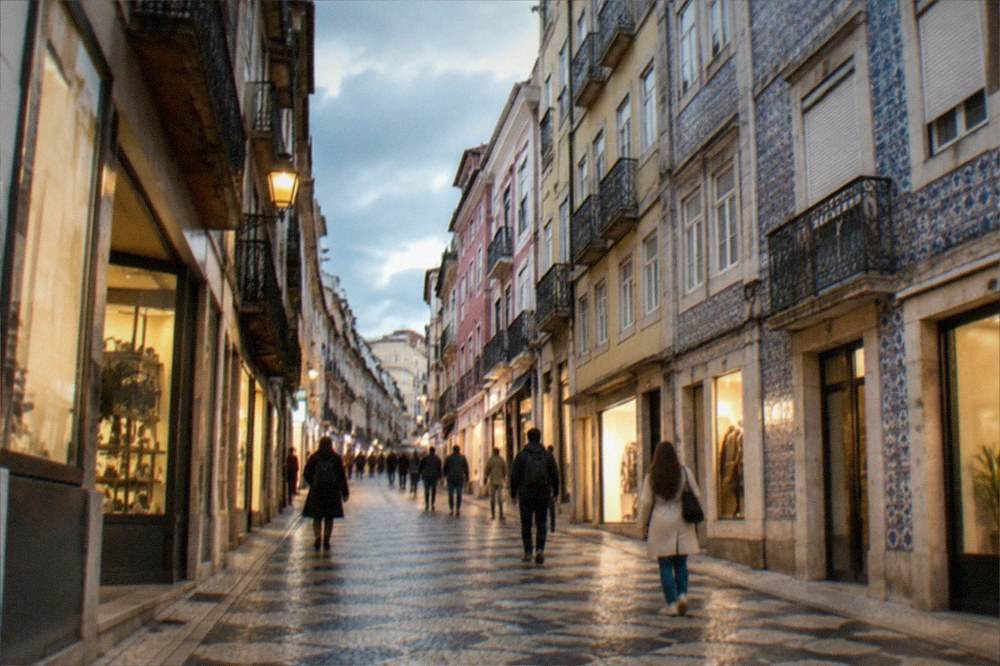
The lower end first. The Baixa is where Coimbra does its ordinary city life: the shopping streets, the historic cafés that carry the city's academic and literary past, the restaurants serving the regional cooking of the centre of Portugal, and the riverside Parque Verde do Mondego along the Mondego itself. It is also the flat part of the city, which makes it the sensible base for anyone with an eye on where to stay.
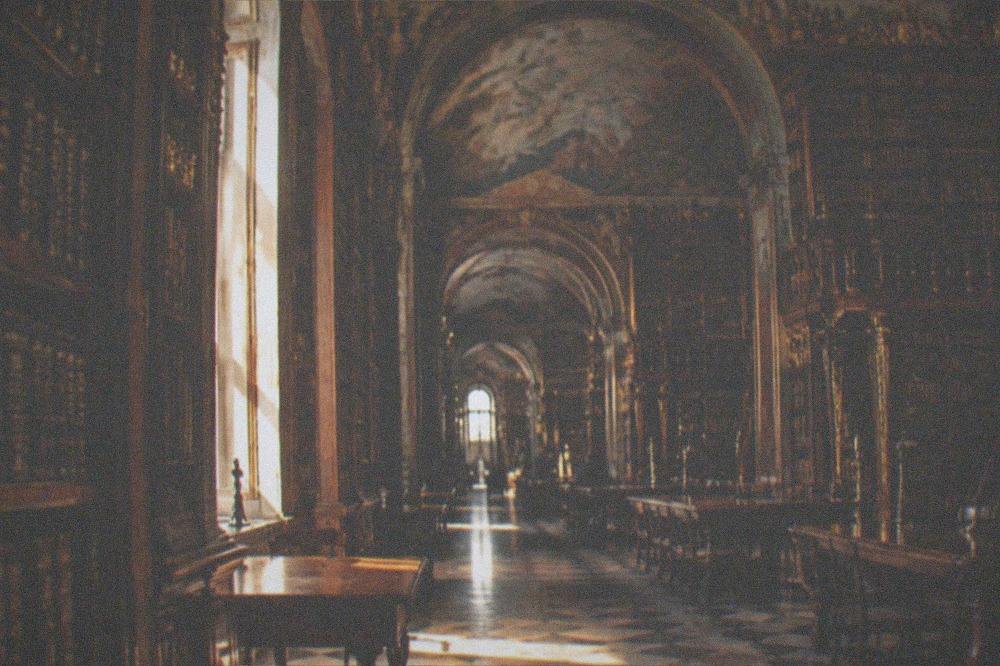
The upper end is where the monumental city lives. From the top of the lift the streets continue climbing to the university hill, where the University of Coimbra sells its visit programme through visit.uc.pt: the combined ticket covering the Joanina Library, the Royal Palace, St Michael's Chapel and the Science Museum spaces costs 16.50 EUR for an adult in the 2026 season, with the version excluding the Joanina Library at 12.50 EUR. The Joanina is the strict part of that ticket: the University's own programme page states entries are limited to 50 people every 20 minutes, the time printed on the ticket is the library slot specifically, and entry outside that slot is refused. Anyone planning the upper town around the lift should read the guide to Joanina Library tickets and the broader university ticketing guide before booking, because the slot, not the hill, is the real constraint on the day.
The monuments between the two ends, verified with their current published admissions, are these:
| Monument or site | Adult admission (verified) | Position relative to the lift |
|---|---|---|
| Sé Velha de Coimbra (Old Cathedral) | 3.00 EUR individual | On the climb between Baixa and Alta |
| Mosteiro de Santa Cruz | 5.00 EUR individual | In the Baixa, near the lower end |
| University of Coimbra combined ticket with Joanina Library | 16.50 EUR | University hill, above the upper end |
| University of Coimbra ticket without Joanina Library | 12.50 EUR | University hill, above the upper end |
| Museu Nacional de Conímbriga (museum and ruins) | 10.00 EUR | Roughly 16 km south, in Condeixa-a-Velha |
One correction worth making explicitly, because almost every competing guide gets it wrong: Coimbra is not a UNESCO World Heritage city. The inscribed property is "University of Coimbra - Alta and Sofia", list reference 1387, inscribed in 2013 under criteria (ii), (iv) and (vi), and it covers two components inside the old town: the university hill and the college street below. The Baixa and the riverside are not inside it. A visitor riding the lift crosses from the non-inscribed lower town toward the inscribed upper one, which is a neat way to remember the boundary.
What Is Closed or Unavailable in Coimbra Right Now?
Three things a 2026 visitor might expect to find open are not: the Museu Nacional de Machado de Castro is closed for conservation work, the University's clock tower is closed with no public access, and the Mosteiro de Santa Clara-a-Velha has been closed for requalification works since October 2025, so none of the three should be built into an itinerary without checking current status first. The lift itself is unaffected, but the list changes what is worth walking to at each end.
The details matter here because the sources are misleading in a specific way. The Machado de Castro museum's own page on the national museums portal states the closure twice, then prints a normal-looking "Tuesday to Sunday, 10:00 to 18:00" table below the closure line; that table describes the hours for when it reopens, not a current opening. The museum is built above a Roman cryptoporticus of the mid-1st century, and the closure covers the permanent exhibition. No reopening ticket price is published on an official page, so this site prints none.
The tower closure is stated just as bluntly: the University's own information page says "We regret to inform you that this facility is closed", while noting the tower's 184 steps and narrow passage. No climb is sold, and no price or hours exist to publish. Santa Clara-a-Velha, across the river, is the third: dated sources describe a full temporary closure from 20 October 2025 for requalification of the interpretation centre and exteriors, and the monument has no current page on the national museums portal. This site publishes no price or opening time for it, and advises checking before going.
| Site | 2026 status | What this site publishes |
|---|---|---|
| Museu Nacional de Machado de Castro | Closed for conservation work | Closure only; no reopening price, the 10.00 EUR figure in press is not official |
| Torre da Universidade | Closed, no public access | The University's own closure statement only |
| Mosteiro de Santa Clara-a-Velha | Closed for works since 20 October 2025 | No price, no hours; check before visiting |
| Elevador do Mercado | Listed in the 2026 SMTUC tariff | No standalone fare; check with SMTUC |
| Sé Velha de Coimbra | Open, 3.00 EUR | Verified admission and hours |
| Mosteiro de Santa Cruz | Open, 5.00 EUR | Verified admission; suspended on the Cortejo da Queima das Fitas |
The pattern to take from the table is that Coimbra's official sources are the only reliable ones, and this site's job is to point at them rather than to fill their gaps. The University's visit pages, the parish body that runs the cathedrals and Santa Cruz, the national museums portal and the SMTUC tariff are where a current price or opening time lives.
How do You Fit the Lift Into a Day in Coimbra?
A workable order is to start in the Baixa with Santa Cruz and the market quarter, ride the lift up when the climb would otherwise fall at the hottest hour, spend the middle of the day on the university hill inside a pre-booked Joanina slot, then walk down through the Sé Velha and the Arco de Almedina into the evening streets of the lower town. That shape uses the lift where it saves the most effort and keeps the descent on foot, where the city's most photogenic lane belongs.
The single most important booking decision comes first: the Joanina Library slot. Because entries are capped at 50 people every 20 minutes and online purchase closes 20 minutes before the visit time, the library slot should be fixed before anything else in the day is, and the rest of the itinerary built around it. The University's summer schedule runs 9:00 to 20:00 from 1 April to 30 September and the winter schedule 9:00 to 17:30 from 1 October to 31 March, with the whole visit programme closing on 24 May, 4 October, and the late-December and New Year dates.
A sample day on that skeleton, with the lift doing the heavy work:
| Time block | District | What to do | Hill direction |
|---|---|---|---|
| Morning | Baixa | Santa Cruz, the market quarter, a historic café | Flat |
| Late morning | Baixa to Alta | Ride the Elevador do Mercado up | Up by lift |
| Midday | University hill | Paço das Escolas, the Joanina slot, St Michael's Chapel | Top of the hill |
| Afternoon | Alta | Botanical Garden side, upper-town viewpoints | Level or gently down |
| Late afternoon | Alta to Baixa | Walk down past the Sé Velha and Arco de Almedina | Down on foot |
| Evening | Baixa | Dinner in the lower town, fado after | Flat |
The evening row deserves one specific pointer: Coimbra's fado is its own tradition, distinct from Lisbon's, and the guide to fado in Coimbra covers where it is sung and how an evening show works. The lower town is also where the city's pottery and ceramics tradition can be shopped before dinner.
For visitors arriving from Porto or Lisbon rather than staying overnight, the lift logic is the same but the clock is tighter. The Porto to Coimbra and Lisbon to Coimbra guides cover the journeys, and a day-tripper should book the earliest Joanina slot that works, because the 50-per-20-minutes ceiling does not care how far anyone travelled.
For travellers based in Porto, the combined full-day trip to Coimbra and Aveiro with a boat ride, from $114 per person and rated 4.7 from 106 reviews on the operator's live listing, handles both cities in one escorted day, though it trades the flexibility of a self-planned Joanina slot for the convenience of not planning one.
When Is the Best Time of Year to Use the Hill Lift?
The lift earns its keep most in the hot months, when IPMA's normals for the Coimbra / Bencanta station show August averaging 29.1 C mean maximum and 10.9 days above 30 C, and in the wet autumn, when November averages 121.5 mm of rain, the wettest month of the year. July is effectively dry at 8.9 mm, and September is the quiet-season sweet spot: hotter than June on the mean maximum, 27.4 C against 26.3 C, with only 49.9 mm of rain.
That September point runs against most visitors' instincts, so it is worth spelling out. The received idea is that the academic year restarting in autumn means the city is full and the weather is turning. The normals say the opposite about the weather: September in Coimbra is warmer than June and only marginally wetter, and the real rain does not arrive until October, when the monthly total more than doubles to 114.5 mm. The weather guide carries the full month-by-month breakdown from the same IPMA station, which is the city's own, 3 km from the centre, rather than a coastal proxy from the district, which reaches the Atlantic and has a different climate.
The monthly picture at a glance:
| Month | Mean max (C) | Rain (mm) | Days 1 mm+ | Hill-climbing verdict |
|---|---|---|---|---|
| May | 23.3 | 64.7 | 8.5 | Warm climb, lift useful in afternoon |
| June | 26.3 | 26.0 | 3.7 | Hot, lift recommended |
| July | 28.5 | 8.9 | 1.7 | Very hot and dry, lift strongly recommended |
| August | 29.1 | 14.8 | 2.2 | Hottest month, lift strongly recommended |
| September | 27.4 | 49.9 | 5.2 | Warm, crowds thinner, lift useful |
| October | 23.2 | 114.5 | 10.3 | Rain arrives, lift avoids wet cobbles |
| November | 18.0 | 121.5 | 11.5 | Wettest month, lift recommended |
One timing factor sits outside the climate table: the Queima das Fitas, the student festival that falls in May, closes parts of the normal tourist circuit. The University closes its visitor programme on 24 May, and Mosteiro de Santa Cruz suspends visits on the Cortejo da Queima das Fitas, a moveable Sunday. The exact festival dates are published by the Associação Académica, and a May visitor should check them against any planned itinerary before travelling.
Common Questions About the Elevador do Mercado in Coimbra
How Much Does the Elevador do Mercado Cost?
The 2026 SMTUC tariff does not publish a standalone single-ride price for the Elevador do Mercado, because the lift appears in the tariff only inside a combined-pass line with the Azul bus route, so no reliable figure exists to print. The surrounding fares are verified: 2.00 EUR for a bus ticket bought from the driver, 0.90 EUR per trip when pre-purchased in books of three or more, and 90 minutes of validity on the urban network with transfers included. The current arrangement for the lift itself should be confirmed with SMTUC, whose tariff is published at smtuc.pt.
Does a Normal Coimbra Bus Ticket Cover the Lift?
The lift is listed inside the SMTUC tariff alongside the Azul route under a combined-pass line, and the same tariff confirms that SMTUC transport titles are valid across the SMTUC bus network and the Metro Mondego network, so the lift sits inside the city's shared ticketing system rather than outside it. The exact single-ride arrangement is the one detail the tariff does not spell out, and SMTUC is the operator to ask. What is certain is that the intermodal principle runs through the whole 2026 tariff, which is headed "Títulos de Transporte Intermodais - Utilização SMTUC e Metro Mondego".
Is the Elevador do Mercado the Same as a Tourist Funicular?
No: the Elevador do Mercado is part of Coimbra's ordinary public transport network, listed in the SMTUC tariff rather than sold as a visitor attraction, which is why it has no separate tourist pricing and why the operator's tariff, not a ticket desk, is the source for its conditions of carriage. Tourist rides price themselves per journey and publish hours; municipal lifts appear in a tariff alongside bus routes. That distinction is also why this guide sends readers to SMTUC for anything operational rather than quoting a figure from a travel forum.
Can You Reach the University of Coimbra Using the Lift?
The lift's upper end puts passengers in the upper-town streets, from which the university hill is a further, gentler walk, so it removes the steepest section of the approach but does not deliver passengers to the Paço das Escolas itself. The remaining walk is the pleasant part: it passes through the Alta toward the university hill, where the combined ticket at 16.50 EUR covers the Joanina Library, Royal Palace, St Michael's Chapel and the Science Museum spaces, subject to the library's 50-people-per-20-minutes slot rule.
Is Coimbra Too Hilly for Visitors with Limited Mobility?
Coimbra's old town is genuinely steep between the Baixa and the Alta, and this build verified no accessibility ratings or step-free audits for any specific site, so no honest blanket claim can be made either way; what is certain is that the lift exists to bypass the steepest climb and that the lower town around the market is the flat half of the city. The practical advice is to base any stay in the Baixa, use the lift and bus network for the vertical journeys, and check the specific step-free situation of each monument with the venue itself before planning, since nothing in this site's research measures it.
Where do You Check Current Lift Running Times?
SMTUC, the municipal transport operator, publishes the tariff and network information at smtuc.pt, and that is the single place to confirm current running times, any service interruption and the exact ticketing arrangement for the lift, because none of those operational details was verified by this site's research. This guide deliberately prints no hours for the lift, no queue expectations and no engineering-works notes, because inventing any of them would be exactly the kind of confident error this site exists to avoid.
The Elevador do Mercado is, in the end, a small piece of infrastructure with an outsized role in a city whose whole shape is a hill: it turns the hardest ten minutes of a Coimbra day into a ride, it sits inside a 2026 ticketing system that now spans the buses and the new Metro Mondego network alike, and it marks the boundary between the lower town and the UNESCO-inscribed university hill above it. Check the operator's tariff for the fare detail, book the Joanina slot before anything else, and let the lift do the climbing.