Kayaking the Mondego from Penacova: A Coimbra, Portugal Day Trip on the Water
The Mondego is the river Coimbra, Portugal was built on, and upstream at Penacova it runs quieter, greener and far better suited to a paddle than the city stretch.
Short answer
Penacova sits upstream of Coimbra on the Mondego, and the river there is the calm-water paddling option closest to the city, with spring to early autumn the practical season.
Coimbra, Portugal, the university city on the River Mondego, owes its whole shape to the water that runs through it, and the best way to understand that river is to get on it. Downstream in the city the Mondego is wide, flanked by the Parque Verde do Mondego and busy with rowers and riverside walkers. Head upstream to Penacova, the hillside town on the same river inside the Coimbra district, and the character changes: the valley narrows, the banks turn wooded, and the current becomes the kind of flat, forgiving water that suits a kayak. This guide lays out how to plan a Mondego paddle from Penacova as a day trip from Coimbra, what the verified climate record says about when to go, what a guided trip covers, and what to combine with the drive. One honest note on scope: this site's verified research covers the river, the climate and the tour roster, but no verified operator details, launch points or rental prices for Penacova specifically, so nothing here invents them. What the pack does verify, it states plainly, and where you need to check with an operator, it says so.
Where Is Penacova and Why Paddle the Mondego There?
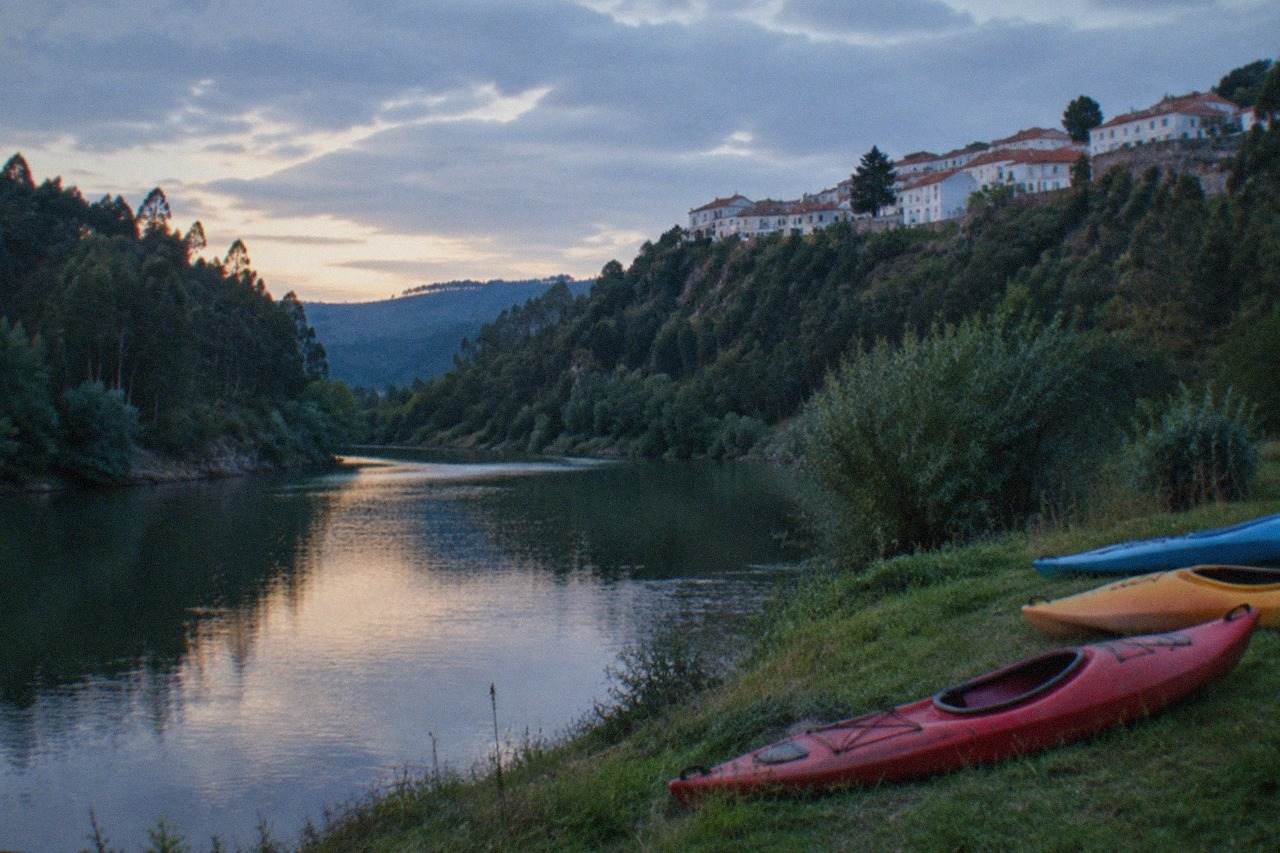
Penacova is a small town on the north bank of the Mondego upstream of Coimbra, in the municipality of the same name inside the Coimbra district of central Portugal, and it is the stretch of the river closest to the city where the water runs calm and the banks stay green rather than built-up. The district of Coimbra is a much larger thing than the city: it reaches the Atlantic and contains Figueira da Foz, 37 km west, while the city itself sits inland and touches no sea. Penacova belongs to that inland world. The Mondego flows from the hills through Penacova's valley and on down to Coimbra, which means a paddle there is a paddle on the same river the city stands on, just without the crowds, the campus and the climb back up the hill.
The geography matters for planning, because everything verified on this site is city-level or municipality-level and says so. The municipality of Coimbra recorded 698,151 overnight stays in 2025, its own published figure, and the overwhelming majority of those visitors never leave the old town. Penacova is the counter-move: a river day that costs you a short drive out and gives you the Mondego the way it looks before it becomes a city river.
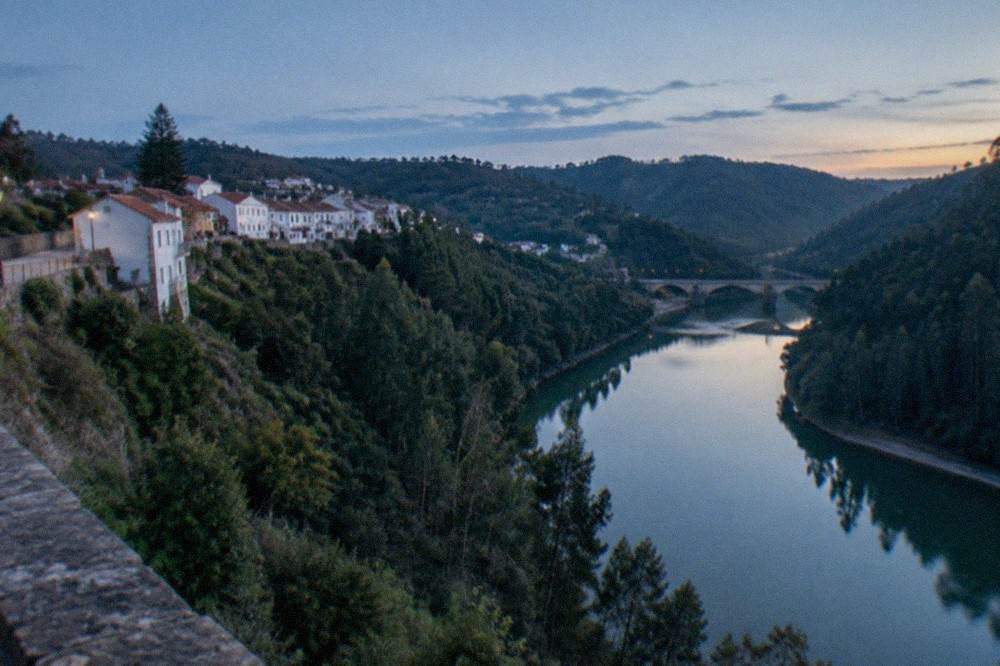
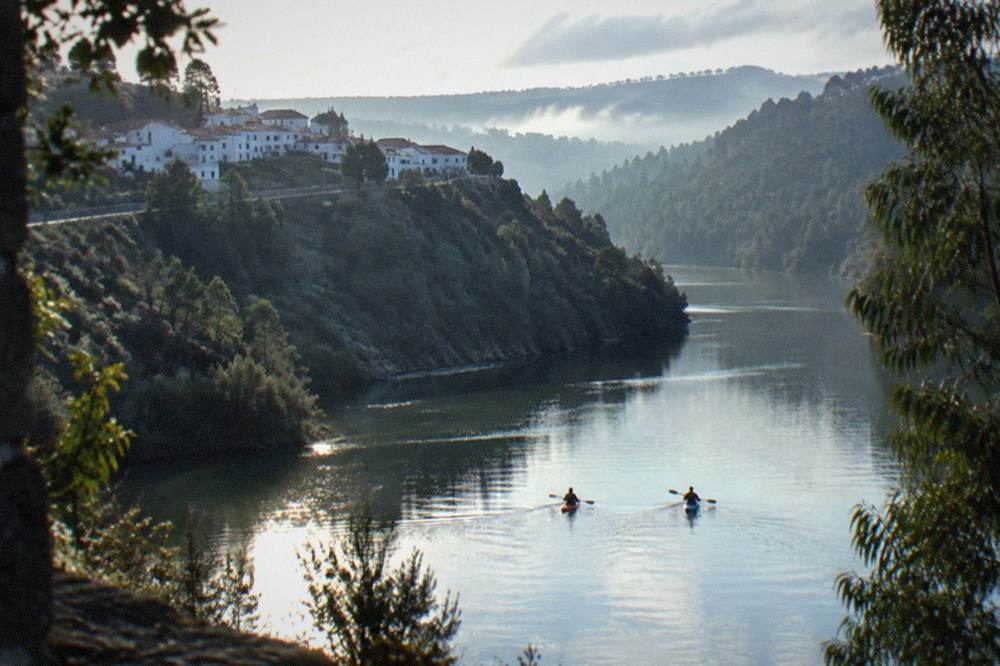
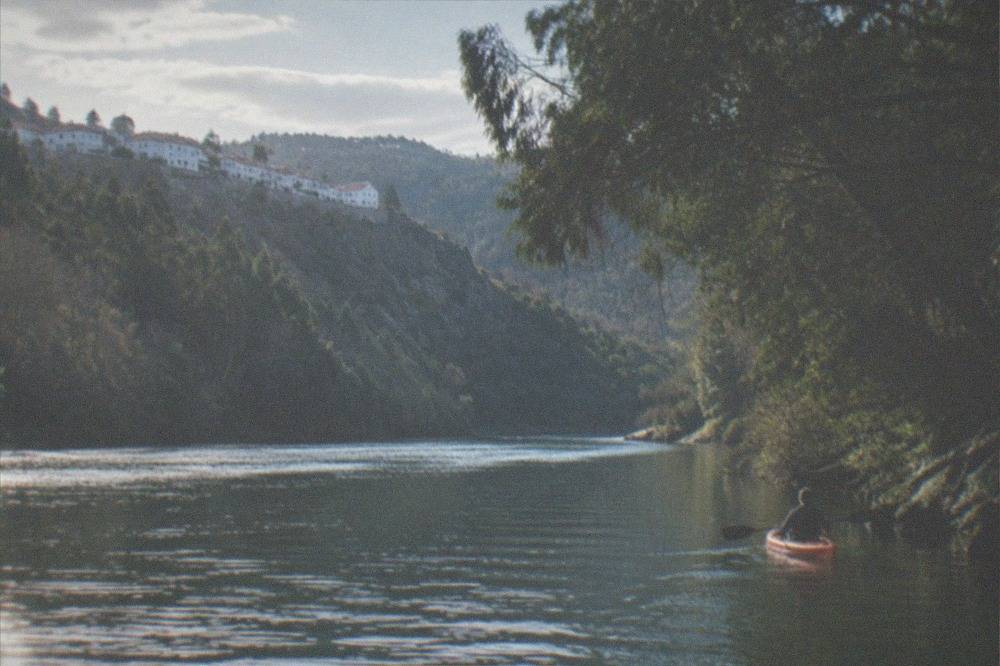
Why a kayak rather than a boat? On flat water a kayak is quiet, low to the surface and simple enough that a first-timer can steer within minutes. The Mondego at Penacova is not whitewater; it is a valley pool-and-glide river, and the appeal is drift, birdsong and the wooded gorge walls. For visitors who want the river experience with zero effort, there is also a traditional boat option back in Coimbra itself, the Barca Serrana trip, which is covered further down.
For a fuller picture of what the city itself offers on and around the water, see things to do in Coimbra, and for the riverside park in town, the Parque Verde do Mondego guide covers the downstream stretch. This page is part of Coimbra Travel Guide, and every figure on it comes from the site's verified research file.
When Is the Best Time of Year for Kayaking on the Mondego?
The practical paddling season runs from late spring to early autumn, and the verified climate record for Coimbra shows June, July and August as the driest and warmest months, with July effectively dry at 8.9 mm of rain, though September is the sleeper pick: its mean maximum of 27.4 C is actually higher than June's 26.3 C, and it still only averages 49.9 mm of rain. That September figure surprises people who assume the summer fades early, but IPMA's 1991 to 2020 normals for the Coimbra / Bencanta station, the city's own station 3 km from the centre, are unambiguous. What the same table also shows is that the autumn rain holds off until October, when the monthly total jumps from 49.9 mm to 114.5 mm, and November is the wettest month of the year at 121.5 mm.
| Month | Mean max (C) | Rain (mm) | Days with 1 mm+ rain | Verdict for paddling |
|---|---|---|---|---|
| April | 20.5 | 84.6 | 10.6 | Possible but showery |
| May | 23.3 | 64.7 | 8.5 | Good, water still high |
| June | 26.3 | 26.0 | 3.7 | Excellent |
| July | 28.5 | 8.9 | 1.7 | Excellent, hot ashore |
| August | 29.1 | 14.8 | 2.2 | Excellent, hottest month |
| September | 27.4 | 49.9 | 5.2 | Excellent, quieter |
| October | 23.2 | 114.5 | 10.3 | Unreliable |
Two cautions from the same verified record. August is the hottest month, not July, on both mean and mean maximum, and it averages 10.9 days above 30 C, so midday paddles in August are harder work than they look. And the record extremes at the same station run from 41.2 C on 7 August 2016 down to -4.3 C on 20 January 2017, a reminder that this valley swings hard in both directions and that a winter paddle is a different proposition entirely.
River levels are the one thing no climate table can tell you. A dry June means lower, slower water; a wet spring means higher, faster current in May. This site's research verified no river gauges or level forecasts for the Mondego at Penacova, so the rule is simple: whatever operator or rental you use, ask about current levels when you book, and again the day before. The Coimbra weather guide carries the month-by-month detail for the city, and the same station data underpins both pages.
What Should You Expect on the Water at Penacova?
Expect flat, slow-moving river water through a wooded valley, a trip that is beginner-friendly rather than adventurous, warm air and cool water in summer, and a total absence of verified detail on Penacova's launch points, operators or rental prices, because none of that was confirmed from a primary source for this site. That last clause is not a disclaimer for form's sake. This site publishes only what its verified research supports, and its research verified the river, the climate, the district geography and the tour roster, not Penacova's kayaking infrastructure. So this page tells you what the river is like, what the seasons do, and what a booked guided product covers, and it sends you to operators for the rest.
What can be said with confidence: the Mondego at this stretch is not a tidal river, it is not coastal water, and Coimbra is inland, so no beach, no salt and no swell figure into the day. The paddling itself is the gentle kind. You will get wet from the drip of the paddle rather than from rapids. Herons, kingfishers and the green tunnel of the valley banks are the standard scenery, and in high summer the shade of the valley is a genuine relief after Coimbra's exposed upper town.
For travellers who want the river without the drive, the verified alternative is a traditional boat trip in Coimbra itself. The Barca Serrana Traditional Boat Trip runs 50 minutes on the Mondego with city views, from $15 per person, rated 4.6 from 171 reviews on the operator's live listing. It is a different experience from a kayak, more seated and narrated, but it puts you on the same water with zero planning overhead, and it pairs naturally with a day that also covers the old town.
A second in-city option on the same water is the Mondego River Cruise with City Views, also 50 minutes, from $11 per person with a 4.2 rating from 43 reviews on the listing. Neither is a kayak trip, but both are the river, and both run from the city rather than requiring the Penacova drive.
Do You Need a Guide, or Can You Paddle the Mondego Independently?
For a first visit, a guided or operator-arranged paddle is the sensible default, because no rental operator, launch point, shuttle arrangement or price for independent kayaking at Penacova was verified from a primary source for this site, while guided water products in the wider Coimbra area are documented, reviewed and bookable. Independent paddling is not ruled out, and experienced kayakers with their own boats do use the river, but this page will not invent the practical details it could not verify: where to put in, what a shuttle costs, or how the return leg works. An operator answers those questions in one message.
The guided route has a second advantage that matters in this valley: water levels and conditions change with the season, and a local operator is the only source with current information. The IPMA normals tell you the climate pattern, not the state of the river on your Tuesday.
For travellers who want an active, guided day out of the city that is verified and bookable, the roster includes a soft canyoning trip on the river Ceira at Góis in the Serra da Lousã area: 4 hours 30 minutes, from $58.54 per person, rated 4.9 from 79 reviews. It is a different kind of water day, wetter and more physical, but it is the closest verified adrenaline product to a Mondego paddle, and it is run by an operator who supplies equipment and guide.
| Water-based option | Where | Duration | From (per person) | Rating on the listing |
|---|---|---|---|---|
| Barca Serrana Traditional Boat Trip | Coimbra city | 50 minutes | $15 | 4.6 from 171 reviews |
| Mondego River Cruise with City Views | Coimbra city | 50 minutes | $11 | 4.2 from 43 reviews |
| Soft Canyoning, river Ceira | Góis, Serra da Lousã area | 4h 30m | $58.54 | 4.9 from 79 reviews |
| Independent kayak at Penacova | Penacova | Your choice | Not verified | Not verified |
The honest gap in that table is deliberate. A competing guide would print a rental price and a launch-point name from memory or from a blog that visited once. This site's research standard is primary sources, and until an operator or the municipality publishes those details in a form this site can verify, the row stays marked as not verified.
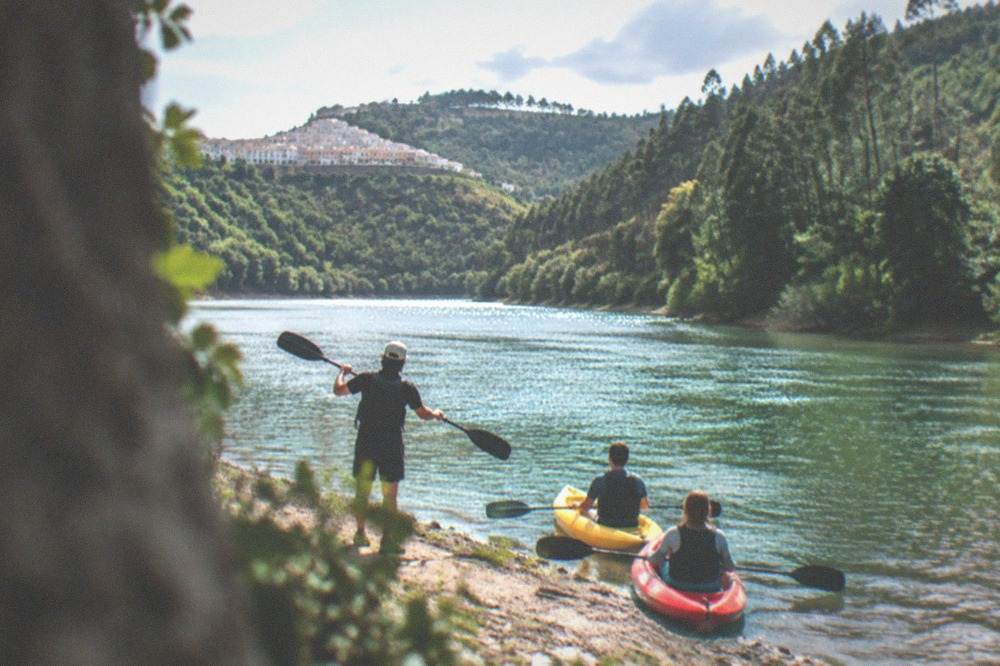
What Should You Pack for a Day Paddling Near Coimbra?
Pack for sun and water, in that order: the verified climate record shows 123.3 days per year reaching 25 C or more at the Coimbra station, with July and August averaging 26.1 and 28 such days respectively, so sunscreen, a hat, a dry bag and a change of clothes are the non-negotiables, with a windproof layer for anything outside June to September. The same record shows the rain is concentrated in autumn and winter, October through January each averaging over 110 mm, so outside the dry season the waterproof jacket stops being optional. Footwear that can get wet matters more than footwear that is comfortable, because riverbanks are mud and gravel.
| Item | Why | Season it matters most |
|---|---|---|
| Dry bag or waterproof case | Phones and keys do not float | All year |
| Sunscreen and hat | 123.3 days a year reach 25 C+ at the city station | April to September |
| Water, at least a litre each | Shade on the water hides the heat | June to September |
| Quick-dry clothes and a spare set | You will get wet, drips at minimum | All year |
| Windproof or light rain layer | Spring and autumn mornings are cool on water | October to May |
| Footwear that can get wet | Riverbanks are mud and gravel, not lawns | All year |
One Coimbra-specific note: the city is hilly, and Penacova is hillier still, so whatever you carry up and down from the river should be on your back, not in your hands. The site's attractions guide covers how the city's vertical layout shapes a day out, and the same logic applies to a river day with a climb at either end.
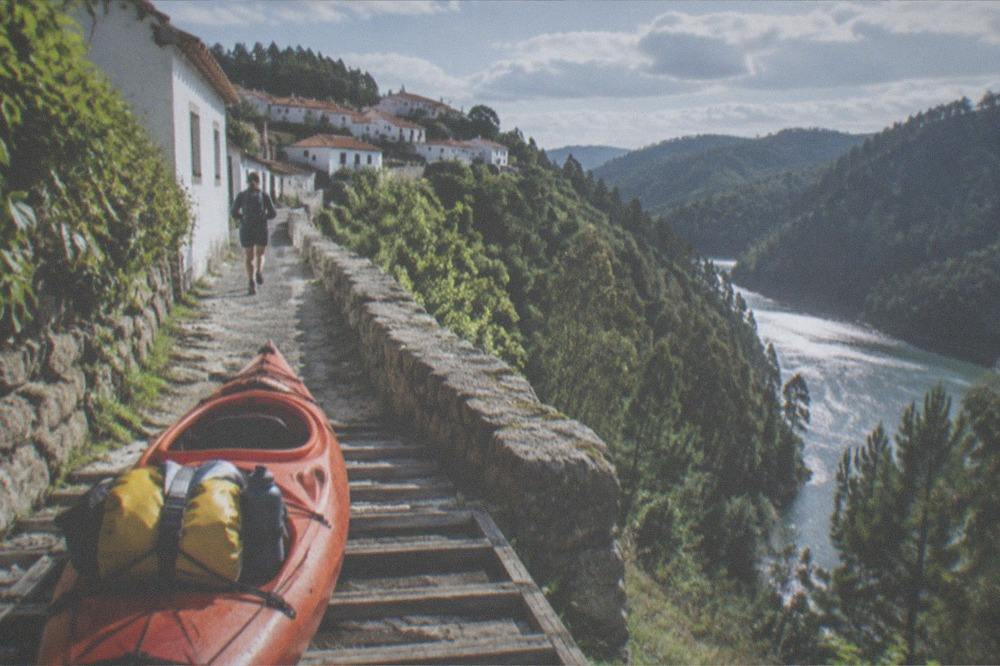
How do You Get from Coimbra to Penacova?
Penacova is reached from Coimbra by road, and the practical planning facts are these: the two stations of Coimbra-A and Coimbra-B exist in different places for rail arrivals into the city, SMTUC city bus tickets cost 2.00 EUR bought on board and 0.90 EUR per trip when pre-purchased in packs of three or more under the tariff in force since April 2026, and no verified bus route, frequency or fare for the Coimbra to Penacova run exists in this site's research. That last point means this page will not print a timetable or a fare for the specific connection. What it can do is give you the verified city-end facts and tell you where the gap is.
The SMTUC tariff is worth knowing even for a day trip, because the same 2026 tariff document is headed "intermodal titles, valid on the SMTUC and Metro Mondego networks", meaning a city bus ticket also works on the new Metro Mondego network that is opening in stages. One ticket, two networks, and the tariff in force is stamped 01/04/2026.
| Transport fact | Figure | Source status |
|---|---|---|
| SMTUC ticket bought on board | 2.00 EUR | Verified, 2026 tariff |
| SMTUC pre-purchased, 3+ trips | 0.90 EUR per trip | Verified, 2026 tariff |
| SMTUC ticket validity | 90 minutes on the urban network | Verified, 2026 tariff |
| SMTUC tickets on Metro Mondego | Valid on both networks | Verified, 2026 tariff |
| Coimbra to Penacova bus fare | Not verified | No primary source found |
| Driving time Coimbra to Penacova | Not verified | No acceptable source found |
The rail station distinction matters for anyone arriving into Coimbra from Lisbon or Porto before the Penacova leg. The two stations, Coimbra-A and Coimbra-B, are in different places, and which trains call at which is a question this site's research could not confirm from CP's own pages, so the answer is to check CP directly rather than trust a guide, including this one. The site's Porto to Coimbra guide covers the arrival end of that journey in full.
What Else Can You Combine with a Mondego Paddle Day?
The strongest pairings are the other inland day trips that share the same direction out of Coimbra: the schist villages of the Lousã mountain area, the Bussaco forest, and a long lunch on leitão da Bairrada country, all of which sit in the same inland belt as Penacova and none of which requires crossing into the coastal district. The Coimbra district reaches the Atlantic, and if you wanted beaches you would head the other way, but a paddle day is an inland day, and the inland options stack well.
| Pairing | What it is | Why it fits a paddle day |
|---|---|---|
| Schist villages of the Lousã area | Stone villages in the hills, several verified tours run there | Same inland direction, half-day tours of 3 to 4 hours exist |
| Bussaco forest | Walled forest and palace ground, a verified 4-hour tour from $87.81 | Morning paddle, afternoon forest |
| Leitão da Bairrada country | The roast-pig region this site covers in its own food guide | The obvious lunch stop on the way back |
| Santa Clara district, Coimbra | The river's left bank in the city, walkable and quiet | The soft landing after the drive home |
| Rainy-day fallback | The city's museums and the Joanina Library circuit | For the October-to-January wet months |
The rainy-day row deserves its own sentence. With October at 114.5 mm and November at 121.5 mm, a planned paddle in late autumn has a real chance of being rained off, and the fallback is the reason most people come to Coimbra at all: the University. The combined ticket that includes the Biblioteca Joanina costs 16.50 EUR adult, the Joanina admits only 50 people every 20 minutes, and the time printed on your ticket is your library slot specifically, so book ahead. The Joanina Library guide and the day trips overview cover both branches of the plan.
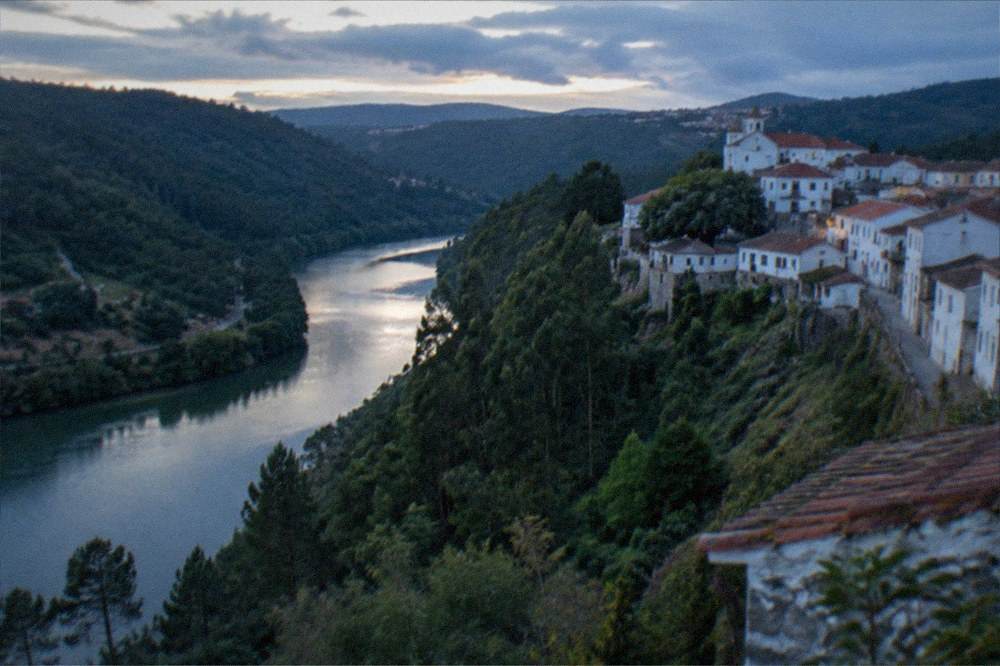
For the schist villages specifically, the verified roster runs deep: a four-hour Schist Villages at Lousa Mountain tour from $105.37 rated 4.9 from 133 reviews, a private half-day version from $87.81 rated 5 from 105 reviews, and a longer eight-hour cascades-and-Piodão tour from $152.20 per person rated 5 from 48 reviews. The schist villages guide and the Lousã day trip guide carry the detail, and the Bussaco forest guide covers the pairing that sits closest to Penacova itself.
Is a Mondego Paddle Worth the Trip from Coimbra?
Yes, with one condition: treat it as a river day rather than a kayak trip, because the verified value here is the water, the valley and the season, not a documented rental infrastructure, so a traveller who books through a guided product or confirms arrangements directly with an operator gets a genuinely good day, while a traveller who arrives assuming a turn-up-and-paddle setup may find the details are theirs to solve. The condition is honest, and it is the difference between this page and a competitor's confident list of prices nobody verified.
The case for the day is real. The Mondego is the river that made Coimbra, and you cannot see it properly from the upper town. Upstream at Penacova the same water runs green and quiet through a wooded valley, an hour's world away from the tourist circuit, and in June, July, August and September the verified climate record says you will almost certainly be doing it in warm, dry weather. September is the pick of the four: mean max 27.4 C, only 49.9 mm of rain, and the student crowds back in the city rather than on your riverbank.
For travellers who prefer their water with a guide and a story attached, the verified roster also includes Coimbra: Adventure, Discovery & Learning with a Local, a three-hour experience from $40 per person rated 4.9 from 55 reviews, which is a city-based option rather than a river one but fills the same "active half-day" slot in a plan. And the Santa Clara district guide explains the quiet left-bank side of the city you will paddle or boat past if you take the in-town river option instead.
One last planning fact that applies to any night you spend in the region: Coimbra charges a municipal tourist tax of 1.00 EUR per guest per overnight stay, capped at three consecutive nights, from age 16, paid to the accommodation at check-in or check-out, and in force since 5 April 2023. The municipality's own 2025 figures put its cost per overnight stay at 3.49 EUR, so the tax sits well below what tourism costs the city, and a two-euro rise had been proposed but was not the published rate when this site's research was verified. It is a small line item, and knowing it stops it being a surprise at the desk.
Common Questions About Kayaking the Mondego from Penacova
Can you kayak on the Mondego near Coimbra, Portugal?
Yes. The Mondego is the river Coimbra sits on, and the upstream stretch at Penacova inside the Coimbra district is calm, flat water suited to beginner paddling. In the city itself the river carries traditional boat trips and cruises rather than kayak rentals, and this site has verified no specific launch points or rental operators at Penacova, so arrange the paddle through an operator.
When is the best month for kayaking on the Mondego?
June through September. IPMA's 1991 to 2020 normals for the Coimbra / Bencanta station show June at 26.0 mm of rain, July at 8.9 mm, August at 14.8 mm and September at 49.9 mm, with September's mean maximum of 27.4 C higher than June's. October jumps to 114.5 mm and November is the wettest month at 121.5 mm, so the season closes sharply.
Do you need kayaking experience for the Penacova stretch?
No, the water is flat and slow-moving rather than whitewater, and a first-timer can steer a stable kayak within minutes. What you do need is current information on river levels, which change with the season and which no climate table can give you, so ask your operator at booking and again the day before.
Is there a boat trip on the Mondego in Coimbra itself?
Yes. The Barca Serrana Traditional Boat Trip runs 50 minutes on the river with city views, from $15 per person, rated 4.6 from 171 reviews on the operator's live listing, and a Mondego River Cruise with City Views also runs 50 minutes from $11 per person. Both are seated trips, not paddles, but they put you on the same water without leaving the city.
How do you get to Penacova from Coimbra?
By road. This site's research verified no bus route, fare or driving time for the specific Coimbra to Penacova connection, so those details are an operator or timetable question. The verified city-end facts are that SMTUC on-board tickets cost 2.00 EUR, pre-purchased trips cost 0.90 EUR each in packs of three or more, and SMTUC tickets are also valid on the Metro Mondego network under the tariff in force since April 2026.
What if it rains on the day of the paddle?
Swap the river for the University. The combined ticket including the Biblioteca Joanina costs 16.50 EUR adult, the library admits only 50 people every 20 minutes, and the time printed on the ticket is the library slot specifically, so book ahead. The rest of the ticket is valid for two days, which suits a trip built around unreliable weather.
A Mondego paddle from Penacova is the day trip that shows you the river Coimbra was built on, in the season the verified climate record says to go, with the one honest caveat that the practical details belong to the operators who run the water. Plan the window, book the boat or the guide, and let the city have you back by dinner.