Lousã Day Trip from Coimbra: Schist Villages, Trails and Tours
The schist villages of the Lousã mountain sit close enough to Coimbra, Portugal for an easy half-day escape, and a guided tour handles the winding mountain roads for you.
Short answer
A Lousã day trip from Coimbra means a short drive into the Serra da Lousã to walk among slate-walled schist villages such as Talasnal and Gondramaz; guided tours from Coimbra run about four hours from roughly $88 per person, and the mountain is at its best from late spring to early autumn.
Coimbra, Portugal, the university city on the River Mondego, sits close to a mountain landscape most visitors never reach: the Serra da Lousã, whose slate-walled schist villages cling to forested slopes a short drive south of the city. The villages were largely abandoned through the twentieth century and have since been restored as walking destinations under a regional programme that turned a fading rural landscape into a network of trails and heritage settlements. Today a Lousã day trip from Coimbra is one of the most rewarding half-day excursions in the Centro region. This page lays out what the mountain offers, which tours operate from Coimbra, what they cost, and how the seasons shape the visit.
Why Is Lousã Such a Popular Day Trip from Coimbra?
Lousã works as a day trip because it packs restored schist villages, forest trails, waterfalls and deer-watching into a compact mountain area within easy reach of Coimbra, and because guided tours from the city run to roughly four hours, so a visitor can walk a village route in the morning and still be back for a late afternoon fado show. The tours on this site's roster run from about $88 to $152 per person depending on group size and inclusions.
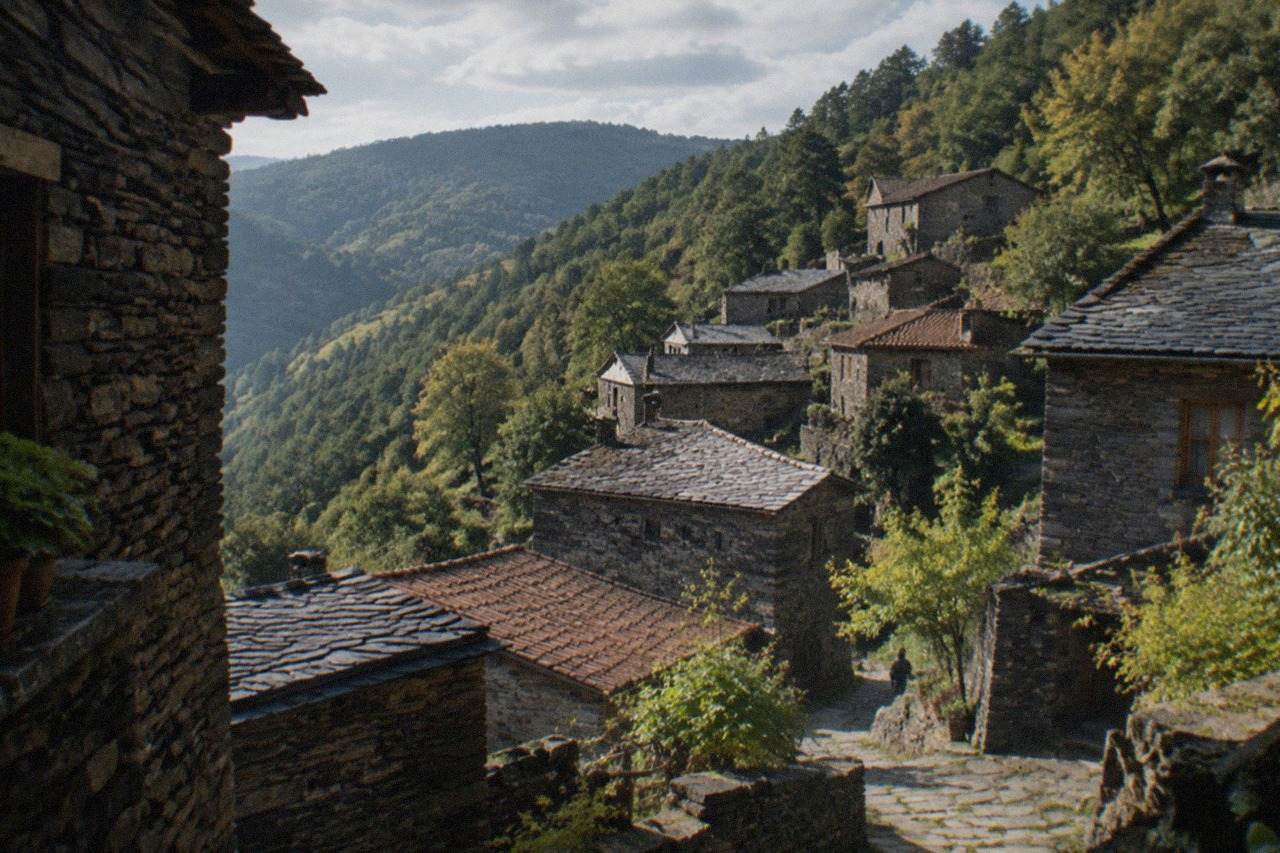
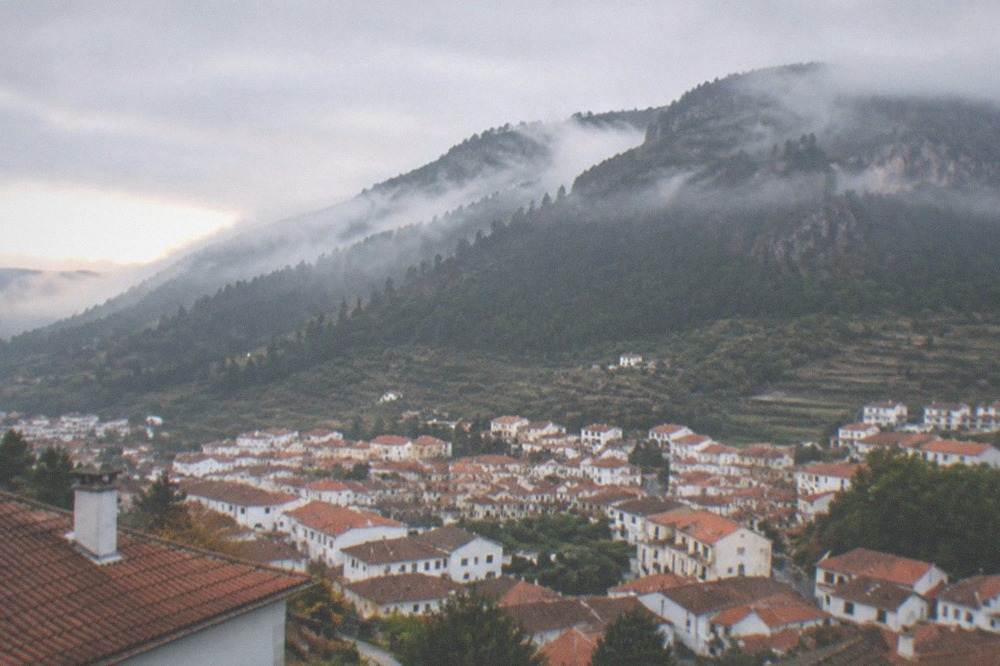
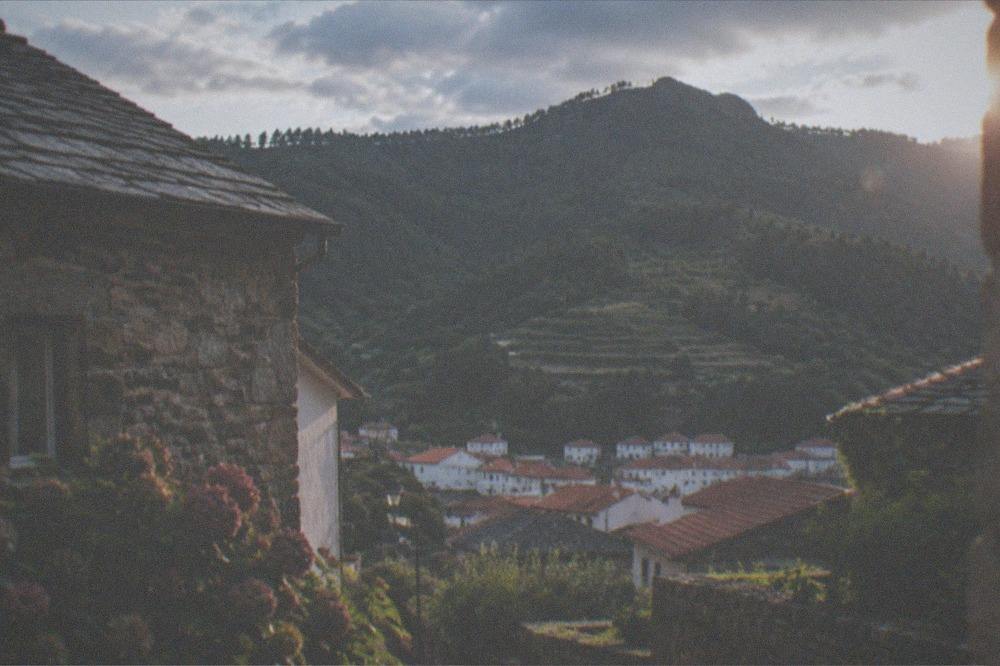
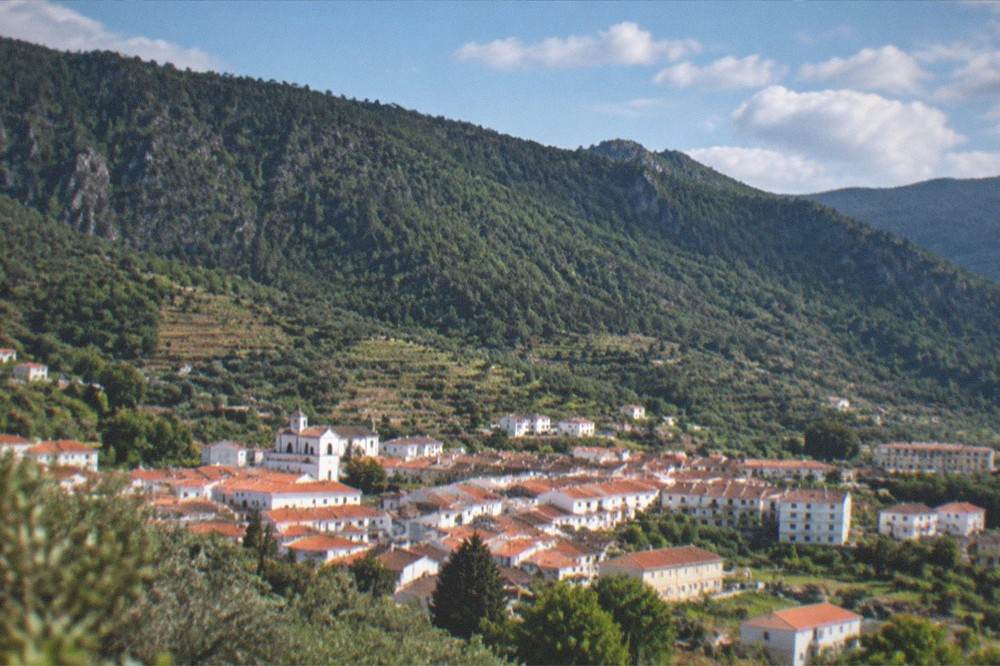
The schist villages, the Aldeias do Xisto, are the draw. These are small settlements built from the local dark slate, houses stacked along stone lanes with roofs of the same material, set in hillsides of chestnut, oak and pine. Several of them, Talasnal among the best known, were restored as part of a regional programme that turned a fading rural landscape into a network of walking destinations. The mountain also carries populations of wild deer, which several tours in the roster specifically go out to see.
What makes the trip practical from Coimbra is time. The four-hour format of the main tours means the excursion fits inside a half day, which matters for travellers working through a packed Coimbra itinerary or squeezing the city into a weekend. Compare that with Conímbriga or the Bussaco Forest, both excellent but flat and architectural rather than mountainous, and Lousã gives the region's visit a different texture: quiet, green and vertical.
For more on the wider village network, see the site's guide to the schist villages, which covers the individual settlements in depth.
What Are the Schist Villages of the Lousã Mountain?
The schist villages are small slate-built settlements scattered across the slopes of the Serra da Lousã, including Talasnal and Gondramaz on the main tour routes from Coimbra, restored in recent decades as walking and heritage destinations after long depopulation. Tours from Coimbra typically visit one or more of them on foot, with the driving between trailheads handled by the operator.
Talasnal is the flagship. It is the village most often named in tour itineraries, and the tour roster on this site lists it alongside Gondramaz as the two stops on the standard jeep-based excursion. Gondramaz is known for its stone carving tradition as well as its architecture. The villages are connected by marked footpaths, so a visit can be a short wander through the lanes or a longer walk between settlements through the forest.
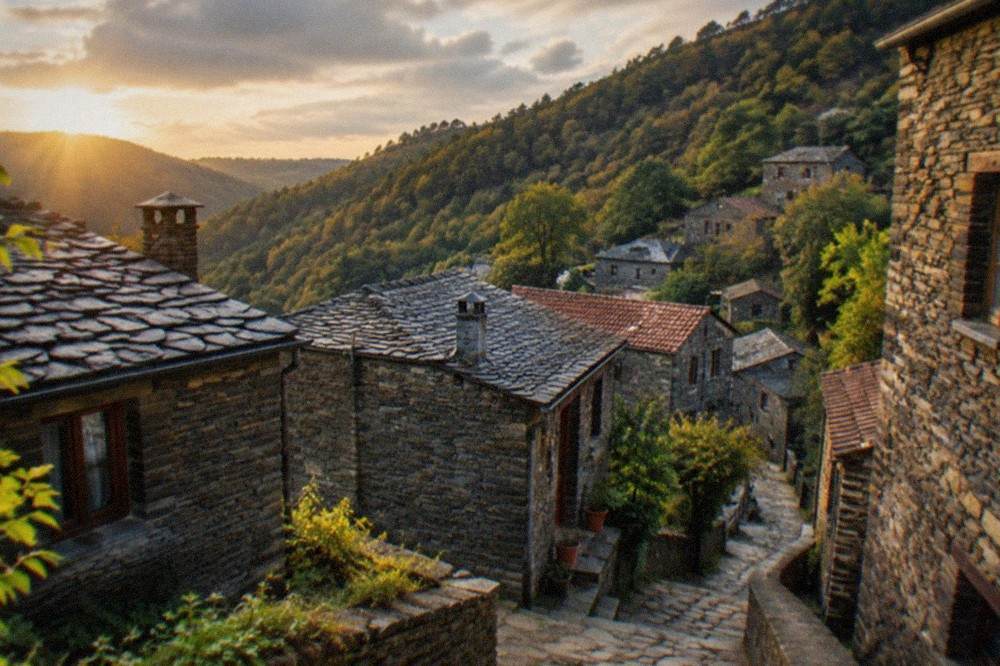
The landscape between the villages matters as much as the villages themselves. The slopes hold chestnut woodland, streams and small cascades, and one tour in the roster is built specifically around waterfalls and the village of Piodão, an eight-hour route that reaches further afield. Wild deer roam the higher ground, and two tours in the roster, including a private option, list deer watching among their selling points.
A reasonable way to compare the main village-focused tours from Coimbra:
| Tour | Decision name | Duration | From (per person) | Rating |
|---|---|---|---|---|
| An adventure through the Schist Villages of Lousã | Private Half-Day, Coffee Stop | 3 to 4 hours | $87.81 | 5 from 105 reviews |
| Schist Villages at Lousa Mountain | Four-Hour Schist Villages Tour | 4 hours | $105.37 | 4.9 from 133 reviews |
| Lousa Mountain Private Tour | Private Tour, Wild Deer Watching | 4 hours | $105.37 | 5 from 88 reviews |
| Schist Villages of Lousã Mountain, half-day from Coimbra | Half-Day Villages Tour | 4 hours | $99.51 | 4.8 from 45 reviews |
All four of those tours cover the same core experience from different angles. The private half-day with the coffee stop is the most flexible; the deer-watching private tour is the one for wildlife; the standard four-hour group tour is the simplest booking for a solo traveller or a couple.
Which Lousã Tour Should You Book from Coimbra?
For most visitors the best-value option is the private half-day Schist Villages of Lousã adventure at from $87.81 per person, rated 5 from 105 reviews, because it combines the village walk with a coffee stop and runs three to four hours, while wildlife-focused travellers should take the Lousa Mountain Private Tour at from $105.37, which centres on wild deer watching.
The choice really comes down to what the day is for. A visitor using Lousã as a half-day insert between Coimbra's university hill and an evening in the Baixa wants the shortest complete experience, and the 3-to-4-hour private adventure fits that. Someone making the mountain the main event, or travelling with children who will remember the deer longer than the slate, should pay the extra for the wildlife tour. Both are listed with live pricing on the operator's pages.
For travellers basing themselves in Porto rather than Coimbra, the calculus changes, and the site's answer page on day trips from Porto covers that angle. From Coimbra itself, the tour operators handle pickup in the city, which removes the one real friction of the trip: the mountain roads are narrow, winding and not ideal for a nervous first-time driver in a rental car.
Booking a tour rather than self-driving also solves the parking question at the popular villages, where spaces at the trailheads are limited on weekends. The operator's live listing carries the exact pickup point, the group size and the current price, all of which shift with the season.
What Does a Schist Villages Tour Actually Include?
A standard four-hour schist villages tour from Coimbra includes hotel or central pickup in the city, the drive into the Serra da Lousã, a guided walk through one or more villages such as Talasnal or Gondramaz, commentary on the history and restoration of the settlements, and return to Coimbra, with prices starting around $88 to $105 per person depending on the operator and group format.
The inclusions vary more than the headlines suggest. The private half-day adventure lists a coffee stop, which is a genuine feature in a region where the small villages have cafés that live on weekend walkers. The lunch-included option, a castles and villages combination at from $128.78 rated 5 from 40 reviews, adds a meal and a medieval castle to the itinerary, stretching the day to four and a half hours. The natural-pool tour, from $126 per person, adds a swim stop at a river pool with hotel pickup.
| Tour variant | Adds over the base village walk | Duration | From (per person) |
|---|---|---|---|
| Private half-day adventure | Coffee stop, private format | 3 to 4 hours | $87.81 |
| Standard group tour | Fixed itinerary, shared group | 4 hours | $105.37 |
| Private deer-watching tour | Wild deer watching | 4 hours | $105.37 |
| Lunch and castles tour | Lunch, medieval castles | 4 hours 30 minutes | $128.78 |
| Natural pool tour | River swim, hotel pickup | 4 hours 30 minutes | $126 |
| Cascades and Piodão tour | Waterfalls, Piodão village | 8 hours | $152.20 |
What none of them include, and what no honest page should pretend they do, is a guarantee of wildlife sightings. The deer of the Serra da Lousã are wild animals, and the private tour's five-star rating from 88 reviews reflects the operator's craft in finding them, not a contract. Weather plays a part too: the mountain cloud can roll in quickly, and the tour pages on this site carry each operator's own cancellation terms.
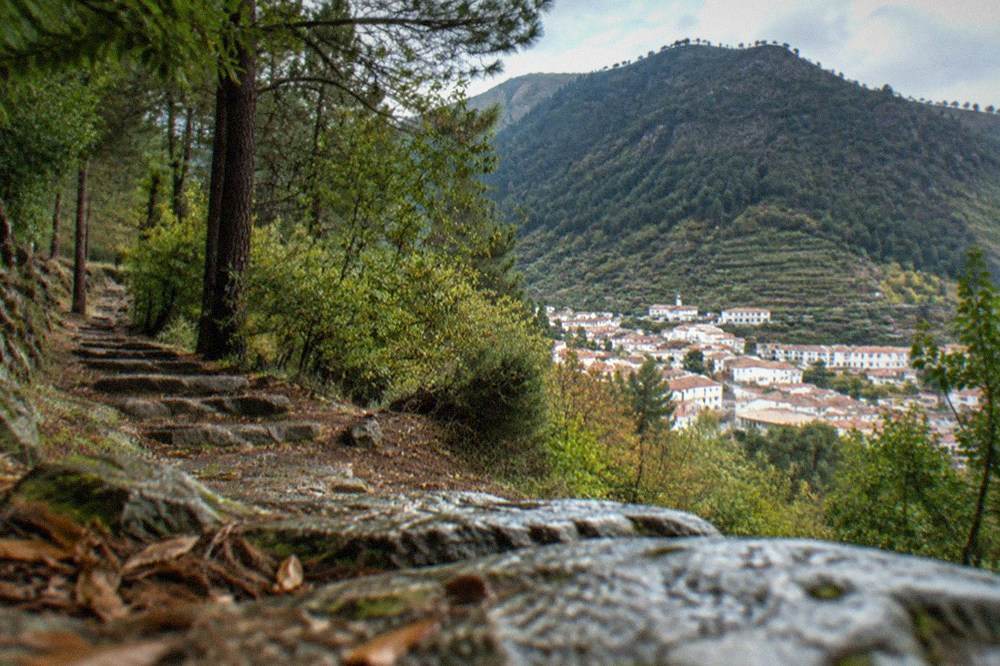
The eight-hour Piodão option deserves a separate word. Piodão lies further into the schist country than the Lousã villages proper, a spectacular amphitheatre of slate houses in the neighboring hills, and the cascades-and-Piodão tour at from $152.20 per person, rated 5 from 48 reviews, is the choice for a visitor with a full day and a desire to see the most photographed of all the Aldeias do Xisto. It is a different commitment from a half-day, so plan it on a day with nothing else booked.
How do You Get from Coimbra to Lousã Without a Tour?
Getting to Lousã independently from Coimbra in 2026 is easiest by car, or by the new Metro Mondego metrobus network whose Serpins line, opened in December 2025, connects the Lousã corridor with Coimbra, with SMTUC intermodal tickets valid on both networks under the tariff in force since April 2026; the tour operators remain the simplest option because they cover the village trailheads directly.
The transport picture changed recently and mostly for the better. Dated Portuguese press reports describe the Metro Mondego BRT system opening in stages: partial urban operation from August 2025, the Serpins to Coimbra line, roughly 36 km with 27 stations, from 16 December 2025, and extensions to Coimbra-B station and Praça da República in late summer 2026. The SMTUC 2026 tariff, in force since 1 April 2026, sells intermodal titles explicitly marked valid on both the SMTUC and Metro Mondego networks, so a bus ticket in Coimbra works on the metrobus too.
What the pack does not give, and what this page will not invent, is a village-by-village bus map for the mountain itself. The schist villages sit on minor roads above the town of Lousã, and public transport coverage to individual trailheads is not something any verified source in this site's research confirms. That is precisely why the guided tours dominate this route: they solve the last, hardest leg.
| Way of reaching the mountain | What is verified | What is not |
|---|---|---|
| Guided tour from Coimbra | Pickup in the city, trailheads covered, four tours on this site's roster from $87.81 | Exact pickup points, which vary by listing |
| Own car | Mountain roads exist; villages have trailhead parking areas | Driving time and distance, not verified in this site's research |
| Metro Mondego metrobus | Serpins line opened December 2025, 27 stations; SMTUC tickets valid on the network | Village-level stops and frequencies, unsourced |
| SMTUC city bus | Driver ticket 2.00 EUR, pre-purchased trips 0.90 EUR, 90-minute validity | Any direct Coimbra to Lousã village route |
For a wider look at the region's transport, the site's day trips overview ranks the excursions that work without a car. Lousã sits in the middle of that table: easier than the Fátima day trip, harder than anything on the train line.
When Is the Best Time of Year for a Lousã Day Trip?
The best months for a Lousã day trip from Coimbra are May through September, because IPMA's 1991 to 2020 normals for the Coimbra / Bencanta station show the driest and warmest stretch then, with July at just 8.9 mm of rain and June at 26.0 mm, while October's rainfall jumps to 114.5 mm and November is the wettest month at 121.5 mm, making the mountain paths muddy and the waterfalls swollen.
The climate data comes from the city's own station, three kilometres from Coimbra's centre, and the mountain is close enough that the city's figures are the honest proxy, with one caveat: the Serra da Lousã sits higher and runs a degree or two cooler than the valley, so a 29.1 C August day in Coimbra is a milder walk in the shade of the villages.
| Month | Mean max (C) | Rain (mm) | Days with 1 mm+ rain | Days at 25 C+ |
|---|---|---|---|---|
| May | 23.3 | 64.7 | 8.5 | 9.9 |
| June | 26.3 | 26.0 | 3.7 | 17.8 |
| July | 28.5 | 8.9 | 1.7 | 26.1 |
| August | 29.1 | 14.8 | 2.2 | 28.0 |
| September | 27.4 | 49.9 | 5.2 | 21.9 |
| October | 23.2 | 114.5 | 10.3 | 9.9 |
| November | 18.0 | 121.5 | 11.5 | 0.7 |
Two readings of that table are worth more than the raw numbers. September is the sleeper month: its mean maximum of 27.4 C is actually higher than June's 26.3 C, and its 49.9 mm of rain is modest, so the mountain is warm, the summer crowds have gone and the light is at its best for photographs of slate against green. And the autumn rain does not arrive gradually; it arrives in October, when the monthly total more than doubles from September's figure. A November walk in the villages is possible and atmospheric, but it is a wet-weather plan, not a fair-weather one.
Winter has its own case. The site's data on Coimbra's seasons shows January mean maxima of 15 C with 113.5 mm of rain, and the mountain above the city can take snow in cold snaps, as the record low of -4.3 C on 20 January 2017 at the Bencanta station hints. Deer are easier to spot against bare branches. But the smaller village cafés thin out in the low season, and the tour schedules contract, so check the operator's live listing for winter departures before building an itinerary around them.
What Should You Budget for a Lousã Day Trip?
A Lousã day trip from Coimbra on a guided tour costs from $87.81 per person for the private half-day schist villages adventure up to $152.20 for the eight-hour cascades and Piodão route, with the standard four-hour group tours at $99.51 to $105.37, plus the 1.00 EUR per night Coimbra tourist tax on your accommodation, capped at three nights per person from age 16 and paid directly to the hotel.
The tour is the main line item, and the table above prices every variant on this site's roster. Around it, the incidental costs are small: a coffee and a pastry in a village café, lunch if the tour does not include one, and nothing else unless the itinerary adds a swim or a castle. The municipality's own figures give a sense of the wider context: Coimbra recorded 698,151 overnight stays in 2025, and the municipal cost of tourism per overnight stay is 3.49 EUR against the one-euro tax, which is why the tax exists and why a proposal to raise it to two euros was approved by the Executive in July 2026, though the current published rate remains 1.00 EUR.
| Budget line | Typical figure | Source |
|---|---|---|
| Private half-day schist villages tour | From $87.81 per person | Operator listing on this site's roster |
| Standard four-hour group tour | From $99.51 to $105.37 per person | Operator listings |
| Eight-hour Piodão and cascades tour | From $152.20 per person | Operator listing |
| Coimbra tourist tax | 1.00 EUR per guest per night, max 3 nights, age 16+ | Municipal tax page |
| SMTUC bus ticket in Coimbra | 2.00 EUR on board, 0.90 EUR pre-purchased | 2026 SMTUC tariff |
| University of Coimbra combined ticket, if added to the trip | 16.50 EUR adult | visit.uc.pt |
One pairing is worth flagging for value. The schist villages tour runs to half a day, which leaves the other half for Coimbra's own headline sight, and the University's combined ticket at 16.50 EUR covers the Joanina Library, the Royal Palace, St Michael's Chapel and the Science Museum spaces, valid two days. The Joanina admits 50 people every 20 minutes and the time printed on the ticket is the library slot specifically, so book that slot for the afternoon after a morning mountain tour, or the following day. A guided university option, University of Coimbra guided tours without queue, from $70.24 per person, handles the timed entry for you.
For travellers doing the arithmetic on a whole Portuguese week, the site's answer page on whether 100 euros a day is enough in Portugal covers the broader daily budget, and Lousã is one of the excursions that fits comfortably inside it.
What Else Can You Combine with a Lousã Day Trip?
Lousã combines naturally with a morning or afternoon in Coimbra itself, since the tours run only three to four hours, and with the other Centro region excursions from the city, including the Bussaco Forest, Tomar's Convent of Christ and the river beaches of the district, though the district's Atlantic coast is not a day-trip add-on from a mountain itinerary and no verified source in this site's research gives a driving time to any of them.
The half-day format is the reason the combinations work. A 9am tour return by early afternoon still leaves time for the Sé Velha, whose individual ticket is 3.00 EUR, or Mosteiro de Santa Cruz, the burial church of Portugal's first two kings, at 5.00 EUR, both open in the afternoons per the parish schedules. The site's one day itinerary shows how the city's own sights stack up.
Beyond the city, the mountain pairs well with other excursions on the roster. The Tomar day trip covers the Convent of Christ, and two Tomar tours on this site's roster, from $46.83 and $140.49, give that option a price. The Bussaco Forest tour, from $87.81 per person rated 5 from 50 reviews, is the closest cousin to Lousã: another forested mountain excursion, with a palace instead of villages. Doing both in one Coimbra stay is a common pattern among visitors with three or more days, and the site's three day itinerary page covers that pacing.
For a visitor choosing between the region's excursions, the honest comparison is about texture rather than ranking:
| Excursion from Coimbra | What it offers | Tour on this roster | From (per person) |
|---|---|---|---|
| Lousã schist villages | Restored slate villages, forest walks, deer | Private half-day adventure | $87.81 |
| Bussaco Forest and Palace | Woodland, palace hotel, battle site | Forest and Palace of Bussaco | $87.81 |
| Conímbriga Roman ruins | Roman town and museum, open Mondays | Conimbriga and The Roman Tour | $105.37 |
| Tomar, Convent of Christ | Templar heritage, monumental convent | Time travel at the Convent of Christ | $46.83 |
| Fátima shrine | Major pilgrimage sanctuary | Private shrine and shepherds tour | $129.95 |
Conímbriga deserves a note here that almost no guide gives: the ruins and museum are open seven days a week, 10:00 to 18:00, which makes them the reliable Monday option when the national monuments that close on Mondays are shut. The adult ticket is 10.00 EUR covering both, and the site lies in Condeixa-a-Velha, in the municipality of Condeixa-a-Nova, roughly 16 km south of Coimbra.
What Should You Pack and Wear for the Mountain?
Pack for a Lousã day trip as you would for a half-day hill walk: shoes with grip for stone lanes and forest paths that can be damp even in summer, a layer for the mountain's cooler air, water, and sun protection from May to September, when IPMA's normals show the Coimbra station averaging 17.8 days at 25 C or above in June and 28.0 such days in August.
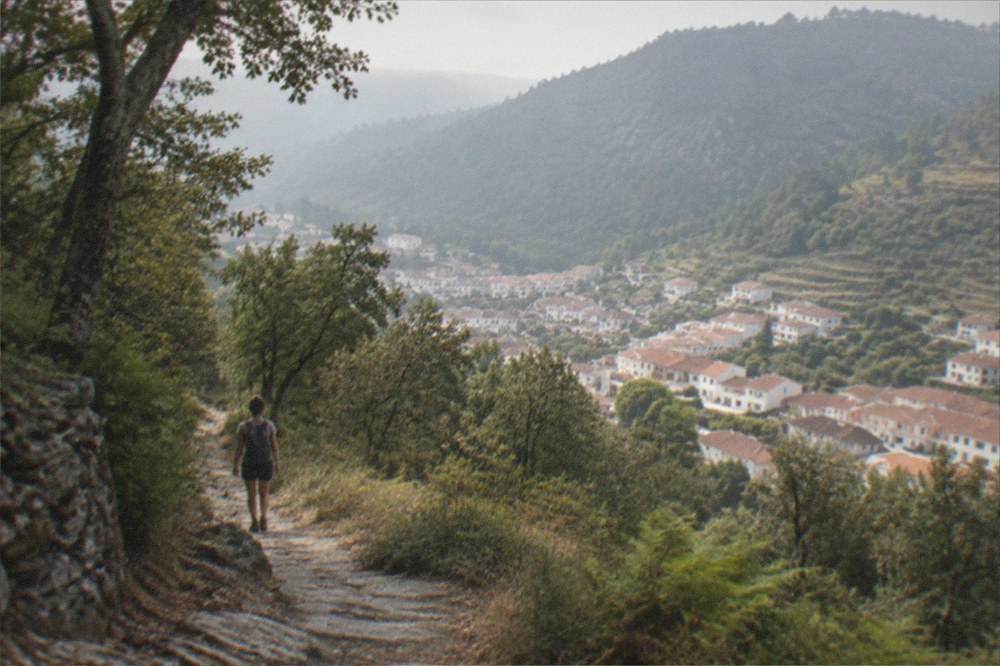
The stone of the villages is the thing that decides the footwear. Slate lanes, worn steps and cobbled paths are the standard terrain, and they hold moisture in shaded valleys long after rain. The forest sections between villages add root and rock underfoot. None of it is mountaineering, and the tours are graded soft, but trainers with flat soles on wet slate are an avoidable mistake.
The layer matters more than the temperature table suggests. Coimbra's station sits at 26.6 m altitude; the villages sit well above it, and the chestnut shade keeps the walking sections cool even on a 29 C valley day. A light layer for the van and the summit viewpoints covers it. In the May to September window, the sun is the real exposure: the tree cover alternates with open stretches, and a hat beats a sunburn on a four-hour itinerary.
The site's what to pack page covers the full Coimbra kit list, and the best time to visit page sets the seasons against each other for the whole region.
Common Questions About a Lousã Day Trip from Coimbra
Can you do the schist villages as a half-day trip from Coimbra?
Yes. The main tours run three to four hours, including the private half-day adventure from $87.81 per person and the standard four-hour group tours from $99.51, with pickup in Coimbra, so a morning departure returns by early afternoon.
Which schist village is the best one to visit?
Talasnal is the village most often named on the Coimbra tour itineraries, with Gondramaz, known for stone carving, on the same jeep-based route. Piodão, the most photographed of the Aldeias do Xisto, lies further out and needs the eight-hour tour from $152.20 per person.
Can you see wild deer on a Lousã day trip?
The Lousa Mountain Private Tour, from $105.37 per person, lists wild deer watching as its focus, and sightings are the operator's aim rather than a guarantee. The deer are wild animals in the Serra da Lousã and easier to spot outside the dense summer foliage.
Is Lousã worth visiting in winter?
It can be. The mountain is quieter, the villages are atmospheric in mist, and deer are easier to see against bare branches, but IPMA's normals show November as the wettest month at 121.5 mm and January at 113.5 mm, so it is a wet-weather plan, and tour departures contract in the low season.
Do you need a car for a Lousã day trip?
Not if you take a tour, which covers the village trailheads directly from Coimbra. Independent travel is improving with the Metro Mondego metrobus, whose Serpins line opened in December 2025 and on which SMTUC tickets are valid, but no verified source confirms village-level public transport, so the tours remain the practical option.
How much does a Lousã day trip cost?
Between $87.81 and $152.20 per person for the guided tours on this site's roster, depending on duration and format, plus small incidentals for coffee and lunch where the tour does not include a meal, and the 1.00 EUR per night Coimbra tourist tax on your accommodation.
A Lousã day trip from Coimbra is the region's best half-day escape into genuine mountain landscape, and the Coimbra Travel Guide home page carries the full picture of what the city and its surroundings offer, from the Joanina Library's timed slots to the schist villages' slate lanes.