Montemor-o-Velho Castle from Coimbra, Portugal: The Complete Day Trip Guide
Montemor-o-Velho Castle is the great medieval landmark of the lower Mondego valley, an easy half-day escape from Coimbra, Portugal for travellers who want walls, towers and rice-field views without the crowds of the university hill.
Short answer
Montemor-o-Velho Castle is a medieval hilltop fortress in the town of Montemor-o-Velho, in the lower Mondego valley downstream of Coimbra, Portugal. It makes an easy half-day or full-day trip from the city, pairing a walk of the walls and keep with the surrounding river plain, and it is best reached by car or regional bus with the timing checked locally before you set out.
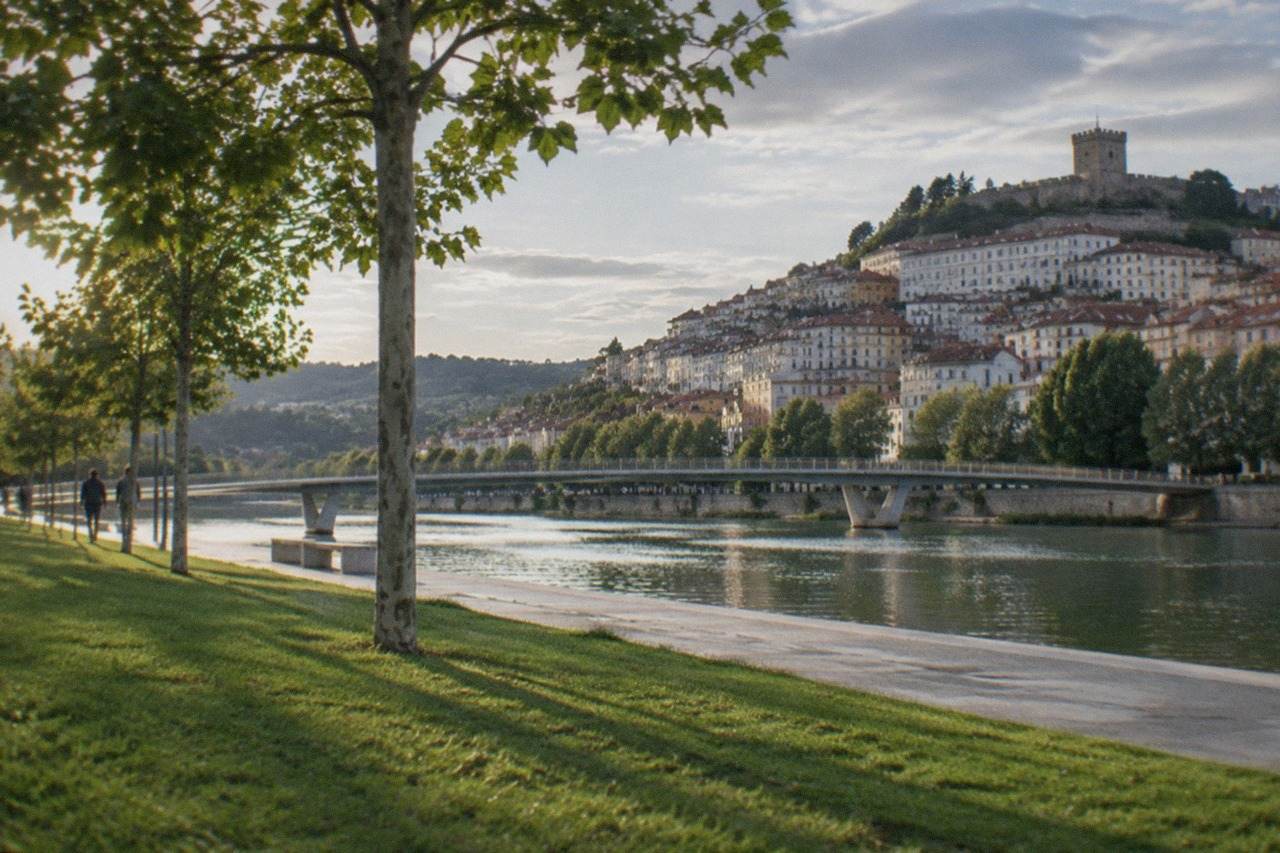
Coimbra, Portugal, the university city on the River Mondego, sits at the point where the river valley begins to open out, and if you follow the Mondego downstream you reach one of the region's most striking silhouettes: the castle of Montemor-o-Velho. It is a fortress town rather than a single monument, a walled crown of stone above a plain that the river has shaped for centuries. For visitors based in Coimbra it answers a question that comes up after the university hill, the Sé Velha and the Joanina Library have been done: what next, and how far out should you go?
This guide from the Coimbra Travel Guide editorial desk covers what the castle actually is, how to get there from Coimbra without inventing a single timetable, how to fold it into a wider Mondego valley day, and which guided options exist if you would rather not drive. One honest note up front: the verified research pack behind this site contains no confirmed opening hours, admission prices or bus frequencies for Montemor-o-Velho itself, so this page deliberately does not print any. Where a number matters, the article says where to check it, and everything that does carry a figure comes from an official source named in the text.
What Is Montemor-o-Velho Castle and Why Go There from Coimbra?
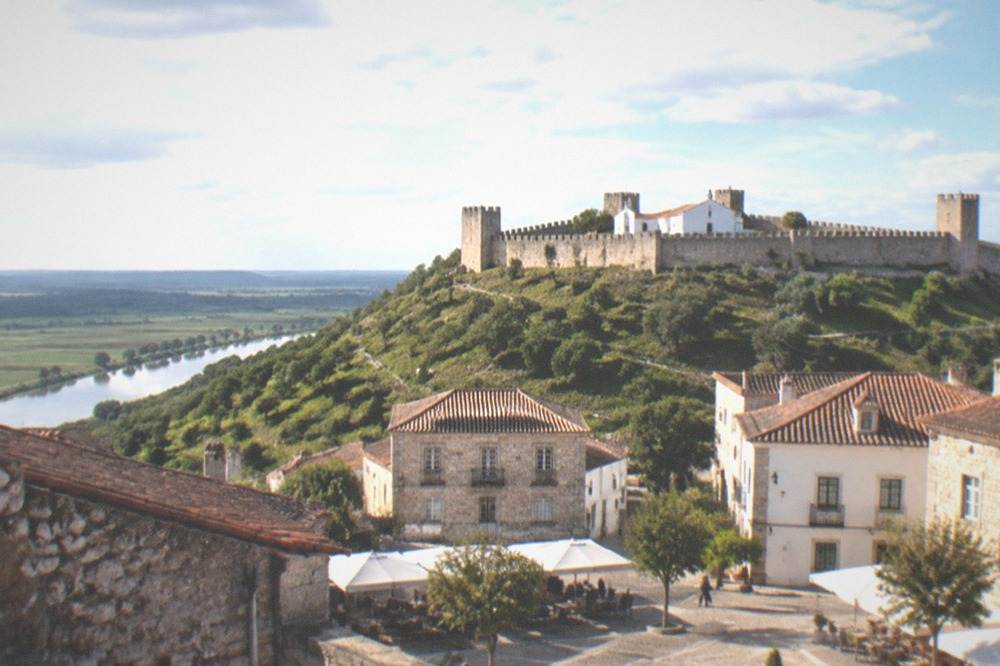
Montemor-o-Velho Castle is a large medieval hilltop castle and walled settlement overlooking the lower Mondego valley, in the town of the same name downstream of Coimbra, Portugal. It is worth the trip because it offers something Coimbra's own hill cannot: a fortress panorama across open river plain, with walls you can walk, a keep you can climb for the view, and a small town inside and below the fortifications that sees a fraction of the visitors the university city does.
The castle's role in Portuguese history was always tied to the river below it. The Mondego was a frontier and a highway, and the heights of Montemor commanded the crossing and the fertile land around it. The fortress passed between Christian and Muslim control during the medieval period, a fact every Portuguese schoolchild learns, and its walls were rebuilt and extended across centuries of border warfare and later consolidation. The research pack behind this site does not carry a verified construction date for any specific phase, so this page will not print one. What stands today is a long circuit of walls with towers, a keep, and a church inside the enclosure, the whole ensemble crowning a hill that falls away to rice fields and river meadows.
Why make the trip? Because it is the complement to Coimbra. The university city is dense, vertical, baroque and busy, and its World Heritage inscription, "University of Coimbra, Alta and Sofia", listed by UNESCO in 2013 under reference 1387, covers two components inside the old town, the university hill and the college street of Rua da Sofia, and nothing else. Montemor-o-Velho is the opposite register: horizontal, rural, quiet, and dominated by landscape. A visitor who spends two days on Coimbra's hills and then half a day at Montemor sees the region whole, city and countryside, and the contrast is the point.
For planning purposes, treat the castle as a half-day sight. You will want time for the walls, the keep, the church and a slow coffee in the town below, but the site is not a museum complex on the scale of the University of Coimbra's Paço das Escolas circuit. Pair it with something else in the valley, which is exactly what the itinerary section later in this guide suggests.
How do You Get from Coimbra to Montemor-o-Velho?
The realistic options from Coimbra are a self-drive, a regional bus, or a guided day tour that covers the Mondego valley region. This site's verified research contains no confirmed road distance, driving time or bus frequency for the Coimbra to Montemor-o-Velho route, so no journey time is printed here; the route follows the Mondego valley downstream, and the practical advice is to check current bus timetables and opening days before you commit a morning to it.
Driving is the flexible option. The route runs out of Coimbra along the Mondego valley, and the castle's hill is visible from a long way off, which makes navigation simple in a way that Portuguese back roads often are not. Parking is in the town below the hill, from where the ascent into the walls is on foot. If you are renting a car in Coimbra, this is one of the least demanding drives you could plan, but confirm local parking arrangements on arrival, as this site has verified no car park details.
By public transport, regional buses serve Montemor-o-Velho from Coimbra, but this page will not print a frequency or a journey time, because the research pack does not confirm one. The honest instruction is to check the operator's current timetable a day or two before, and to build your plan around the return connection rather than the outbound one. Rural Portuguese bus services thin out in the early afternoon, and a castle visit that ends with a three-hour wait for the last bus home is a bad day. If the timetable does not fit, the guided options below solve the problem entirely.
Inside Coimbra itself, the 2026 SMTUC tariff lists a driver-bought single ticket at 2.00 EUR, a pre-purchased trip at 0.90 EUR when bought in packs of three or more, and a single journey valid for 90 minutes on the urban network with transfers included. Those figures are for the city's buses, not the regional service to Montemor-o-Velho, but they matter for the first leg of any plan: getting from your hotel to the departure point. The same tariff also confirms that SMTUC tickets are valid on the new Metro Mondego network, so a city ticket covers more than it used to.
| Leg of the journey | Realistic option | What this guide can honestly say |
|---|---|---|
| Hotel to Coimbra bus or rail hub | SMTUC city bus or Metro Mondego | 2026 tariff: 2.00 EUR on board, 0.90 EUR pre-purchased, 90-minute validity |
| Coimbra to Montemor-o-Velho | Regional bus or self-drive | Route follows the Mondego valley downstream; no verified frequency or time is printed here |
| Town below to the castle | On foot uphill | Short ascent; allow steady walking time and sensible shoes |
| Getting home | Same regional bus or your car | Check the last return connection before you set out |
If self-driving the whole region appeals more than one castle, the Coimbra day trips overview collects the full menu, from the schist villages of the Lousã hills to the Roman ruins of Conímbriga, which lie about 16 km south of the city in the parish of Condeixa-a-Velha, in the municipality of Condeixa-a-Nova, according to the site's verified research.
For travellers who would rather have someone else handle the valley, these are the guided options that pair well with a Mondego-region day:
What Will You Actually See Inside the Castle Walls?
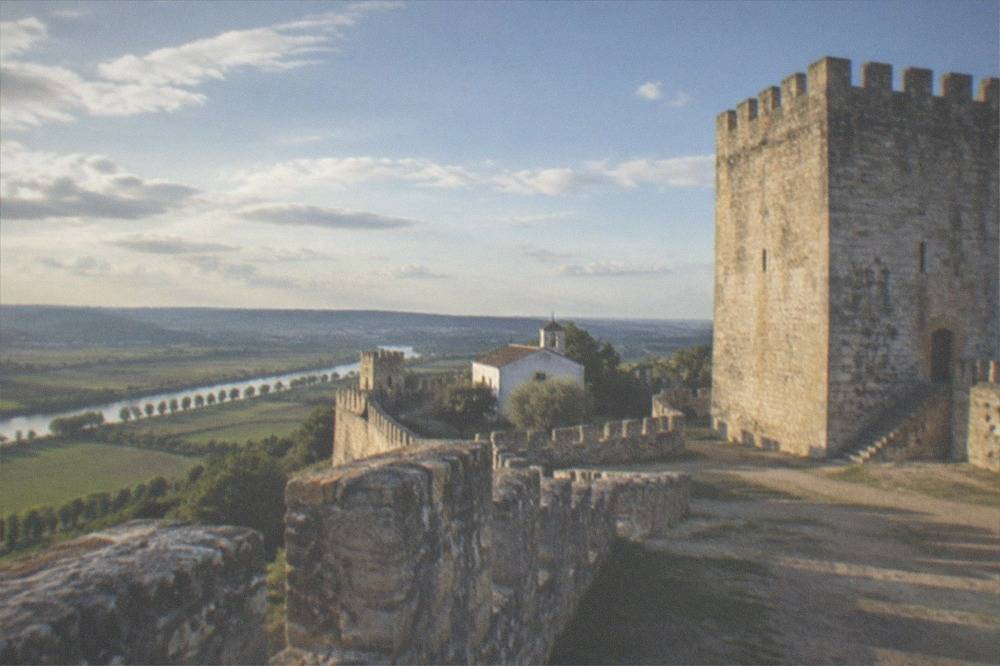
Inside the walls you will find a broad enclosure of crenellated ramparts with towers, a climbable keep giving the definitive panorama over the Mondego plain, and the church of Santa Maria da Alcáçova within the fortress, alongside stretches of wall walk that let you circuit the hill. The site reads as a fortress town rather than a single building, so plan to walk it rather than view it, and treat the keep's viewing platform as the climax of the visit.
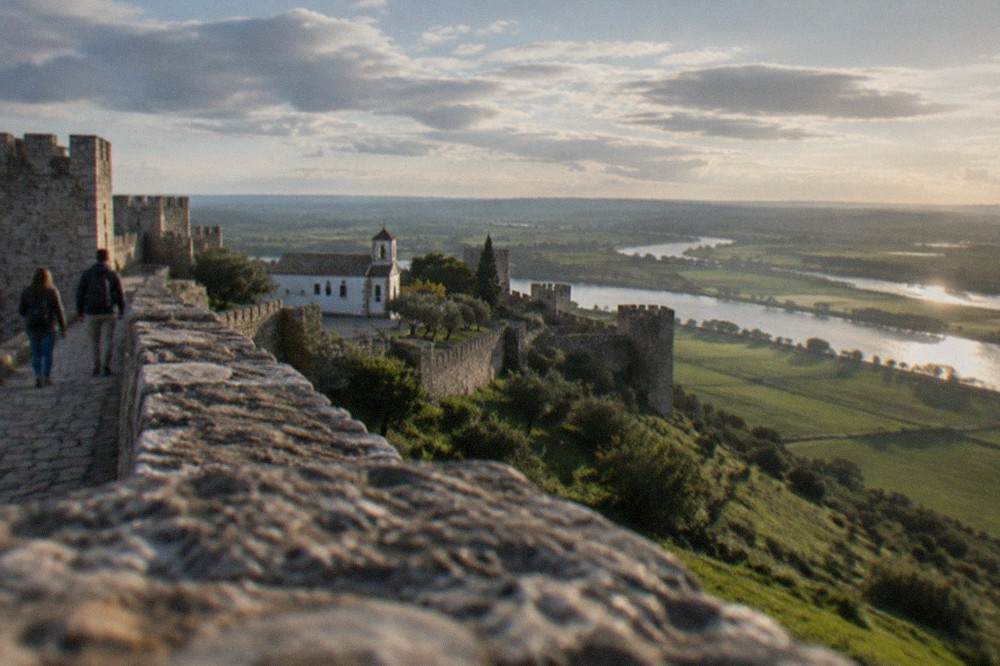
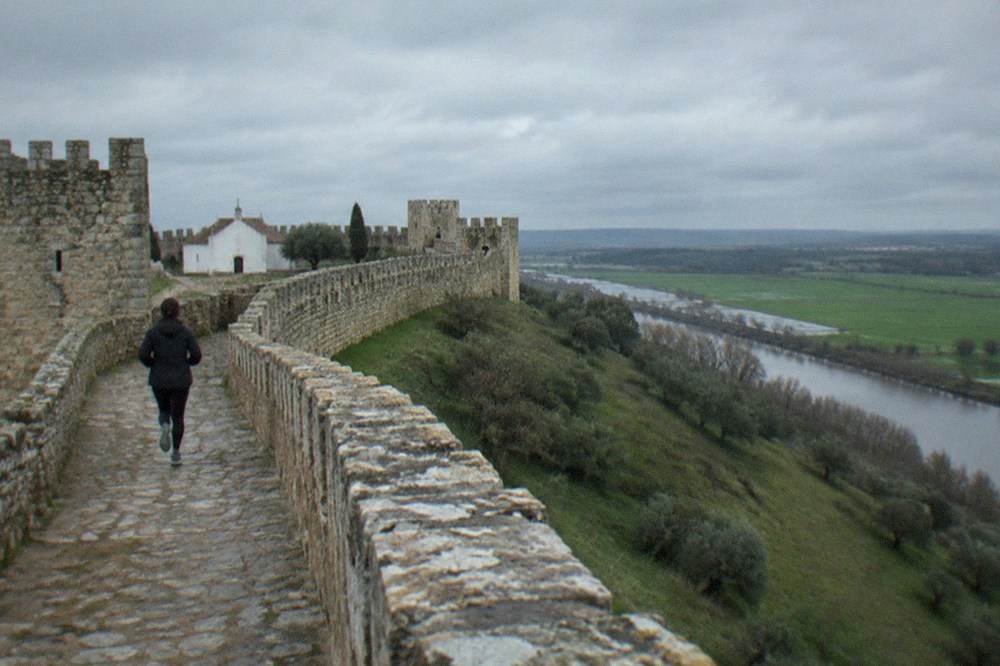
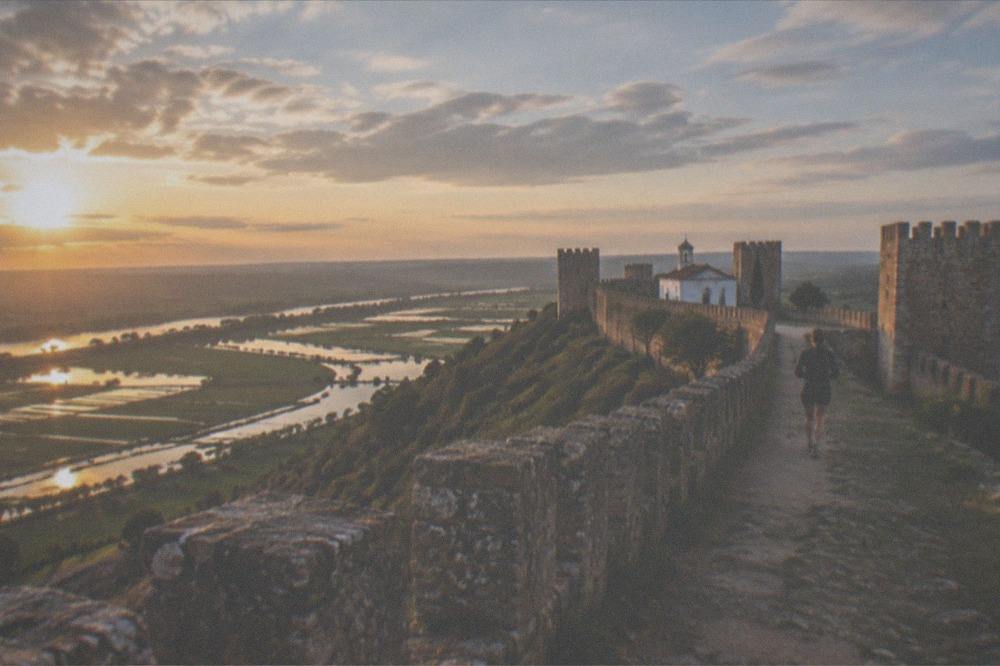
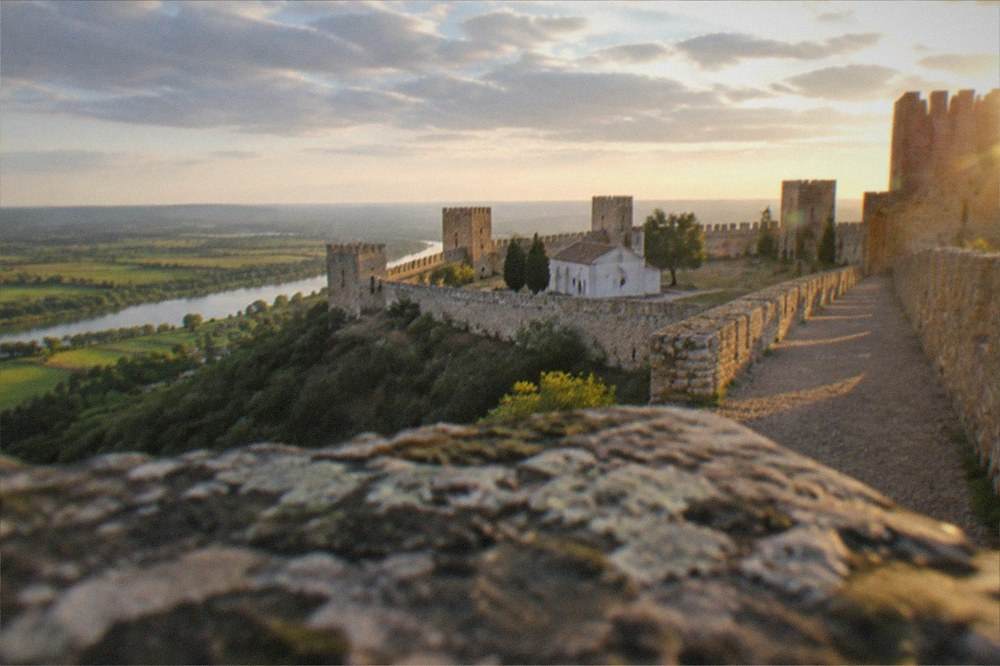
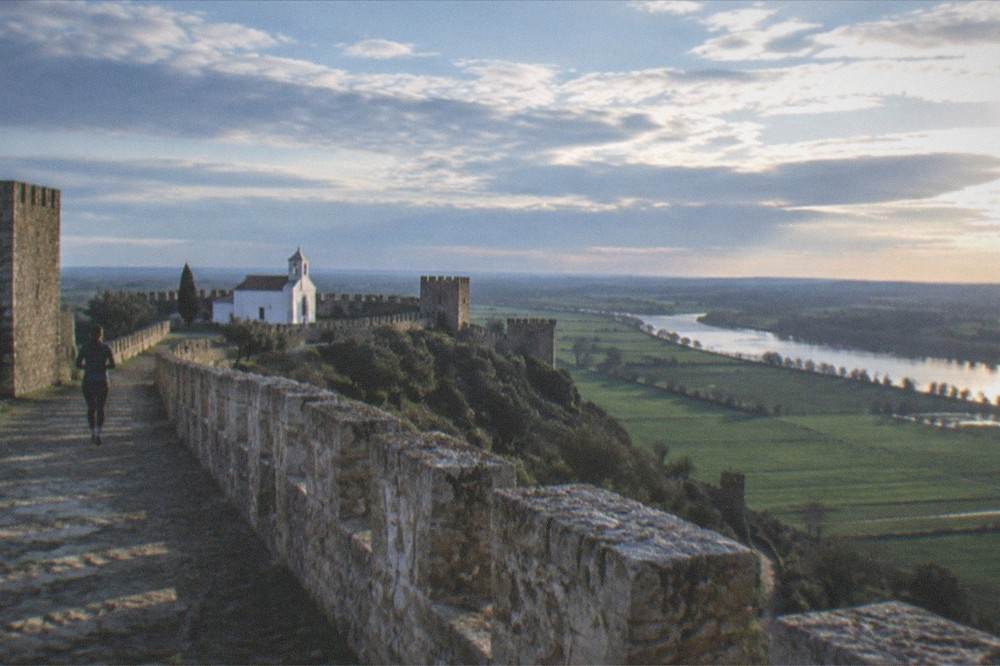
The walls are the main event. Montemor-o-Velho's circuit is long for a Portuguese castle of this type, and parts of the wall walk are open to visitors, which is what separates a memorable castle from a fenced-off one. From the ramparts the geometry of the plain becomes clear: the Mondego's meanders, the patchwork of rice fields and pasture, and the low line of hills on the far side of the valley. On a clear day the view is the single best reason to have made the trip, and photographers will want the late-afternoon light, when the stone goes gold and the plain goes green-gold.
The keep, the torre de menagem, is the vertical punctuation mark of the site. Climbing it puts you above the walls themselves, and the full-circuit platform is where the panorama pays off. This site has verified no admission price, no opening hours and no climb-time figure for the castle, and it will not invent them; the practical instruction is to check the monument's current visitor information before you go, because Portuguese municipal castles adjust their hours seasonally and some close on Mondays or in the low season.
Inside the enclosure stands the church of Santa Maria da Alcáçova, a medieval foundation whose interior repays a few quiet minutes, and whose presence is a reminder that these fortress enclosures were lived-in communities, not just military hardware. Below the walls, the town of Montemor-o-Velho spreads down the hill, a small, working Portuguese town with cafés and a market square rather than a tourist strip. That is part of the charm. You are not being sold a themed experience; you are visiting a real town whose biggest building happens to be eight centuries of stone.
A sensible on-site plan, with no invented times attached:
| Zone of the site | What you get | How to approach it |
|---|---|---|
| Outer walls and gates | The scale of the fortress, first views over the plain | Walk the full circuit before choosing where to linger |
| Wall walk sections | Elevated views along the ramparts | Steady shoes; stone can be worn and uneven |
| The keep | The highest platform and the definitive panorama | Save for good light; the view is the payoff |
| Church of Santa Maria da Alcáçova | Medieval religious architecture inside the enclosure | Quiet visit; check locally for service times |
| The town below | Cafés, squares, everyday Portuguese life | End here with a coffee before heading back |
One warning worth its own paragraph: do not arrive with a rigid schedule built around opening hours you read in a blog. This site's research pass could not verify hours for Montemor-o-Velho, and the same pass caught three major Coimbra sights currently closed against guides still printing their old hours: the Museu Nacional de Machado de Castro is closed for conservation work, the Torre da Universidade is closed according to the University's own information page, and Mosteiro de Santa Clara-a-Velha has no listing at all on the national monuments portal. The lesson generalises. Check the current official source the week you travel.
If a self-guided castle morning sounds appealing but the logistics of the wider region do not, a booked tour takes the timing question off your plate. The From Porto: Full-Day Trip to Coimbra and Aveiro with Boat Ride covers Coimbra in expert company for travellers arriving from the north, from $114 per person with a 4.7 rating from 106 reviews on the operator's live listing, and you can Check availability alongside it.
How Does a Montemor-o-Velho Day Fit a Coimbra Itinerary?
The castle works best as the anchor of a Mondego valley half-day, paired either with a morning in Coimbra's old town or with a second stop in the valley region, and it suits day two or three of a Coimbra stay rather than day one. Visitors with one day in the city should stay on the university hill; visitors with two or more should treat Montemor as the countryside counterweight, ideally on a day when the weather rewards a view.
Day one in Coimbra belongs to the hill. The University of Coimbra's combined ticket, 16.50 EUR for the 2026 season per the University's own visit pages, is the one that includes the Biblioteca Joanina, and the Joanina is the sight with the hardest constraint in the whole city: the University's own program page states entries are limited to 50 people every 20 minutes, the library cannot be bought on its own, and the time printed on your ticket is the library slot specifically, with entry outside the slot refused. Book that before you book anything else, using the Joanina Library tickets guide for the details.
Day two or three is where Montemor-o-Velho earns its place. A valley day could run: castle walls and keep in the morning, lunch in the town below, and an afternoon either back in Coimbra for the Sé Velha, whose individual ticket is 3.00 EUR per the parish site that manages it, or onward to another valley stop. The one day in Coimbra itinerary and the two day itinerary on this site show how the city itself divides up; Montemor slots into the spare half-day that the second itinerary leaves open.
| Day of a Coimbra stay | Morning | Afternoon | Where Montemor fits |
|---|---|---|---|
| Day one | Paço das Escolas, Joanina slot, Capela de São Miguel | Sé Velha, Baixa, riverfront | Not yet; the hill needs the full day |
| Day two | Mondego valley drive or bus, Montemor castle walls and keep | Lunch in the town, return via the valley | Anchor sight of the morning |
| Day three | Conímbriga, or a Lousã schist village tour | Botanical Garden or Santa Cruz, 5.00 EUR individual | Alternative valley day if day two went to the hills |
Two pairing notes from the verified pack. First, Conímbriga's museum and ruins run on a single combined 10.00 EUR adult ticket and open seven days a week, 10:00 to 18:00, which makes it the reliable Monday option when other monuments shut. Second, Mosteiro de Santa Cruz in Coimbra, 5.00 EUR individual, suspends visits on the Cortejo da Queima das Fitas, a moveable Sunday in May, and the University closes its visitor circuit on 24 May, so late May is the awkward week for any itinerary that mixes the castle day with the city sights. The Coimbra weather guide helps you pick the better-weather day for the viewpoint.
What Else Is There to Do Around Montemor-o-Velho?
The lower Mondego valley around Montemor-o-Velho is a landscape of rice fields, river meadows and small agricultural towns, and the realistic add-ons are a river experience on the Mondego, a meal built on the valley's produce, and a slow drive or ride through the plain itself. This site has verified no opening hours, addresses or prices for any individual café, restaurant or activity in Montemor-o-Velho, so the honest move is to plan the landscape and the meal, and choose the venue on the day.
The rice fields are the signature of the plain. The Mondego valley is one of Portugal's historic rice-growing regions, and depending on the season the fields are flooded mirrors, green carpets or golden stubble, three completely different photographs from the same viewpoint. From the castle walls the pattern of the fields is the composition of the panorama, and from the road the fields are the drive itself. There is no ticket and no schedule; it is simply the reason the valley looks the way it does.
For river time, the Mondego offers options in both directions. Upstream of Coimbra, the Mondego kayaking at Penacova day trip puts you on the water in the forested stretch of the valley, a different character from the open plain at Montemor but the same river. Downstream, the valley flattens toward the coast, and the beaches near Coimbra guide explains the geography honestly: Coimbra is a city, a municipality and a district, and only the district reaches the Atlantic, so a beach day from Coimbra is a drive to the district's coast, not a walk from the centre.
Eating is the other reason to come down out of the hills. The Mondego valley and the neighbouring Bairrada region are serious food country, and the leitão da Bairrada guide on this site covers the roast suckling pig tradition that sits within reach of a Montemor day. Tasting fees and meal prices in the region vary by venue, so treat any figure you see elsewhere as a planning range and check the room, as this site's policy goes. What can be said firmly: a castle morning plus a long rural lunch is the shape of a good Montemor day, and the town below the walls is where the long lunch begins.
For travellers who want the valley's rural side organised for them, the schist villages tours are the natural cousins of a Montemor trip, moving from river plain to mountain stone:
That tour, a Schist Villages and medieval castles trip with hotel pickup, a natural pool swim stop, from $126 per person and rated 4.9 from 56 reviews, covers the same countryside register as Montemor but in the Lousã hills rather than the plain. The Lousã day trip guide lays out the self-guided version of the same territory.
When Is the Best Time of Year for a Montemor-o-Velho Castle Day?
The best months for a Montemor-o-Velho castle day are May, June, September and early October, because the view across the Mondego plain rewards settled, dry, mild weather, and the official climate data for the Coimbra region shows those months combining warmth with comparatively low rainfall. September stands out as the quiet pick: its mean maximum of 27.4 C is actually higher than June's 26.3 C, and it still averages only 49.9 mm of rain, with the real autumn rain holding off until October.
Those figures come from IPMA's 1991 to 2020 climate normals for the Coimbra / Bencanta station, the city's own station 3 km from the centre, not a coastal or district proxy, and they are the most reliable planning table that exists for this region. Two readings matter for a castle day. First, this is an outdoor sight: walls, keep and panorama, with almost nothing sheltered, so rain matters more here than it does for the Sé Velha. Second, the plain is at its most photogenic in the wet months, when the rice fields flood, so there is a genuine argument for a winter visit if photography is the goal and a soaking is acceptable.
| Month | Mean max (C) | Rain (mm) | Days with 1 mm+ rain | Castle-day verdict |
|---|---|---|---|---|
| March | 19.1 | 75.4 | 9.4 | Changeable; walls can be muddy |
| May | 23.3 | 64.7 | 8.5 | Prime: warm, green plain, long light |
| June | 26.3 | 26.0 | 3.7 | Prime: hot but dry |
| July | 28.5 | 8.9 | 1.7 | Effectively dry; hot on exposed stone |
| August | 29.1 | 14.8 | 2.2 | Hottest month, 10.9 days above 30 C on average |
| September | 27.4 | 49.9 | 5.2 | The quiet pick: warmer than June, crowds gone |
| October | 23.2 | 114.5 | 10.3 | Rain jumps: 49.9 mm becomes 114.5 mm |
| November | 18.0 | 121.5 | 11.5 | Wettest month; flooded fields, grey skies |
Read the table honestly and it changes the usual advice. August is the hottest month in this region, not July, on both the mean and the mean maximum, and a stone wall walk in August is an oven at midday, so shift the visit to early morning in high summer. October is when the rain arrives, not a gentle slide: the monthly total jumps from 49.9 mm in September to 114.5 mm in October, and November edges it as the wettest month at 121.5 mm. July, at 8.9 mm across the whole month, is effectively dry. The record extremes at the same station, 41.2 C on 7 August 2016 and -4.3 C on 20 January 2017, frame what the valley can do at its worst.
Which Guided Tours Work Best If You do Not Want to Self-Drive?
The strongest guided fit for a Montemor-o-Velho style day, meaning countryside, castles and river valley without driving yourself, is a private or small-group regional tour, and this site's roster offers three clear tiers: a full-day multi-city trip from $114, a private Fátima shrine tour from $129.95, and a schist villages and castles trip with hotel pickup from $126. All three are rated 4.7 or higher on their live listings, and each replaces the rental car and the timetable check with one booking.
The honest caveat first: no tour on this site's verified roster is marketed specifically as a Montemor-o-Velho castle tour. The castle is a self-guided sight. What the roster offers are regional days that share the same logic, a castle-and-countryside morning within reach of Coimbra, and they are worth knowing about because many travellers use them as the countryside half of a Coimbra stay and self-guide the castle on the other day.
| Guided option | Kind of day | From (per person) | Rating on the listing | Duration |
|---|---|---|---|---|
| From Porto: Full-Day Trip to Coimbra and Aveiro with Boat Ride | Multi-city, Coimbra plus Aveiro, boat ride included | $114 | 4.7 from 106 reviews | 1 day |
| Fátima Private Tour: Shrine, Sacred Way and Shepherds' Hometown | Private sanctuary day, from the shrine region | $129.95 | 4.9 from 55 reviews | 3 hours |
| Schist Villages and medieval castles tour, natural pool swim, hotel pickup | Countryside, castles, swim stop, Talasnal area | $126 | 4.9 from 56 reviews | 4h 30m |
The Porto-based full-day trip is the one to know about if your Coimbra stay is part of a northern Portugal route. It delivers Coimbra in a single organised day, with Aveiro and a boat ride attached, from $114 per person. The current price and the next departure dates are always authoritative on the operator's live listing, so treat the figures here as the from-price and confirm before booking.
For travellers coming from the Coimbra side rather than Porto, the private Fátima option covers the sanctuary region east of the city, a different compass direction from Montemor but the same private-car logic:
That private tour, from $129.95 per person and rated 4.9 from 55 reviews, is built around the shrine, the Sacred Way and the shepherds' hometown, and the Fátima day trip guide covers the self-guided alternative. One free option deserves its own line: the free walking tours of Coimbra itself, run on the GuruWalk platform, cost nothing up front and are tip-based, and a free city walk on day one plus a self-guided castle day on day two is the lowest-cost structure this region allows.
What Should You Budget and Pack for a Montemor-o-Velho Day?
Budget a Montemor-o-Velho day around three costs: transport, which is either a bus fare in the low single figures in euros or a rental car's day rate; food, where a rural Portuguese lunch runs cheaper than Coimbra's tourist-core restaurants; and the castle's own admission, which this site cannot print because no verified price exists, so carry a small cash amount and check the current fee on arrival. Pack for stone and sun: closed walking shoes, water, a hat in summer and a layer for the wall walk.
The transport figures that are verified are the city ones: 2.00 EUR for a driver-bought SMTUC single, 0.90 EUR pre-purchased in packs of three or more, valid 90 minutes on the urban network and also on Metro Mondego. Those get you around Coimbra, not to Montemor, but they anchor the city end of any budget. Beyond that, this page will not invent a regional bus fare or a fuel estimate, because the pack does not contain them. The Coimbra trip costs guide on this site works through the full city budget honestly, figure by verified figure.
Packing is where a castle day is won or lost. The wall walk is stone, sometimes worn smooth, occasionally uneven, and fully exposed to the sun, which the climate table above makes a real consideration from June through September, when the region averages 6 to 11 days per month above 30 C. Water, a hat and closed shoes matter more here than in the sheltered Baixa. In the wet months the same walls get slippery, and the plain below turns to mud at its edges, so boots rather than sneakers from October onward.
A final planning table, kept honest:
| Planning item | What is verified | What to check locally |
|---|---|---|
| City transport | 2026 SMTUC tariff: 2.00 EUR on board, 0.90 EUR pre-purchased, 90-minute validity | Whether your starting point needs a bus or a walk |
| Regional transport to Montemor | Route follows the Mondego valley downstream | Current bus timetable, fare and last return |
| Castle admission | No verified price or hours on this site | Official visitor information the week you travel |
| Lunch in the town | No verified venue details on this site | Choose on the day; the plain is a food region |
| Weather | IPMA 1991-2020 normals for the Coimbra / Bencanta station | The forecast, especially October onward |
Montemor-o-Velho Castle is the day trip that shows what the Mondego valley is when the city lets go of it: walls above a plain, a river doing the work it has always done, and a view that costs almost nothing but the effort of the climb. Plan the weather window, check the timetable and the opening status the week you go, and the fortress will do the rest.
Common Questions About Montemor-o-Velho Castle from Coimbra
Is Montemor-o-Velho Castle worth visiting from Coimbra?
Yes, for travellers with two or more days in the region. It pairs a walkable medieval fortress with a panorama across the Mondego valley that Coimbra's own hill cannot offer, and it suits anyone who wants countryside after the university city's density. With only one day in Coimbra, stay on the university hill and the old town instead.
How far is Montemor-o-Velho from Coimbra?
The route runs down the Mondego valley from Coimbra, Portugal, but this site's verified research contains no confirmed road distance or driving time for that exact journey, so no figure is printed here. Check a current timetable or mapping source when planning, and treat any blog's number with caution unless it cites an official one.
What are the opening hours and ticket prices for Montemor-o-Velho Castle?
This site does not publish hours or a price for this castle, because its verification pass could not confirm either from an official source. Portuguese municipal castles commonly adjust hours seasonally and close some weekdays, so check the monument's current official visitor information the week you travel rather than relying on a guide's printed table.
Can you get to Montemor-o-Velho by public transport from Coimbra?
Regional buses connect Coimbra with Montemor-o-Velho, but this site has verified no frequency or journey time, so the practical advice is to check the operator's current timetable before committing, and to build your plan around the last return connection. A self-drive or a guided regional tour removes the timetable risk entirely.
What is the best time of year to visit Montemor-o-Velho Castle?
May, June and September are the strongest months, per IPMA's 1991 to 2020 normals for the Coimbra / Bencanta station: warm, comparatively dry and outside the peak August heat, when the region averages 10.9 days above 30 C. September is the quiet pick, with a mean maximum of 27.4 C and only 49.9 mm of rain, before the October total jumps to 114.5 mm.
Are there guided tours of Montemor-o-Velho Castle itself?
No tour on this site's verified roster is marketed specifically as a Montemor-o-Velho castle tour, so the castle is a self-guided sight. Guided regional days covering the same castle-and-countryside register exist, including schist villages and medieval castles trips from $126 per person, and a full-day Coimbra and Aveiro trip from Porto from $114 per person.