Sé Nova: Coimbra's New Cathedral
The Sé Nova de Coimbra, the New Cathedral of Coimbra, Portugal, stands at the top of the old town between the university hill and the Baixa below, and this guide covers how to fit it into a visit built entirely on verified prices, hours and facts.
Short answer
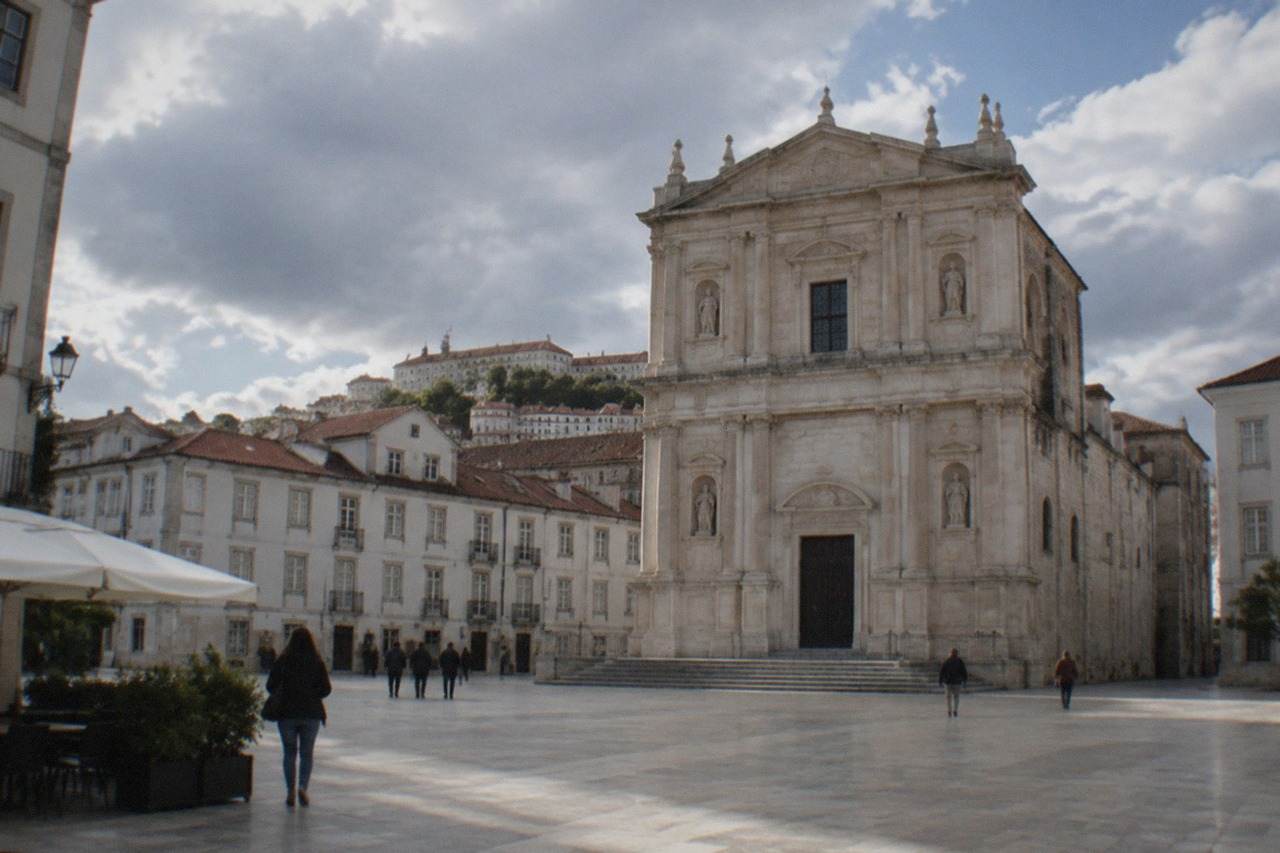
The Sé Nova de Coimbra is the city's New Cathedral, a working church in the upper town a short walk from the Paço das Escolas and the Sé Velha. There is no verified published ticket price or visiting schedule for it, so treat it as a free-to-enter place of worship you walk past between the university and the old cathedral, and plan your paid visits around the sites whose prices are confirmed.
The Sé Nova de Coimbra, the New Cathedral of Coimbra, Portugal, occupies the high ground of the old town between the university hill and the streets that tumble down to the River Mondego. It is the church the city moved its cathedral seat into, leaving the Sé Velha, the Old Cathedral, a few minutes' walk away with its older walls and its own separate ticket. This page explains what the Sé Nova is, where it fits on the hill, and how to plan the hours around it, using only figures that have been verified on official pages: the 3.00 EUR Sé Velha ticket, the 5.00 EUR Santa Cruz ticket, the University of Coimbra's own 2026 prices, and the IPMA climate normals for the city's own weather station.
One honest warning before anything else: no official page verified for this site publishes a ticket price or a fixed visiting schedule for the Sé Nova itself, and this site does not invent one. It is a working cathedral, and churches that hold services close to sightseers at those times, so the practical approach is to treat it as a walk-in stop on the upper-town circuit and to put your planning effort, and your money, into the sites whose prices are published. The rest of this guide is built around exactly that.
What Is the Sé Nova in Coimbra, Portugal?
The Sé Nova de Coimbra is the New Cathedral of Coimbra, the historic church into which the city's cathedral seat moved from the older Sé Velha on the same hill, and it still functions today as a working place of worship in the upper town. The name is literal: Sé Velha means Old Cathedral, Sé Nova means New Cathedral, and the pair sits within a few minutes of each other on the same hill. The New Cathedral belongs to the same UNESCO inscribed landscape's neighbourhood, the "University of Coimbra, Alta and Sofia" World Heritage property inscribed in 2013 under criteria (ii), (iv) and (vi), though the inscription covers the university hill and the Rua da Sofia colleges rather than the whole city, a distinction most guides get wrong.
The useful way to think about the two cathedrals is as one visit split in two. The Sé Velha is the paid monument: the Unidade Pastoral Aeminium, which runs it, publishes an individual ticket at 3.00 EUR per person and 2.50 EUR per person for groups of more than ten, with summer hours of 09:30 to 18:30 and winter hours of 09:30 to 17:30, Sundays 11:00 to 17:30 all year. The Sé Nova, by contrast, is the church you pass on the walk between the Sé Velha and the Paço das Escolas, the walled heart of the university, and the walk between them is one of the short, steep climbs that define the Alta upper town.
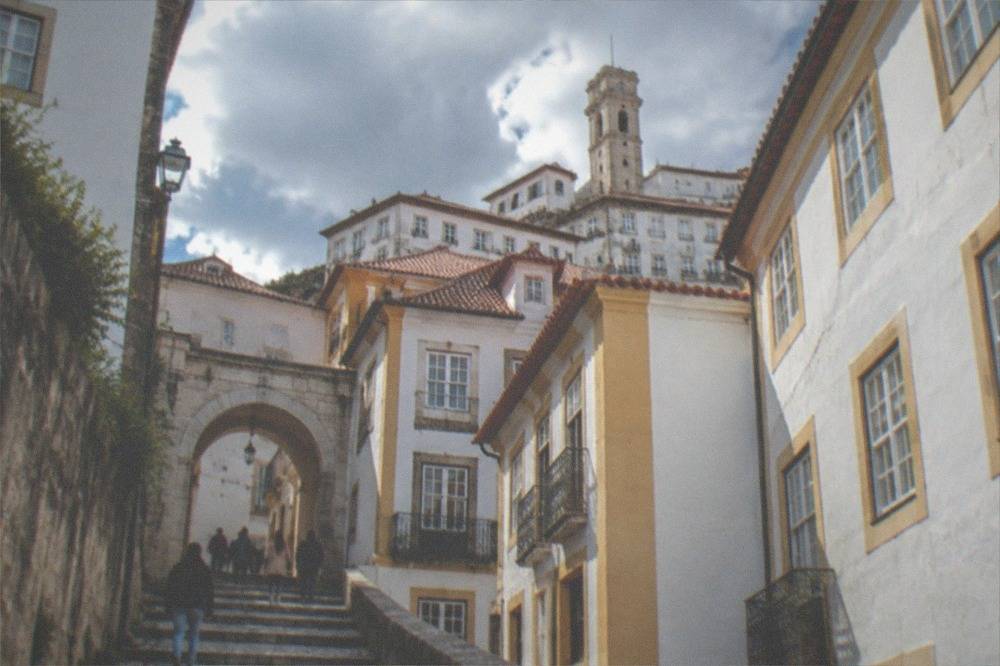
The hill itself is the thing to plan for. Coimbra's upper town rises sharply from the river, and the streets between the Sé Nova, the Sé Velha and the university gates are stepped, cobbled and unshaded in summer. The Elevador do Mercado exists precisely because of this climb, and the city's bus network covers the hill, though this site publishes only the fares it has verified from the operator's own 2026 tariff.
How do You Visit the Sé Nova, and Does It Cost Anything?
No verified ticket price or fixed visiting schedule for the Sé Nova de Coimbra is published on any official page this site could verify, so the honest answer is that you should expect a free-to-enter working cathedral whose access pauses for services, and plan nothing around a printed timetable for it. That is not a dodge, it is the state of the sources. The Unidade Pastoral Aeminium, which publishes prices and hours for the Sé Velha and the Mosteiro de Santa Cruz, publishes none for the Sé Nova, and this site's rules forbid printing a number or a schedule that no official source confirms.
What that means practically is freedom rather than limitation. The paid, timed and scheduled parts of a Coimbra visit are elsewhere, and they are all verified. The University's own combined ticket at 16.50 EUR, which includes the Biblioteca Joanina, the Royal Palace, the Capela de São Miguel and the science spaces, is the one that needs booking discipline, because the Joanina admits only 50 people every 20 minutes and the time printed on the ticket is the library slot specifically. The Sé Velha at 3.00 EUR and Santa Cruz at 5.00 EUR are simple walk-up tickets. The Sé Nova is the free pause between them.
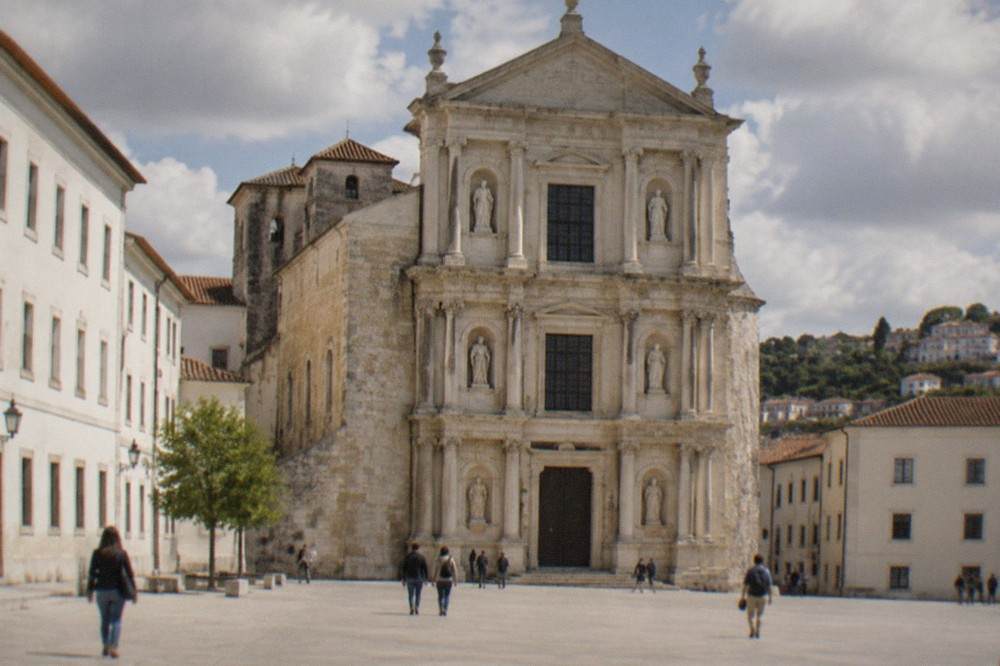
A sensible order for the upper town, given those constraints, looks like this:
| Stop | Verified price | Booking discipline needed |
|---|---|---|
| Sé Nova de Coimbra | None published, expect free entry | None, but pause for services |
| Sé Velha de Coimbra | 3.00 EUR individual, 2.50 EUR groups over 10 | Walk up, no timed slot |
| Paço das Escolas circuit | 12.50 EUR without Joanina | Ticket valid two days |
| Biblioteca Joanina combined ticket | 16.50 EUR | Timed slot, 50 people per 20 minutes, fixed on ticket |
| Mosteiro de Santa Cruz | 5.00 EUR individual | Walk up, closed Easter Sunday and the Cortejo da Queima das Fitas |
The one paid site in this neighbourhood you cannot plan around at all right now is the Museu Nacional de Machado de Castro, which is closed for conservation work, with no reopening date published. Its own page on the national Museus e Monumentos portal carries the closure line twice, and it also prints a normal-looking opening-hours table directly below it, which is exactly the trap: those hours belong to whenever the museum reopens and are not current. The museum sits above a Roman cryptoporticus of the mid-1st century, and until it opens again the honest advice is simply to check the museum's own page before planning around it.
Where Exactly Is the Sé Nova, and How Do the Two Cathedrals Compare?
The Sé Nova de Coimbra stands in the Alta, the upper town, roughly between the Paço das Escolas at the top of the hill and the Sé Velha a short walk below it, so the two cathedrals and the university form one connected circuit you can cover on foot in a morning. The geography matters more than the architecture for a first-time visitor, because Coimbra's old town is vertical: everything worth seeing in the Alta sits within a few hundred metres of everything else, but separated by stairs. The Baixa, downtown, at the bottom, is flat and commercial, and the river beyond it.
The comparison between the two cathedrals is really a comparison of what you pay for and what you get. The Sé Velha is the older, fortress-like building with a published ticket, published hours and a cloister. The Sé Nova is the larger, later church, a working cathedral with no published ticket, whose role in a visit is as a landmark and a free interior. Neither competes with the other, and the walk between them passes through the most photogenic stretch of the old town.
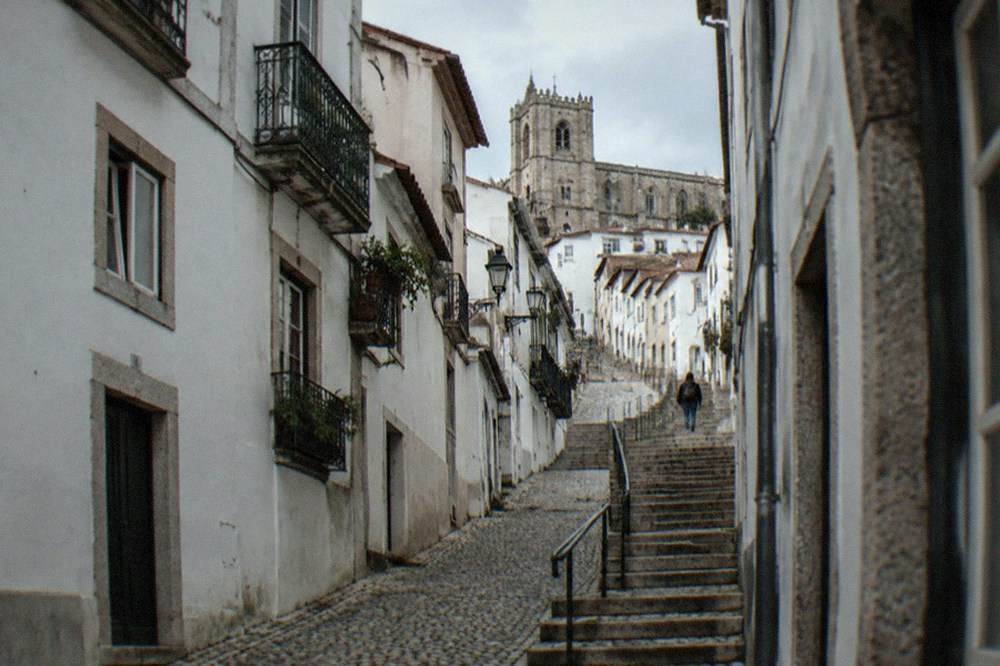
For orientation, the verified paid and free sites of the upper town and the streets below, with their published figures:
| Site | Position | Verified figure | Status |
|---|---|---|---|
| Sé Nova | Alta, between university and Sé Velha | No price published | Open as a working church |
| Sé Velha | Alta, below the university | 3.00 EUR individual | Open, published hours |
| Paço das Escolas | Top of the hill | 12.50 or 16.50 EUR | Open, summer 09:00 to 20:00, winter 09:00 to 17:30 |
| Torre da Universidade | Top of the hill | None | Closed, the University's own page states the facility is closed |
| Machado de Castro museum | Below the Sé Nova, Largo Dr. José Rodrigues | None | Closed for conservation work |
| Santa Cruz | Baixa, by the main square | 5.00 EUR individual | Open, 09:30 to 16:30 |
Note the tower. The Torre da Universidade, the clock tower that defines Coimbra's skyline, is closed: the University's own information page states "We regret to inform you that this facility is closed". No price, no hours, no climb. Any guide selling you a tower view is selling something the University itself says does not exist.
What Should You Combine with the Sé Nova in One Day?
The strongest single-day combination is the Sé Nova and Sé Velha pair in the morning, the University's Paço das Escolas circuit with a pre-booked Joanina slot at midday, and the Mosteiro de Santa Cruz in the Baixa in the afternoon, a route whose paid tickets are the 16.50 EUR university combined ticket, the 3.00 EUR Sé Velha and the 5.00 EUR Santa Cruz, and that needs only one timed booking. Those three published prices cover every paid, currently open monument in the city centre that has a verified figure.
The timed booking is the only part that can fail. The Biblioteca Joanina cannot be bought on its own; it exists only inside the 16.50 EUR combined ticket, admits 50 people every 20 minutes, and the date and time printed on the ticket is the library slot specifically. Entry outside the printed slot is refused, in the University's own wording. Online purchase closes 20 minutes before the visit time, and counter purchase is possible subject to slot availability. The rest of the ticket is valid for two days, so the Joanina slot can anchor one day while the palace, chapel and science spaces spill into the next.
If the Joanina slots for your date are gone, the 12.50 EUR ticket without the library is a genuine alternative rather than a consolation: it still covers the Royal Palace, the Capela de São Miguel, the Chemistry Laboratory, the Academic Museum, the Cabinet of Curiosities and the Mineral Gallery, valid two days. The Joanina Library is the headline, but the palace spaces are the bulk of the visit.
For families, the verified add-on is Portugal dos Pequenitos, the miniature village across the river operated by the Fundação Bissaya Barreto. Its own horário page publishes hours, 10:00 to 17:00 in the winter stretch and 10:00 to 19:00 from 1 March to 15 October, closed Christmas Day, but its price page renders client-side and no euro amount could be verified, so this site publishes the hours and points you to the venue's own ticket page rather than a number. The Portugal dos Pequenitos guide covers the full planning picture.
When Is the Best Time of Year to Visit Coimbra's Cathedral Quarter?
The best months for a visit built around the Sé Nova and the upper town are May, June and September, because IPMA's 1991 to 2020 normals for the Coimbra / Bencanta station show September with a mean maximum of 27.4 C, higher than June's 26.3 C, and only 49.9 mm of rain, while the heavy autumn rain holds off until October, when the monthly total jumps to 114.5 mm. That September figure is the one almost nobody uses: the crowds of summer have gone and the weather has not, and it is genuinely hotter than June on average, not colder.
August is the hottest month, not July, on both mean and mean maximum, averaging 10.9 days above 30 C, and the record at the same station is 41.2 C on 7 August 2016. July is effectively dry at 8.9 mm of rain. November is the wettest month at 121.5 mm, marginally ahead of October's 114.5 mm and January's 113.5 mm, and Coimbra's rain is autumn and winter rain. For a full breakdown see the best time to visit planning pages and the month tables.
| Month | Mean max C | Rain mm | Days 1mm+ rain | Verdict for the upper town |
|---|---|---|---|---|
| May | 23.3 | 64.7 | 8.5 | Warm, green, good |
| June | 26.3 | 26.0 | 3.7 | Hot and dry, steep streets |
| July | 28.5 | 8.9 | 1.7 | Effectively dry, very hot |
| August | 29.1 | 14.8 | 2.2 | Hottest month, 10.9 days above 30 C |
| September | 27.4 | 49.9 | 5.2 | The best-kept secret, crowds gone |
| October | 23.2 | 114.5 | 10.3 | Rain arrives in earnest |
| November | 18.0 | 121.5 | 11.5 | Wettest month |
One date to plan around in May: the University closes its visitor circuit on 24 May, and the Mosteiro de Santa Cruz suspends visits on the Cortejo da Queima das Fitas, a moveable Sunday in May. The student festival fills the city and closes monuments for the day, so a May visit should check those two closures before locking an itinerary. The exact festival dates are not published on an official page this site could verify, so they are not printed here. Other pages covering the same trip are gathered on Coimbra Travel Guide.
How do You Get to the Sé Nova, and What Does Local Transport Cost?
The Sé Nova sits in the upper town, reachable on foot from the Baixa by a steep climb of a few minutes, and the verified SMTUC fares are 2.00 EUR for a ticket bought from the driver and 0.90 EUR per trip when pre-purchased in packs of three or more, with one trip valid 90 minutes on the urban network including transfers. The pre-purchased option is the one that matters for a visitor making multiple trips up and down the hill, at less than half the on-board price.
The 2026 SMTUC tariff, read from the operator's own PDF, also confirms that SMTUC tickets are valid on the Metro Mondego network as well, the new BRT system opening in stages across the city, so a bus ticket is not stranded when the network changes. The tariff lists day passes at one, three and seven days, but the row-to-price mapping in the PDF is inferred from column order rather than confirmed, so this site does not print those numbers. The driver ticket and the pre-purchased trip price are confirmed and printed above.
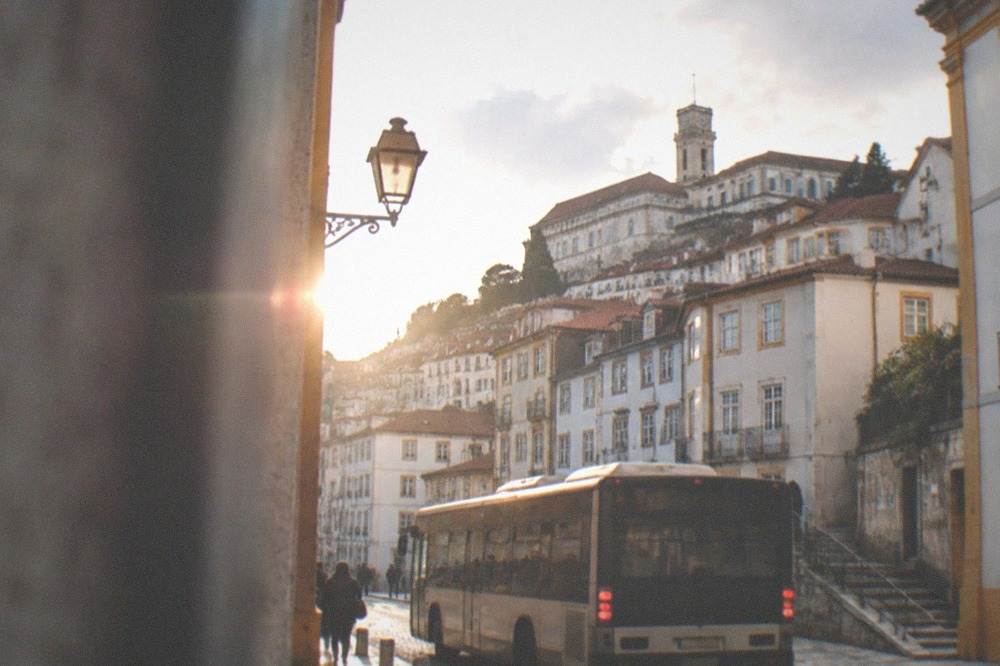
For anyone arriving by train, Coimbra has two stations with confusingly similar names, Coimbra-B and Coimbra-A, in different places, and CP, the national operator, is where to check which trains call where. This site does not publish the stopping pattern or the shuttle details, because CP's own pages could not confirm them, and a wrong answer here is worse than a pointer. The train stations A and B questions are covered elsewhere on this site with the same honesty.
Is the Sé Nova Worth Including If You Only Have One Day in Coimbra?
Yes, but as a pass-through rather than a destination: with one day, the Sé Nova earns its place on the walk between the Paço das Escolas and the Sé Velha, and it costs you nothing but the ten minutes you choose to give it, while the paid time should go to the 16.50 EUR university ticket, the 3.00 EUR Sé Velha and, if time allows, the 5.00 EUR Santa Cruz. A one-day visitor who treats the cathedral quarter as a single circuit, rather than a list of separate destinations, sees more and climbs less.
The economics of a Coimbra day are unusually kind. The full paid set of verified, currently open centre monuments, the university combined ticket, both cathedral-related paid sites and Santa Cruz, comes to the sum of those three published prices per adult. Add the municipality's tourist tax, 1.00 EUR per guest per overnight stay, capped at three consecutive nights, from age 16, paid to the accommodation at check-in or check-out, and the whole cost of a monument-heavy day plus a night's tax remains modest by any Western European measure. Note the tax figure carefully: it is one euro, not two, and a two-euro rise was only a proposal approved by the municipal executive on 21 July 2026, not the rate in force.
The municipality's own numbers explain the tax. Coimbra recorded 698,151 overnight stays in 2025, the municipality's own figure for the municipality, and its study puts the annual municipal cost associated with tourism at 2.44 million EUR, or 3.49 EUR per overnight stay, against which the one-euro tax sits below cost. That is a genuinely official, city-level figure almost no competing guide carries, and it is the honest context for the charge at your hotel desk.
| Cost item | Verified figure | Notes |
|---|---|---|
| University combined ticket with Joanina | 16.50 EUR | Timed library slot, valid two days |
| University ticket without Joanina | 12.50 EUR | Same spaces, no library |
| Sé Velha individual ticket | 3.00 EUR | Groups over 10 pay 2.50 EUR |
| Mosteiro de Santa Cruz individual ticket | 5.00 EUR | Groups of 12+ pay 3.50 EUR |
| Tourist tax | 1.00 EUR per night, max 3 nights | From age 16, paid to accommodation |
| SMTUC ticket from driver | 2.00 EUR | Pre-purchased trips 0.90 EUR |
What Is There to See Near the Sé Nova Beyond the Cathedrals?
Within a few minutes' walk of the Sé Nova the verified open sites are the Sé Velha, the Paço das Escolas circuit, the Botanical Garden and the Penedo da Saudade viewpoint, while the closed ones to know about are the Torre da Universidade, the Machado de Castro museum and, further down, the Mosteiro de Santa Clara-a-Velha, which has been closed for works and should be checked before any visit. The upper town is dense enough that a bad plan wastes more time than a good one saves.
The Penedo da Saudade, the Santa Clara district side of the river, and the green escapes all reward the walk. The Choupal forest and the Parque Verde do Mondego give the flat, riverside counterpoint to the hill, and the Botanical Garden sits on the university side of the Alta with its own guided tour at 10.00 EUR published on the University's visit pages.
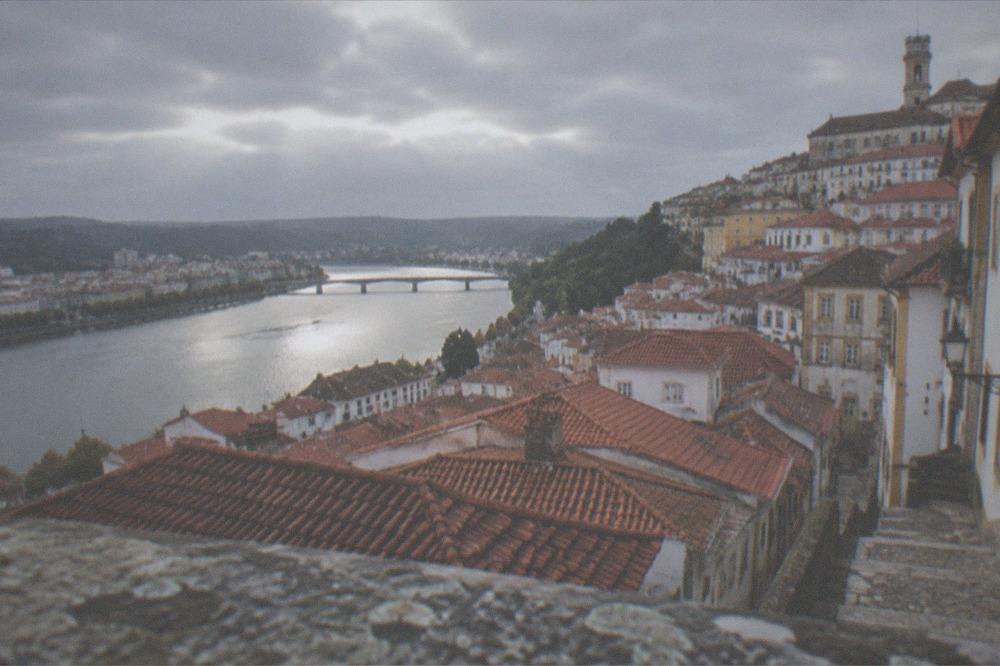
For the day trips, the verified option with published figures is Conímbriga, the Roman town about 16 km south in the parish of Condeixa-a-Velha, in the municipality of Condeixa-a-Nova. Its national museum publishes a combined ticket at 10.00 EUR covering museum and ruins together, open Monday to Sunday, 10:00 to 18:00, ticket office closing 17:15. It is open seven days a week, which makes it the reliable Monday option when monuments that close on Mondays are shut. The Conímbriga Roman ruins guide covers it fully.
The wider day-trip menu, the schist villages, Fátima, Tomar, the Buçaco forest, is covered on this site's day-trip pages, each with its own verified detail. What this page adds is the ordering principle: the cathedral quarter is a half-day, the university needs its timed slot, and everything beyond the city is a half-day or more, so a two-day stay is the natural fit.
Where Should You Eat and Drink Around the Cathedral Quarter?
No restaurant, café or bar in Coimbra had its hours, prices or address verified on this build, so this site names no specific opening time or menu figure for any of them, and the honest guidance is structural: the Baixa below the cathedrals holds the densest concentration of eating places, the upper town holds fewer and steeper options, and the historic café culture of the city is covered separately on this site's dedicated guide. The historic cafés page exists precisely because the buildings outlive the menus, and the food pages cover the verified food culture, including leitão da Bairrada, the roast suckling pig of the region to the city's south.
What can be said with figures attached is the planning layer. A day built around the Sé Nova and the university puts you at the top of the hill at midday, and the descent to the Baixa is where the eating happens, near the Santa Cruz end of the circuit. The student traditions of the city, the Repúblicas that line the streets between the cathedrals and the river, shape the evening atmosphere rather than the lunch one, and the fado of Coimbra, the city's own distinct tradition, is covered on this site's fado pages with the verified show options.
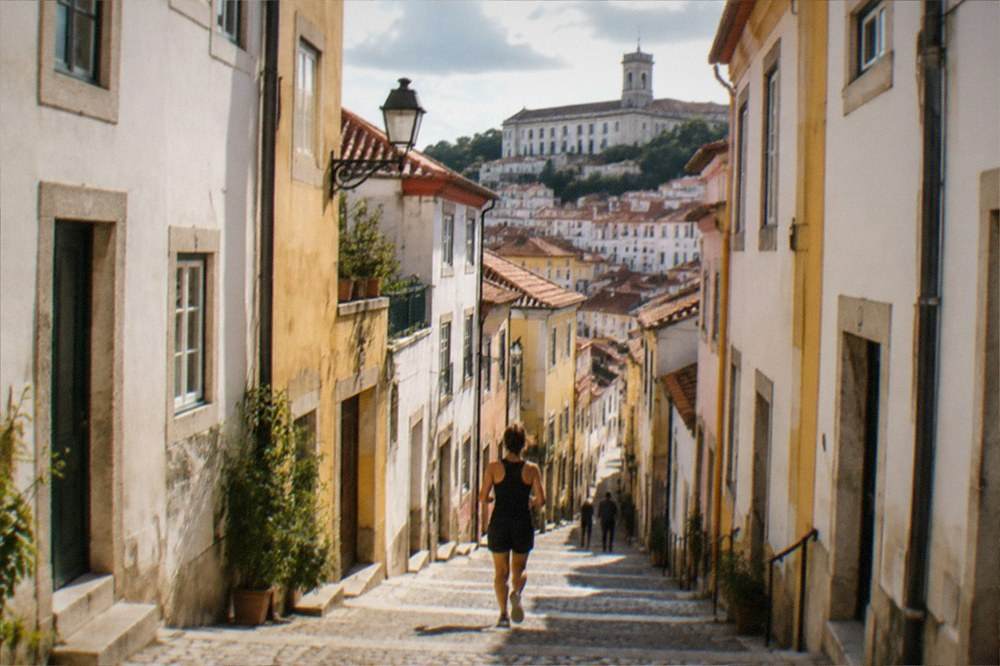
A budget sketch for the day, using only the verified figures:
| Item | Verified figure | Applies to |
|---|---|---|
| University combined ticket | 16.50 EUR | Includes the fixed Joanina library slot |
| Sé Velha individual ticket | 3.00 EUR | Groups over 10 pay 2.50 EUR |
| Mosteiro de Santa Cruz ticket | 5.00 EUR | Individual admission |
| SMTUC travel, pre-purchased | 0.90 EUR per trip | Packs of 3 or more trips |
| Tourist tax | 1.00 EUR per night, max 3 nights | Paid at accommodation, age 16+ |
| Conímbriga day trip ticket | 10.00 EUR | Museum and ruins combined, if added |
Meals sit outside that table on purpose. This site publishes no meal price for Coimbra because none was verified, and a planning range invented here would be exactly the kind of number the rest of this page refuses to print.
What do Guides Get Wrong About Coimbra's Cathedrals?
The three errors to watch for are the claim that Coimbra is a UNESCO World Heritage city, which is false because the 2013 inscription covers only the University of Coimbra, Alta and Sofia, the claim of a tower climb at the Torre da Universidade, which the University's own page says is closed, and printed hours or prices for the Machado de Castro museum, which is closed for conservation work with no reopening date published. A guide that gets all three right is rare, and this page is built to be one of them.
The UNESCO point deserves its own sentence because it is the most common error in English-language writing about this city. The inscribed property is "University of Coimbra, Alta and Sofia", list reference 1387, inscribed in 2013 under criteria (ii), (iv) and (vi): two components inside the old town, the university hill and the college street, the Rua da Sofia. Not the city, not the Baixa, not the riverside, and not, strictly, the Sé Nova, though the cathedral sits inside the old town that surrounds the inscribed area. The UNESCO World Heritage coverage on this site spells out the boundary.
The second error, the tower, is a commercial one: tours and articles still sell the climb. The University's own information page states the facility is closed, and this site will not describe a climb, a price or a view from a staircase the operator itself has shut. The third, the museum, is subtler, because the museum's own page prints a normal-looking hours table directly below its closure line, and anything that reads the page carelessly publishes hours for a building nobody can enter.
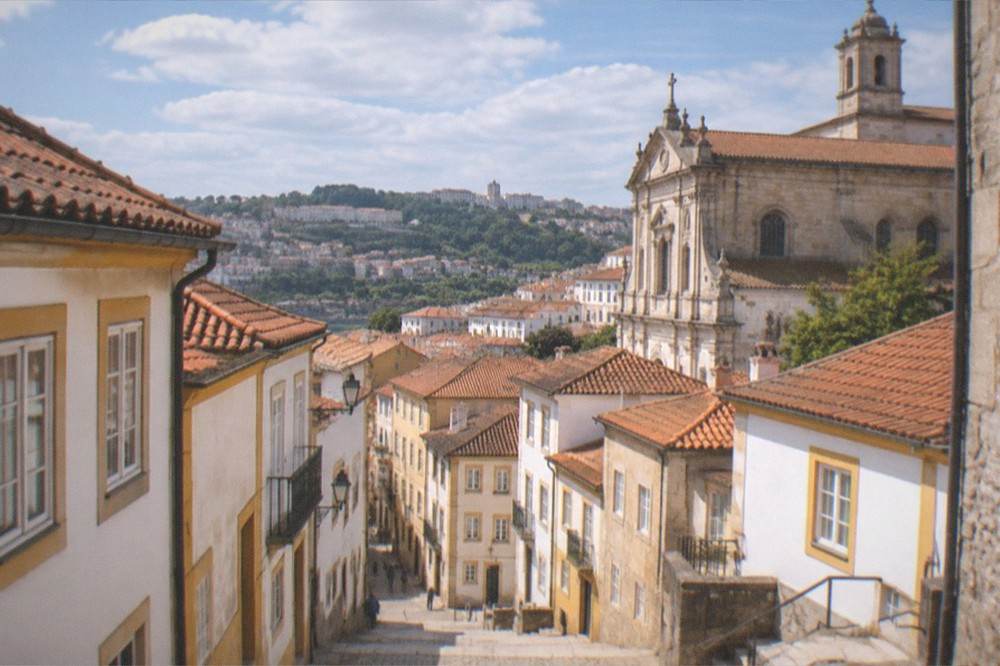
The Sé Nova itself is the quiet one among these errors precisely because so little about it is printed anywhere: no verified price, no verified schedule, no verified closure. Its role in a good itinerary is the free interval between the two things that do need planning, and a visitor who understands that role has understood the cathedral quarter.
Common Questions About the Sé Nova de Coimbra
Does the Sé Nova in Coimbra charge admission?
No verified ticket price is published for the Sé Nova de Coimbra on any official page this site could verify. Treat it as a free-to-enter working cathedral whose access pauses for services, and put your paid budget toward the verified tickets: the 16.50 EUR university combined ticket, the 3.00 EUR Sé Velha and the 5.00 EUR Santa Cruz.
What is the difference between the Sé Velha and the Sé Nova?
The Sé Velha is the Old Cathedral of Coimbra, the paid monument with a published 3.00 EUR individual ticket and published hours. The Sé Nova is the New Cathedral, the working church into which the cathedral seat moved, with no published price or schedule. They sit a few minutes apart on the same hill and are best visited as one circuit.
How long should I spend at the Sé Nova?
Plan for a short visit, in the range of ten to twenty minutes as a walk-in stop, since no published itinerary or timed system exists for it. The planning effort belongs to the Biblioteca Joanina, which admits only 50 people every 20 minutes and refuses entry outside the printed slot on the 16.50 EUR combined ticket.
Is the Sé Nova inside the UNESCO World Heritage area?
The UNESCO inscription, "University of Coimbra, Alta and Sofia", list reference 1387, inscribed in 2013, covers two components inside the old town: the university hill and the Rua da Sofia college street. It is not the whole city, and Coimbra is not a "UNESCO World Heritage city", which is the single most common error in guides to this city.
What is the best month to visit Coimbra's cathedral quarter?
September, on IPMA's 1991 to 2020 normals for the Coimbra / Bencanta station: a mean maximum of 27.4 C, higher than June's 26.3 C, with only 49.9 mm of rain, while the heavy autumn rain holds off until October, when the total jumps to 114.5 mm. May and June are also strong, and August is the hottest month, not July.
Can I visit the Machado de Castro museum while I am at the cathedrals?
No. The Museu Nacional de Machado de Castro is closed for conservation work, with no reopening date published, despite a normal-looking hours table printed on its own page below the closure line. Check the museum's own page before planning around it, and spend the time at the Sé Velha or the university circuit instead.
The Sé Nova de Coimbra asks nothing of you but the climb, and everything around it, the 3.00 EUR Old Cathedral, the 16.50 EUR university ticket with its fixed Joanina slot, the 5.00 EUR Santa Cruz and the free streets between them, is published, verified and waiting on the same hill.