Mata do Choupal: Coimbra's National Forest
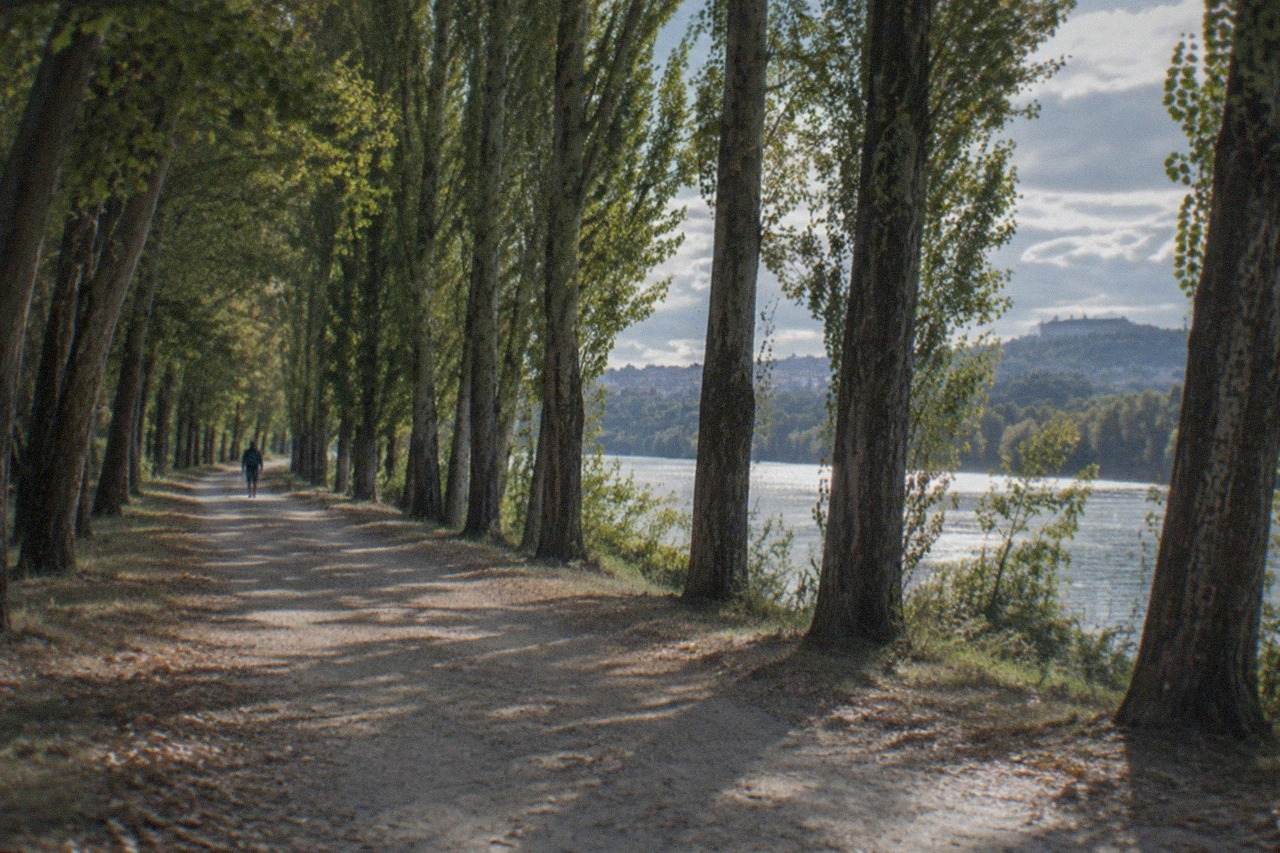
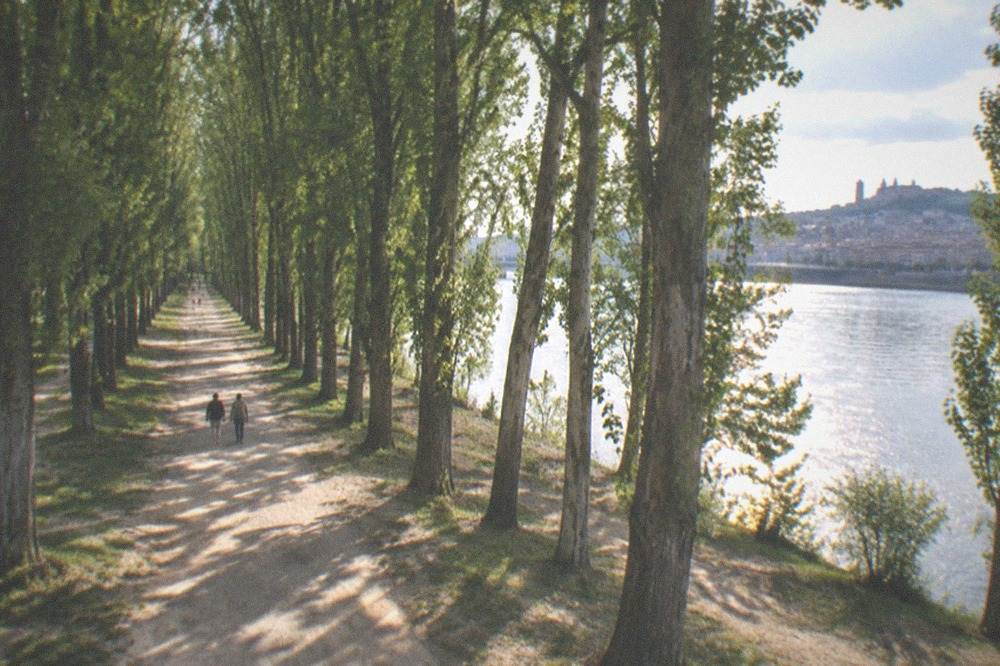
The Mata do Choupal is the flat, riverside woodland on the north bank of the River Mondego in Coimbra, Portugal, the university city's own national forest and the one green space in the city where the walking is easy and the ground is level.
Short answer
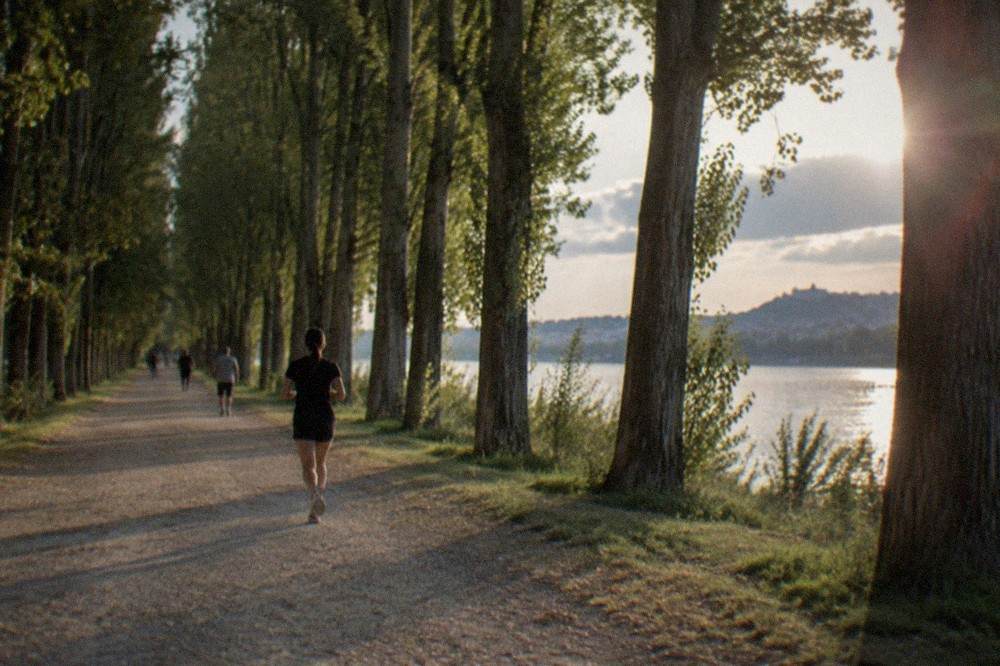
The Mata do Choupal is a national forest on the edge of Coimbra, Portugal, a flat woodland beside the River Mondego that locals use for walking, running and riverside picnics. Unlike the steep lanes of the old town, it is level ground, it is free to enter, and it is reached by the city's SMTUC buses, whose tickets are also valid on the new Metro Mondego network.
The Mata do Choupal is the riverside national forest on the northern edge of Coimbra, Portugal, the university city on the River Mondego, and it is the answer to a question every visitor eventually asks: where does one go in this city when the climb up to the university hill has been done and the legs want level ground? The old town of Coimbra is built on a steep hill, and the Coimbra Travel Guide exists partly to say plainly which parts of the city reward effort and which reward ease. The Choupal is firmly in the second category: flat woodland beside the Mondego, free to enter, used by locals for walking, running and riverside picnics, and close enough to the centre that it fits into an afternoon.
The name itself tells you what the place is. Choupo is the Portuguese word for poplar, and the Mata do Choupal is the poplar wood, planted riverside forest that has long been managed as a national forest rather than left wild. Where the Alta upper town is stone and stairs, the Choupal is shade and water, and the two are close enough that a visitor can do both in one day without rushing.
What Is the Mata do Choupal and Why Does Coimbra, Portugal, Value It?
The Mata do Choupal is a managed national forest on the north bank of the River Mondego in Coimbra, Portugal, a flat woodland of riverside trees that functions as the city's everyday park. It is free to enter, its paths run level along the water, and it is the natural counterpart to the steep UNESCO-inscribed university hill above the old town, which was inscribed in 2013 as "University of Coimbra, Alta and Sofia" and covers two components of the old town, not the whole city.
That last point matters more here than it might seem, because Coimbra's fame is the university, and the university's fame is the hill. UNESCO's list reference 1387, inscribed in 2013 under criteria (ii), (iv) and (vi), names the Alta, the university hill with the Paço das Escolas and the Biblioteca Joanina, and Sofia, the college street below. It does not name the riverside, and it does not name the Choupal. What the inscription gives the visitor is a reason to climb; what the Choupal gives them is a reason to come back down and stay a while.
The forest sits in the Mondego's flood plain, which is why the ground is flat and why the trees grow the way they do. Locals use it year round, and the city treats it as ordinary infrastructure rather than a ticketed attraction. There is no entrance fee, no timed slot and no queue, which after a morning of the University's own strict ticketing rules, the Biblioteca Joanina admits 50 people every 20 minutes and refuses entry outside the printed slot, comes as genuine relief.
The University's own published figure of about 31,000 students, printed on its homepage under "The University in Numbers", explains the Choupal's character. A city with that many students produces a lot of runners, a lot of cyclists and a lot of people who want somewhere green to sit, and the Choupal is where they go.
How do You Get to the Choupal Forest from Central Coimbra?
You reach the Mata do Choupal using Coimbra's SMTUC city buses, where a ticket bought from the driver costs 2.00 EUR and a pre-purchased ticket, bought in packs of three or more trips, costs 0.90 EUR per trip, with each journey valid for 90 minutes on the urban network including transfers. The 2026 SMTUC tariff also states that its tickets are valid on the Metro Mondego network as well, so the same title covers both systems.
Those figures come from the operator's own 2026 tariff, in force since 1 April 2026, and they are the numbers to plan around. The 90-minute validity window is generous for a city of Coimbra's size: a visitor can validate once, ride toward the river, and the same ticket covers the transfers within the window. The tariff also lists a large-family one-day ticket at 1.00 EUR for seven trips and a Viagem ConVIDA support card at 0.50 EUR for occasional and pre-purchased tickets, though for a short stay the pre-purchased pack at 0.90 EUR is the figure that matters.
| SMTUC ticket type | Price | Notes from the 2026 tariff |
|---|---|---|
| Single ticket from the driver | 2.00 EUR | Bought on board the vehicle |
| Pre-purchased, 3 or more trips | 0.90 EUR per trip | Loaded in advance, not on board |
| Validity of one trip | 90 minutes | Urban network, transfers included within the window |
| Large-family 1-day ticket | 1.00 EUR | Covers 7 trips |
| Viagem ConVIDA support card | 0.50 EUR | For occasional and pre-purchased tickets |
| Fare evasion fine | 120.00 to 350.00 EUR | The tariff's own stated range |
Two cautions from the site's verified research. First, the SMTUC tariff's day-pass grid is laid out in a way this site's research pass could not confirm row by row, so no one-day or multi-day pass price is published here; the operator's own tariff PDF is the place to check. Second, the Elevador do Mercado, the funicular that lifts passengers up from the Baixa toward the university hill, appears in the tariff only under a combined line, and its standalone single-ride price is unsourced, so nothing is quoted for it. The Elevador do Mercado hill lift has its own page with what is verified.
The Choupal also connects, in spirit and in geography, to the Parque Verde do Mondego, the modern riverside park on the Mondego's banks closer to the centre. The two are different places with different characters, and the table further down compares them properly.
If the flat riverside woodland whets an appetite for the region's bigger forests, the guided options below are the ones this site has verified, starting with the Bussaco forest and palace trip that pairs most naturally with a Choupal visit.
What Can You Actually Do in the Mata do Choupal?
The Mata do Choupal is used for walking, running, cycling and riverside picnics on flat ground beside the River Mondego, and it is free to enter with no ticket, no timed entry and no capacity limit. It is the level counterpart to Coimbra's hilltop attractions, and its position on the river makes it the natural place to end or break a day spent in the old town.
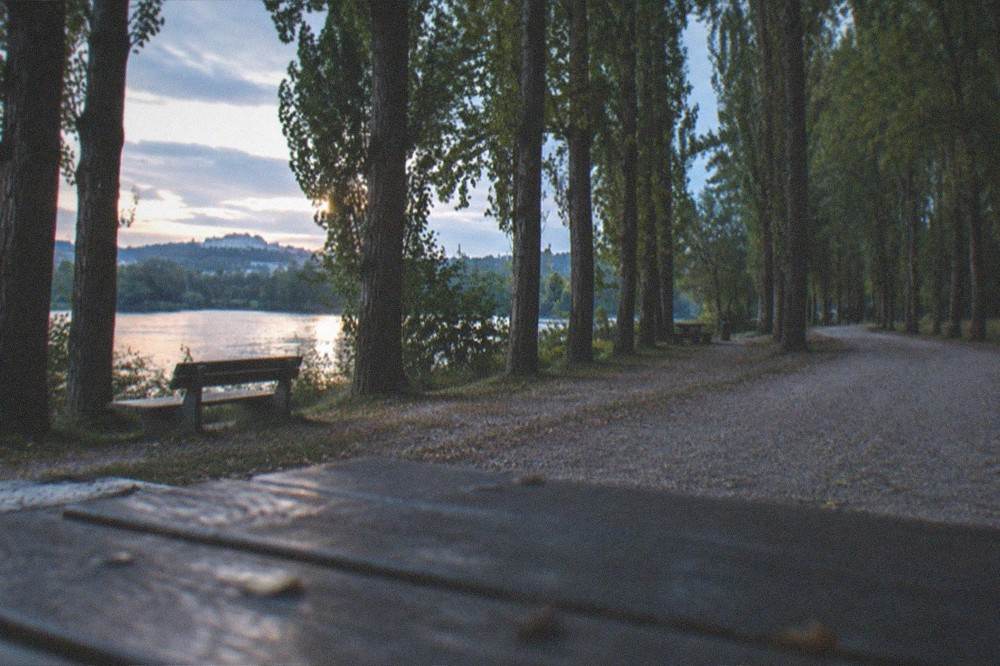
The honest framing is this: the Choupal is not a monument and does not behave like one. There is no ticket desk, no audioguide and no queue, and nothing in the site's verified research attaches an opening hour or a price to it, because none applies to an open urban forest. What the research does support is what surrounds it. The Mondego is the river that defines the city's geography, the forest sits on its north bank, and the walking is flat in a city where almost nothing else is.
A practical afternoon looks like this. Descend from the university hill through the Baixa downtown, cross the river, and let the ground level out. The contrast is the point: the morning was the Paço das Escolas, the Royal Palace and the Capela de São Miguel, all of it uphill and all of it ticketed, and the afternoon is shade, water and a bench. Visitors combining the two should remember that the University's combined ticket, 16.50 EUR for the adult version that includes the Biblioteca Joanina, is valid for two days except the fixed Joanina slot, so the Choupal afternoon does not have to cost the university morning.
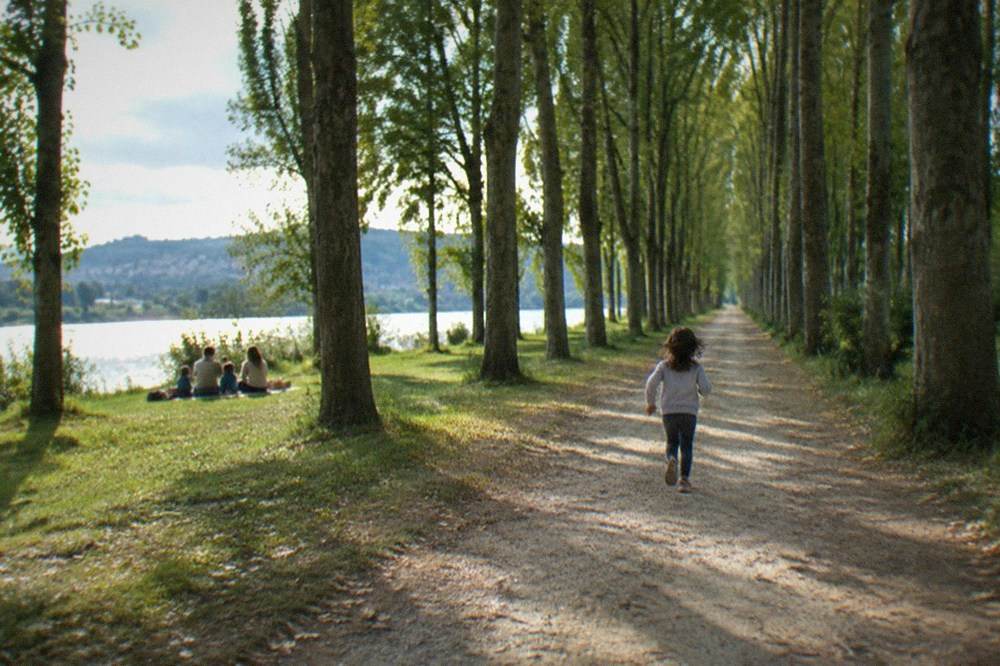
Families will find the same logic applies. The Botanical Garden is the University's own cultivated green space on the hillside, and the University sells a guided tour of it at 10.00 EUR, but the Choupal asks nothing and imposes nothing, which for small children is its own kind of recommendation. The site's page on Portugal dos Pequenitos covers the city's other great family option, whose published hours run 10:00 to 17:00 in the winter period and 10:00 to 19:00 from 1 March to 15 October, though its price page renders only in a browser and no figure is published here.
For visitors whose taste in forest runs bigger than a riverside wood, the Bussaco trip below is the natural upgrade: a guided half-day into the Forest and Palace of Bussaco, rated 5 from 50 reviews and running about four hours from Coimbra.
The Bussaco tour is a private half-day with a coffee stop, from $87.81 per person, and it is the one this page's planning table returns to below. Before booking anything, though, the reassurance worth having: this listing, like the others on this site, is checked through the operator's live listing, and the standard terms there cover cancellation and payment at the time of booking rather than on arrival.
When Is the Best Time of Year to Visit the Choupal Forest?
The best months for the Mata do Choupal are May to September, and September is the quiet standout: IPMA's 1991 to 2020 normals for the Coimbra / Bencanta station show September with a mean maximum of 27.4 C, actually higher than June's 26.3 C, on only 49.9 mm of rain, while July at 8.9 mm is effectively dry. The autumn rain holds off until October, when the monthly total jumps to 114.5 mm.
Those figures come from IPMA's climate normals for the city's own station, Coimbra / Bencanta, station number 707, the 1991 to 2020 series, which is the city's measurement rather than a coastal proxy. The district of Coimbra reaches the Atlantic, but the city does not touch the sea, so a coastal figure would describe a different place.
| Month | Mean max C | Mean min C | Rain mm | Days with 1 mm+ rain | Days max 30 C+ |
|---|---|---|---|---|---|
| March | 19.1 | 7.8 | 75.4 | 9.4 | 0.0 |
| April | 20.5 | 9.4 | 84.6 | 10.6 | 0.7 |
| May | 23.3 | 11.8 | 64.7 | 8.5 | 3.5 |
| June | 26.3 | 14.2 | 26.0 | 3.7 | 6.2 |
| July | 28.5 | 15.6 | 8.9 | 1.7 | 8.9 |
| August | 29.1 | 15.7 | 14.8 | 2.2 | 10.9 |
| September | 27.4 | 14.1 | 49.9 | 5.2 | 7.8 |
| October | 23.2 | 11.9 | 114.5 | 10.3 | 2.0 |
Two readings of that table are worth writing out, because a first page of search results gets them backwards. August, not July, is Coimbra's hottest month on both the mean and the mean maximum, and it averages 10.9 days above 30 C. And September is both hotter and wetter than June, 27.4 C against 26.3 C and 49.9 mm against 26.0 mm; what makes September golden is not dryness relative to June but the fact that the real autumn rain, October's 114.5 mm and November's 121.5 mm, has not yet arrived.
For a forest walk, the practical translation is simple. Summer visits should aim for morning or late afternoon, since a shaded riverside path is precisely where the cool hours are best spent. Winter visits are perfectly possible, but November is the wettest month of the year at 121.5 mm, marginally ahead of October and January, so the flat paths that make the Choupal easy also make it puddled. The site's best time to visit page carries the full month-by-month picture.
How Does the Choupal Compare with Coimbra's Other Green Spaces?
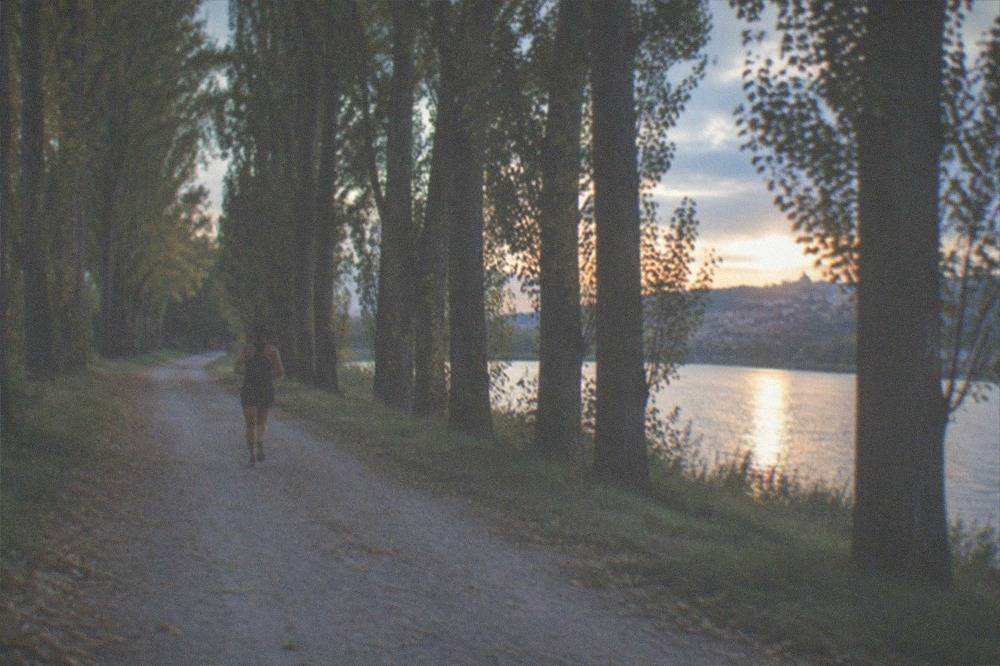
The Choupal is Coimbra's flat, free, riverside national forest, and it differs from the city's other green spaces in exactly three ways: it is level ground where the Botanical Garden is hillside, it is free where the University's guided garden tour costs 10.00 EUR, and it is woodland by the Mondego where the Parque Verde do Mondego is a designed modern park on the same river.
Coimbra is not short of green, but its green spaces are not interchangeable, and choosing the wrong one for the wrong mood is a common planning error. The table below lays out what the site's verified research supports for each.
| Green space | Character | Ground | Cost basis from verified research |
|---|---|---|---|
| Mata do Choupal | Riverside national forest, everyday use | Flat | No ticket applies |
| Parque Verde do Mondego | Designed riverside park near the centre | Flat | No ticket applies |
| University Botanical Garden | Cultivated university garden | Hillside | Guided tour 10.00 EUR, per visit.uc.pt |
| Penedo da Saudade | Wooded hillside viewpoint | Steep | No ticket applies |
| Forest of Bussaco (day trip) | Great managed forest and palace | Varied | Guided tours from $87.81 per person |
The Penedo da Saudade spelling matters, and so does the geography: Penedo da Saudade is the wooded hill on the city side, a place of steep paths and views, and it is the opposite experience of the Choupal despite being close by. Bussaco, reached as a day trip, is the region's grand forest, and the site's Bussaco Forest day trip page covers it in detail.
For visitors deciding between a self-guided riverside afternoon and a guided forest excursion, the honest comparison is about scale. The Choupal is an urban wood you can walk in an hour without a map. Bussaco and the schist country of the Lousã hills are landscapes, and the guided options that reach them are listed with their verified prices in the day-trip table near the end of this page.
What Should You Know About the River Mondego at the Choupal?
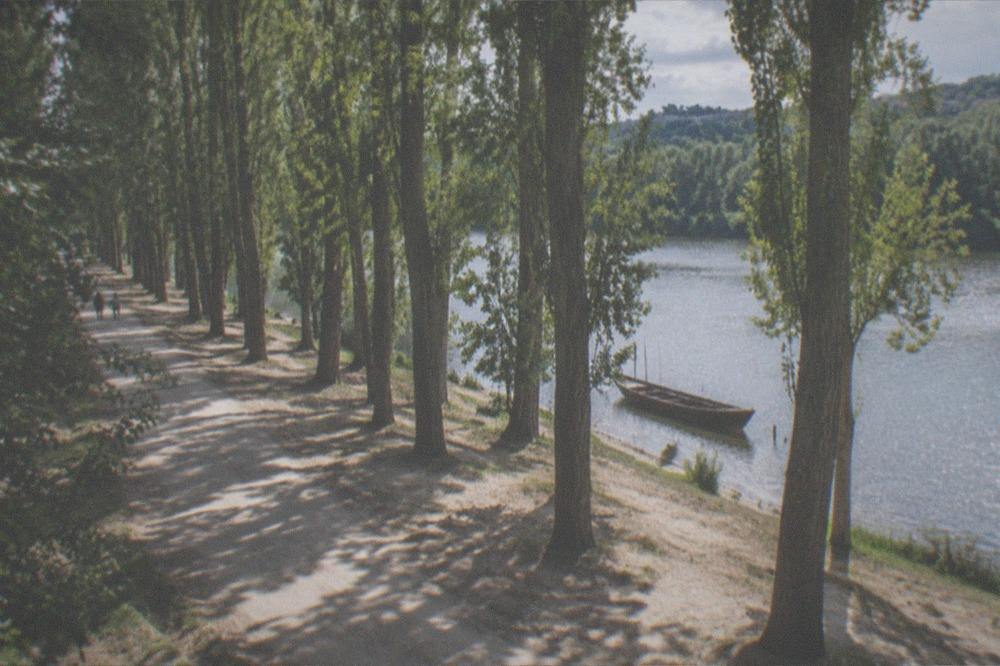
The River Mondego is the river the Mata do Choupal stands beside, the same river that defines Coimbra's geography, separates the old city from the Santa Clara side, and carries the city's river cruises, which run as 50-minute trips with a traditional boat option rated 4.6 from 171 reviews and a city-views cruise rated 4.2 from 43 reviews.
The Mondego is not scenery from a distance; it is the working axis of the city. The old town rises on one bank, the Santa Clara district sits on the other, and the Choupal occupies the flat northern riverside ground where the river broadens. Two verified cautions apply to the Santa Clara side. Mosteiro de Santa Clara-a-Velha has been closed for requalification work since 20 October 2025, and this site publishes no price or opening time for it because none could be confirmed on an official page. And the Museu Nacional de Machado de Castro, up the hill on the city side, is closed for conservation work, with no reopening date published; its official page carries the closure line twice, and the normal-looking hours printed below it belong to whenever it reopens, not to now.
Seeing the river from the water is the other way to appreciate what the Choupal sits beside. The traditional Barca Serrana boat trip below is the verified option, 50 minutes on the water from the city.
Can You Combine the Choupal with a Longer Forest Day Trip?
Yes, and the pairing the site recommends is a Choupal afternoon after a guided morning into the Lousã hills or Bussaco, using verified tours that run three to eight hours from Coimbra: the Schist Villages at Lousa Mountain tour at four hours and $105.37 per person, the lunch-included castles tour at four and a half hours and $128.78 per person, and the full-day Piodão cascades tour at eight hours and $152.20 per person.
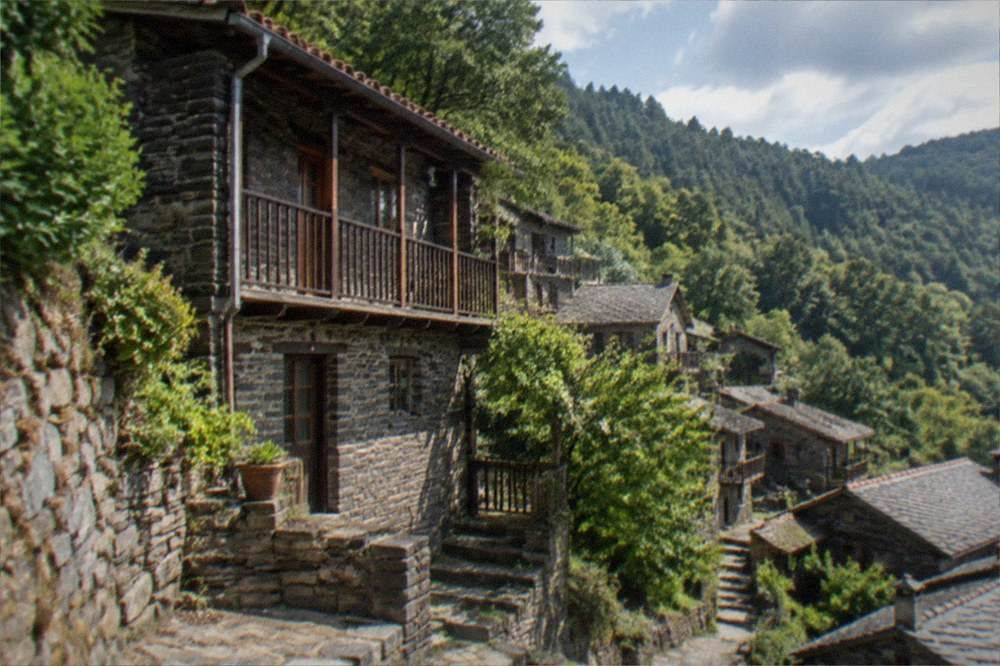
The schist villages are the region's signature landscape: stone hamlets in the Lousã hills east of the city, reached by road, and the kind of place where a guide and a vehicle change the day completely. The table below is the verified day-trip roster from this site's tour list, with the prices and ratings exactly as the listings carry them.
| Verified day trip from Coimbra | Duration | From price per person | Rating |
|---|---|---|---|
| Schist Villages at Lousa Mountain | 4 hours | $105.37 | 4.9 from 133 reviews |
| An adventure through the Schist Villages of Lousã | 3 to 4 hours | $87.81 | 5 from 105 reviews |
| Schist Villages and Medieval Castles Tour, lunch included | 4 hours 30 minutes | $128.78 | 5 from 40 reviews |
| A tour between Cascades and Schist Villages, Piodão | 8 hours | $152.20 | 5 from 48 reviews |
| Conimbriga and The Roman Tour | 4 hours | $105.37 | 4.8 from 136 reviews |
| Forest and Palace of Bussaco | 4 hours | $87.81 | 5 from 50 reviews |
For visitors who want the schist country with a guide and a small group, the Lousã mountain tour below is the one this site highlights, four hours and rated 4.9 from 133 reviews.
The Roman option in that table deserves its own note. Conímbriga is a Roman town about 16 km south of Coimbra, in the parish of Condeixa-a-Velha in the municipality of Condeixa-a-Nova, and its national museum charges 10.00 EUR for a combined adult ticket covering the museum and the ruins together, open daily 10:00 to 18:00 with the ticket office closing at 17:15. It is open seven days a week, which makes it the reliable Monday option when the DGPC monuments that close on Mondays are shut. The site's Conímbriga Roman ruins page carries the full picture.
What Should You Know Before You Go to the Choupal?
Before visiting the Mata do Choupal, know three verified things: Coimbra charges a municipal tourist tax of 1.00 EUR per guest per overnight stay, capped at three consecutive nights and applying from age 16, paid to the accommodation; the city's main hilltop sites run on strict ticketing, with the University's Joanina ticket at 16.50 EUR admitting 50 people every 20 minutes; and the Machado de Castro museum and the Santa Clara-a-Velha monastery are both currently closed for works.
The tourist tax is the one most visitors have never heard of, and the municipality's own pages are precise about it. It is 1.00 EUR per guest per overnight stay, in all tourist developments and local accommodation, capped at three consecutive nights per person, applying from age 16 and payable directly to the accommodation at check-in or check-out, not to the municipality. The municipality's own worked example: a couple staying seven nights pays 3.00 EUR each, 6.00 EUR total. It has been in force since 5 April 2023, and a proposal to raise it to two euros was approved by the Executive in July 2026 but is not the published current rate. The municipality's own justification for that proposal gives the figure almost no competitor guide carries: 698,151 overnight stays recorded in Coimbra in 2025, and an estimated municipal cost of 3.49 EUR per overnight stay, against which even the proposed two-euro tax sits below cost.
| Practical item | Verified figure | Source basis |
|---|---|---|
| Tourist tax | 1.00 EUR per guest per night, max 3 nights, age 16+ | Municipal tax pages |
| Municipal cost per overnight stay | 3.49 EUR | Municipality's 2026 tax-rise justification |
| Overnight stays in Coimbra, 2025 | 698,151 | Municipality's own figure, municipality level |
| University combined ticket with Joanina | 16.50 EUR adult, valid 2 days except the Joanina slot | visit.uc.pt |
| Joanina capacity | 50 people every 20 minutes | visit.uc.pt |
| SMTUC driver ticket | 2.00 EUR | 2026 SMTUC tariff |
Planning around the closures is straightforward. Machado de Castro is closed for conservation work, no reopening date is published, and it should not appear in anyone's itinerary as somewhere to walk into; what can be said is that it sits above a Roman cryptoporticus of the mid-1st century. Santa Clara-a-Velha has been closed for works since 20 October 2025. The sites that are confirmed open and priced are the solid spine of a visit: the Sé Velha at 3.00 EUR individual admission, the Santa Cruz monastery at 5.00 EUR, whose visiting hours run 9:30 to 16:30 and whose visits are suspended on the Cortejo da Queima das Fitas, and the university hill itself.
For the forest-minded visitor, the three verified excursions below are the ones this site recommends once the Choupal has been walked.
Common Questions About the Choupal Forest in Coimbra
Is the Mata do Choupal free to enter?
Yes. The Choupal is an open riverside national forest with no ticket, no timed entry and no capacity limit, which is why no price appears anywhere on this page for it. It functions as the city's everyday woodland rather than a ticketed attraction.
How do I get to the Choupal Forest from Coimbra city centre?
Use the SMTUC city buses. The 2026 tariff lists a driver-bought single at 2.00 EUR and a pre-purchased ticket at 0.90 EUR per trip in packs of three or more, with each trip valid 90 minutes on the urban network including transfers, and the same titles are valid on the Metro Mondego network.
What is the best month to visit the Choupal Forest?
September, according to IPMA's 1991 to 2020 normals for the Coimbra / Bencanta station: a mean maximum of 27.4 C, higher than June's, on only 49.9 mm of rain, with the real autumn rain not arriving until October's 114.5 mm. July and August are hotter, at 28.5 C and 29.1 C mean maximum respectively.
Is the Choupal Forest suitable for children and strollers?
Yes, on the site's verified geography: the forest sits in the Mondego's flat flood plain, so its paths run level, which distinguishes it from almost everything else in a city built on a hill. No opening hour or facility detail is published here because none is verified.
Can you combine the Choupal with a day trip to the Lousã hills or Bussaco?
Yes. Verified guided tours run three to eight hours from Coimbra into the schist villages of the Lousã hills and the Forest and Palace of Bussaco, from $87.81 per person for the four-hour Bussaco trip to $152.20 for the eight-hour Piodão cascades tour, and a flat riverside walk in the Choupal is a natural way to end such a day.
Does Coimbra charge a tourist tax that affects a Choupal visit?
Yes. Coimbra charges 1.00 EUR per guest per overnight stay, capped at three consecutive nights, from age 16, paid to the accommodation. A two-euro rise was proposed and approved by the municipal Executive in July 2026, but the published current rate remains 1.00 EUR.
The Mata do Choupal is Coimbra's quietest good idea: a flat, free, riverside national forest in a city famous for its hill, and the place where a day of stairs and timed tickets finally levels out.