Vegetarian and Vegan Food in Coimbra, Portugal: What to Eat and Where
Coimbra, Portugal's university city on the River Mondego, eats a lot of roast suckling pig and salt cod, but its vegetable traditions run deeper than most visitors expect.
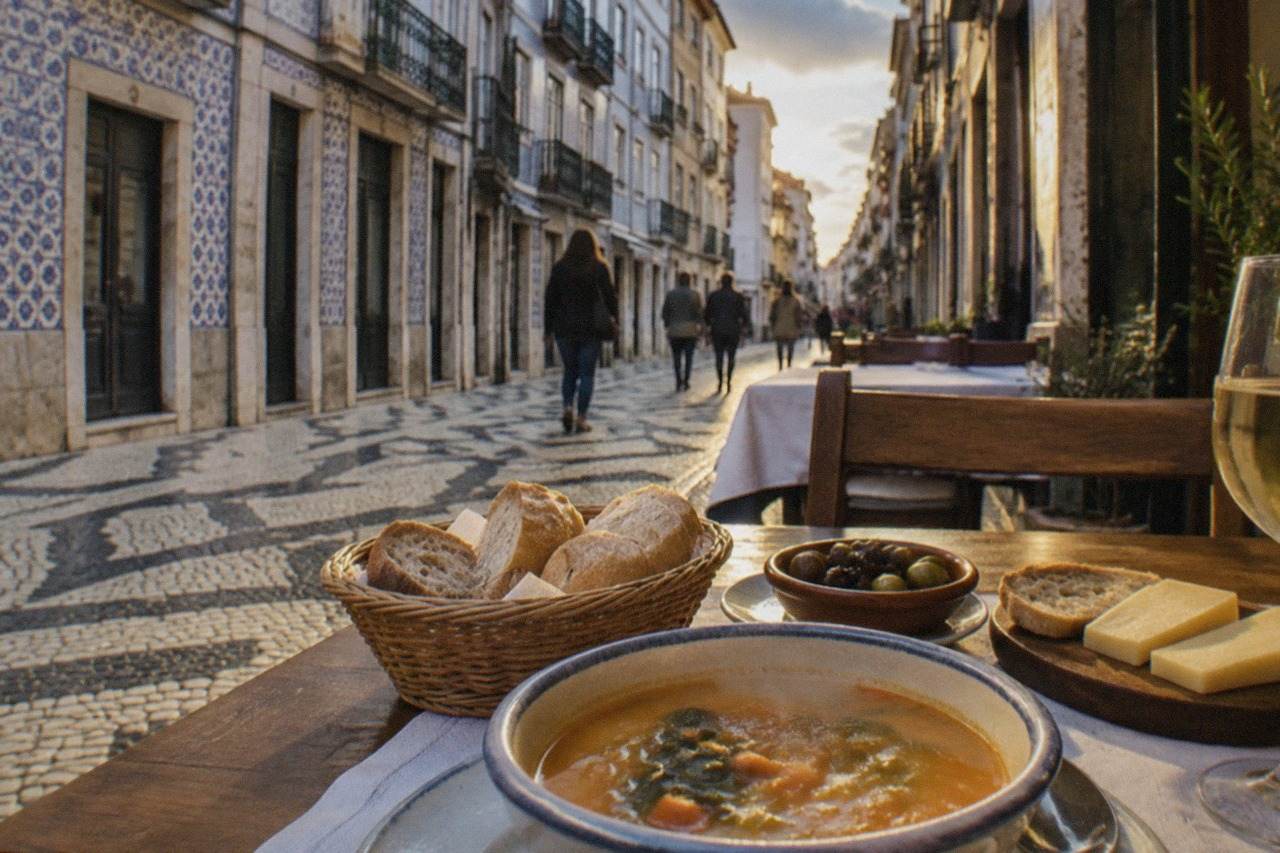
Short answer
Coimbra is a workable vegetarian city and a manageable vegan one. The local canon includes meat-free soups, cheeses, breads, olive oil and legume dishes, the produce markets are strong, and a student population of about 31,000 keeps cheap, plant-forward eating in demand. The one thing to plan around is the city's signature dish, leitão da Bairrada, which is pork and appears everywhere.
Coimbra, the university city on the River Mondego in central Portugal, is famous for leitão da Bairrada, roast suckling pig, and for bacalhau, salt cod, prepared in dozens of ways. Neither of those is any use to a vegetarian. And yet this is also a city of vegetable soups, sheep's cheese, olive oil, market stalls and a student body the University's own figures put at about 31,000 people, which keeps demand for cheap, filling, plant-forward food permanently alive. This guide covers what vegetarians and vegans can genuinely eat in Coimbra, how to read a Portuguese menu without ordering the wrong thing, and how to build days around food the city actually does well. For the wider food picture, start with what food Coimbra is famous for and the main Coimbra restaurants guide.
Is Coimbra Good for Vegetarian and Vegans?
Yes, vegetarians eat well in Coimbra and vegans eat adequately with a little planning. The city's everyday food culture leans on soup, bread, cheese, eggs, legumes, olive oil and market vegetables, and the University's own published figure of about 31,000 students keeps cheap, plant-forward eating in permanent demand. The difficulty is the signature dishes: leitão da Bairrada is pork, bacalhau is salt cod, and both dominate the tourist-facing menus in the Baixa and around the Sé Velha.
A vegetarian who knows the vocabulary eats around them comfortably.
The honest framing is this: Coimbra is not a destination you choose for its vegetarian restaurant scene, and no venue on this site had its prices, hours or address verified on this build, so this guide will not pretend otherwise. What it is, is a city where the building blocks of a good vegetarian meal are excellent. The produce is Central Portugal's, the olive oil is regional, the bread culture is strong, and the soups are a daily institution rather than a health-food trend.
For vegans the work is harder. Portuguese home cooking uses eggs, cheese and cured pork fat generously, and a "vegetarian" soup on a chalkboard can still be built on a meat stock. The strategy that works is asking, in the phrases covered further down, and leaning on the markets and the student cafés near the university hill, where simple bean, rice and vegetable dishes are routine.
If you are still deciding whether the city justifies the trip at all, the is Coimbra worth visiting guide covers the non-food case, and the Coimbra Travel Guide homepage pulls the whole site together.
What do Vegetarian Restaurants in Coimbra Actually Serve?
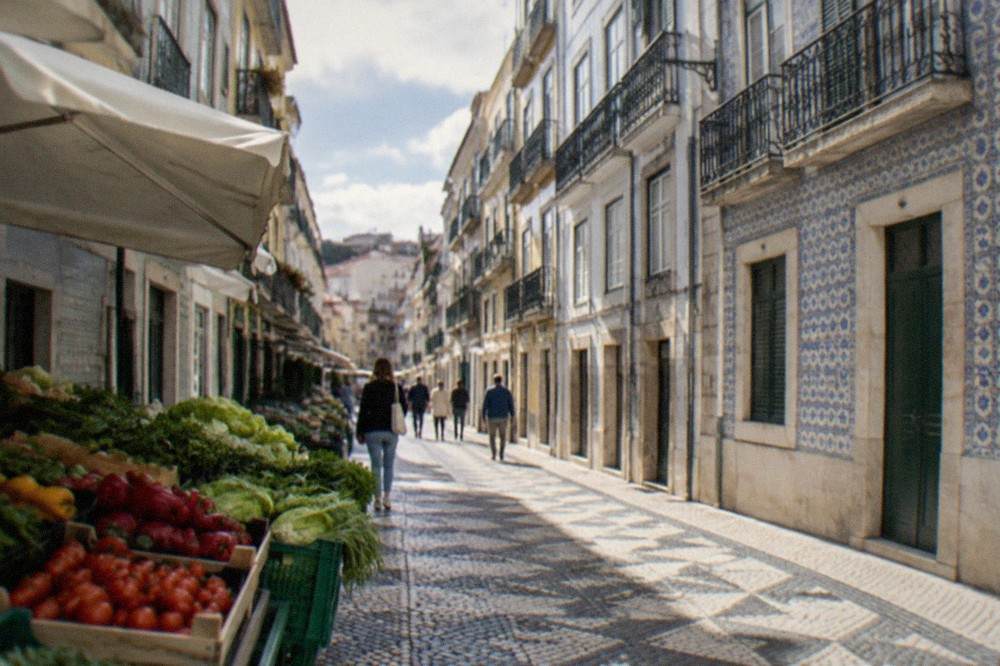
Vegetarian eating in Coimbra splits into three kinds of places: dedicated meat-free kitchens, ordinary Portuguese restaurants with a real vegetarian section, and the soup-and-bread baseline that exists everywhere. Dedicated places in a student city tend to be small and inexpensive, built around a daily changing menu of soups, legume stews, salads and grain dishes, usually with a lunch menu aimed at the university crowd. Ordinary restaurants will usually have something a vegetarian can order, but its quality varies enormously.
The reliable markers in an ordinary Coimbra restaurant, the kind described in the best restaurants guide, are a soup of the day that is vegetable-based, omelettes and vegetable rice dishes, and grilled vegetables in season. The unreliable markers are the tourist menus in the Baixa, where the vegetarian option is sometimes just the side dishes assembled on one plate.
The third category is the one visitors underestimate. Almost every café and tasca in the city serves soup, bread, olives and cheese without any ceremony, and a "petiscos" approach, ordering several small vegetable-forward plates instead of one main, is often the best meal a vegetarian will have in Coimbra. The traditional Coimbra restaurants answer explains what a tasca is and how the format works.
A guided walk is a good way to learn where these food streets actually are before choosing anywhere to eat, and two options stand out: a three-hour guided visit with a certified local guide, admission included, and the low-cost Coimbra Top Attractions Walking Tour, rated 5 from 151 reviews at 2 hours 30 minutes, which covers the university hill and the old town streets where most of the eating happens.
Which Traditional Coimbra Dishes Are Already Vegetarian?
Several of Coimbra's everyday dishes are vegetarian by default: the daily vegetable soup, sheep and goat cheeses, bread with olive oil, arrufadas, and the legume and rice dishes of Central Portuguese home cooking. The region's most famous items, leitão da Bairrada and bacalhau, are not, and the leitão and Bairrada guide explains what that tradition is for anyone eating alongside you. But the table below is the vegetarian's actual working list, and most of it appears on ordinary menus without any special request.
| Dish or item | What it is | Vegetarian | Vegan |
|---|---|---|---|
| Sopa do dia | The daily soup, often potato, bean or vegetable based | Usually, ask about stock | Ask about stock |
| Queijo | Sheep and goat cheeses, including cured and fresh styles | Yes | No |
| Pão com azeite | Bread with regional olive oil | Yes | Yes |
| Arrufadas | Coimbra's traditional sweet buns, covered in the pastries guide | Yes | Usually not, egg dough |
| Arroz de legumes | Rice cooked with vegetables | Usually | Usually |
| Feijão dishes | Bean stews, often with vegetables | Sometimes, ask about chouriço | Ask |
| Grilled vegetables | Seasonal, summer especially | Yes | Yes, ask about butter |
| Salada | Simple salads, tomato, onion, olive oil | Yes | Yes |
| Castanhas assadas | Roasted chestnuts, an autumn street food | Yes | Yes |
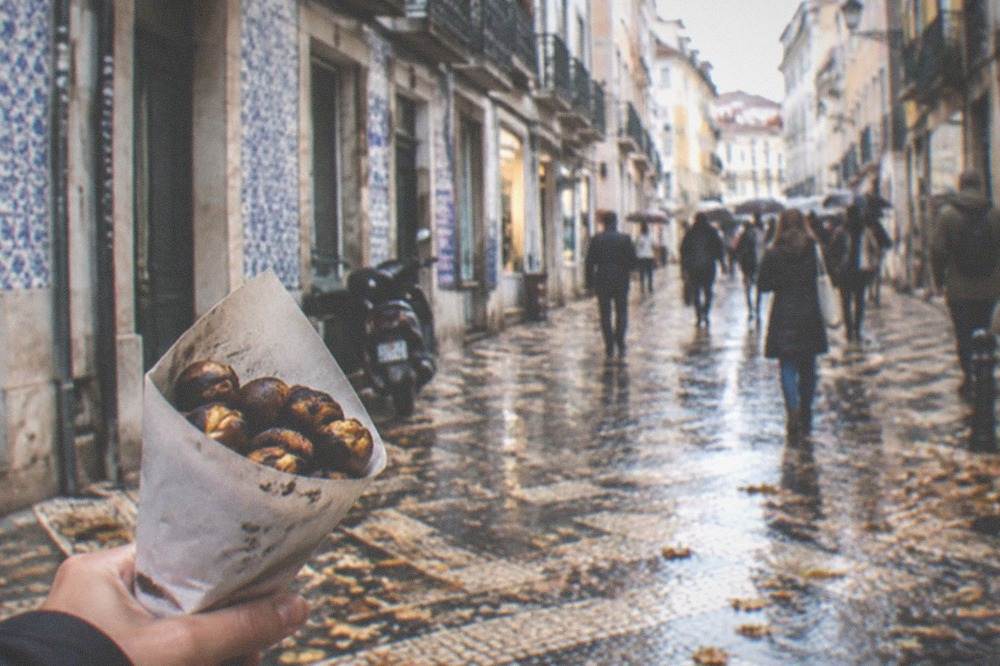
The chestnut row is worth dwelling on because it is seasonal and genuinely local. Autumn in Coimbra is chestnut season, and roasted chestnuts appear as street food across the region in the months when the weather turns. The autumn guide covers the season in full.
The other seasonal anchor is the fruit. Oranges, in the winter months, and the stone fruits of the Central Portugal summer are market staples rather than specialty items, and the markets guide describes where the city's produce trading happens. None of the market traders had verified hours on this build, so check the Coimbra map guide for locations rather than timings.
How do You Read a Coimbra Menu Without Ordering Meat by Accident?
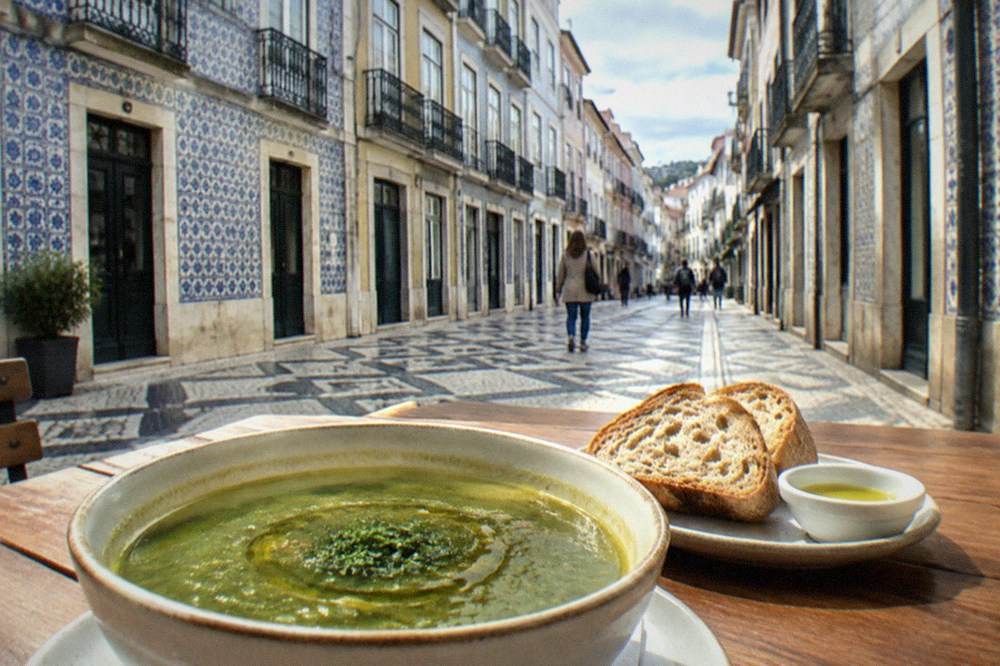
Learn eight Portuguese words and you will avoid almost every meat-by-accident order: carne is meat, porco is pork, chouriço is sausage, presunto is cured ham, bacalhau is salt cod, atum is tuna, caldo is broth, and "sem carne" means without meat. The trap words are the ones that hide inside otherwise vegetable dishes. Caldo verde, the famous kale and potato soup, is traditionally finished with chouriço slices. Feijoada is a bean stew that usually contains pork. A "salada" can arrive with tuna or ham on top.
| Portuguese term | What it means | Vegetarian risk |
|---|---|---|
| Carne | Meat | Direct |
| Porco / leitão | Pig / suckling pig | Direct |
| Chouriço | Smoked sausage | Hidden in soups and bean dishes |
| Presunto / fiambre | Cured ham / luncheon ham | Hidden on salads and toasts |
| Bacalhau | Salt cod | Direct, everywhere |
| Toucinho / banha | Pork fat / lard | Hidden in cooking, ask |
| Caldo de carne | Meat broth | Hidden base of "vegetable" soup |
| Sem carne, por favor | Without meat, please | Your phrase |
| É vegetariano? | Is it vegetarian? | Your phrase |
| Tem caldo de carne? | Does it have meat stock? | Your phrase |
The stock question matters more for vegans and strict vegetarians than anything else on the list. Portuguese home-style soup is often built on whatever broth is at hand, and a soup advertised as legumes can still carry a pork bone in its past. Asking "tem caldo de carne?" is normal, polite and understood everywhere in the city.
Tipping, when you do find a place worth returning to, is covered in the is it customary to tip in Coimbra restaurants answer, and the wider Portuguese food vocabulary is in the what kind of food is Coimbra known for answer.
What Can Vegans Eat in Coimbra Beyond Salads?
Vegans in Coimbra should build meals around three reliable bases: the fruit and vegetable markets, the legume and rice dishes of Portuguese home cooking, and the student cafés near the university where simple plant-based eating is routine. The city is not a vegan destination in the way Lisbon has become, and no venue here had its menu verified on this build, so the honest advice is structural rather than a list of restaurants.
Bread, olive oil, seasonal fruit, roasted chestnuts in autumn, vegetable soups confirmed stock-free, and bean or vegetable rice dishes will carry most days.
The market strategy deserves emphasis because Central Portugal's produce is genuinely good and cheap by northern European standards. Breakfast in particular, which Portuguese cafés centre on bread, butter and cheese, is the meal where vegans lose most often; buying fruit, bread and olive oil from a market and eating in the riverside park solves it daily.
The one planning note that applies to every visitor, vegan or otherwise: Coimbra charges a municipal tourist tax of 1.00 EUR per guest per overnight stay, capped at three consecutive nights, from age 16, payable to the accommodation, in force since 5 April 2023. The municipality reported 698,151 overnight stays in 2025 and a tourism cost per overnight stay of 3.49 EUR, which is why the tax exists and why a rise to two euros has been proposed but was not the published rate as of this build.
| Vegan meal strategy | How it works | Watch out for |
|---|---|---|
| Market breakfast | Fruit, bread, olive oil, nuts | Nothing, the simplest win |
| Soup lunch | Ask "tem caldo de carne?" | Meat stock in vegetable soup |
| Rice and beans | Arroz de legumes, bean dishes | Chouriço added as garnish |
| Grilled vegetables | Summer menus especially | Butter at finishing |
| Chestnuts | Autumn street snack | Seasonal only |
| Student cafés | Simple, cheap, flexible | Limited vocabulary, use the phrases |
When Is the Best Season for Vegetarian Food in Coimbra?
Late June through September is the best eating season for plant-based visitors, with September the standout: IPMA's 1991 to 2020 normals for the Coimbra / Bencanta station show September with a mean maximum of 27.4 C, warmer than June, and only 49.9 mm of rain, before the autumn total jumps to 114.5 mm in October. Summer means the full range of Central Portuguese produce, grilled vegetable menus and the stone-fruit season. Autumn brings chestnuts and the first proper soups, but also the rain.
| Month | Mean max C | Rain mm | Vegetarian food angle |
|---|---|---|---|
| Jun | 26.3 | 26.0 | Stone fruit, grills, market peak |
| Jul | 28.5 | 8.9 | Effectively dry, best terrace weather |
| Aug | 29.1 | 14.8 | Hottest month, 10.9 days above 30 C |
| Sep | 27.4 | 49.9 | Crowds gone, weather holding |
| Oct | 23.2 | 114.5 | Chestnuts arrive, rain doubles |
| Nov | 18.0 | 121.5 | Wettest month, soup season |
The full monthly breakdown is in the Coimbra weather guide, and the seasonal pages, summer, autumn, winter and spring, cover what changes in the city month by month. The one number worth repeating: November is the wettest month at 121.5 mm, marginally ahead of October and January, and Coimbra's rain is an autumn and winter phenomenon. July, at 8.9 mm, is effectively dry.
What Should You Know About Eating Vegetarian on Coimbra Day Trips?
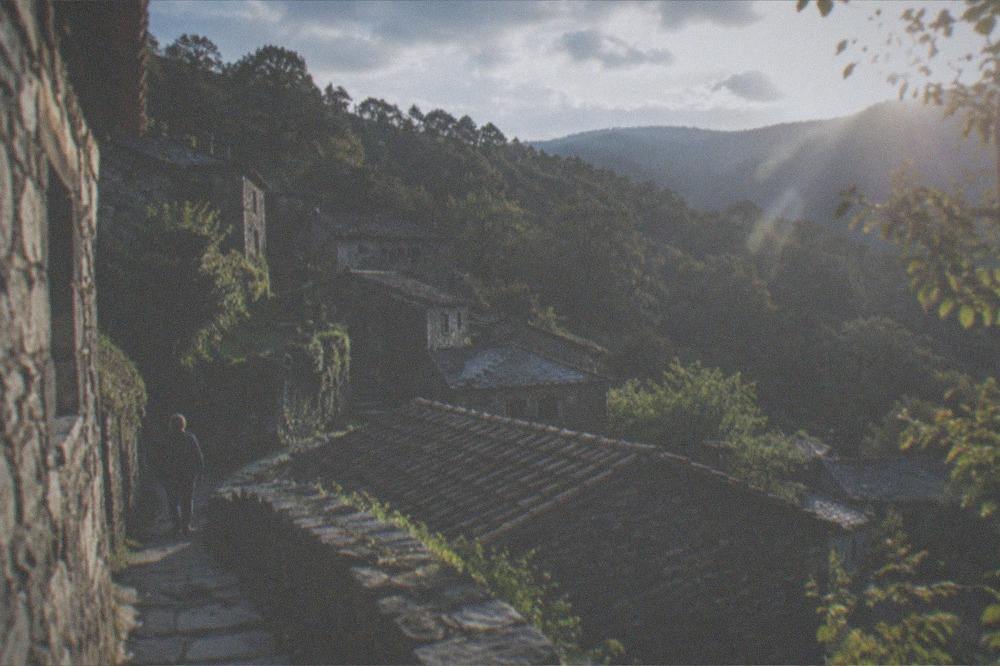
The three best vegetarian-friendly day trips from Coimbra are the schist villages of the Lousã mountain, the Bussaco forest, and the Conímbriga Roman ruins, because all three are built around walking and scenery rather than around a single meat-heavy regional dish. The Bairrada wine region, by contrast, is the leitão heartland, and the Bairrada wine route guide explains why: the roast suckling pig tradition and the sparkling wine tradition are the same tradition.
A vegetarian can still visit and eat, but the food will not be the point.
| Day trip | What it is | Vegetarian angle |
|---|---|---|
| Schist villages, Lousã | Stone villages in the mountain, the schist villages guide | Walking, picnic from Coimbra markets |
| Bussaco forest | The Bussaco forest guide covers the woodland | Scenery first, simple village food |
| Conímbriga | Roman ruins, the Conímbriga guide, open seven days, 10.00 EUR adult | The reliable Monday option, no food needed |
| Bairrada | Wine region, leitão territory | Wine yes, food difficult |
| Aveiro | The Aveiro day trip guide | Seafood city, salads and sides |
Conímbriga deserves its note: the national museum there is open Monday to Sunday, 10:00 to 18:00, with the ticket office closing at 17:15, which makes it the reliable Monday option when the city's other monuments that close on Mondays are shut. The site is in Condeixa-a-Velha, in the municipality of Condeixa-a-Nova, roughly 16 km south of Coimbra, a geography writers routinely get wrong in both directions.
A tour that fits this section well is the eight-hour cascades and schist villages of Piodão trip, from $152.20 per person and rated 5 from 48 reviews, which pairs waterfalls with the stone villages and is a scenery-first day. Check availability
How do You Plan a Full Food Day Around Coimbra's Sights?
Build the day around the university hill in the morning, the Baixa and market food at midday, and the riverside in the late afternoon, because the city's geography puts the walking, the eating and the resting in three distinct zones. The University of Coimbra's combined ticket, 16.50 EUR adult, includes the Joanina Library with a fixed 20-minute entry slot, and the University limits the library to 50 people every 20 minutes, so book the slot before planning lunch around it. The ticket's other spaces are valid for two days.
The Joanina slot rule is the single most useful planning fact on this site: the time printed on your ticket is the library entry specifically, entry outside that slot is refused, and online purchase closes 20 minutes before the visit time. The Joanina Library tickets guide covers it in full, and the university tickets guide compares the ticket tiers.
Getting between the zones is cheap. The 2026 SMTUC tariff lists a driver-bought bus ticket at 2.00 EUR, pre-purchased trips at 0.90 EUR each when bought three or more at a time, and the same titles are valid on the Metro Mondego network, so a bus ticket covers the new BRT system too. The getting around guide has the detail.
Where do Students Eat Vegetarian in Coimbra?
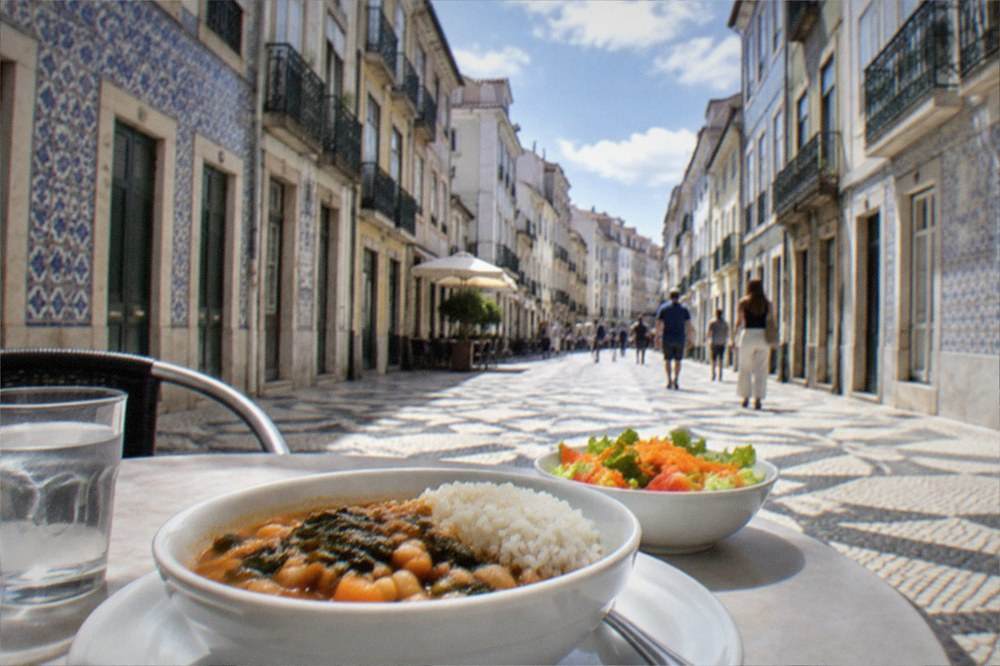
The student districts around the university hill and the Praça da República are where Coimbra's inexpensive vegetarian eating concentrates, because roughly 31,000 students, the University's own published figure, need cheap food every day of the academic year. The Repúblicas, the historic student houses, sit in and around the Alta, and the café and tasca culture that serves them runs on soup, toasts, omelettes and daily dishes rather than on formal restaurant menus.
This is where a vegetarian visitor will find the most flexible kitchens in the city.
The Repúblicas are covered in the Repúblicas guide, and this is also where the city's academic food traditions live, the capa e batina culture described in the student traditions guide. A daily dish, prato do dia, is the format to look for: it is whatever the kitchen cooked that day, and in student areas it is frequently a soup, a rice or pasta dish and a dessert, at prices set for people without money rather than for tourists.
No specific venue's prices or hours were verified on this build, so treat this as a map of where to look rather than a list of where to go. The nightlife and historic café traditions of the same streets are covered elsewhere on this site, and the what to eat guide and the traditional dishes guide cover the food vocabulary in depth.
For anyone building a first visit around all of this, the first time visit guide and the one day itinerary sequence the sights, and the self-guided walking tour routes the old town on foot, past most of the food streets described here.
Common Questions About Vegetarian and Vegan Food in Coimbra
Is Coimbra good for vegetarians?
Yes. The everyday food culture leans on soup, bread, cheese, eggs, legumes, olive oil and market vegetables, and a student population of about 31,000 keeps cheap, plant-forward eating widely available. The signature dishes, leitão and bacalhau, are the things to plan around, not the whole picture.
What can vegans eat in Coimbra?
Vegans do well with market fruit, bread and olive oil, roasted chestnuts in autumn, vegetable soups once the stock is confirmed, and bean or vegetable rice dishes in student cafés. Breakfast is the hardest meal; buying from a market solves it.
Is caldo verde vegetarian?
Not reliably. Caldo verde is a kale and potato soup, and the traditional version is finished with slices of chouriço sausage. Some kitchens make it without, but ask "tem caldo de carne?" and check before ordering.
What is leitão da Bairrada?
Roast suckling pig, the signature dish of the Bairrada region south of Coimbra, served with sparkling wine. It is pork, it appears on most tourist menus in the city, and vegetarians should expect to eat around it rather than find a substitute.
Are there vegetarian restaurants in Coimbra?
Yes, a small layer of dedicated meat-free kitchens exists, typical of a university city, alongside ordinary Portuguese restaurants with vegetarian dishes. No venue on this site had its prices or hours verified, so use the type descriptions in this guide and check current listings before visiting.
What Portuguese phrases help vegetarians eat in Coimbra?
The core set is "sem carne, por favor" (without meat, please), "é vegetariano?" (is it vegetarian?) and "tem caldo de carne?" (does it have meat stock?). The stock question is the one that prevents most accidental meat orders.
The last word belongs to expectations. Coimbra, Portugal, will not hand a vegetarian the food-city experience Lisbon offers, but it will hand over excellent produce, honest soups, a strong bread and cheese culture, chestnuts in the autumn streets, and a student city's worth of inexpensive kitchens that cook vegetables because that is what students eat. Arrive knowing the eight words that matter, book the Joanina slot before you plan anything else, and the eating takes care of itself.