Is Coimbra Safe? A Practical Safety Guide to Coimbra, Portugal
Coimbra, Portugal, the university city on the River Mondego, is a compact, walkable place where the real safety questions are practical ones: steep hills, warm summer afternoons, timed ticket slots and a two-station railway. This guide answers them from official sources.
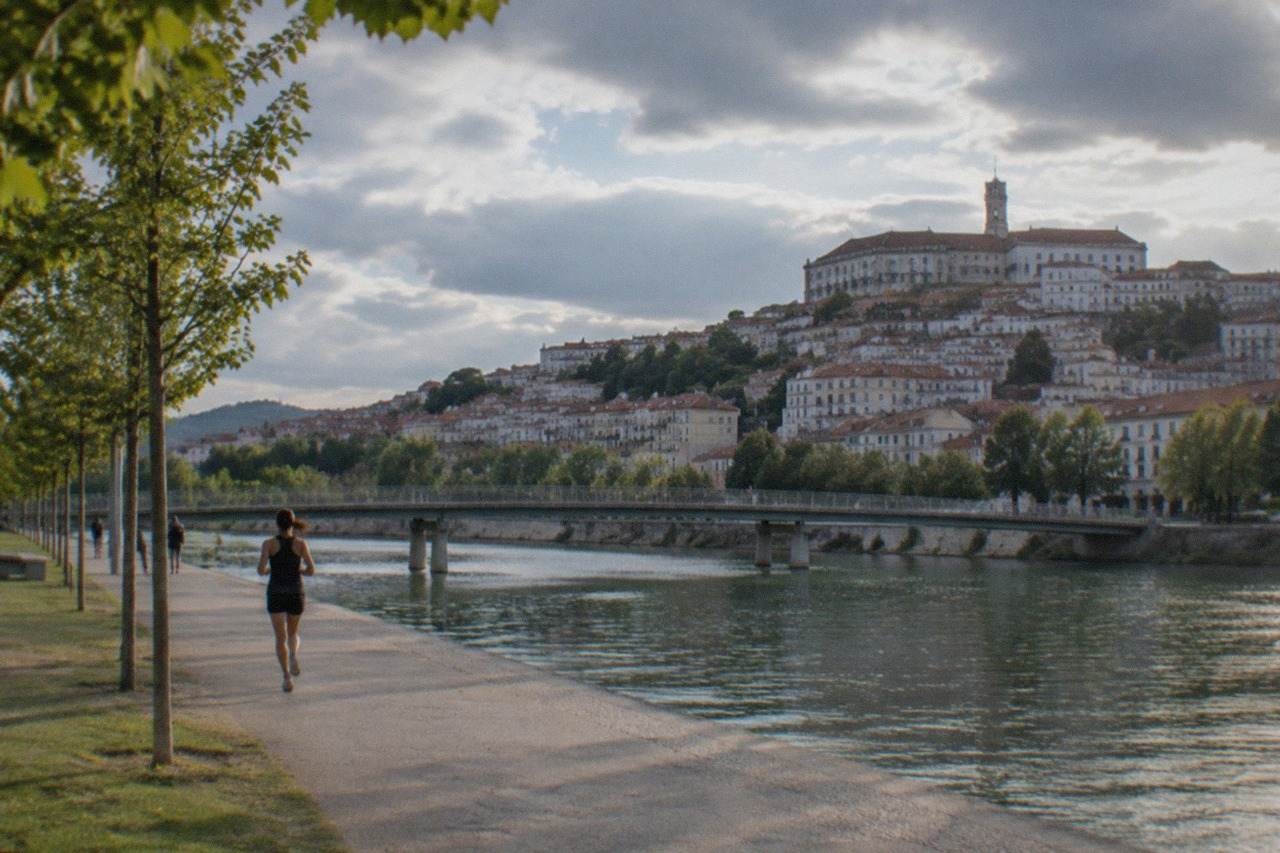
Short answer
Yes. Coimbra, Portugal is generally considered a safe, low-crime university city, and the hazards that actually affect visitors are practical: the steep climb to the Alta, hot summer afternoons, timed library slots and the city's two railway stations. Nothing in this site's verified research measures crime statistics, so this guide sticks to what official sources confirm.
Coimbra, Portugal, the university city on the River Mondego, is one of those destinations where the honest answer to "is it safe" is: yes, and the things most likely to disrupt your visit are not crime at all. They are the steep climb from the Baixa up to the university hill, an August afternoon that averages 10.9 days above 30 C, a Biblioteca Joanina slot that admits 50 people every 20 minutes and refuses anyone outside theirs, and a railway map with two confusingly similar station names. This guide, published by Coimbra Travel Guide, works through each of those from official sources, because this site's research verified prices, hours, transport tariffs and climate data, and did not verify crime statistics, so it will not invent any.
Is Coimbra Safe for Tourists?
Yes, Coimbra, Portugal is generally considered a safe destination for tourists, and it is a compact, walkable university city where the everyday risks are practical rather than criminal: steep cobbled slopes, hot summer afternoons, and ticket rules with fixed time slots. This site's verified research covers prices, hours, transport and climate rather than crime data, so it reports what official sources confirm and points you to them for anything else.
Coimbra is a small city built around a hill. The University of Coimbra's own published figures put the institution at about 31,000 students, which means the centre is busy, lived-in and full of people on foot at almost all hours of the academic year. A place with that daily rhythm, and with a UNESCO-inscribed old town that the municipality reported drew 698,151 overnight stays in 2025, is a place geared to visitors, not a place visitors stumble into unprepared.
The honest caveat is this: nothing in this site's research pack measures crime statistics, scam reports or emergency response times, and a guide that quoted a number for any of those would be inventing it. What the pack does verify is the practical layer, and that layer is where most visits are actually won or lost. The pages on what to see in the city and the general Coimbra travel guide cover the sights; this one covers how to move through the city without problems.
What Are the Real Safety Considerations in Coimbra?
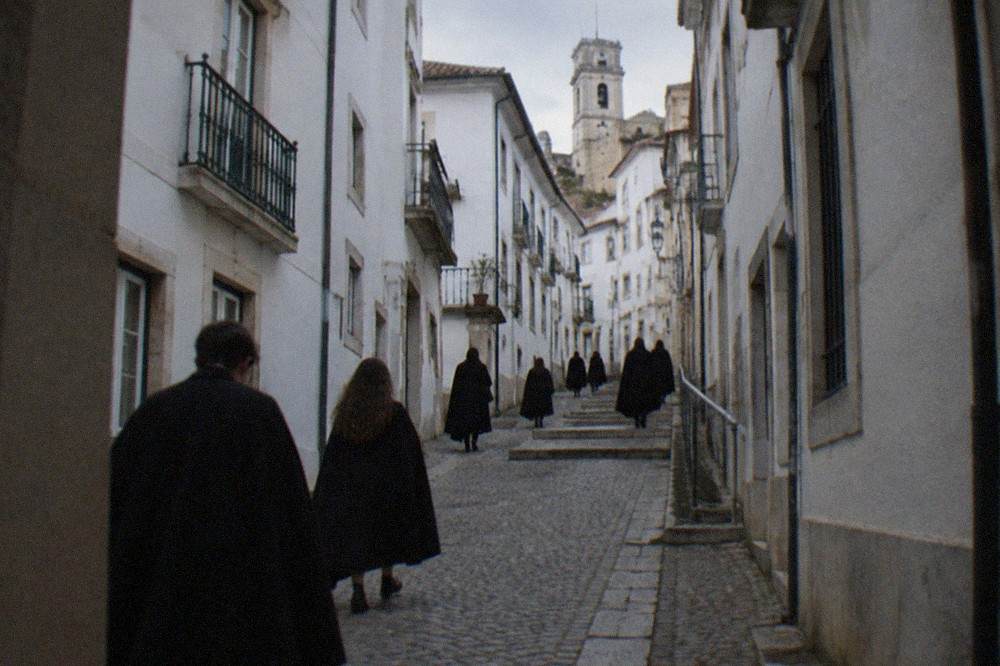
The four things that actually disrupt visits to Coimbra are the steep hill between the Baixa and the Alta, summer heat that peaks in August with an average of 10.9 days above 30 C, fixed timed-entry slots at the Biblioteca Joanina that admit 50 people every 20 minutes, and the two similarly named railway stations. None of these is dangerous in the dramatic sense, but each one can derail a day if you plan around it badly.
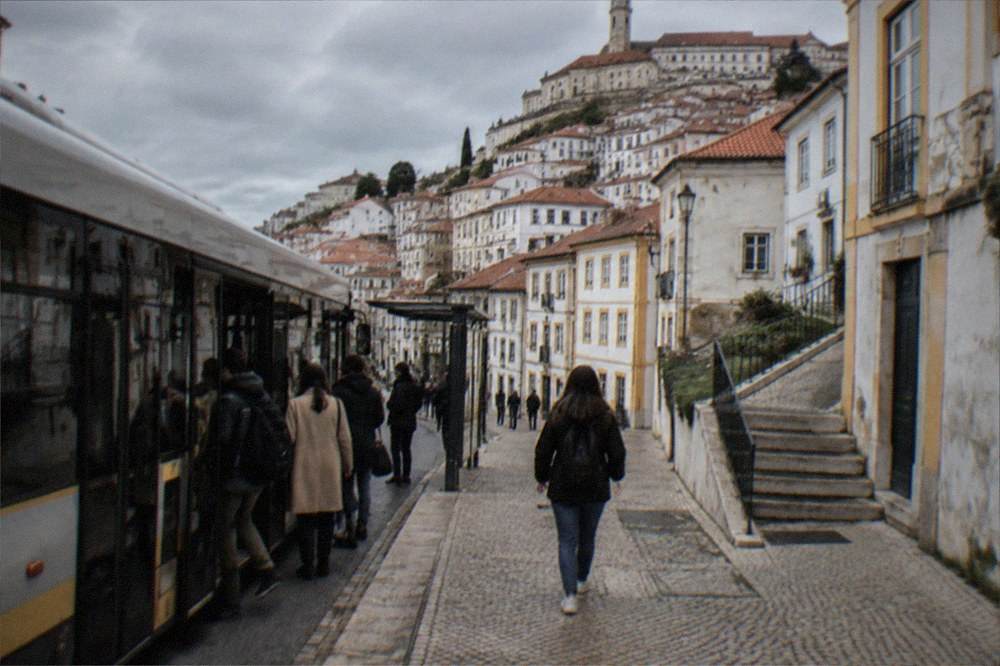
The hill is the first one. The Alta, the university hill that forms one of the two components of the UNESCO inscription "University of Coimbra, Alta and Sofia" (list reference 1387, inscribed 2013), sits above the riverside Baixa, and the route between them is steep, cobbled and unforgiving in either direction. The University's own visitor pages list summer hours of 09:00 to 20:00 from 1 April to 30 September and winter hours of 09:00 to 17:30, so the sensible move is to do the climb in the morning and save the riverside for the afternoon heat. The page on accessibility and hills covers this in detail.
The heat is the second. IPMA's 1991 to 2020 normals for the Coimbra / Bencanta station show August as the hottest month, not July, with a mean maximum of 29.1 C, and the record maximum at the same station is 41.2 C, recorded on 7 August 2016. Water, shade and a slower afternoon pace are not optional in midsummer. The weather guide has the full picture.
The third is ticketing. The Biblioteca Joanina cannot be bought on its own: the University's visit page sells it only inside the 16.50 EUR combined ticket, and the time printed on that ticket is the library slot specifically. Entry outside the slot is refused, in the University's own published wording. The fourth is the railway. Coimbra-B and Coimbra-A are two stations in two different places, and this site's research could not confirm from CP's own pages which services call where or whether the connection between them is included in a long-distance ticket, so check with CP before you travel. The train stations guide explains the trap.

Is It Safe to Walk Around Coimbra at Night?
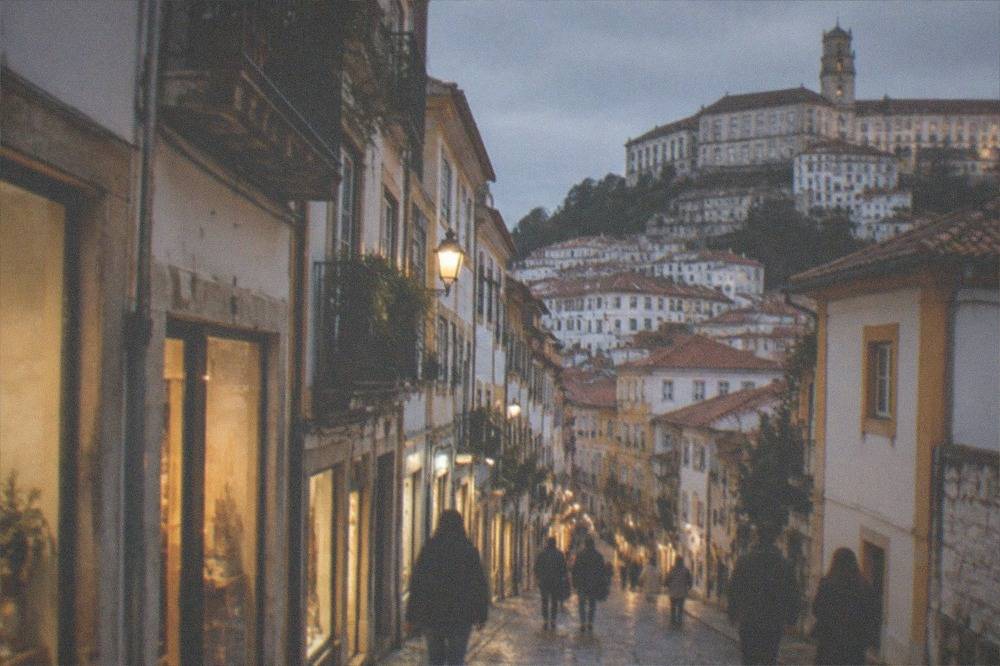
Yes, walking in central Coimbra after dark is generally unremarkable, because the city centre is small, busy and well used in the evenings, particularly during the academic year when about 31,000 students keep the upper town and the Baixa active. This site's research verified no crime figures, so this answer rests on the city's scale and rhythm rather than on statistics, and standard city caution applies as it would anywhere.
Coimbra's centre is genuinely compact. The distance between the river and the university hill is a short, steep walk, and the whole visitor circuit, from the Sé Velha de Coimbra in the Alta to the Mosteiro de Santa Cruz near the Baixa, is a network of lanes rather than a sprawl. The Sé Velha's own parish pages list summer visiting hours to 18:30 and winter hours to 17:30, so the monuments close well before dark in any season; the evening city is a city of restaurants, fado houses and students.
Two practical notes for evening plans. First, the hill down from the Alta is steep and cobbled, and street lighting aside, the surface is the hazard, not the neighbourhood. Second, if you are out for fado, the fado guide and the page on where to hear fado cover the city's sung tradition, which is an evening activity by nature and one Coimbra does well.
A guided walk is also a reasonable evening-adjacent option: the Coimbra Top Attractions Walking Tour runs 2 hours 30 minutes, is rated 5 from 151 reviews, and costs from $5.85 per person, or you can Check availability for your dates.
Is Coimbra Safe for Solo Travellers and Families?
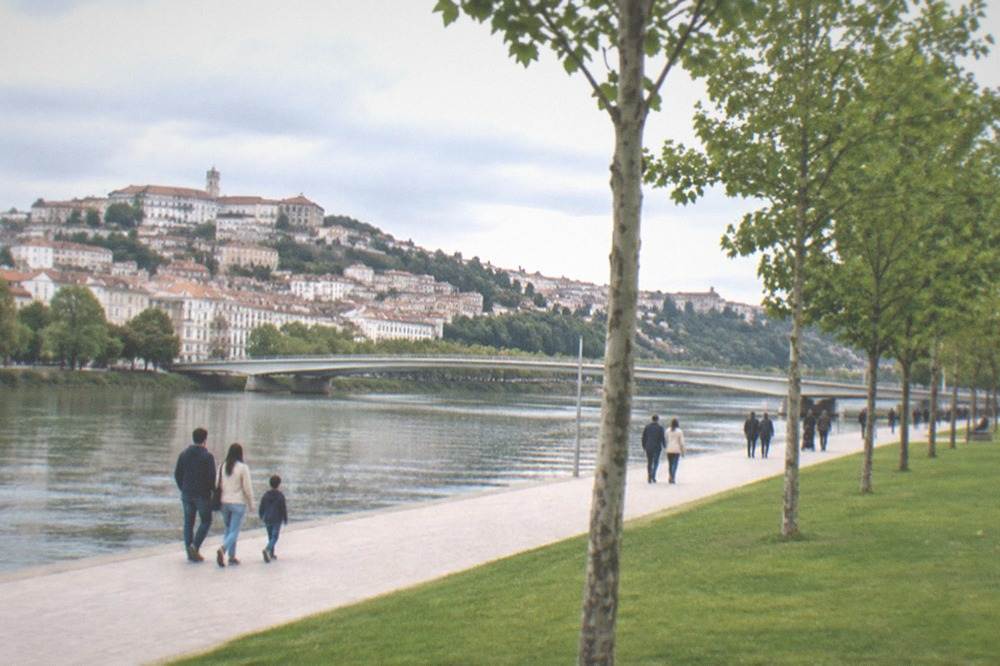
Yes, Coimbra suits both solo travellers and families, and the reasons are structural: it is a small, walkable university city with a single main visitor hill, a riverfront park, and a family-scale attraction in Portugal dos Pequenitos. The safety planning that matters is pacing the hill with children, keeping water on hand in summer, and knowing that the University closes its visitor circuit on a handful of fixed dates each year.
For families, Portugal dos Pequenitos is the anchor. The venue's own horário page publishes hours of 10:00 to 17:00 from 1 January to the end of February and from 16 October to year end, and 10:00 to 19:00 from 1 March to 15 October, closed on Christmas Day. Its price page renders client-side, so this site publishes no ticket price: the venue's own ticket page is where the current figure lives. The dedicated Portugal dos Pequenitos guide has more.
For solo travellers, the city's size works in your favour. The SMTUC 2026 tariff, in force since 1 April 2026, lists a driver-bought ticket at 2.00 EUR and pre-purchased trips at 0.90 EUR each when bought in packs of three or more, with each journey valid 90 minutes on the urban network with transfers included. The same tariff confirms SMTUC tickets are valid on the Metro Mondego network too, so one ticket covers both systems. That is the whole local transport question answered from the operator's own document.
What Should You Watch Out for in Coimbra?
Watch out for four specific, verified things: the timed Joanina slot that refuses late entry, the two-station railway confusion, the 1.00 EUR per-night tourist tax payable at your accommodation, and the handful of dates when the University closes its visitor circuit. Every one of these is published by the body responsible, and every one of them catches out visitors who planned from a generic guide.
The Joanina rule deserves its own paragraph because it is the single most useful practical fact in the city. The University's own program page states entries are limited to 50 people every 20 minutes, that the ticket's printed time is the library slot, that the rest of the combined ticket is valid two days, and that visits outside the stipulated time are not admitted. Online purchase closes 20 minutes before the visit time. In peak season, turning up without a slot means being turned away.
The tourist tax is the other one people miss. Coimbra charges 1.00 EUR per guest per overnight stay, capped at three consecutive nights, from age 16, payable directly to the accommodation at check-in or check-out, charged all year with no low-season exclusion, in force since 5 April 2023. The municipality's own worked example: a couple staying seven nights pays 3.00 EUR each. A two-euro rise was approved as a proposal by the municipal executive in July 2026, but the municipality's own tax pages still confirm 1.00 EUR, so that is the current published rate.
| Practical item | What the official source says | Where to check |
|---|---|---|
| Biblioteca Joanina entry | 50 people every 20 minutes; slot time fixed; late entry refused | University's visit pages |
| University combined ticket | 16.50 EUR adult with Joanina slot; 12.50 EUR without | University's visit pages |
| Tourist tax | 1.00 EUR per guest per night, max 3 nights, age 16+, paid to accommodation | Municipality's service portal |
| SMTUC bus ticket | 2.00 EUR on board; 0.90 EUR pre-purchased in packs of 3+ | SMTUC 2026 tariff |
| Torre da Universidade | Closed to public access, per the University's own info page | University's info page |
| Machado de Castro museum | Closed for conservation work, per the museum's own page | Museus e Monumentos portal |

Is the Water, Food and Weather Safe in Coimbra?
Food and drink in Coimbra present no unusual hazards, the tap water and restaurant scene are regulated like anywhere else in Portugal, and the weather risk worth planning for is heat rather than anything else: August averages a 29.1 C mean maximum with 10.9 days above 30 C, and the record at the city's own station is 41.2 C. The rain, when it comes, is concentrated in autumn and winter.
IPMA's 1991 to 2020 normals for the Coimbra / Bencanta station, the city's own station 3 km from the centre, give the full picture. July is effectively dry at 8.9 mm of rain. November is the wettest month at 121.5 mm, marginally ahead of October's 114.5 mm and January's 113.5 mm. September is the quiet surprise: its mean maximum of 27.4 C is actually higher than June's 26.3 C, and it still only gets 49.9 mm of rain, so the crowds thin while the weather holds. The autumn jump, when rain goes from 49.9 mm in September to 114.5 mm in October, is the one date-shifted hazard worth knowing about.
| Month | Mean max (C) | Rain (mm) | Days 30 C+ | Planning note |
|---|---|---|---|---|
| June | 26.3 | 26.0 | 6.2 | Warm, dry, busy |
| July | 28.5 | 8.9 | 8.9 | Effectively dry |
| August | 29.1 | 14.8 | 10.9 | Hottest month; pace yourself |
| September | 27.4 | 49.9 | 7.8 | Warmer than June, fewer crowds |
| October | 23.2 | 114.5 | 2.0 | The autumn rain arrives |
| November | 18.0 | 121.5 | 0.0 | Wettest month |
On food, the regional specialty is leitão da Bairrada, suckling pig from the Bairrada region to the west, and the leitão and Bairrada guide plus the best restaurants page cover where the tradition sits. No restaurant, café or market in this city had its hours, address or hygiene record verified on this build, so this guide publishes none of them: the municipality's pages and the venues themselves are where current specifics live.
Is It Safe to Use Public Transport and Taxis in Coimbra?
Yes, and the verified part of the answer is the ticketing: the SMTUC 2026 tariff lists 2.00 EUR for a driver-bought ticket and 0.90 EUR per pre-purchased trip in packs of three or more, each valid 90 minutes with transfers, and the same tariff confirms those tickets are also valid on the Metro Mondego network. Fare evasion is fined 120.00 to 350.00 EUR, so validate honestly.
The Metro Mondego, the new bus-rapid network, is opening in stages, and this site's research could not verify its route map or station list from the operator's own site, so this guide will not describe routes. What is verified, from the SMTUC tariff document itself, is that the two networks share tickets: the tariff is explicitly headed as covering SMTUC and Metro Mondego together. That is the practical fact, and it is enough to ride either.
The railway needs the same discipline. Coimbra-B and Coimbra-A exist, are in different places, and CP, the national operator, is where the current stopping patterns and connections must be checked, because this site's research could not confirm them from CP's own pages. The getting around guide and the page on parking in Coimbra cover the rest of the local picture, and car rental handles the driving option.
For getting to the city at all, the pages on Porto to Coimbra and Lisbon to Coimbra cover the two main approaches, and the nearest airport guide helps with arrival planning.
What Should You do If Something Goes Wrong in Coimbra?
Treat Coimbra like any Portuguese city: keep copies of documents apart from the originals, know your accommodation's address in writing, and check current prices and hours with the operator or venue directly, because this site's research verified none of the city's practical services, pharmacies, hospitals, police stations or tourist desks, so it publishes none of their addresses or numbers. The municipality's own pages are the reliable index to official services.
That last point is deliberate. A safety guide that listed an emergency number, a pharmacy address or a police station location it had not checked would be worse than one that told you where to look. The Câmara Municipal's website, coimbra.pt, is the municipality's own publishing channel: it carries the tourist tax rules, the museum ticket updates and the municipal service pages, and it is the index a visitor should use when something needs an official answer in Coimbra itself.
For the ordinary mishaps, the planning layer matters more than the dramatic one. Miss your Joanina slot and the University's rule is published: no admission outside the stipulated time, so book the next one online, where purchase closes 20 minutes before each visit. Caught in the October rain, 114.5 mm is the month's normal total, the city's indoor options include the Science Museum spaces inside the University tickets, described on the university tickets page, and the rainy day guide lists the rest.
| If this happens | The verified rule or fact | What to do |
|---|---|---|
| You miss the Joanina slot | Entry outside the printed time is refused | Rebook online; sales close 20 min before |
| You turn up without a ticket | Counter purchase possible subject to slot availability | Expect sell-outs in peak season |
| You are unsure which station | Coimbra-B and Coimbra-A are in different places | Check with CP before travelling |
| You are charged tourist tax | 1.00 EUR per night, max 3 nights, age 16+ | Pay at the accommodation; it is not on the booking platform |
| The museum you planned is shut | Machado de Castro is closed for conservation work | Check the Museus e Monumentos portal before visiting |
| You want a Monday monument | Conímbriga is open seven days, 10:00 to 18:00 | The ruins are roughly 16 km south, in Condeixa-a-Nova |
A local guide also removes most of the small failure modes at once: the Coimbra Top Attractions Walking Tour, from $5.85 per person and rated 5 from 151 reviews, covers the main circuit in 2 hours 30 minutes, and there is a full description on the Coimbra Top Attractions Walking Tour page.
Should You Take a Tour to Stay Oriented in Coimbra?
A tour is a reasonable safety-adjacent choice in Coimbra, not because the city is risky, but because a guide handles the orientation, the hill pacing and the ticket logistics in one move. The verified options range from a 2.5-hour walking tour at from $5.85 to a free, tip-based GuruWalk essential tour, and the day trips into the Lousã and Conímbriga countryside are where a guide matters most.
On the free side, GuruWalk is the platform to know: its Coimbra walks are free or pay-what-you-want, and the Essential Free Tour with the Coimbra Guide, rated 4.99 from 168 reviews over 2 hours, is a genuine way to learn the city's layout on day one at no fixed cost. Never expect a printed price on one of these; the model is tips.
On the paid side, the range is wide. The Discovering Nature in Serra da Lousã half-day tour, from $81.95 per person and rated 4.9 from 39 reviews, takes the hill-and-village country southeast of the city, and the Discovering the Roman Ruins of Conímbriga and the Caves of Sicó tour, from $87.81 per person and rated 5 from 32 reviews, pairs the Roman site with the caves. Both are countryside trips where going with an operator is simply easier than going alone.
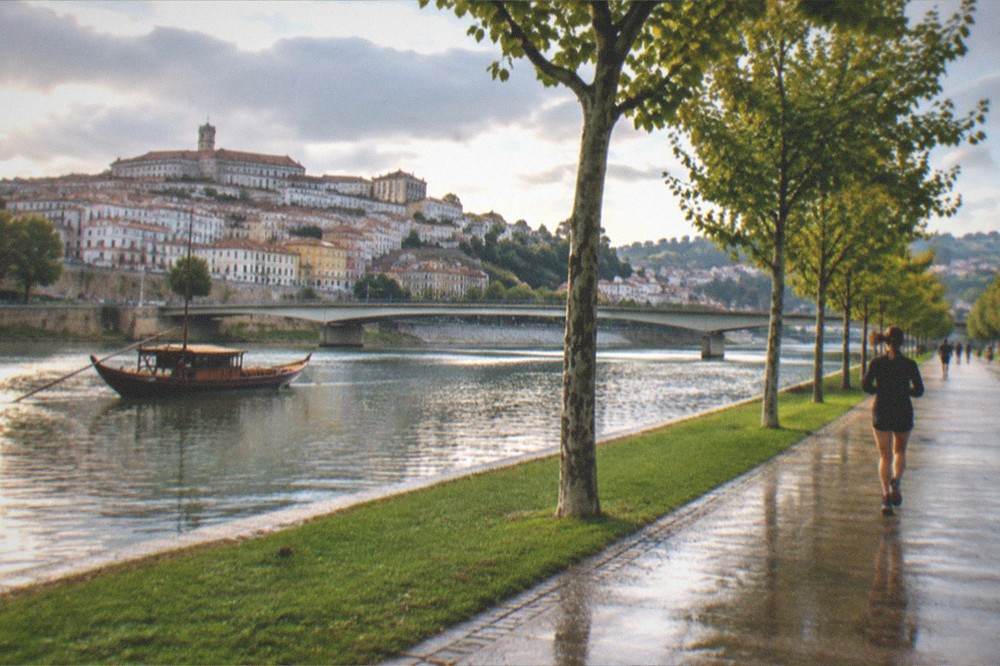
For the river instead, the Barca Serrana Traditional Boat Trip, from $15 per person and rated 4.6 from 171 reviews, runs 50 minutes on the Mondego, a low-effort option that suits every age group.
Common Questions About Safety in Coimbra
Is Coimbra safe?
Yes, Coimbra, Portugal is generally considered a safe, walkable university city. The practical considerations are the steep hill to the Alta, summer heat, timed ticket slots and the two-station railway layout, not crime, which this site's verified research does not measure.
Is Coimbra safe at night?
The city centre is small, busy and student-filled in the evenings during the academic year, and standard city caution applies. The monuments close by late afternoon, so the evening city is restaurants and fado houses rather than darkened sights.
Is Coimbra safe for solo female travellers?
Coimbra is a compact university city with a busy central core, and nothing in this site's research indicates unusual risk. This guide publishes no crime statistics because none were verified, so the honest answer rests on the city's scale and rhythm plus ordinary caution.
Is the tap water safe in Coimbra?
Coimbra is a Portuguese city under the same national water regulation as the rest of the country, and no source in this site's research flags the local supply. For any specific health question, the municipality's own pages are the official index.
What is the biggest safety risk in Coimbra?
Heat and hills. August averages a 29.1 C mean maximum with 10.9 days above 30 C, and the climb from the Baixa to the Alta is steep and cobbled. Do the hill in the morning, carry water, and the rest of the day looks after itself.
Is Coimbra safe for tourists during Queima das Fitas?
The May student festival is a busy, crowded period rather than a dangerous one. What is verified: the University closes its visitor circuit on 24 May, and Mosteiro de Santa Cruz suspends visits on the Cortejo, a moveable Sunday, so plan monument visits around those closures.
Coimbra rewards the same preparation as any hill city: book the Joanina slot in advance, climb before the heat, keep the tax cash ready, and check the two-station question with CP before you travel. Do that, and the city is exactly as safe as it feels from the riverbank: small, steep, warm and welcoming.