Coimbra or Porto: Which to Visit
Coimbra, Portugal, the university city on the River Mondego, and Porto, the northern port city two hours up the line, are the two most common pair on a central-to-northern Portugal itinerary. This comparison sticks to what is actually verified for Coimbra and is honest about everything else.

Short answer
Choose Coimbra for the University, the Biblioteca Joanina and a compact, walkable old town on one hill; choose Porto for a big-city break with the Atlantic at its doorstep. Better still, do Coimbra as a day trip or overnight from Porto, because the two are close enough that you do not have to choose.
Coimbra, Portugal, the university city on the River Mondego, sits on the main rail line between Lisbon and Porto, and almost everyone planning a Portugal route eventually faces the same fork: Coimbra or Porto. The honest answer is that they are not really competitors. Porto is a large Atlantic port city; Coimbra is a compact hill town built around one of the oldest universities in continuous operation in Europe, a university the institution itself says numbers about 31,000 students. This guide compares the two on what can actually be verified, mostly on the Coimbra side, because that is where the sourced figures are, and then lays out the practical case for seeing both.
Coimbra or Porto: Which City Fits Your Trip?
Coimbra rewards travellers who want one concentrated hill of history, a single world-famous library, student traditions you can watch rather than join, and a town you can cross on foot in half an hour. Porto rewards travellers who want a big-city break: a larger food and wine scene, a river mouth opening to the Atlantic, and enough sights to fill four or five full days. Neither substitutes for the other, and the real question is how many days you have.
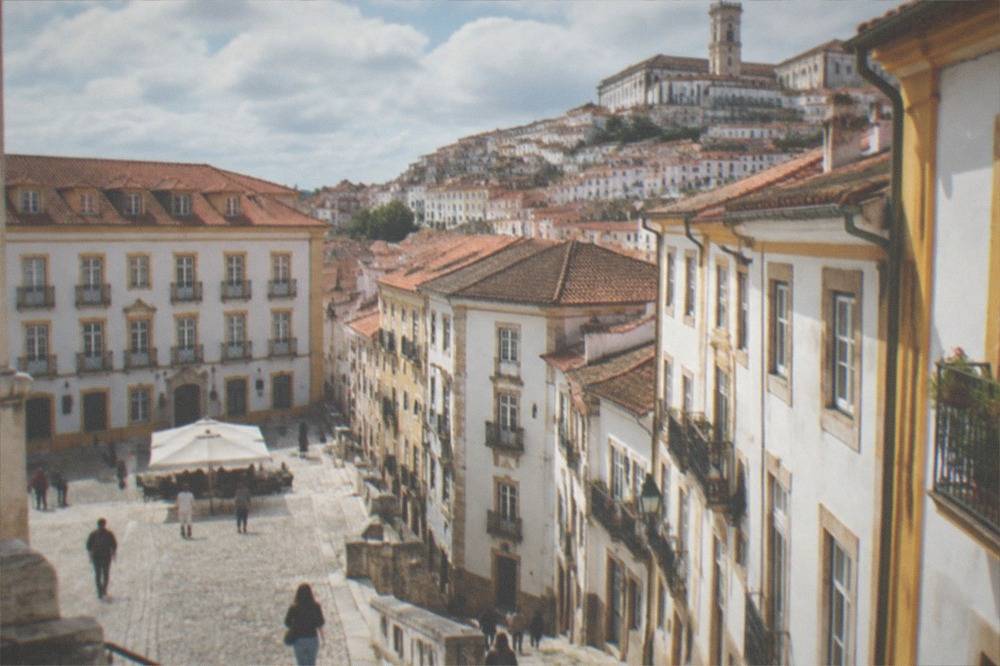
The two cities differ most in scale and pace. Coimbra's visitor circuit is essentially one hill, the Alta, plus the Baixa below it and the riverside park along the Mondego. The University of Coimbra, the Joanina Library, the Sé Velha and the Mosteiro de Santa Cruz are all within a short walk of one another, and the whole old town is managed around a UNESCO inscription that covers the university hill and the Rua da Sofia colleges specifically, not the city as a whole. That scope matters: guides that call Coimbra a "UNESCO World Heritage city" are wrong, and the inscription's own listing, reference 1387, dated 2013, is the authority.
Porto, by contrast, spreads across a much wider area and its attractions are not on one hill. This build verified no figures for Porto, no population, no visitor numbers, no ticket prices, so this page will not rank the two cities against each other with invented numbers. What can be said is structural: Porto is the larger city, it sits on the Atlantic's doorstep at the mouth of the Douro, and it is the base most travellers choose when they want to combine a city break with coastal excursions. Coimbra is inland, and the city itself has no beach. The district of Coimbra does reach the Atlantic, some 37 km west, but the district is a different thing from the city, and confusing the two is how guides end up promising day-trippers a seaside that is not there.
For a deeper look at the case for the smaller city, see is Coimbra worth visiting, and for the onward logistics from the north, the Porto to Coimbra guide covers the route in detail. This whole comparison is part of the wider coverage on Coimbra Travel Guide, where every figure is tied to a source.
How Do the Sights in Coimbra and Porto Compare?
Coimbra's sights are anchored by the University of Coimbra's Paço das Escolas and the Biblioteca Joanina, which admits 50 people every 20 minutes and cannot be visited except inside the 16.50 EUR combined ticket. Porto's sights are anchored by its riverside historic core and port-wine lodges, spread across a wider area and not bookable as one circuit. In Coimbra you buy one university ticket and everything on the hill is done; in Porto you assemble a visit from many separate pieces.
The Coimbra side of that comparison is fully sourced, so it is worth spelling out. The University's own visit pages list a 16.50 EUR adult combined ticket covering the Joanina Library, the Royal Palace, the St Michael's Chapel, the Chemistry Laboratory, the Academic Museum, the Cabinet of Curiosities and the Mineral Gallery, valid for two days except the Joanina slot, which is fixed to the time printed on the ticket. The same pages list a 12.50 EUR ticket without the Joanina. The Joanina is the bottleneck: 50 people every 20 minutes, entry refused outside the printed slot, and online purchase closes 20 minutes before the visit time. That ceiling is the one genuine scarcity fact on this site, and it is the single best reason to book a Coimbra tour or ticket in advance rather than turning up.
Below the university hill, the rest of Coimbra's core is cheap and quick. The Sé Velha charges 3.00 EUR per person, per the parish body that manages it. Mosteiro de Santa Cruz, the burial church of Portugal's first two kings, charges 5.00 EUR. Conímbriga, the Roman town about 16 km south in Condeixa-a-Velha in the municipality of Condeixa-a-Nova, charges 10.00 EUR for museum and ruins together and, unusually for the national monuments, opens seven days a week, 10:00 to 18:00, which makes it the reliable Monday option. Two cautionary notes from the 2026 status: the Museu Nacional de Machado de Castro is closed for conservation work, and the Torre da Universidade, the clock tower, is closed to the public, with the University's own information page stating the facility is closed. Do not build a Coimbra day around either.
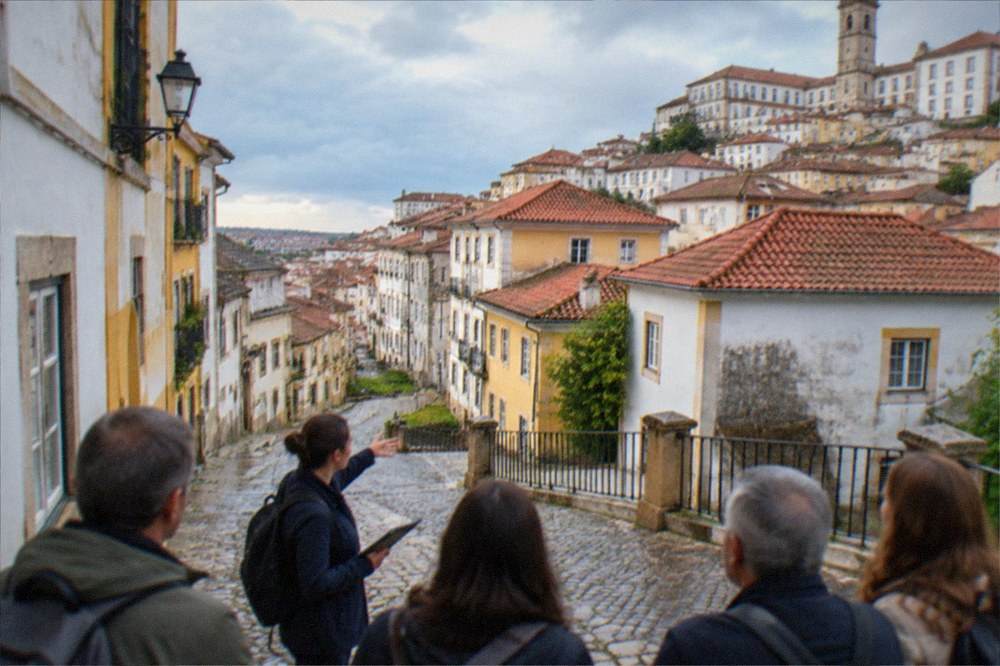
Porto's equivalents cannot be priced on this page, because nothing for Porto was verified. What can be said is what the city offers in kind: a riverside quarter, port-wine cellars, a large historic centre and the sea. If your priority is wine lodges and ocean air, Porto wins by default, because Coimbra has none of the first and none of the second. If your priority is one extraordinary library, a university tradition with its own cape-and-fado culture, and Roman ruins an hour away, Coimbra wins by the same default. A budget-friendly way to see the Coimbra hill is the Coimbra Top Attractions Walking Tour, a 2 hour 30 minute walk rated 5 from 151 reviews, from 5.85 per person on the operator's live listing.

Can You do Coimbra as a Day Trip from Porto?
Yes, and it is the most common way to see both cities on one trip: Coimbra's core sights sit on a single hill and can be covered in a full day, with the 16.50 EUR university ticket valid two days so you are not racing between buildings. The trade-off is the Joanina slot: with 50 people admitted every 20 minutes, a day-tripper who arrives without a pre-booked time can be turned away, so book the library time first.
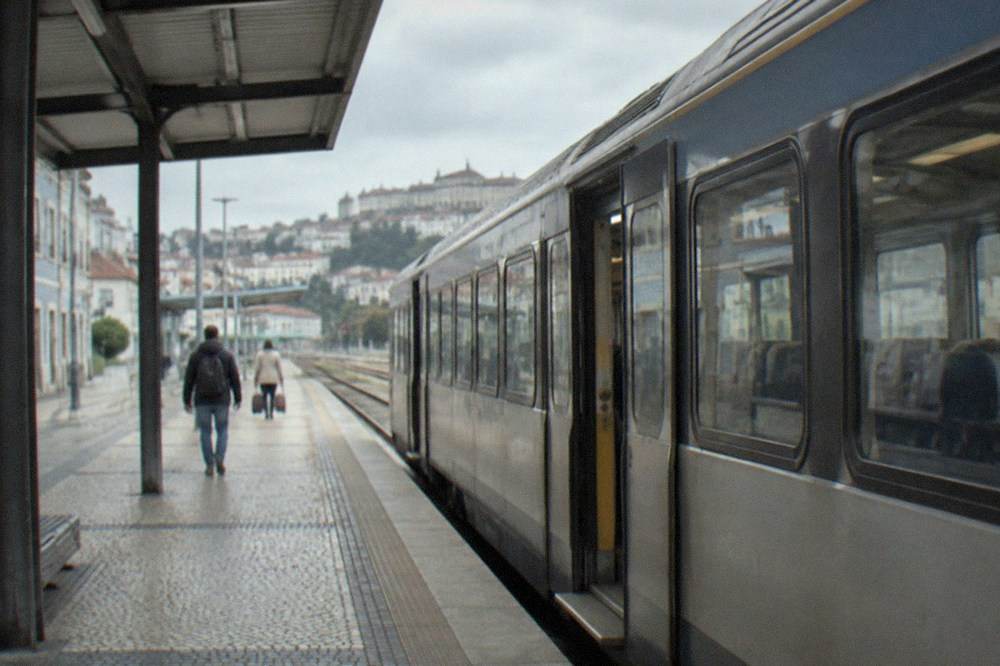
The practical shape of the day matters more than the distance. Because the university ticket covers everything on the hill and the Sé Velha and Santa Cruz are a downhill walk away, a well-planned day trip gives you the Paço das Escolas in the morning, lunch in the Baixa, and the monasteries and riverside in the afternoon. The day trip from Porto itinerary lays out an hour-by-hour version, and the question is Coimbra a day trip from Porto covers the logistics directly. On the rail side, the one thing every visitor needs to know is that the city has two stations with confusingly similar names, Coimbra-B and Coimbra-A, in different places; the train stations guide explains the difference, and CP, the national operator, is where to confirm which services call where. This site does not publish a journey time or a distance for the Porto run, because no official figure for that exact journey was verified.
If you would rather not plan the day yourself, guided options exist on both the shared and private end. The full-day trip from Porto covering Coimbra and Aveiro with a boat ride runs from 114 per person, is rated 4.7 from 106 reviews, and adds the lagoon city of Aveiro to the same day. There is also a private version, the Fátima and Coimbra private day trip from Porto, from 457 per group of up to four, rated 4.7 from 37 reviews, which suits families and anyone who wants the car and the schedule to themselves.
The shared tour is the one most day-trippers pick, and for a reason that is easy to state: it removes every decision from the day. The train, the Coimbra walking portion and the Aveiro boat ride are all handled, and the price on the listing covers the lot. The private version earns its higher per-group price when there are three or four of you, since 457 split four ways lands close to the shared tour's per-person cost, and it adds the Fátima sanctuary to the same day.
What Does a Coimbra Visit Actually Cost?
A one-day Coimbra sightseeing budget runs to roughly 16.50 EUR for the full university ticket including the Joanina Library, 3.00 EUR for the Sé Velha, 5.00 EUR for Mosteiro de Santa Cruz and 2.00 EUR for a bus ticket bought from the driver, plus a 1.00 EUR per night municipal tourist tax capped at three nights. Without the Joanina, the university ticket drops to 12.50 EUR. No Porto figure is published here, because none was verified.
The Coimbra numbers are all official and current for 2026. The municipality's own tax page states the tourist tax is 1.00 EUR per guest per overnight stay, from age 16, capped at three consecutive nights, paid to the accommodation at check-in or check-out, charged all year with no low-season exclusion. The municipality's own worked example: a couple staying seven nights pays 3.00 EUR each. In July 2026 the city's Executive approved a proposal to raise the tax to two euros per night, but the proposal is not the rate, and until the municipal tax pages say 2.00 EUR, the published figure remains 1.00 EUR. For context the same municipal study put the city's cost per overnight stay at 3.49 EUR, against 698,151 overnight stays recorded in the municipality in 2025, so even the proposed rise sits below cost.
Getting around inside the city is cheap. The 2026 SMTUC tariff, in force since 1 April 2026, lists the on-board single at 2.00 EUR and pre-purchased trips at 0.90 EUR each when bought in packs of three or more, with each trip valid 90 minutes including transfers. The same tariff is headed for intermodal use and states the tickets are valid on the Metro Mondego network too, the new bus-rapid system that has been opening in stages since 2025. This site publishes no day-pass price, because the tariff grid's row mapping was inferred rather than confirmed.
| Coimbra item | Price | Source basis |
|---|---|---|
| University combined ticket with Joanina Library | 16.50 EUR | visit.uc.pt, valid 2026 season |
| University ticket without Joanina Library | 12.50 EUR | visit.uc.pt, valid 2026 season |
| Guided Palace of Schools tour | 25.00 EUR | visit.uc.pt |
| Sé Velha individual ticket | 3.00 EUR | Unidade Pastoral Aeminium |
| Mosteiro de Santa Cruz individual ticket | 5.00 EUR | Unidade Pastoral Aeminium |
| Conímbriga museum and ruins, adult | 10.00 EUR | national museum, 2026 |
| SMTUC bus ticket bought on board | 2.00 EUR | 2026 SMTUC tariff |
| SMTUC pre-purchased trip, 3 or more | 0.90 EUR | 2026 SMTUC tariff |
| Municipal tourist tax per night | 1.00 EUR, max 3 nights | Câmara Municipal service page |
Food is where a Coimbra visit undercuts most city breaks, and the region has a signature dish with a name of its own: leitão da Bairrada, suckling pig from the Bairrada wine country south of the city. The restaurants guide covers where the local eating actually happens, and the region's wine route makes a good second-day excursion for anyone staying longer. This page publishes no restaurant prices or hours, because none were verified for individual venues, and a planning range printed as fact is how guides go wrong.
Which City Has Better Weather for Your Dates?
For Coimbra, the official IPMA climate normals for the Coimbra / Bencanta station, 1991 to 2020, show a hot, dry summer with a mean maximum of 29.1 C in August and just 8.9 mm of rain in July, and a wet autumn with November the wettest month at 121.5 mm. September is the quiet winner: a mean maximum of 27.4 C, higher than June's 26.3 C, with only 49.9 mm of rain.
No verified Porto table exists, so no comparison figure for Porto is published here.
The Coimbra table deserves to be read properly, because a version of it has been published backwards before. September is both hotter and wetter than June, not drier than it. The real, sourced point is that the autumn rain holds off until October, when the monthly total jumps from 49.9 mm to 114.5 mm, and November edges highest of all at 121.5 mm. August, not July, is the hottest month on both mean and mean maximum, averaging 10.9 days above 30 C. The record extremes at the same station are 41.2 C on 7 August 2016 and -4.3 C on 20 January 2017.
| Month | Mean max C | Rain mm | Days 1 mm+ rain |
|---|---|---|---|
| April | 20.5 | 84.6 | 10.6 |
| May | 23.3 | 64.7 | 8.5 |
| June | 26.3 | 26.0 | 3.7 |
| July | 28.5 | 8.9 | 1.7 |
| August | 29.1 | 14.8 | 2.2 |
| September | 27.4 | 49.9 | 5.2 |
| October | 23.2 | 114.5 | 10.3 |
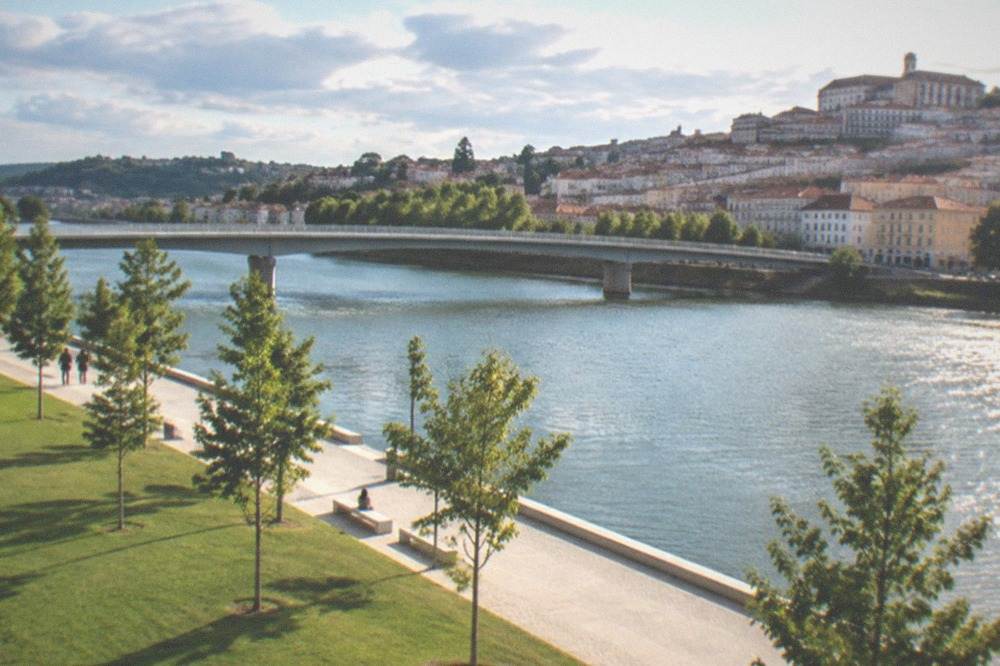
What this means for the Coimbra or Porto decision is a timing point rather than a ranking point. Coimbra is an inland city, 3 km from its measuring station at Bencanta, and its summers are genuinely hot, with 123.3 days a year reaching 25 C or more. The city does not touch the sea, so there is no afternoon ocean breeze to break a 30 C day; the riverside park along the Mondego is where locals go instead. Porto sits at a river mouth on the Atlantic, and its summer character is different in kind, but this page will not print a Porto temperature or rainfall figure, because none was verified for that city. If you are travelling in July or August and heat is a concern, plan Coimbra's hill climbs, and there are real ones, for the morning, and check the weather guide for the month-by-month detail.
How Many Days do You Need in Coimbra Versus Porto?
Coimbra needs one full day for the core sights and rewards a second for Conímbriga or the schist villages; the university ticket is valid two days, which is the institution's own signal that the hill is not a half-hour stop. Porto needs more, simply because its attractions are dispersed across a larger city, though no verified day-count exists for it. Two nights in Coimbra plus three or four in Porto is the pattern most itineraries settle into.
The two-day validity of the university ticket is a genuinely useful planning fact. It means a visitor can do the Paço das Escolas spaces on day one, keep the Joanina slot whenever it falls, and use day two for the Science Museum components or a relaxed return to the chapel and palace without paying again. A two-day itinerary is built around exactly that structure. A second day also opens the day-trip ring: Conímbriga to the south, the schist villages of the Lousã mountain to the east, Buçaco forest to the west, and the day trips guide covers all of them.
Porto's day count is a matter of geography rather than verification: a bigger city with spread-out sights takes longer, and travellers who add port-wine lodges, the seaside and a Douro valley excursion commonly give it four or more days. The honest framing is that Coimbra is the denser city per day and Porto is the deeper city per week. If your total trip is short, that asymmetry decides the question for you: base in Porto, day-trip or overnight in Coimbra. If your trip is long, do both properly, and pick a Coimbra base near the river or on the hill so the evening walk home is part of the stay.
Should You Stay Overnight in Coimbra or Just Pass Through?
Stay overnight if the Biblioteca Joanina, Coimbra's fado or the student traditions are the reason you are coming, because the Joanina's 50-per-20-minutes ceiling makes a pre-booked slot the whole day's anchor, and the city's fado only happens in the evening. Pass through on a day trip if Coimbra is a box to tick between Porto and Lisbon, because the core hill genuinely fits in a day. The overnight stays number says most visitors currently do not stay.
The evening case for staying is specific to Coimbra and has no Porto equivalent on this page, because Coimbra's fado is its own tradition, sung by men in black capes in a style the city treats as distinct from Lisbon's. The fado guide and the where to hear fado guide cover the venues, and a live show with a glass of port wine runs from 18 per person on the operator's live listing, rated 4.7 from 1,234 reviews. Add the student traditions, the Repúblicas houses and the capa e batina culture, and the city after dark is a different animal from the city at midday.
There is also a scheduling reason to overnight that no day-trip guide mentions: the University closes its visitor circuit on 24 May, and Mosteiro de Santa Cruz suspends visits on the Cortejo da Queima das Fitas, a moveable Sunday in the festival period. In May, the festival month, an overnight visitor can absorb a closure day that strands a day-tripper. The festival's own dates are not published in a verifiable form, so plan around the closures rather than around a calendar.
Coimbra or Porto: What About Tours and Guided Options?
Coimbra's guided options cluster around the university hill and the day-trip ring, from a 5.85 EUR budget walking tour to a 105.37 EUR Conímbriga tour, plus free tip-based walks on GuruWalk that must be booked like anything else. From Porto, the shared full-day Coimbra and Aveiro trip runs from 114 per person and the private version from 457 per group. Every price in that sentence comes from the operator's live listing, and this site publishes nothing for Porto-only tours because none was verified.
The Coimbra roster is deep enough to plan a whole stay around it. On the university side, three guided products dominate: a tickets-included small-group tour from 70.24 per person, rated 4.9 from 576 reviews; a university-plus-city combo from 84.29, rated 4.9 from 399 reviews; and an expert-guided Joanina-focused tour from 90.06, rated 4.8 from 168 reviews. All of them exist largely because of the Joanina slot problem: a guide with a pre-booked time removes the one failure mode that can spoil a Coimbra day. The Joanina tickets guide covers the self-guided route if you would rather buy direct.
| Coimbra-area tour | Type | From | Rating |
|---|---|---|---|
| Coimbra Top Attractions Walking Tour | city walk, 2h 30m | 5.85 per person | 5 from 151 reviews |
| University guided tours without queue | university, 1h 30m | 70.24 per person | 4.9 from 576 reviews |
| Guided tour of University and city | combo, 2 to 3h | 84.29 per person | 4.9 from 399 reviews |
| Joanina Library expert guide tour | university, 1h 30m | 90.06 per person | 4.8 from 168 reviews |
| Conimbriga and the Roman Tour | day trip, 4h | 105.37 per person | 4.8 from 136 reviews |
| Schist Villages at Lousa Mountain | day trip, 4h | 105.37 per person | 4.9 from 133 reviews |
| Live fado show with port wine | evening, 50 min | 18 per person | 4.7 from 1,234 reviews |
The free-walking-tour layer deserves its own paragraph because it is unusual. Coimbra has a large number of tip-based walks on GuruWalk, and that platform must be named here because a free walk is not this site's product and honesty requires saying so. The standout by review volume is a downtown, historic centre, university and botanic garden walk rated 4.91 from 662 reviews over three hours, with the Coimbra Guide's essential free tour at 4.99 from 168 reviews and a certified-guide highlights walk at 4.95 from 226 reviews. These cost nothing up front, you tip the guru at the end, and they are the cheapest possible way to decide whether Coimbra's hill justifies a second day. Never print a price for one; there isn't one.
How do You Combine Coimbra and Porto in One Itinerary?
The standard combination is three to four nights in Porto with one full day or one overnight in Coimbra, using the direct rail line between them and the two-day university ticket to keep Coimbra flexible. Travellers coming from Lisbon can reverse it: Lisbon, then Coimbra for one or two nights, then Porto, which is the order the Lisbon to Coimbra route naturally suggests. The one hard constraint to plan around is the Joanina slot, booked before anything else.
A worked pattern makes this concrete. Arrive in Porto, spend two or three days there. On the Coimbra day, either take an organised full-day trip covering Coimbra and Aveiro with a boat ride, from 114 per person, or travel independently and walk the hill yourself with the 16.50 EUR ticket. If the evening fado tempts you, stay the night, pay the 1.00 EUR tourist tax at the desk, and return to Porto the next morning; the two-day ticket means you can finish any university spaces you missed. Travellers with a week can add a second Coimbra day for Conímbriga, which is open daily when the city's Monday-closed monuments are not, or the Lousã schist villages.
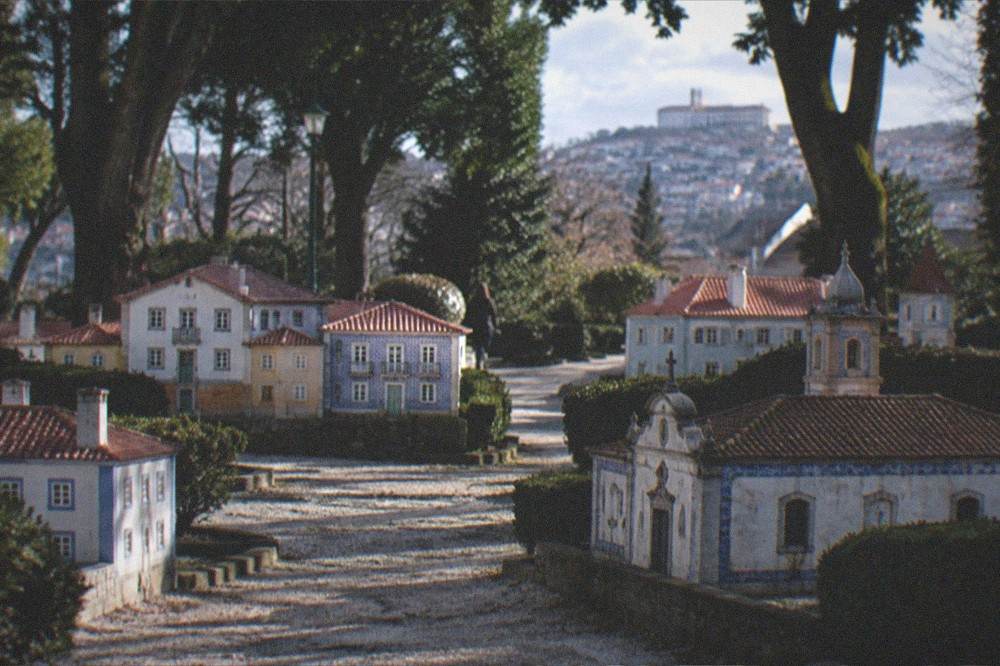
The family angle changes the arithmetic slightly. Portugal dos Pequenitos, the miniature-village park run by the Fundação Bissaya Barreto, is a genuinely child-specific Coimbra attraction, open 10:00 to 19:00 from 1 March to 15 October and 10:00 to 17:00 in the winter window, though this site publishes no entry price because the venue's own price page renders client-side and no euro figure could be verified from it. The Portugal dos Pequenitos guide covers it in full. If you are travelling with children and choosing between the cities, that park plus a river boat trip, from 15 per person for the traditional Barca Serrana, gives Coimbra a family case Porto cannot copy at the same price.
Common Questions About Coimbra or Porto
Coimbra or Porto: which is better for a first visit to Portugal?
Porto is the safer first-visit base for a short trip, because it is the larger city with more sights, the Atlantic on its doorstep and the port-wine lodges. Coimbra is the better choice if your interest is universities, libraries and old student traditions, or if your trip already includes Lisbon and you want a smaller, walkable contrast. Most first-timers with a week do both.
Is Coimbra a day trip from Porto?
Yes, and it is the most popular way to see it. Coimbra's core sights sit on one hill and fit a full day, and the university ticket is valid two days. Book the Biblioteca Joanina slot in advance, because it admits 50 people every 20 minutes and refuses entry outside the printed time.
Is Coimbra cheaper than Porto?
This site publishes no verified Porto prices, so no honest comparison figure exists here. Coimbra's own verified costs are low: a 16.50 EUR full university ticket, 3.00 EUR for the Sé Velha, 5.00 EUR for Santa Cruz, 2.00 EUR for an on-board bus ticket and a 1.00 EUR per night tourist tax capped at three nights.
How far is Porto from Coimbra?
The two cities are close enough that Coimbra is a standard day trip from Porto, but this site publishes no distance or journey time for the route, because no official figure for that exact journey was verified. The how far is Porto from Coimbra answer covers what is known, and CP is where to confirm train times.
Which city has better weather, Coimbra or Porto?
Only Coimbra has a verified climate table on this site: IPMA's 1991 to 2020 normals for the Coimbra / Bencanta station show August the hottest month at a 29.1 C mean maximum and November the wettest at 121.5 mm, with September the sweet spot at 27.4 C and just 49.9 mm of rain. No Porto figure is published here, because none was verified.
Should I stay overnight in Coimbra or just visit for the day?
Stay overnight if you want the evening fado, the student atmosphere after dark, or a second day for Conímbriga or the schist villages. Day-trip if Coimbra is one stop among many. The municipality recorded 698,151 overnight stays in 2025, so plenty of visitors do pass through, but the fado and the two-day university ticket both reward the night.
The choice between Coimbra and Porto is really a choice of pace, and the two cities are close enough that the decision is reversible on the ground. Book the Joanina slot first, give Porto the bigger share of your nights, and let the smaller city surprise you on the hill.