Why Is Coimbra Famous?
Coimbra, Portugal is famous for its 700-year-old university, the Biblioteca Joanina, its own fado tradition, the Roman ruins at Conímbriga and its student culture. Here is what makes the city on the River Mondego known.
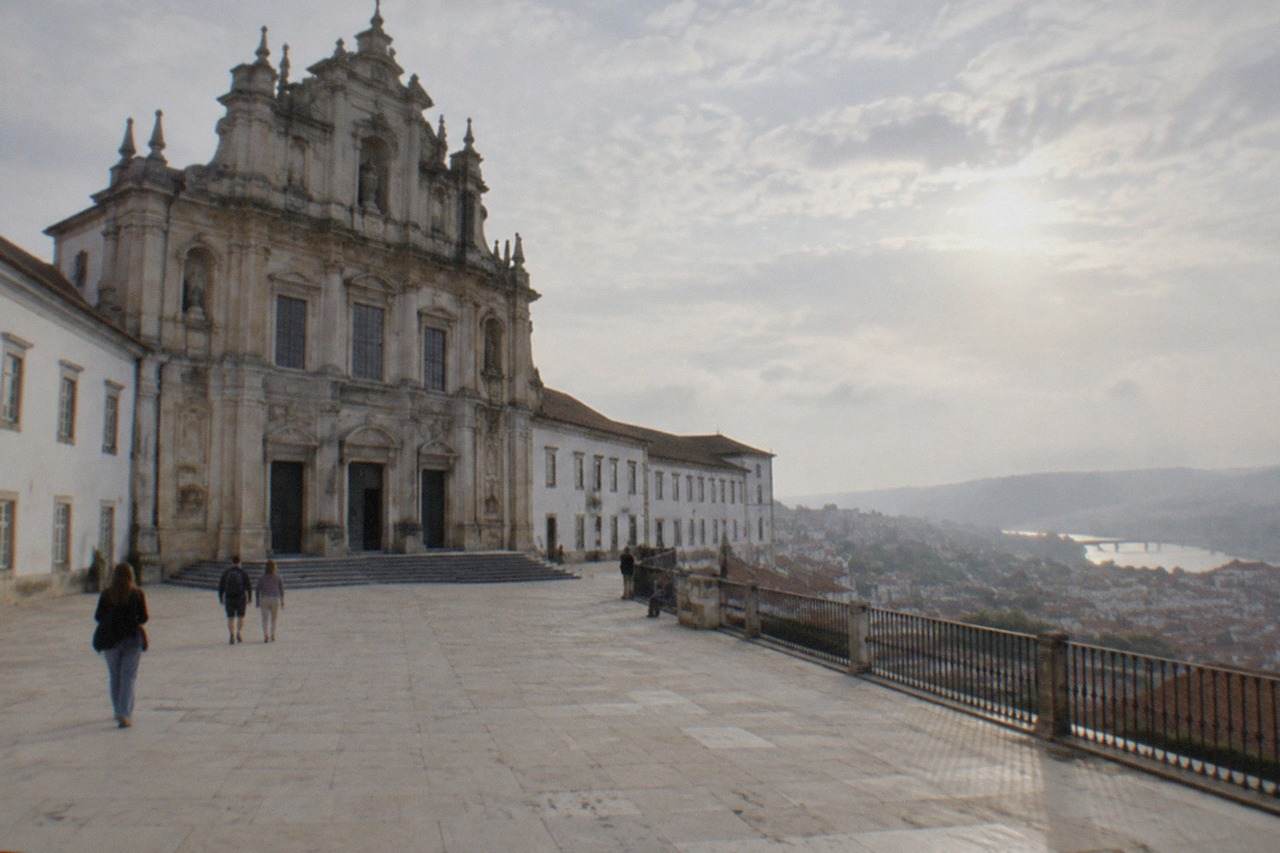
Coimbra, Portugal, the university city on the River Mondego in the country's Centro region, is famous for one thing above all others: the University of Coimbra, one of the oldest continuously operating universities in Europe, whose hilltop core was inscribed on the UNESCO World Heritage list in 2013. Around that university grew everything else the city is known for, a baroque library with a living bat colony, a fado tradition sung by students rather than tavern performers, black-caped student rituals that close monuments for a day each May, and a Roman past preserved at Conímbriga about 16 km south. This page sets out, with the verified figures, exactly what made this mid-sized Portuguese city famous and why the answer is more specific than most guides admit.
Why Is Coimbra Famous?
Coimbra is famous because it has been a university city since the institution arrived in the early 14th century, and the university still shapes the city's economy, calendar, music and skyline. The University's own published figures list about 31,000 students, and UNESCO inscribed "University of Coimbra, Alta and Sofia", list reference 1387, in 2013 under criteria (ii), (iv) and (vi). That inscription covers the university hill and the Rua da Sofia college street, two components inside the old town, not the whole city.
That last point matters more than it sounds. A large share of travel content calls Coimbra "a UNESCO World Heritage city", and that claim is false. The inscribed property is the university's Alta, the hill with the Royal Palace, St Michael's Chapel and the Joanine Library, together with Sofia, the college street below where religious orders built their colleges in the 16th century. The Baixa, the riverside and the rest of the old town sit outside the inscription. Anyone quoting the listing should quote it precisely: the University of Coimbra, Alta and Sofia, managed by the association RUAS, founded by the University, the City Hall, the regional culture delegation and Coimbra Viva.
The fame is therefore specific rather than generic. Coimbra is not famous as a beach city, because the city does not touch the sea, the district of Coimbra does and reaches the Atlantic around Figueira da Foz. It is famous as a place where a single institution has organised urban life for centuries, which is why the student calendar, not the tourist season, is the rhythm that closes monuments and fills squares.
| What Coimbra is famous for | The verified detail | Where it sits |
|---|---|---|
| The University of Coimbra | About 31,000 students, per the University's own published figures | The Alta, the hill above the old town |
| Biblioteca Joanina | 50 people admitted every 20 minutes, 16.50 EUR combined ticket | Inside the Paço das Escolas |
| UNESCO inscription "University of Coimbra, Alta and Sofia" | List reference 1387, inscribed 2013 | Two components in the old town |
| Conímbriga Roman ruins | 10.00 EUR adult ticket, museum and ruins together | Condeixa-a-Velha, about 16 km south |
| Student fado (fado de Coimbra | Sung by students, tied to the academic tradition | Sung dark, serious and male-voiced |
How Does the University Make Coimbra Famous?
The University of Coimbra makes the city famous by being old, visible and still working. Its published numbers include about 31,000 students, 434 courses, 1,935 professors and 22 libraries, and its visitor operation runs a timed-entry system for the Biblioteca Joanina that admits 50 people every 20 minutes. The combined ticket that includes the library costs 16.50 EUR for an adult and is stamped valid for two days, except the Joanina slot, which is fixed to the minute printed on the ticket.
The library is the single most famous interior in the city, and the details that make it famous are official ones. The University's own visit pages state the 50-per-20-minutes ceiling, that the Joanina cannot be bought on its own, that it exists only inside the 16.50 EUR combined ticket, and that entry outside the printed slot is refused. The same pages explain why: the building houses a colony of bats that emerge at night to eat the insects which would otherwise damage the books. That is not folklore, the University states it on the Joanina's own page, and it is the reason the wooden tables are covered with leather cloths each evening.
The tower beside the library, the Torre da Universidade, is closed, and the University's own information page says so plainly. Any guide promising a tower climb is describing something that does not exist. The Paço das Escolas courtyard, the Capela de São Miguel and the views down over the red rooftops to the River Mondego are all open on the standard ticket, and the University publishes summer hours of 09:00 to 20:00 from 1 April to 30 September and winter hours of 09:00 to 17:30 for the rest of the year.
For visitors who want the famous hill explained rather than just walked, a guided option solves the ticket-and-slot logistics in one move. The Best of Coimbra Private Walking Tour with University Late Visit pairs a private walk through the old town with a later university visit, and it can be checked through the operator's live listing: Check availability. More on what the library itself is famous for is in which library is Portugal's most beautiful.
Why Is Coimbra's Fado and Student Culture Famous?
Coimbra's fado, fado de Coimbra, is famous because it is sung by students in black academic capes, with different guitars, a different tuning and a more solemn stage manner than Lisbon's fado, and it is bound to the university's rituals rather than to the tavern. The student calendar is famous enough to close the city's monuments: the University shuts its visitor circuit on 24 May, and Mosteiro de Santa Cruz suspends visits on the Cortejo da Queima das Fitas, a moveable Sunday in May.
The fado of Coimbra has its own repertoire, its own guitar, the guitarra de Coimbra with a larger body and a different tuning, and its own etiquette: it is traditionally sung by men, often in capes, standing, in the dark. The songs are about the city, the river, the student life and goodbye, and the tradition is recognised as part of the academic culture rather than as a nightlife product. A live show with a glass of port wine runs about 50 minutes and is the easiest way for a visitor to hear it properly, and the story behind the most sung pieces is covered in what is the most famous fado song.
The student culture also explains why the city's calendar behaves unusually. The Repúblicas, the student houses of the old town, are part of the same tradition. In May the Queima das Fitas festivities take over the centre, and the two verified consequences for a visitor are the University's closure of the tourist circuit on 24 May and Santa Cruz's suspension of visits on the parade Sunday. Exact festival dates should be checked with the Associação Académica before a trip is planned around them.
Is Coimbra Famous for Roman Ruins?
Yes, through Conímbriga, a Roman town about 16 km south of the city, in the parish of Condeixa-a-Velha in the municipality of Condeixa-a-Nova. The site's own museum lists a 10.00 EUR adult ticket covering the museum and the ruins together, open daily 10:00 to 18:00 with the ticket office closing at 17:15. Conímbriga is one of the most extensive Roman domestic sites in Portugal, with house mosaics, baths and forum remains, and it is open seven days a week.
That last detail is quietly useful. Most of the state-run monuments in the region close on Mondays, and Conímbriga's own pages list it as open Monday to Sunday, which makes it the reliable Monday excursion. The site is not in Coimbra itself, and writers regularly get the geography wrong in both directions: it belongs to Condeixa-a-Nova, not to the city, and the district boundary has nothing to do with it.
The Roman connection inside the city is real too, though harder to see at present. The Museu Nacional de Machado de Castro is built over a Roman cryptoporticus of the mid-1st century, part of the forum of the Roman settlement Aeminium that stood here before Coimbra. The museum is currently closed for conservation work, its own page on the national museums portal says so, so the cryptoporticus is not visitable at the moment and no reopening date should be assumed. Whether the ruins are worth the drive is answered in detail in is Conímbriga worth visiting, and the wider Roman picture is in famous Roman ruins in Portugal.
What Else Is Coimbra Famous For?
Coimbra is also famous for its monuments and its food: the Sé Velha, a Romanesque cathedral charging 3.00 EUR, Mosteiro de Santa Cruz, the burial church of Portugal's first two kings at 5.00 EUR, the miniature park Portugal dos Pequenitos, and leitão da Bairrada, the roast suckling pig of the region just north. The municipality recorded 698,151 overnight stays in 2025, its own published figure, which shows the fame now converts into serious visitor volume.
The two churches anchor the old town. The Sé Velha de Coimbra is one of the best-preserved Romanesque cathedrals in the country, and the parish body that runs it publishes a 3.00 EUR individual ticket. Mosteiro de Santa Cruz holds the tombs of Portugal's first two kings and publishes a 5.00 EUR individual ticket, with visits suspended on Easter Sunday and on the Queima parade Sunday. Portugal dos Pequenitos, the miniature village built in the 1940s by the Fundação Bissaya Barreto, publishes its hours on its own site, 10:00 to 17:00 in the winter season and 10:00 to 19:00 from 1 March to 15 October, though its price page renders in the browser and no figure should be quoted second-hand.
The food fame is regional rather than municipal. Leitão da Bairrada, roast suckling pig, comes from the Bairrada wine country north of the city, and Coimbra is the natural place to eat it, a pairing covered fully in what food is Coimbra famous for. The city's climate, which draws the visitors, is published by IPMA from the Coimbra / Bencanta station: August is the hottest month at a 29.1 C mean maximum, hotter than July, and the rain holds off until October, when the monthly total jumps from 49.9 mm to 114.5 mm.
| Month | Mean maximum (C) | Rain (mm) | Days above 30 C |
|---|---|---|---|
| June | 26.3 | 26.0 | 6.2 |
| July | 28.5 | 8.9 | 8.9 |
| August | 29.1 | 14.8 | 10.9 |
| September | 27.4 | 49.9 | 7.8 |
| October | 23.2 | 114.5 | 2.0 |
September is the quiet specialist's answer: its mean maximum of 27.4 C is actually higher than June's 26.3 C, and it still gets only 49.9 mm of rain, while the student crowds of the academic year have not yet returned in full. The city's fame, in the end, is the fame of a working university town rather than a museum piece, and the difference is visible in everything from the closing dates on the ticket pages to the fado in the streets at night. For the fuller picture of what makes the place distinctive, read what is special about Coimbra, Portugal, and plan the practical side with this site's Coimbra Travel Guide coverage of itineraries and day trips.
Common Questions About Why Coimbra Is Famous
Why is Coimbra famous?
Coimbra, Portugal is famous for the University of Coimbra, whose Alta and Rua da Sofia were inscribed by UNESCO in 2013, for the Biblioteca Joanina with its timed entry and bat colony, for fado de Coimbra sung by students, and for the Roman ruins at Conímbriga about 16 km south.
Is Coimbra a UNESCO World Heritage city?
No. The UNESCO inscription is "University of Coimbra, Alta and Sofia", list reference 1387, from 2013, and it covers two components inside the old town: the university hill and the college street. The city as a whole is not inscribed.
Can you visit the Biblioteca Joanina?
Yes, but only as part of the University's 16.50 EUR combined ticket, with entry limited to 50 people every 20 minutes. The time printed on the ticket is the library slot, entry outside it is refused, and the rest of the ticket is valid for two days.
Is Coimbra's fado different from Lisbon's?
Yes. Coimbra's fado is a student tradition sung in academic dress with its own type of guitar and a more solemn style, tied to the university's rituals rather than to the tavern culture associated with Lisbon.
What food is Coimbra famous for?
The signature regional dish is leitão da Bairrada, roast suckling pig from the Bairrada country north of the city, and Coimbra is the natural base for eating it.
Are the Conímbriga Roman ruins in Coimbra?
No. Conímbriga is in the parish of Condeixa-a-Velha in the municipality of Condeixa-a-Nova, about 16 km south of the city. The museum lists a 10.00 EUR adult ticket covering both the museum and the ruins.