What Is Special About Coimbra, Portugal?
Coimbra, Portugal is the country's university city on the River Mondego: a baroque library with bats, a World Heritage university hill, Roman ruins nearby and fado sung in a black cape.
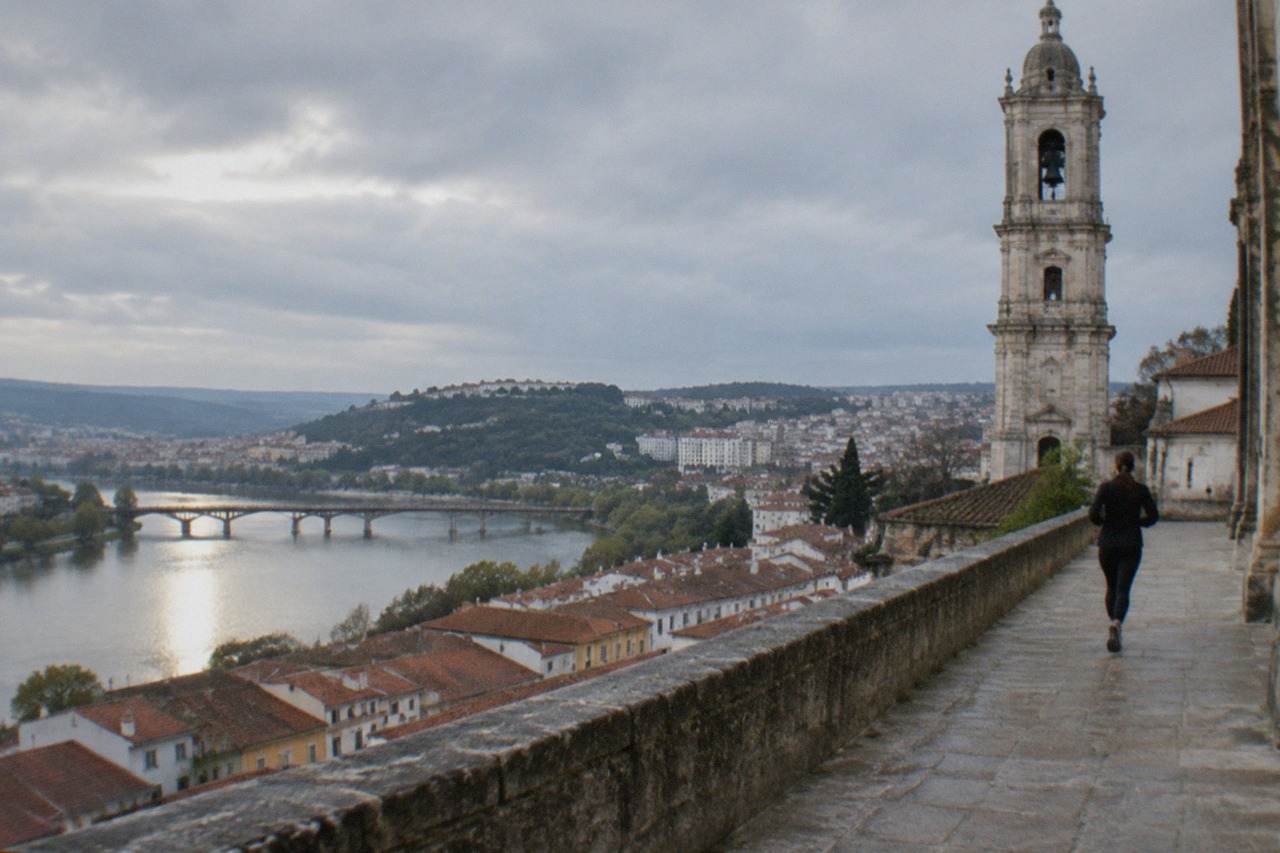
Coimbra, Portugal, is the university city on the River Mondego, roughly halfway between Porto and Lisbon, and what makes it special is not one monument but a concentration of things that exist nowhere else in the country in this combination. The University of Coimbra publishes a current figure of about 31,000 students on its own homepage, and that student body has shaped everything from the music to the way the old town is built, vertically, up a hill that was a fortress before it was a campus. The municipality's own figures recorded 698,151 overnight stays in 2025, which tells you the secret is out, but the city still runs at a completely different rhythm from Lisbon or Porto.
What Is Special About Coimbra, Portugal?
Coimbra, Portugal is special because it is a small river city that carries a national institution: one of the oldest universities in continuous operation in Europe, inscribed on the UNESCO World Heritage list in 2013 as "University of Coimbra - Alta and Sofia", reference 1387. The inscription covers the university hill and the college street of Rua da Sofia, not the whole city.
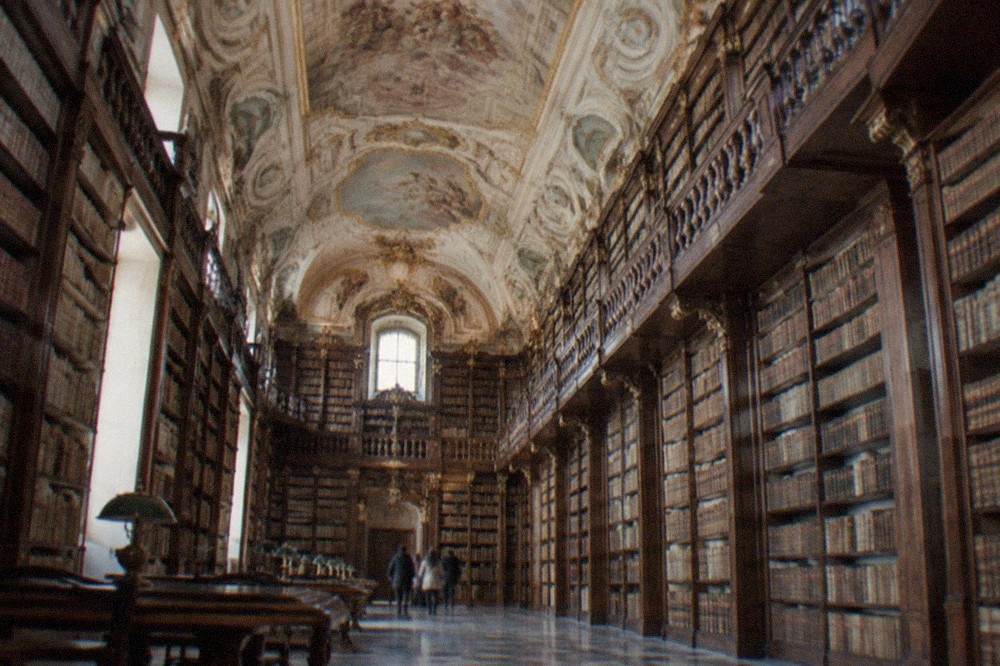
The baroque Biblioteca Joanina admits just 50 people every 20 minutes, and a colony of bats lives behind the bookshelves to eat the insects that would otherwise eat the books.
That bat colony is real and official: the University's own space page for the Joanina confirms the bats are part of the building's conservation system, a pest-control arrangement that modern science has never needed to replace. It is a good shorthand for what Coimbra does generally. The city keeps old solutions working because they still function, whether that is bats in a library, a funicular hauling people up the hill, or a student tradition of singing fado in black academic capes that is distinct from the Lisbon version most visitors know. If you want the wider picture of what the city is known for, the companion page what Coimbra is famous for goes deeper on the music and the food.
The scale is the other part of the answer. This is a city you can walk across the historic core of in a morning, but it holds a royal burial church, a Romanesque cathedral, a Roman town 16 km south at Conímbriga, and a university whose palace spaces are open to ticketed visitors daily. The University's summer schedule runs 09:00 to 20:00 from 1 April to 30 September, so the hill stays visitable into the evening in the months most people come.
Why Does the University of Coimbra Define the City?
The University of Coimbra defines the city because it physically owns the best real estate: the Paço das Escolas, the former royal palace on the old fortress hill, became the university's home and is now the core of the World Heritage property. The University publishes a figure of about 31,000 students, and the visitable circuit includes the Royal Palace, the Capela de São Miguel, the 18th-century Chemistry Laboratory and the Biblioteca Joanina, all on one combined ticket priced at 16.50 EUR for the 2026 season.
The 16.50 EUR ticket is the one to understand before you arrive, because the Joanina Library cannot be bought on its own. It exists only inside that combined ticket, and the time printed on the ticket is the library slot specifically: the University's own program page states entries are limited to 50 people every 20 minutes and that visits outside the stipulated time are refused. Online purchase closes 20 minutes before the visit time. The rest of the ticket, the palace, chapel, laboratories and museums, stays valid for two days, so the practical play is to book a Joanina slot and fit everything else around it. The full ticketing breakdown is on the University of Coimbra tickets page.
Two things are closed, and a guide that does not say so is out of date. The Torre da Universidade, the clock tower, is closed to the public: the University's information page states plainly that the facility is closed, so there is no tower climb to buy. The Museu Nacional de Machado de Castro, the national museum built over a mid-1st-century Roman cryptoporticus, is closed for conservation work, with its reopening phased after summer 2026. Neither closure changes the core of a visit, but both change what a day looks like if you planned around them.
The student layer is not decoration. The Repúblicas, the student houses of the old town, the Queima das Fitas festival each May, and the academic fado sung in the city's venues are all live institutions, and the University closes its visitor circuit on 24 May in the current cycle because the academic calendar takes priority. This is a working university first and a sightseeing destination second, and that ordering is exactly what gives the place its texture.
What Should You Not Miss in Coimbra, Portugal?
The essentials in Coimbra, Portugal are the Paço das Escolas circuit with a pre-booked Joanina slot, the Mosteiro de Santa Cruz, which is the burial church of Portugal's first two kings and charges 5.00 EUR, the Romanesque Sé Velha at 3.00 EUR, and the riverside Santa Clara district across the Mondego. One caution before anything else: the Mosteiro de Santa Clara-a-Velha has been closed for requalification works since October 2025, so check its status rather than planning a visit around it.
Santa Cruz is the one people underestimate. It sits in the Baixa, the lower town, looking like an ordinary church from the street, and the visitable parts, the sacristy, the cloister and the royal tombs, are covered by the 5.00 EUR individual ticket published by the Unidade Pastoral Aeminium, which manages it. The parish's own page also warns that visits are suspended on the Cortejo da Queima das Fitas, a moveable Sunday in May when the student parade takes the streets. The Sé Velha, the old cathedral, is one of the best-preserved Romanesque buildings in Portugal and charges 3.00 EUR, with summer hours from 09:30 to 18:30. The wider set of guides lives on Coimbra Travel Guide.
| Site | What it is | Entry (2026) | Status |
|---|---|---|---|
| Paço das Escolas + Biblioteca Joanina | University hill circuit with timed library slot | 16.50 EUR combined | Open daily, summer 09:00 to 20:00 |
| Mosteiro de Santa Cruz | Burial church of Portugal's first two kings | 5.00 EUR | Visits suspended on the Cortejo Sunday |
| Sé Velha de Coimbra | Romanesque old cathedral | 3.00 EUR | Open, summer hours to 18:30 |
| Torre da Universidade | The university clock tower | No ticket sold | Closed, per the University's own page |
| Museu Nacional de Machado de Castro | National museum over a Roman cryptoporticus | None while closed | Closed for conservation work |
| Portugal dos Pequenitos | Miniature-park family attraction across the river | Price on the venue's own ticket page | Open, 10:00 to 19:00 in the main season |
For a first visit, a guided walk solves the hill problem, because the city is steep and the layout is confusing on arrival. The guided tour of the University and city of Coimbra covers the hill and the lower town in one two to three hour walk, rated 4.9 from 399 reviews, with tickets included. Check availability if you want the Joanina explained rather than just seen, since the library visit itself is short by design.
What Is There to See Beyond Coimbra City?
Beyond the city itself, the Coimbra area offers Conímbriga, one of the largest Roman town sites in Portugal, about 16 km south in the municipality of Condeixa-a-Nova, with a 10.00 EUR combined ticket covering the museum and the ruins together, open daily 10:00 to 18:00. Closer in, the schist villages of the Serra da Lousã, the Bussaco forest and the shrine at Fátima all sit within day-trip range, which is a wider hinterland than most cities of Coimbra's size can offer.
Conímbriga is the reliable Monday option, and that is a genuinely practical detail: the DGPC monuments in the city close on Mondays, but the Museu Nacional de Conímbriga opens seven days a week, so a Monday in Coimbra is best spent 16 km south among the ruins and mosaics. The site is in Condeixa-a-Velha, in the municipality of Condeixa-a-Nova, and confusing it with a Coimbra suburb is the standard error in guides. The is Conímbriga worth visiting page covers what the ruins actually contain.
The Lousã mountain villages are the other standout. Talasnal, Gondramaz and the surrounding settlements are stone villages built into the slopes, and tours from Coimbra reach them in a half or full day. The what not to miss in Coimbra page ranks the in-city essentials if your time is short.
When Is the Best Time to Experience What Is Special About Coimbra?
The best months to experience Coimbra are May, June and September, and September is the quiet stand-out: IPMA's 1991 to 2020 normals for the Coimbra / Bencanta station show September with a mean maximum of 27.4 C, actually hotter than June's 26.3 C, on just 49.9 mm of rain, with the heavy autumn rain holding off until October, when the monthly total jumps to 114.5 mm. July, at 8.9 mm, is effectively dry but August, not July, is the hottest month.
That September figure is the detail almost every guide gets backwards by assuming the summer holidays define the weather. The students return in September too, which means the fado venues, the Repúblicas and the whole academic atmosphere switch back on exactly when the crowds thin and the heat softens. November is the wettest month at 121.5 mm, marginally ahead of October and January, so the November to March window trades rain for empty streets and winter university hours of 09:00 to 17:30 on the hill. The best time to visit Coimbra page carries the full month-by-month table.
Common Questions About Coimbra, Portugal
What is special about Coimbra, Portugal?
The University of Coimbra and its hill, inscribed on the UNESCO World Heritage list in 2013 as "University of Coimbra - Alta and Sofia", the Biblioteca Joanina with its 50 people per 20-minute entry slots and its bat colony, the royal tombs at Mosteiro de Santa Cruz, and a live student culture of academic fado and May festivals, all in a walkable river city.
Is Coimbra a UNESCO World Heritage city?
No. The inscription, list reference 1387, covers two components of the old town: the Alta, the university hill, and Rua da Sofia, the college street. The city as a whole, the Baixa and the riverside are not inscribed, and any guide that says otherwise is wrong.
Can you visit the Biblioteca Joanina on its own?
No. The Joanina Library exists only inside the University's 16.50 EUR combined ticket, and the time printed on that ticket is the fixed library slot. Entry outside the slot is refused, and online purchase closes 20 minutes before the visit time.
What is closed in Coimbra right now?
The Torre da Universidade is closed to the public, the Museu Nacional de Machado de Castro is closed for conservation work with a phased reopening planned after summer 2026, and the Mosteiro de Santa Clara-a-Velha has been closed for requalification works since October 2025. Check each before planning around them.
How many days do you need in Coimbra?
Two days covers the university hill with a Joanina slot, the Baixa monuments and the riverside, with a third day for Conímbriga or the Lousã schist villages if you have a car or take a tour.
Coimbra, Portugal rewards exactly the kind of visitor who reads past the postcard: the city's special things are operational details as much as sights, a timed library slot, a closed tower, a Monday-proof Roman site 16 km south, and a September that behaves like summer with none of the summer crowds, and planning around them is what turns a quick stop between Porto and Lisbon into the trip's highlight.