What Is the Most Famous Fado Song?
The most famous fado song is the one titled Coimbra, known abroad as April in Portugal. Here is its story, how Coimbra fado differs from Lisbon fado, and where to hear it in Coimbra, Portugal.
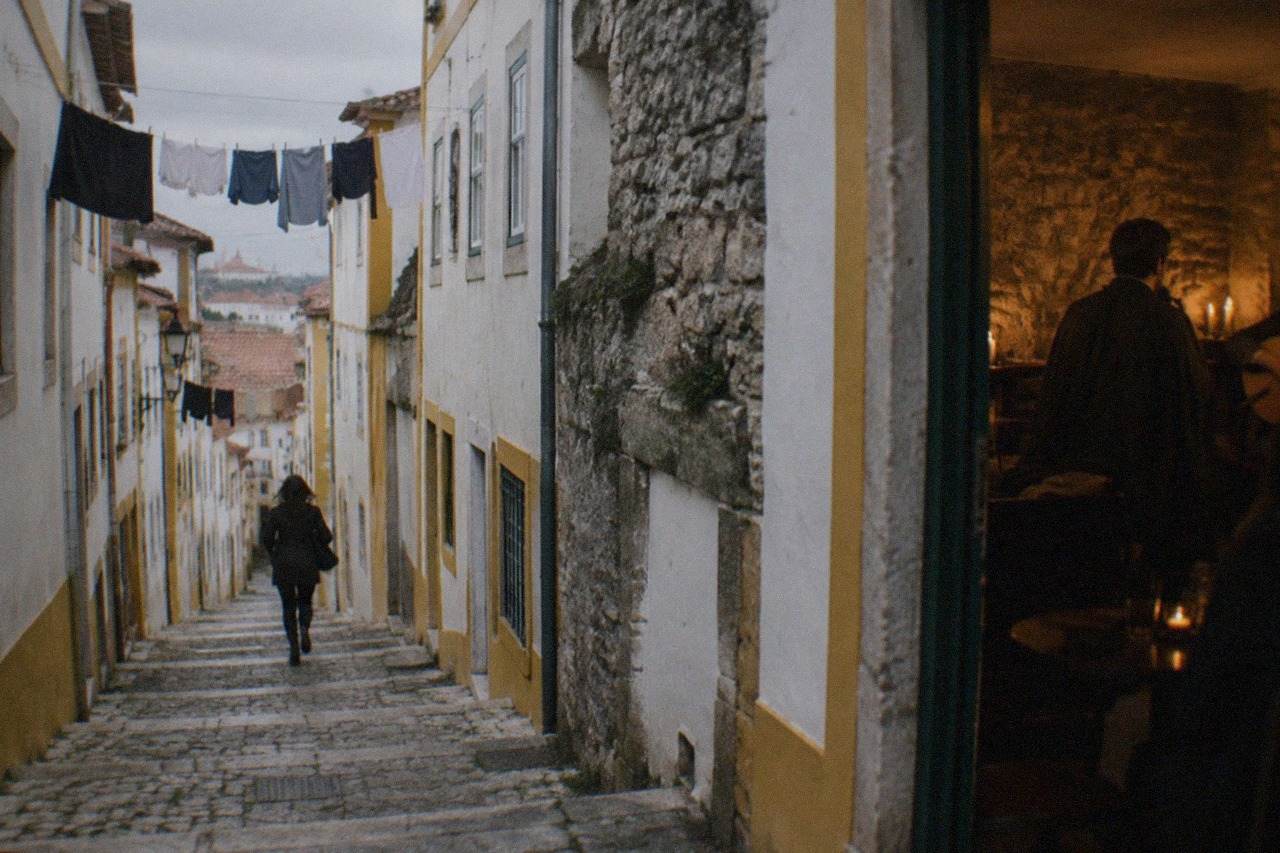
Coimbra, Portugal, the university city on the River Mondego, is the answer to this question in more ways than one: the most famous fado song ever written is actually titled "Coimbra", and it carries the name of this city around the world under its international title, "April in Portugal". The song is a fado de Coimbra, the city's own male, academic tradition of fado, distinct from the better known Lisbon style. This page explains what the song is, why it exists, how the two fado traditions differ, and where a visitor to Coimbra can hear the real thing today.
What Is the Most Famous Fado Song?
The most famous fado song is "Coimbra", known internationally as "April in Portugal", and it is the single fado most listeners worldwide have heard. Its melody was composed by Raul Ferrão with lyrics by José Galhardo, and it was popularised abroad through English-language versions recorded by major international artists. The song's Portuguese title is simply the name of the city it celebrates, which is why it is also called "April in Portugal" on foreign releases.
The song is a love letter to the city in fado form. Its lyrics describe Coimbra as more beautiful the longer one stays, and its chorus, "Coimbra tem mais encanto na hora da despedida", roughly "Coimbra has more charm at the hour of farewell", is quoted constantly in Portugal, in tourist brochures, on postcards and by students at the university. The line has become one of the most repeated phrases in the Portuguese language about any city.
What makes the song unusual among fado repertoire is its journey. Fado was, and largely remains, a niche outside Portugal, but "Coimbra" crossed over. English versions appeared under the title "April in Portugal", and the song was recorded by a string of international singers in the mid twentieth century, which carried a Coimbra melody, and the city's name, into living rooms far from the River Mondego. For many listeners outside Portugal, this song was their first and only exposure to fado.
It is worth being precise about one thing: the song is a fado de Coimbra, not a Lisbon fado. That distinction is not trivia. The two traditions have different singers, different instruments, different postures and different emotional registers, and the next section explains the gap, because a visitor who arrives in Coimbra expecting a Lisbon-style performance will notice the difference within minutes. For more background on the genre itself, see what a Portuguese fado actually is.
How Does Coimbra Fado Differ from Lisbon Fado?
Coimbra fado is sung almost exclusively by men, grew out of the University of Coimbra's student tradition rather than Lisbon's working-class port districts, and is strongly associated with the black academic cape worn by students. It is performed standing rather than seated, uses a different guitar tuning and accompaniment, and lives both inside venues and as street serenades sung at night beneath windows. Lisbon fado, by contrast, is sung by men and women, seated, in dedicated fado houses, and follows the saudade tradition of the Alfama and Mouraria districts.
The differences are visible before a single note is sung. A Coimbra fado singer typically performs standing, in the dark traje académico, the black cape of the university's students, and the posture is formal, almost ceremonial. The tradition grew directly out of student life at the University of Coimbra, which today publishes a figure of about 31,000 students on its own "University in Numbers" page, and the serenade tradition, in which groups of caped students sing beneath a window at night, is still practised. Lisbon fado's roots are elsewhere entirely: in the port-city streets, the fado houses of the old quarters, and the shawl-and-guitar imagery of singers like the tradition's great female voices.
The sound differs too. Coimbra's fado uses the same pairing of Portuguese guitar and classical guitar as Lisbon's, but the Coimbra tuning is lower and the instrumental voice that accompanies the singer is its own. The repertoire is different as well: where Lisbon fado leans on saudade, longing and loss, Coimbra fado carries a large body of student songs, serenades and odes to the city, of which "Coimbra", the most famous fado song of all, is the flagship.
| Aspect | Fado de Coimbra | Fado de Lisboa |
|---|---|---|
| Who sings it | Traditionally men, students and former students | Men and women |
| Origin | University of Coimbra student tradition | Working-class districts of Lisbon |
| Costume | Black academic cape of the students | Black shawl for female singers |
| Posture | Sung standing | Traditionally sung seated |
| Settings | Venues and night-time street serenades | Dedicated fado houses |
| Signature song | "Coimbra" / "April in Portugal" | The Lisbon fado canon |
For a fuller treatment of the local tradition, the site's own guide to fado de Coimbra covers the form in depth, and the question of where the best place to see fado in Portugal is has its own answer page.
Where Can You Hear Fado in Coimbra?
The most practical way for a visitor to hear live fado in Coimbra is a ticketed fado show, and the city's best reviewed option on this site's roster is a live fado performance with a glass of port wine included, from $18 per person, rated 4.7 from 1,234 reviews and running about 50 minutes. Beyond ticketed shows, fado in Coimbra is also heard as street serenade, and the student tradition means performances cluster around the old town and the university hill.
Nothing about individual fado venues in Coimbra was verified for this site, so no show times, addresses or venue capacities appear here. What is verifiable is the listing for the show above: a 50-minute live performance with a glass of port wine included, priced from $18 per person, and carrying 1,234 reviews at 4.7. For a first-time visitor, a short ticketed show answers the question this page started with, what the most famous fado song actually sounds like in the city that wrote it, without any of the guesswork of hunting a serenade on the right night.
The show is also the easiest way to hear the local style with context. A performer in a black cape, standing, with a Portuguese guitar, is the visual signature of fado de Coimbra, and a 50-minute set leaves the rest of the evening free. Visitors weighing what to wear or whether tipping is expected can read what to wear to a fado show and whether you tip at a fado show.
If a ticketed evening is not the plan, the alternative is to walk the old town on a night when the university's traditions are in the air. The site's page on where to hear fado in Coimbra covers the settings in which the music lives, and the serenade tradition means that on the right evening, the music finds you rather than the reverse. To secure a seat at the ticketed show instead, Check availability.
Why Does the Most Famous Fado Song Celebrate This City?
The song "Coimbra" celebrates this city because Coimbra, Portugal, is the emotional heart of the country's academic tradition, and the farewell theme of its chorus, that Coimbra has more charm at the hour of departure, captures the experience of generations of students who left the city and missed it. The University of Coimbra, its hill and college street inscribed by UNESCO in 2013 as "University of Coimbra – Alta and Sofia", is the institution the song orbits.
The UNESCO detail matters and is widely misstated. The inscription, list reference 1387, covers two components of the old town, the Alta, the university hill, and Sofia, the college street below, and not the whole city. It is the most common factual error in guides to Coimbra, and the song's fame rests on the same piece of geography the inscription protects: the hill above the River Mondego where the university has sat for centuries, and where students in black capes still sing.
The song's chorus works because the city it names is a place people leave. Students graduate and go; the song says the leaving is when the city is most beautiful. That sentiment is why the melody travelled so well under the title "April in Portugal": it is a song about a specific place that behaves like a song about any cherished place. The question of what Coimbra is famous for has a longer answer, but fado, the university and the farewell theme of this one song sit near the top of it.
What Should First-Time Visitors Know Before a Fado Evening in Coimbra?
First-time visitors should know that a Coimbra fado evening is short, formal and quiet: the best reviewed ticketed show on this site's roster runs about 50 minutes and includes a glass of port wine, from $18 per person. The performance style is standing and caped, unlike the seated Lisbon tradition, and audiences are expected to stay silent while the singer holds the room. Booking ahead is the practical move, because the shows are small-scale evenings, not stadium concerts.
Beyond the fado show itself, the evening slots naturally into a day in a compact, walkable city. The fado show pairs well with a daytime exploration of the old town, and the two other experiences in this site's shortlist for the city, a top attractions walking tour from $5.85 per person rated 5 from 151 reviews, and an enchanting train tour from $11 per person rated 3.9 from 317 reviews, cover the daylight hours between them.
| Experience | Price from | Rating | Reviews | Duration |
|---|---|---|---|---|
| Live fado show with glass of port wine | $18 per person | 4.7 | 1,234 | 50 minutes |
| Coimbra top attractions walking tour | $5.85 per person | 5 | 151 | 2 hours 30 minutes |
| Enchanting train tour | $11 per person | 3.9 | 317 | Not stated on the listing |

The practical shape of the evening is simple. Arrive, take the glass of port wine, and let the room go quiet when the cape goes on. The singer will likely close with the city's own song, the one titled "Coimbra", and the chorus about the hour of farewell will make immediate sense to anyone who has spent even a day on the university hill. Visitors planning a longer stay can build around it with the site's things to do in Coimbra, and Coimbra Travel Guide covers the rest of the city, from the Joanina Library's timed slots to the schist villages of the Serra da Lousã.
Common Questions About Fado in Coimbra
What is the most famous fado song?
The song titled "Coimbra", released internationally as "April in Portugal", with music by Raul Ferrão and lyrics by José Galhardo. It is a fado de Coimbra, the city's own academic tradition, and its chorus about Coimbra having more charm at the hour of farewell is one of the most quoted lines in Portuguese popular song.
Is fado Portuguese or Spanish?
Fado is Portuguese. It has no Spanish equivalent tradition, and its two distinct styles, Lisbon fado and fado de Coimbra, both developed in Portugal. The differences between the two Portuguese styles are covered in the section above.
Why is Coimbra fado sung by men?
Coimbra fado grew out of the all-male student tradition of the University of Coimbra, where students and former students sang serenades in the black academic cape. The tradition is therefore historically male, performed standing, and tied to the university calendar rather than to the fado houses of Lisbon.
What does fado mean in Portugal?
Fado is the Portuguese song tradition built around saudade, a feeling of longing, and it is recognised as the country's defining musical form. The word and its meanings have their own answer page on this site, linked from the fado guides.
Can you hear fado in the street in Coimbra?
Yes. The serenade tradition, in which groups of students sing beneath windows at night, is part of what fado de Coimbra is, and performances happen both in venues and in the street. No specific venue schedules were verified for this site, so a ticketed show is the reliable way to guarantee hearing it.
The most famous fado song, in the end, is the one that carries this city's name, and the best place to hear it is the city itself.