Where to Eat Dinner in Coimbra?
Where to eat dinner in Coimbra, Portugal: the dishes to order, the neighborhoods to eat in, budget options in a student city, and what a dinner with fado is really like.
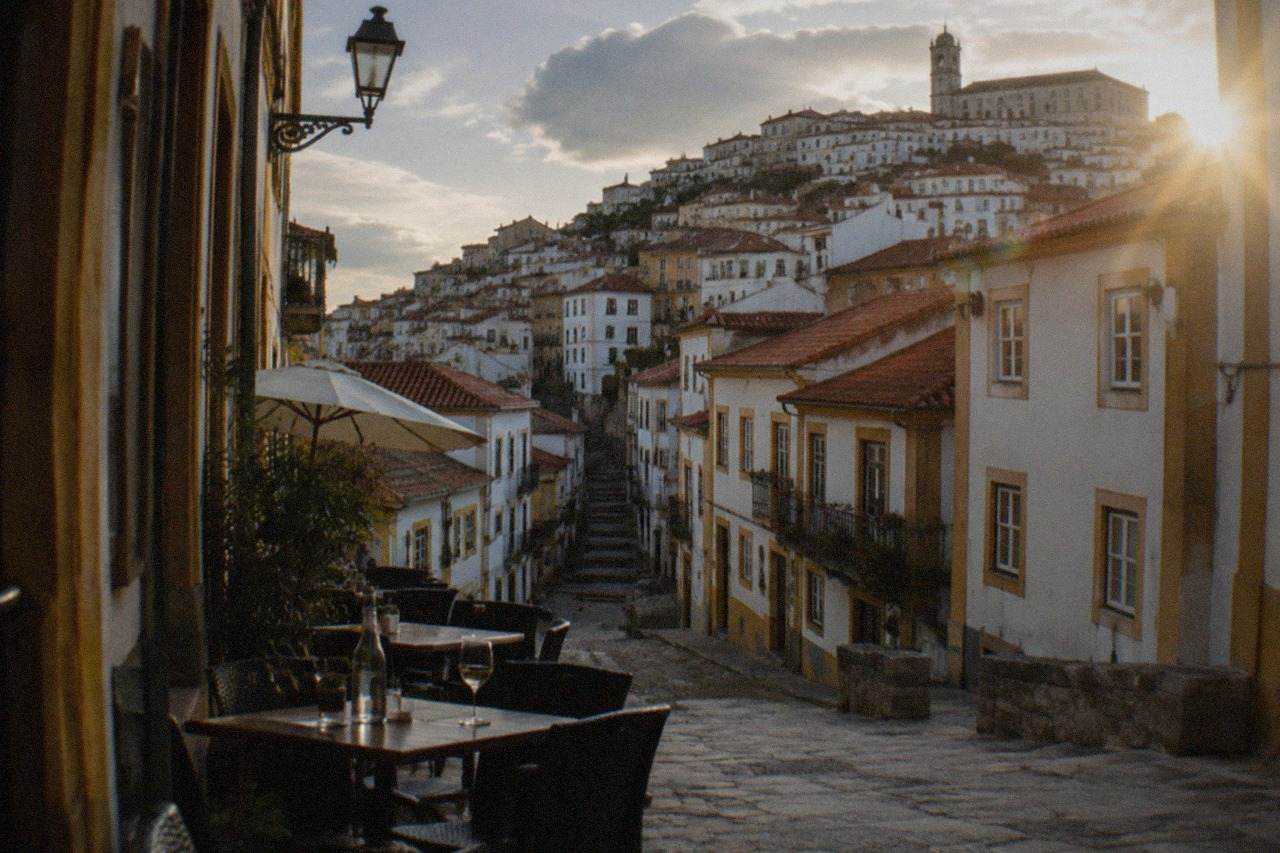
Coimbra, the university city on the River Mondego in central Portugal, eats dinner late, cheaply by big-city standards, and around a small set of dishes it considers its own. This page answers the question the way a local would frame it: not by naming one restaurant as the answer, but by explaining which dishes belong to this city, which streets hold which kind of dinner, and how a student population of about 31,000, the University's own published figure, shapes what an evening meal costs here. No venue on this page carries a verified price, opening hour or address, because none was verified on this build; what follows instead is the reliable structure underneath every good dinner decision in Coimbra.
Where to Eat Dinner in Coimbra?
The honest answer is that dinner in Coimbra is chosen by dish and by street, not by a single named venue: the Baixa below the university hill holds the tascas and tourist menus, the streets around the Sé Velha and the old town hold the quieter, more traditional rooms, and the dish to anchor the meal on is leitão da Bairrada, the region's roast suckling pig, or chanfana, goat slow-cooked in red wine. Portugal dines late, so kitchens that look shut at seven are often only warming up. The reliable strategy is to decide the dish first, then walk the neighborhood that serves it, and to treat any specific restaurant's hours or prices as something to confirm on the spot, because none of that was verified for this guide.
That structure matters more here than in most Portuguese cities, because Coimbra's dinner scene is split between two economies. One is the visitor economy, concentrated in the Baixa, the low town between the river and the university hill, where menus face the square and tables sit outside. The other is the student economy, which fills the same streets after dark and eats extremely well for very little, a point covered in detail further down this page.
The split is not a trap, it is a map. A visitor who knows which economy a street serves can read a menu board from across the road and know roughly what kind of evening it offers before anyone hands them a basket of bread.
What Should You Order for Dinner in Coimbra?
Order leitão da Bairrada if the restaurant serves it, chanfana if it does not, and bacalhau in almost any of its hundreds of preparations as the safe national fallback; the Bairrada wine region begins south of the city and its roast suckling pig is the dish Coimbra claims most loudly, while chanfana, goat braised in red wine, is the older, humbler specialty of the surrounding hills. Both are heavy, savory dinners that suit the city's cool, damp winter evenings, when IPMA's 1991 to 2020 normals for the Coimbra / Bencanta station show January mean minimums of 5.2 C. In summer, when August mean maximums reach 29.1 C, the lighter grilled fish and salad plates that appear everywhere in Portugal are the better fit.
The table below is the short version of the region's dinner vocabulary. Every dish in it is a real specialty of the city or its region; none of the prices are listed, because none were verified for any venue serving them.
| Dish | What it is | When it fits dinner |
|---|---|---|
| Leitão da Bairrada | Suckling pig roasted whole, served in slices with crisp skin, from the Bairrada region south of the city | The celebratory choice; the region's signature dish |
| Chanfana | Goat slow-cooked in red wine, often with bread and potatoes | Cold months; the old specialty of the Mondego hills |
| Bacalhau | Salt cod, prepared in dozens of documented ways | The safe choice available in nearly every kitchen |
| Arroz doce | Portuguese egg-custard rice pudding, often cinnamon-dusted | The standard dessert that ends most traditional dinners |
| Arrufadas | A Coimbra sweet bun, part of the city's pastry tradition | More of a café item, but it appears on dessert boards |
Two of those dishes deserve a warning about geography. Leitão da Bairrada is named for the Bairrada region, which lies south of Coimbra, and the city's restaurants serve it as an import from next door; a day spent heading that way is covered on the site's guide to leitão and the Bairrada. Chanfana is hill food, and the fullest versions sit in the villages of the Lousã and Ceira valleys rather than downtown. Neither fact makes the city versions worse, it just explains why the same dish can taste different ten kilometers apart.
For a fuller walk through the city's food, from the market stalls to the pastry counters, the site's food and restaurant guide covers the ground in more depth than this page can, and the companion answer on what food Coimbra is famous for lists the specialties dish by dish.
A walking tour is a genuinely useful dinner-planning tool in this city, more than it sounds. A guide who explains which street was the merchants' quarter and which was the students' quarter is effectively explaining where the old eating houses cluster, and the tours above all cross those boundaries on foot.
Which Coimbra Neighborhood Should You Eat Dinner In?
Eat in the Baixa, the low town between the River Mondego and the university hill, for choice, atmosphere and outdoor tables; eat up in the Alta, the upper town around the Paço das Escolas and the Sé Velha, for quieter, more traditional rooms with the view; and cross the river to Santa Clara only for a specific destination restaurant, because the district is calmer and more residential at night. The Baixa is where the evening crowd actually is, students and visitors mixed, and the walk back up to Alta hotels after a heavy chanfana is steep enough that it should be planned, not discovered.
The city's hills are the one thing no dinner map shows honestly. The climb from the river to the university hill is real, and the site's answer to whether Coimbra is a walkable city addresses it directly: walkable, yes, but with a slope that argues for eating downhill and sleeping uphill, or the reverse, depending on where the hotel is. The where to stay in Coimbra answer covers that side of the decision.
| Area | Evening character | Best suited to |
|---|---|---|
| Baixa (downtown, river side) | Busiest at night, outdoor tables, mixed student and visitor crowd | Choice, atmosphere, wandering between courses |
| Alta (upper old town) | Quieter, traditional rooms, stone streets near the university | A slower, local dinner with the view |
| Santa Clara (across the river) | Calmer and more residential after dark | A destination meal, not a wander |
One honest note about the Baixa: the streets nearest the main square carry the most tourist-facing menus, and the same rule applies in every city on earth, that a menu photographed in five languages is priced for the square it sits on. Walking two blocks off the square changes the character of a room faster than it changes the walk home. Everything else covered here is indexed on Coimbra Travel Guide.
Where to Eat Dinner in Coimbra on a Budget?
Eat where the students eat, which means the prato do dia, the fixed dish of the day, and the small tascas of the Baixa rather than the terrace tables; Coimbra's University publishes a figure of about 31,000 students, and a city that feeds that many people on student budgets has a floor under its dinner prices that almost no other Portuguese city of its size can match. The student economy is the reason a full traditional dinner in Coimbra can cost less than a snack in a coastal resort town, and it survives because the students are here year-round, not seasonally.
The prato do dia is the mechanism. Portuguese restaurants of the unpretentious kind run a fixed daily plate, cooked in quantity, priced for regulars, and in a university city the regulars set that price. The dish rotates with the market and the week; the tradition, not the specific price, is what this page can verify.
The Repúblicas, the historic student houses of Coimbra, are part of the same story. Their own tradition is communal eating, and while their kitchens are private, their presence keeps an entire economy of cheap, serious food alive around them. The site's budget guide and the answer on traditional Coimbra restaurants go deeper on both.
What Is Dinner with Fado Like in Coimbra?
Dinner with fado in Coimbra means a meal followed, or occasionally overlapped, by the city's own distinct style of fado, sung by men in the academic capa e batina cloak, standing, in small rooms where the audience stays quiet for the duration of the song; it is not the Lisbon style, it is not dinner-theater, and the singing, not the meal, is the point of the evening. Coimbra fado grew out of the University's student traditions, and its songs are about the city, the river and the academic life rather than the Lisbon repertoire's sailors and fate.
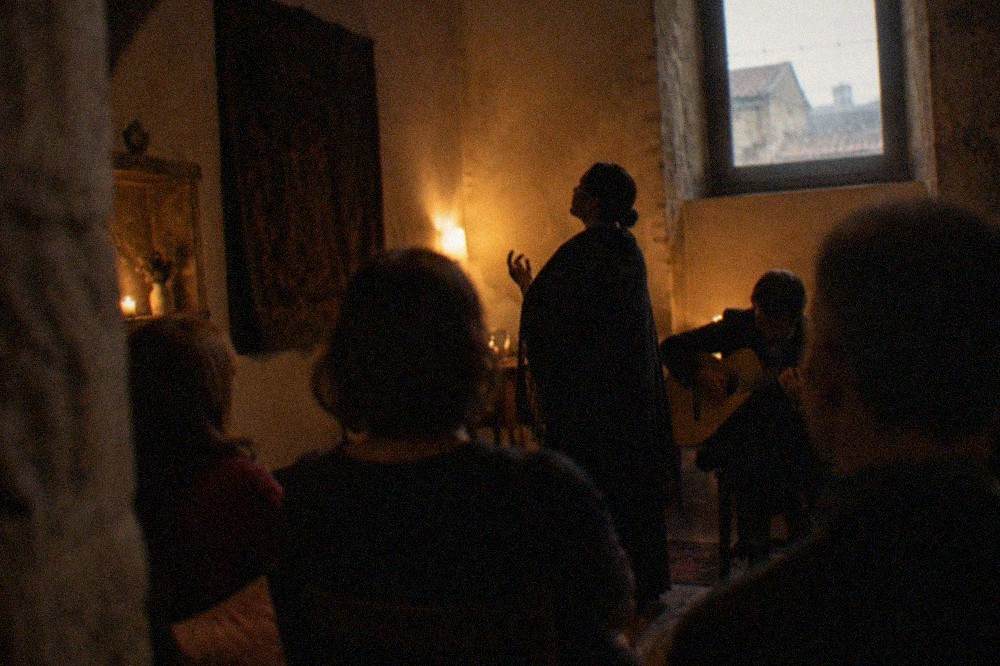
For a visitor who wants the evening guaranteed rather than hunted, a fado show with a glass of port wine included runs from $18 per person, rated 4.7 from 1,234 reviews on the operator's live listing, over about 50 minutes. It is a show, not a full dinner, so the pattern that works is a proper dinner in the Baixa first, then the fado room after, which matches how the city itself sequences the night. The site's guide to fado de Coimbra covers the tradition in full.
The etiquette is simple and worth knowing in advance: during a song, nobody talks, nobody clinks glasses, nobody orders. The silence is part of the form, and it is the single thing most likely to catch a first-time visitor out. Between songs the room returns to normal, and the port flows again.
Common Questions About Dinner in Coimbra
where to eat dinner in coimbra?
Choose by dish and street rather than by a single venue: the Baixa for the busiest tables and the widest choice, the Alta around the Sé Velha for quieter traditional rooms, and leitão da Bairrada or chanfana as the dishes that define the region. Confirm any specific restaurant's hours and prices on the spot, since none were verified for this guide.
What time do people eat dinner in Coimbra?
Portugal eats late, and Coimbra follows the national pattern, with kitchens filling from around eight in the evening onward. A restaurant that looks closed at seven may simply not have started service yet, which is worth checking rather than assuming.
Is dinner in Coimbra expensive?
By the standards of Portugal's larger cities, no, and the reason is structural: the University's published figure of about 31,000 students keeps a fixed-price, prato do dia economy alive year-round. The tourist-facing terrace tables in the Baixa cost more than the back streets, as in any city.
What is the most famous dish to eat for dinner near Coimbra?
Leitão da Bairrada, roast suckling pig from the Bairrada region just south of the city, is the dish the area claims most loudly, with chanfana, goat braised in red wine, as the older hill specialty. Both are documented on the site's guide to the Bairrada region.
Can you have dinner and see fado in Coimbra the same night?
Yes, and it is the natural sequence: dinner first in the Baixa, then a fado room afterward. A fado show with a glass of port wine runs from $18 per person, rated 4.7 from 1,234 reviews on the operator's listing, over about 50 minutes, so it fits after a normal dinner without rushing.
Dinner in Coimbra rewards the visitor who arrives with the region's vocabulary already sorted: order the Bairrada pig or the chanfana, eat downhill from where you sleep, let the students show what a fair price looks like, and end the night in a room where a man in a dark academic cloak stands up and everyone goes quiet. That sequence is the city's own, and no single restaurant name improves on it.