Which Is the Nicest City in Portugal?
Coimbra, Portugal, the university city on the River Mondego, makes the strongest case for the nicest city in the country: a baroque library, a World Heritage university hill and student fado, all on one walkable hillside.
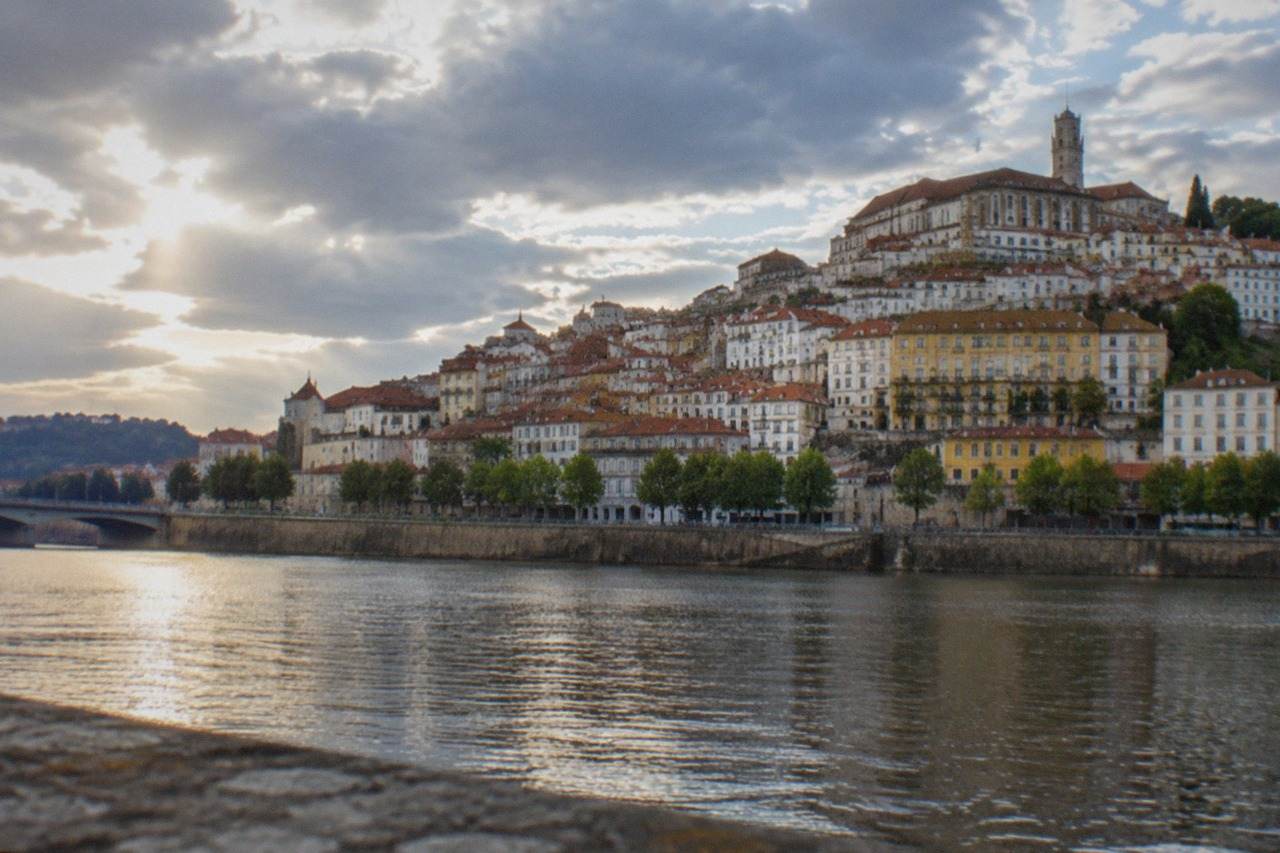
Coimbra, Portugal, the university city on the River Mondego, is the answer this guide argues for when someone asks which is the nicest city in Portugal. That claim deserves scrutiny rather than a slogan, so this page sets out what is actually verifiable about the city: the University's own published ticket and capacity rules, the municipality's own tourism figures, and the national weather service's climate normals for the city's own station. Where a competing guide would rank five cities by feel, this one compares on evidence, and only Coimbra has evidence in this research pack. Niceness is subjective, the facts below are not.
Which Is the Nicest City in Portugal?
On the evidence this site could verify, Coimbra is the nicest city in Portugal to visit, because no other city in the country concentrates a working university of about 31,000 students, a baroque library that admits only 50 people every 20 minutes, a cathedral district on a single walkable hill and a live student fado tradition into one compact riverside setting. That is an argument, not a measurement, and this page shows the sources behind every part of it so the judgement can be checked.
The word "nicest" hides a dozen different questions. For some travellers it means the prettiest streets, for others the fewest crowds or the best food, and a ranking that pretends to measure all of that at once is dishonest. What can be said honestly is what a city is and what its own institutions publish about visiting it. Coimbra's own institutions publish a great deal.
The University of Coimbra states it currently has about 31,000 students, a figure published on its own homepage under "The University in Numbers". UNESCO inscribed "University of Coimbra, Alta and Sofia" on the World Heritage List in 2013, under list reference 1387, covering two components of the old town: the university hill and the college street below. Note the scope, because it is the single most misstated fact about the city: the University is World Heritage, the city as a whole is not.
For a fuller portrait of what makes the place distinctive, see what is special about Coimbra Portugal, and for the practical verdict, is Coimbra in Portugal worth visiting.
What Makes Coimbra the Nicest City in Portugal to Walk Around?
Coimbra's core is a single hill you can walk end to end, from the Paço das Escolas at the top down through the Arco de Almedina to the Baixa and the River Mondego, and the University's own visit pages price that hill at 16.50 EUR for the combined ticket covering the Biblioteca Joanina, the Royal Palace, the Capela de São Miguel and the science collections.
The city's shape, one university above one commercial quarter above one river, is what makes it nicer to walk than cities spread across districts.
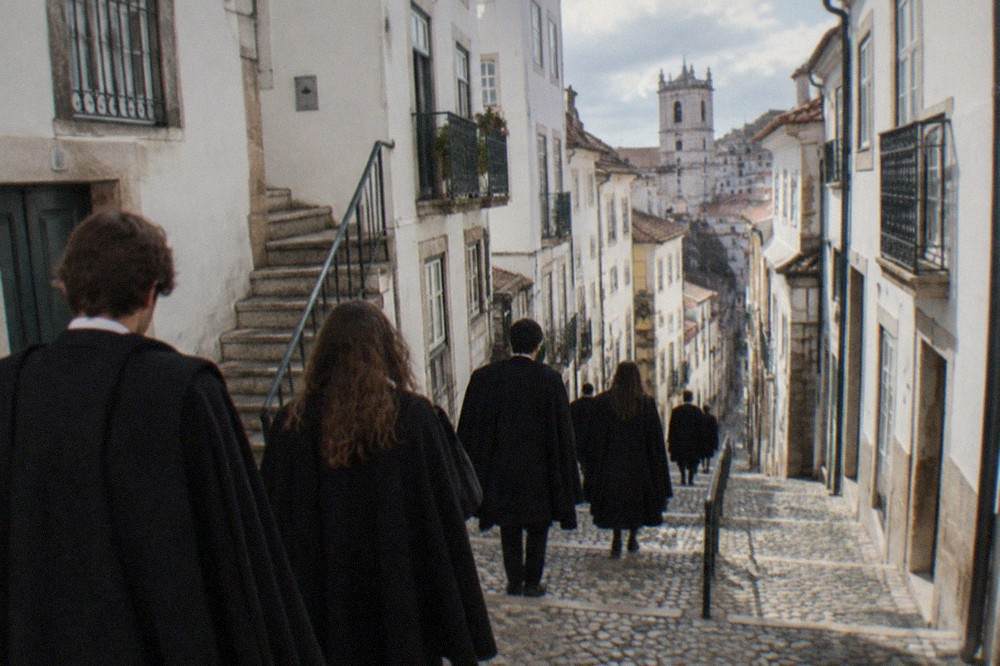
The Biblioteca Joanina is the centrepiece, and the University's own program page states the rule plainly: entries are limited to 50 people every 20 minutes, the time printed on the ticket is the library slot specifically, entry outside that slot is refused, and the library cannot be bought on its own, only inside the 16.50 EUR combined ticket. The rest of that ticket stays valid for two days. A colony of bats lives in the library and eats the insects that would otherwise damage the books, a fact the University confirms on its own page about the space.
Below the university hill, the two cathedrals and the monastic churches carry their own published prices. The Sé Velha charges 3.00 EUR per person, per the parish body that manages it. Mosteiro de Santa Cruz, the burial church of Portugal's first two kings, charges 5.00 EUR. Neither figure is a guess; both come from the Unidade Pastoral Aeminium, which publishes them.
The best way to see the hill with context is a guided walk, and the guided tour of the University and city of Coimbra covers both the Paço das Escolas and the old town in one two to three hour outing, rated 4.9 from 399 reviews on the operator's live listing. Check availability
How Does Coimbra Compare with Porto and Lisbon?
Coimbra cannot be ranked against Porto or Lisbon on any measured scale, because this site's research verified figures for Coimbra only, and publishing a population, visitor count or price for another Portuguese city without a source would be a fabrication. What can be compared honestly is structure: Coimbra is a small university city of one hill and one river, while Porto and Lisbon are metropolitan port capitals, and travellers who want everything within a short walk of one viewpoint will find that here.
That constraint is worth stating openly. Plenty of guides publish confident top-five orderings of Portuguese cities, and those orderings are almost never backed by any measurement. This site's research pack contains verified numbers for Coimbra and for the Roman site of Conímbriga, roughly 16 km south in the municipality of Condeixa-a-Nova, and nothing for any other city. So the comparison below rests on what each place is, not on invented statistics. The rest of the planning pages sit on Coimbra Travel Guide.
What the pack does support for Coimbra is a set of costs a visitor can plan around. The municipality charges a tourist tax of 1.00 EUR per guest per overnight stay, capped at three consecutive nights, from age 16, paid to the accommodation; a two-euro rise was approved as a proposal in July 2026 but the municipality's own tax pages still state one euro. The University's ticket prices are stamped valid for the whole of 2026. Conímbriga's combined museum and ruins ticket is 10.00 EUR, and the site is open seven days a week, which makes it the reliable Monday option when other monuments close.
| What Coimbra costs in 2026 | Price | Source for the figure |
|---|---|---|
| University combined ticket, with Biblioteca Joanina slot | 16.50 EUR | University's own visit site, valid 01.01.2026 to 31.12.2026 |
| University ticket without the Joanina | 12.50 EUR | University's own visit site |
| Guided Palace of Schools tour | 25.00 EUR | University's own visit site |
| Sé Velha individual entry | 3.00 EUR | Unidade Pastoral Aeminium |
| Mosteiro de Santa Cruz individual entry | 5.00 EUR | Unidade Pastoral Aeminium |
| Conímbriga museum and ruins, one ticket | 10.00 EUR | National museum's own visit page |
| Municipal tourist tax per night, max 3 nights | 1.00 EUR | Câmara Municipal de Coimbra service page |
One closure matters for anyone building a 2026 itinerary: the Museu Nacional de Machado de Castro, the national museum built over a mid-1st-century Roman cryptoporticus, is closed for conservation work, per its own page on the national museums portal, so it cannot be counted among the city's current sights. The Torre da Universidade is also closed, per the University's own information page. A nice city is still a real one, and two of its headline spaces are shut.
When Is Coimbra at Its Most Beautiful?
Coimbra is at its most beautiful in September, when the mean maximum is 27.4 C, higher than June's 26.3 C, and the month's rainfall is still only 49.9 mm, per IPMA's 1991 to 2020 climate normals for the Coimbra / Bencanta station, the city's own station 3 km from the centre. The students return in October, the autumn rain jumps to 114.5 mm that same month, so September is the window with summer weather and no summer crowds.
The same normals table corrects two things people assume. August, not July, is the hottest month, averaging a mean maximum of 29.1 C and 10.9 days above 30 C. And the wettest month is November at 121.5 mm, marginally ahead of October and January; July, at 8.9 mm, is effectively dry. The record extremes at the station are 41.2 C on 7 August 2016 and -4.3 C on 20 January 2017.
| Month | Mean max C | Rain mm | Why it matters for a visit |
|---|---|---|---|
| May | 23.3 | 64.7 | Student festival season, warm but green |
| June | 26.3 | 26.0 | Dry, long days, exams quieten the hill |
| July | 28.5 | 8.9 | Effectively dry, peak heat building |
| August | 29.1 | 14.8 | Hottest month, 10.9 days above 30 C |
| September | 27.4 | 49.9 | Summer warmth, crowds gone |
| October | 23.2 | 114.5 | Rain returns in force, students back |
May deserves its own note, because the calendar of the student traditions lives there. The University closes its visitor circuit on 24 May, and Mosteiro de Santa Cruz suspends visits on the Cortejo da Queima das Fitas, a moveable Sunday, both facts published by those institutions themselves. The festival fills the city; it also closes two of its monuments for the day.
How Many Days do You Need in the Nicest City in Portugal?
Two days is the honest minimum for Coimbra, because the University's own ticket is valid for two days across all its spaces except the fixed Joanina slot, and the verified sights, the university hill, the two cathedrals, Santa Cruz, the Baixa and the riverside, sit within walking distance of one another. Travellers who add Conímbriga, roughly 16 km south, or the schist villages of the Lousã mountain will want a third day.
The two-day validity of the University ticket is the practical anchor. The 16.50 EUR combined ticket covers the Joanina, the Royal Palace, the Capela de São Miguel, the Chemistry Laboratory, the Academic Museum, the Cabinet of Curiosities and the Mineral Gallery, and every one of those except the Joanina can be split across two days. The 50-per-20-minutes library ceiling is why the slot should be booked ahead rather than hoped for at the counter.
For the full breakdown, see how many days do you need in Coimbra, and for whether the city can carry a stay on its own, is Coimbra worth staying in.
Beyond the city itself, the same trio of operators covers the schist villages of the Lousã mountain, a half-day trip into stone-built hill villages with a natural-pool swim stop and hotel pickup, rated 4.9 from 56 reviews on the operator's live listing. It is the easiest way to see the interior landscape that most visitors who never leave the university hill never find.
Common Questions About the Nicest City in Portugal
Which is the nicest city in Portugal?
On the evidence this site verified, Coimbra: a university city on the River Mondego whose World Heritage university hill, baroque library and student traditions sit within one walkable centre. It is an argued case rather than a measurement, and the sources behind it are listed above.
Is Coimbra a UNESCO World Heritage city?
No. UNESCO inscribed "University of Coimbra, Alta and Sofia" in 2013, list reference 1387, which covers the university hill and the college street, not the city as a whole. Guides that call the whole city World Heritage are wrong.
Is Coimbra nicer than Porto or Lisbon?
That cannot be answered with measured figures, because rankings between Portuguese cities are almost never backed by published data. Coimbra is a compact one-hill university city; Porto and Lisbon are metropolitan port capitals. Which is nicer depends on what kind of trip you want.
What is the single best thing to see in Coimbra?
The Biblioteca Joanina, inside the University's 16.50 EUR combined ticket. The library admits 50 people every 20 minutes and the printed ticket time is the entry slot, so it should be booked before arrival in busy months.
When should I visit Coimbra?
September. IPMA's 1991 to 2020 normals for the city's own station show a mean maximum of 27.4 C and only 49.9 mm of rain, summer warmth without summer crowds, before the October rainfall jump to 114.5 mm.
How much does the tourist tax cost in Coimbra?
1.00 EUR per guest per overnight stay, capped at three consecutive nights, from age 16, paid to the accommodation. A two-euro rise was approved as a proposal in July 2026, but the municipality's own tax pages still state one euro.
Coimbra's case for the nicest city in Portugal rests on things anyone can check: a University that publishes its own rules, a municipality that publishes its own numbers, and a weather station 3 km from the centre that has been recording the climate for decades. Bring the claim, and the sources, to the hill and judge for yourself.