Is Coimbra in Portugal Worth Visiting?
Is Coimbra in Portugal worth visiting? A source-checked answer covering the University, the Joanina Library's timed slots, ticket prices, weather and the honest drawbacks of Coimbra, Portugal.
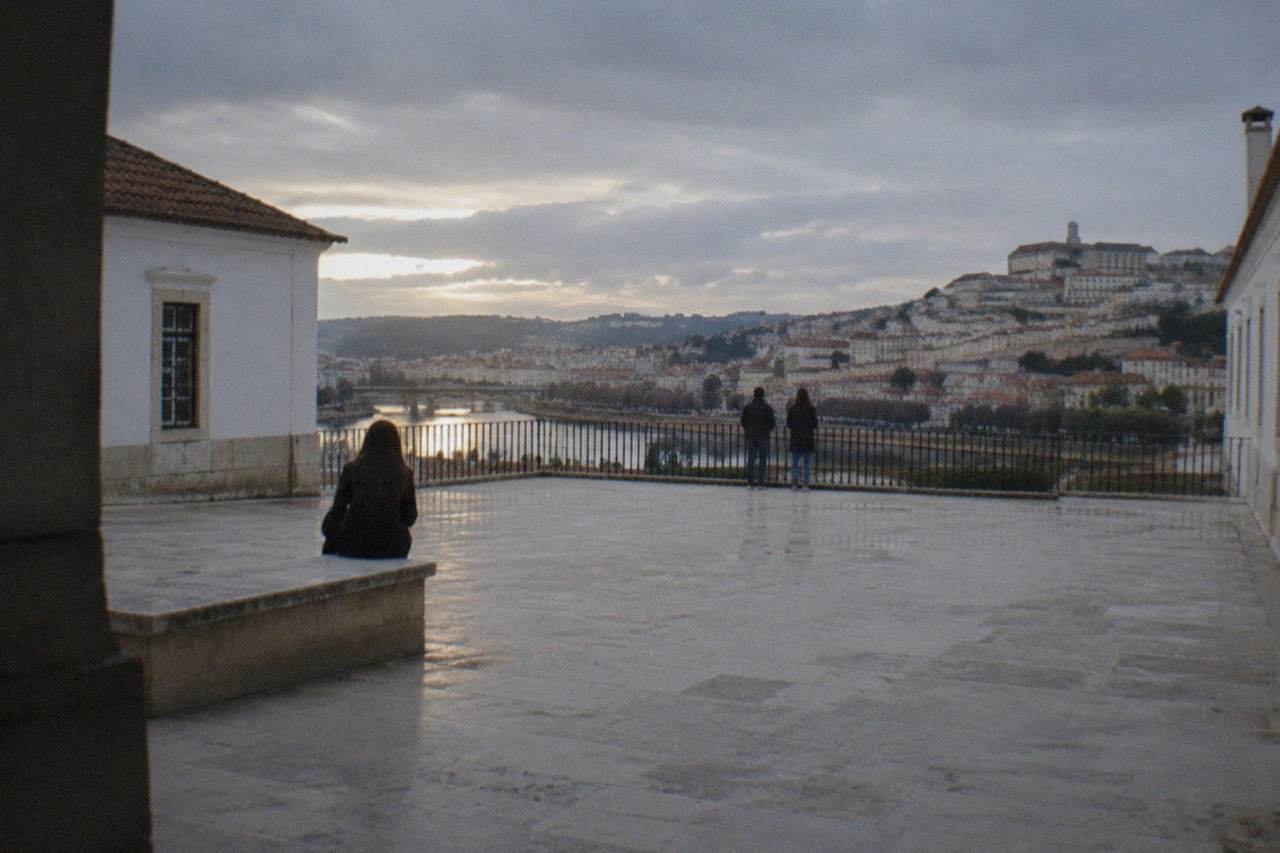
Coimbra, Portugal, the university city on the River Mondego, is worth visiting for most travellers, and the case does not rest on atmosphere alone. The University of Coimbra publishes a figure of about 31,000 students, the municipality counted 698,151 overnight stays in 2025, and UNESCO inscribed the university hill and the Rua da Sofia colleges in 2013, list reference 1387. Those are three different institutions reaching the same conclusion: this small city on the Mondego holds a concentration of history that much larger places cannot match.
Is Coimbra in Portugal Worth Visiting?
Yes, for most travellers Coimbra, Portugal, is worth visiting, and the strongest evidence is official: UNESCO inscribed the University of Coimbra, Alta and Sofia, in 2013, the University itself publishes about 31,000 students, and the municipality recorded 698,151 overnight stays in 2025. A city of this size, roughly halfway between Porto and Lisbon on the main rail line, does not draw those numbers without something real to see, and the Joanina Library alone justifies the stop.
One clarification matters before anything else, because "Coimbra" names four different things. The city is the one on the River Mondego. The district of the same name is a much larger administrative area that reaches the Atlantic and contains Figueira da Foz, so a beach in "Coimbra" is a different place entirely. The word is also a common Portuguese surname and a place name reused across Brazil and Angola. Everything on this page is about the city.
What the city actually holds is unusual. The University of Coimbra, Alta and Sofia, is a World Heritage property of two components inside the old town: the university hill, the Alta, and the college street, the Sofia. It is not the whole city that is inscribed, and guides that say "Coimbra is a UNESCO World Heritage city" are wrong, which is worth knowing because it is the most common error in coverage of this destination. The property includes the Royal Palace of Alcáçova, St Michael's Chapel, the Joanine Library and the Rua da Sofia colleges, managed together by an association the University, the City Hall and the culture ministry delegation founded, called RUAS.
The practical case is just as strong as the heritage one. A reader weighing the stop against continuing straight to Porto or Lisbon can compare on what this site's research supports: the 16.50 EUR combined University ticket, the 50-people-per-20-minutes Joanina ceiling, a one-euro tourist tax, and a climate station 3 km from the centre whose September mean maximum of 27.4 C beats June's 26.3 C. The question "is coimbra in portugal worth visiting?" deserves numbers, and the numbers here come from the University's own visit pages, the municipality and the national weather service.
What Makes Coimbra Worth the Trip?
The Joanina Library is the single strongest reason, and it is not a loose claim: the University's own visit page states entry is limited to 50 people every 20 minutes, the library cannot be bought on its own and exists only inside the 16.50 EUR combined ticket, and the time printed on that ticket is the library slot itself. A baroque library so controlled that the university rations it by twenty-minute windows is, plainly, worth planning a day around.
The library is also stranger than photographs suggest. The University's own page on the Joanina confirms the building houses a colony of bats that patrol the interior at night and eat the insects that would otherwise damage the books, one of the reasons the collection survives in such condition. Visitors get roughly twenty minutes inside, no lingering, and entry outside the printed slot is refused. Online purchase closes twenty minutes before the visit time, and the rest of the ticket stays valid for two days while the Joanina slot is fixed.
Around the library sits the rest of the Paço das Escolas: the Royal Palace, St Michael's Chapel, the Chemistry Laboratory, the Academic Museum, the Cabinet of Curiosities and the Mineral Gallery, all inside the same 16.50 EUR ticket. The 12.50 EUR ticket covers everything except the Joanina. Below the hill, the city stacks down to the river through the Sé Velha, whose own parish operator lists a 3.00 EUR individual ticket, and the Mosteiro de Santa Cruz, the burial church of Portugal's first two kings, at 5.00 EUR.
Beyond the monuments, Coimbra works as a base. Conímbriga, the Roman town about 16 km south in the parish of Condeixa-a-Velha, in the municipality of Condeixa-a-Nova, charges 10.00 EUR for one ticket covering museum and ruins together and, unlike the national monuments that close on Mondays, it opens seven days a week, 10:00 to 18:00, which makes it the reliable Monday option. The Schist Villages of the Serra da Lousã sit within a four-hour tour of the city. Readers weighing the Roman stop can see the fuller case at is Conímbriga worth visiting, and the wider sightseeing list is at things to do in Coimbra.

How Much Time and Money Does Coimbra Take?
A full day covers the University circuit, the Sé Velha and the Baixa, with the 16.50 EUR combined ticket valid two days, but two days are better because the Joanina slot is fixed and the museums spread out; on cost, the municipality charges a tourist tax of 1.00 EUR per guest per night, capped at three consecutive nights from age 16, paid to the accommodation, so the tax on a week's stay is 3.00 EUR per person.
The tax detail is one almost no competing guide gets right. The municipality's own service page states 1.00 EUR per guest per overnight stay, maximum three consecutive nights, from age 16, payable at check-in or check-out. In July 2026 the municipal Executive approved a proposal to raise it to two euros, but until the municipality's own tax pages say 2.00 EUR, the current published rate is one euro, and the proposal changes no exemptions. The municipality's own justification study estimated its tourism cost at 3.49 EUR per overnight stay, which is the figure behind the rise and a genuine insight into how the city funds its visitors.
The honest ticket budget for a day looks like this, every figure from the operator's own published pages:
| Site | Adult ticket | Source of the figure |
|---|---|---|
| University combined ticket, with Joanina Library | 16.50 EUR | visit.uc.pt, valid 01.01.2026 to 31.12.2026 |
| University ticket, without Joanina | 12.50 EUR | visit.uc.pt, same period |
| Sé Velha de Coimbra | 3.00 EUR | Unidade Pastoral Aeminium parish site |
| Mosteiro de Santa Cruz | 5.00 EUR | Unidade Pastoral Aeminium parish site |
| Museu Nacional de Conímbriga, museum and ruins | 10.00 EUR | national museums portal, about 16 km south |
Two sites are off that table for a reason. The Museu Nacional de Machado de Castro, built above a Roman cryptoporticus of the mid-1st century, is closed for conservation work, its own page says so twice, and its reopening price is not on an official page. The Torre da Universidade, the clock tower, is closed too: the University's own information page states "We regret to inform you that this facility is closed", and the same page's mention of 184 steps and a narrow passage explains why reopening it is hard. Any guide selling a tower climb today is describing something the University says does not exist.
For the Joanina, a guided option removes the slot-planning burden, and the listing for the Joanina Library expert-guided tour covers the library and the university with a guide who has worked the site since 2012, from $90.06 per person with a 4.8 rating from 168 reviews. Check availability. Readers who want the fuller ticket comparison can see do you need tickets for the University of Coimbra for the breakdown.
When Is the Best Time to Visit Coimbra?
September is the best-kept window, and this is measured, not folklore: IPMA's 1991 to 2020 normals for the Coimbra / Bencanta station show September with a mean maximum of 27.4 C, higher than June's 26.3 C, on only 49.9 mm of rain, and the autumn rain holds off until October, when the monthly total jumps to 114.5 mm. July, at 8.9 mm of rain, is effectively dry, but August, not July, is the hottest month, averaging 10.9 days above 30 C.
The table below is the city's own station, 3 km from the centre, station number 707, not a coastal proxy from the district. Coimbra's rain is autumn and winter rain: November is the wettest month at 121.5 mm, marginally ahead of October and January.
| Month | Mean max C | Rain mm | Days 1mm+ rain |
|---|---|---|---|
| May | 23.3 | 64.7 | 8.5 |
| June | 26.3 | 26.0 | 3.7 |
| July | 28.5 | 8.9 | 1.7 |
| August | 29.1 | 14.8 | 2.2 |
| September | 27.4 | 49.9 | 5.2 |
| October | 23.2 | 114.5 | 10.3 |
One scheduling trap deserves a line of its own. The University closes its visitor circuit on 24 May, and Mosteiro de Santa Cruz suspends visits on the Cortejo da Queima das Fitas, a moveable Sunday in the festival week that falls in May. The festival itself fills the city with student tradition, the black-caped students and the burning of the ribbons, but a visitor arriving that Sunday finds the two headline monuments shut. Check both dates against the University's own info page before booking a late-May trip, and readers weighing the whole shoulder season can start from the best time to visit Coimbra.
What Could Disappoint You in Coimbra?
Three things genuinely let visitors down: the tower climb does not exist, because the University states the Torre da Universidade facility is closed; the Machado de Castro museum is shut for conservation work with no reopening price published; and the Joanina Library refuses entry outside the printed twenty-minute slot, so a summer arrival without a pre-booked time can mean the single best sight in the city is missed entirely.
None of these are reasons to skip the city, but all three are reasons to plan. The Joanina ceiling of 50 people every 20 minutes is the one genuine scarcity fact in Coimbra, and it is real: buy the combined ticket online, treat the printed time as fixed, and the rest of the two-day validity is loose. The closures are temporary in principle, but nothing on an official page promises a date, and the museum's own page still prints a normal-looking hours table below its closure line, which is exactly the kind of contradiction that misleads a casual searcher.
The hills are the fourth honest caveat. The city stacks from the river up to the Paço das Escolas, and the climb is real work in August heat. Readers can judge the layout for themselves at is Coimbra a walkable city, and the full case for staying over rather than day-tripping through is at is it worth staying a night in Coimbra. This Coimbra Travel Guide page keeps the verdict to what the sources support, and the sources here say the city rewards a planned visit and punishes an improvised one.
Common Questions About Coimbra
Is Coimbra in Portugal worth visiting?
Yes. UNESCO inscribed the University of Coimbra, Alta and Sofia, in 2013, the University publishes about 31,000 students, and the municipality recorded 698,151 overnight stays in 2025. The Joanina Library, rationed to 50 people every 20 minutes, is the headline sight.
Is Coimbra a UNESCO World Heritage city?
No, and this is the most common error in guides to the city. UNESCO inscribed "University of Coimbra - Alta and Sofia", list reference 1387, in 2013: two components inside the old town, the university hill and the college street. The city as a whole is not inscribed.
How much does the tourist tax cost in Coimbra?
1.00 EUR per guest per overnight stay, capped at three consecutive nights per person, from age 16, paid to the accommodation at check-in or check-out. A two-euro rise was approved as a proposal in July 2026, but the municipality's own tax pages still list one euro as the current rate.
Can you climb the university clock tower in Coimbra?
No. The University's own information page states the Torre da Universidade facility is closed. The page notes the tower's 184 steps and narrow passage, which explains why reopening is difficult, but no ticket, price or climb exists today.
How many days does Coimbra need?
One full day covers the University circuit, the Sé Velha and the Baixa, but the combined ticket is valid two days except for the fixed Joanina slot, so two days let the rest of the ticket breathe and leave room for Conímbriga, which opens seven days a week.
When is the worst time to visit Coimbra?
November is the wettest month at 121.5 mm of rain, with October close behind at 114.5 mm, and late May carries closure risk: the University shuts its visitor circuit on 24 May and Santa Cruz suspends visits on the Queima parade Sunday.
The verdict stands on the record: Coimbra, Portugal, is worth visiting for anyone who books the Joanina slot before arriving, works the two-day ticket properly, and checks the two May closure dates, and the city's own published numbers, from the student count to the overnight stays to the rain gauge, all point the same way.