Where Is the Best Wine Tasting in Portugal?
The best wine tasting in Portugal sits in the Bairrada region around Coimbra, the university city on the River Mondego. Here is where to taste, what to drink and how to plan it.
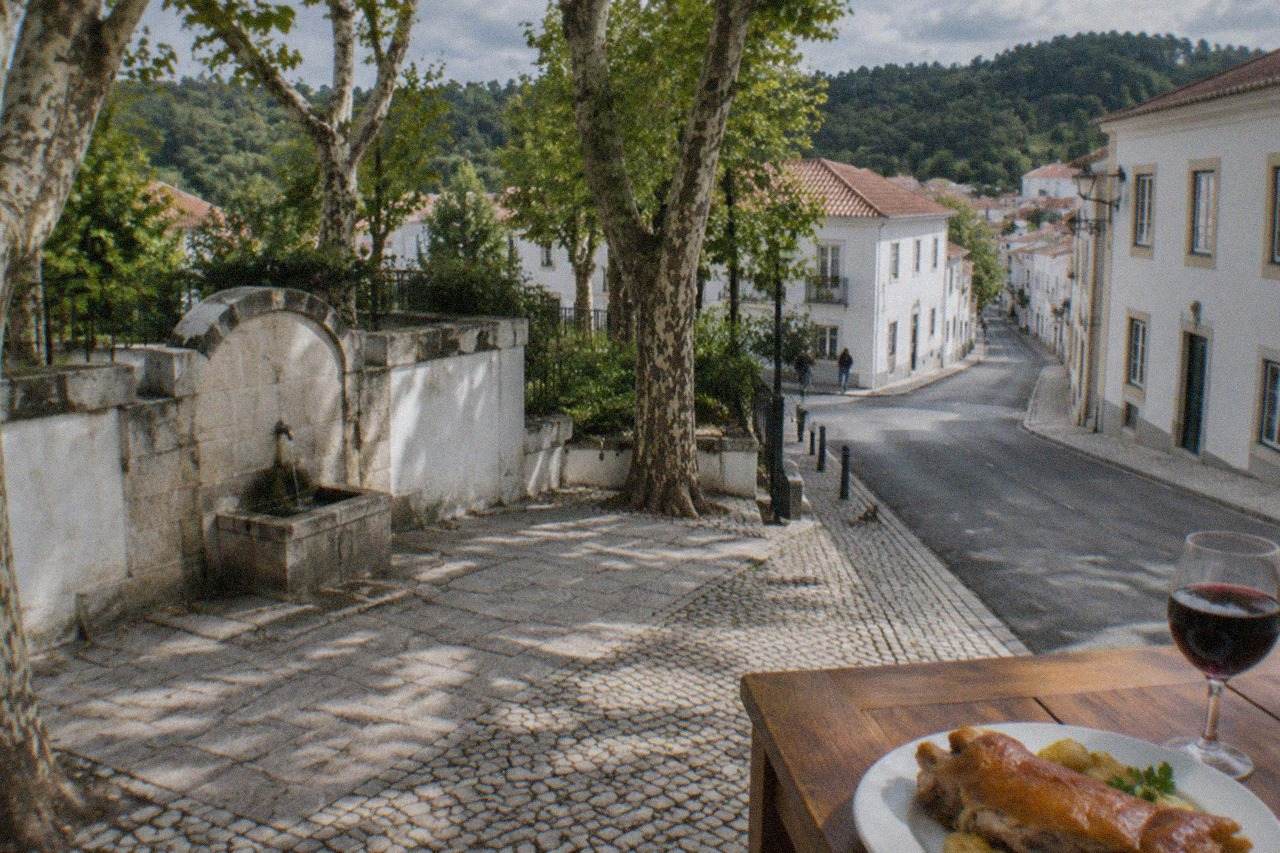
Coimbra, the university city on the River Mondego in central Portugal, sits on the northern edge of the Bairrada wine region, and that single piece of geography answers the question this page exists to answer. Most wine travellers beeline for Porto and the Douro, which leaves the rolling vineyards south and west of Coimbra comparatively quiet, close and cheap to reach. The region's sparkling wines, its tannic reds and its famous roast suckling pig, leitão da Bairrada, are all within a short drive of the city's old town, and the site's fuller treatment of the subject lives on the Bairrada wine route guide.
Where Is the Best Wine Tasting in Portugal?
The best wine tasting in Portugal is in the Bairrada region, the wine country that begins immediately south of Coimbra, in the Centro region. It is the country's historic home of sparkling wine, it grows a red grape that ages for decades, and it pairs everything with leitão da Bairrada, the roast suckling pig that is the region's signature dish. From Coimbra you can taste in the morning and still be back on the university hill by late afternoon.
The case for Bairrada over the better-known Douro Valley is practical rather than romantic. The Douro is spectacular, but it is a long journey from anywhere, and its tasting rooms are geared to visitors who have committed a full day or two. Bairrada is different: the vineyards sit in the countryside around Coimbra, Mealhada and Curia, and the region has been making wine commercially since the nineteenth century, longer than most Portuguese regions have been organised at all.
The region's defining grape is Baga, a thick-skinned red that produces wines with serious tannins and the ability to age. Bairrada is also the place where Portuguese sparkling wine was industrialised, and the local espumante, made mostly from white grapes in the chalky soils closer to the Atlantic-facing slopes, is what locals actually drink at celebrations. Neither of those facts requires a long drive: the tasting culture of the region is woven into ordinary restaurants and quintas, farm estates, many of which pour their own production alongside the food.
For a fuller breakdown of the city's own tasting options, from wine bars in the Baixa to the bars around the Sé Velha, the site's Coimbra wine tasting guide covers where the glasses are poured inside the city limits.
Why Is Coimbra the Best Base for Wine Tasting in Portugal?
Coimbra is the best base because it is the only sizeable city actually inside Bairrada wine country, and it gives you the region's sparkling wines, its Baga reds and its leitão houses within a short drive, while still offering a UNESCO-listed university hill, fado and a walkable old town to come back to. Lisbon and Porto both demand a dedicated day trip to reach comparable wine. Coimbra does not.
The arithmetic of a wine trip changes when the vineyards are next door. Staying in Coimbra means a morning among the vines, an afternoon in the Mosteiro de Santa Cruz or the Joanina Library, and an evening of Coimbra's own fado tradition, the student version sung only by men, in dark bars in the old town. The city's own character, covered in detail on what is famous about Coimbra, is not a distraction from the wine: it is what makes a Bairrada trip a full trip rather than a single-purpose excursion.
The pairing question answers itself here. Leitão da Bairrada, the region's roast suckling pig with crackling skin, is the canonical partner for Bairrada's sparkling wines and its younger reds, and the leitão houses of the region are the natural places to taste both at once. The dish and the wine grew up together in the same soil, and the site's leitão and Bairrada guide goes deeper on where the tradition comes from. No restaurant or winery in the region had its prices or hours verified for this site, so treat any specific house as a candidate to research rather than a confirmed booking.
One honest caveat: this site has verified no opening hours, addresses or tasting fees for any individual winery in Bairrada. What can be said with confidence is the shape of the region, its grapes and its food, and that is what the rest of this page does.
Which Wine Experiences Can You Book from Coimbra?
The bookable wine-adjacent experiences from Coimbra are mostly city-based rather than vineyard-based: a live fado show that includes a glass of port wine, and guided city walks whose operators know the wine bars of the old town. There is no verified vineyard tasting tour in the current roster, so travellers wanting a cellar visit should plan a self-drive day into Bairrada and book directly with a quinta.
What the verified roster does contain is worth knowing precisely, because prices and ratings below come from the operators' live listings rather than from memory.
| Experience | Kind | From (per person) | Rating | Reviews | Duration |
|---|---|---|---|---|---|
| Live fado show with a glass of port wine | Fado, port wine included | $18 | 4.7 | 1,234 | 50 minutes |
| Discovering the charms and places of Coimbra | Guided city walk | $52.68 | 5 | 79 | 3 to 4 hours |
| Coimbra Top Attractions Walking Tour | Budget walking tour | $5.85 | 5 | 151 | 2 hours 30 minutes |
| Fátima and Coimbra full-day tour from Porto | Day trip passing through | $74 | 4.7 | 850 | 10 hours |
The fado show deserves the wine drinker's attention. Coimbra's fado tradition is the city's own, distinct from Lisbon's, and a show that includes a glass of port wine is the closest thing to a tasting evening that can be booked with certainty from the city. At 50 minutes it also leaves the evening open for a slow dinner afterwards, which in this region means leitão.
For the vineyards themselves, the honest advice is self-drive or direct booking. The Bairrada estates are working farms, many small, and their tasting rooms operate on their own schedules rather than through tour aggregators. A car, a designated driver and a short list of two or three quintas is the pattern that works, and the region's small geography makes it easy.
Should you book anything at all before you arrive? For the city experiences, yes, especially in the summer months and around Queima das Fitas in May, when the student festival fills the old town. For the wineries, a phone call a day or two ahead is the level of commitment the region expects.
What Should You Taste in the Bairrada Wine Region?
Taste three things in Bairrada: the local sparkling wine, called espumante, which the region has been making longer than anywhere else in Portugal; a still red made from the Baga grape, which is tannic when young and remarkable with a decade of age; and leitão da Bairrada, the roast suckling pig that the region built its table around. Add a white from the region's cooler slopes and you have the full picture.
The sparkling wines are the entry point. Bairrada's chalky soils and Atlantic-influenced climate give the whites the acidity that traditional-method sparkling wine needs, and the region's producers make them in the same way Champagne is made, with a second fermentation in the bottle. The result is dry, brisk and local in a way that surprises visitors expecting Portugal's wine story to be all about port and Douro reds.
Baga is the region's serious proposition. It is a difficult grape, thick-skinned and late-ripening, and for decades it was dismissed as harsh. Modern producers have proved the opposite: handled well, Baga gives reds with structure, freshness and the kind of longevity that makes old vintages worth hunting. If a tasting room offers a vertical, a line of the same wine across several years, that is the tasting to say yes to.
Then there is the pig. Leitão da Bairrada is roasted whole, seasoned with garlic, pepper and lard, and its crackling skin is the point. The traditional pairing is sparkling wine, which cuts the fat, and the leitão houses of the region are where the wine and the food meet without ceremony. The Bairrada wine route guide maps the logic of a day through the region for travellers who want the full itinerary.
When Is the Best Time for Wine Tasting Near Coimbra?
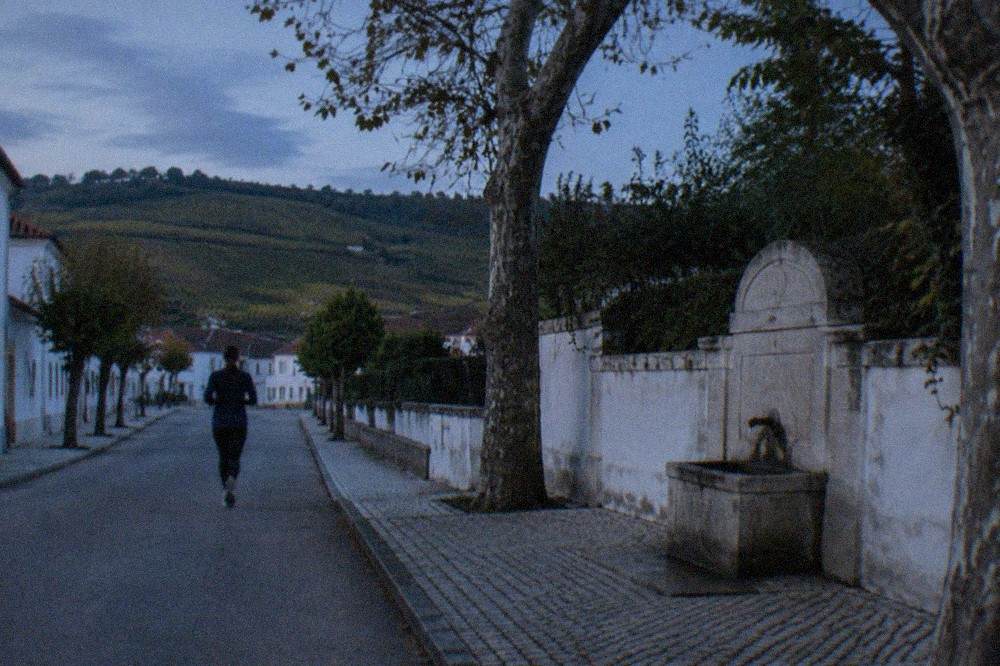
The best time is September, and the city's own climate record explains why. IPMA's 1991 to 2020 normals for the Coimbra / Bencanta station show September with a mean maximum of 27.4 C, actually warmer than June's 26.3 C, but with only 49.9 mm of rain, and the harvest is underway in the surrounding vineyards. October is when the rain arrives, jumping to 114.5 mm, so late summer beats true autumn here.
The numbers are worth reading closely, because the obvious assumption, that autumn is wine season, is only half right in this part of Portugal.
| Month | Mean max (C) | Rain (mm) | Days with 1 mm+ rain | What it means for a wine trip |
|---|---|---|---|---|
| June | 26.3 | 26.0 | 3.7 | Warm, dry, vines in full leaf |
| July | 28.5 | 8.9 | 1.7 | Effectively dry, hot afternoons |
| August | 29.1 | 14.8 | 2.2 | Hottest month, 10.9 days above 30 C |
| September | 27.4 | 49.9 | 5.2 | Harvest month, warm days, thinning crowds |
| October | 23.2 | 114.5 | 10.3 | Rain arrives in force, harvest ends |
September is the sweet spot: the grapes are coming in, the days are still warm enough for lunch outdoors at a leitão house, and the summer crowds tied to the university calendar have gone. August is hotter than July at this station, a detail that surprises visitors, and it averages nearly eleven days above 30 C, which is weather for sparkling wine and shade rather than for long drives between vineyards.
May is the other candidate, and it comes with a warning. The student festival Queima das Fitas falls in that month, and while its exact dates are not officially published in a form this site could verify, the University of Coimbra does close its visitor circuit on 24 May and the Mosteiro de Santa Cruz suspends visits on the day of the Cortejo parade. A May wine trip is lovely, but the city itself will be loud, and the two verified closures above are the concrete evidence of why.
Winter tasting has its own appeal, and Coimbra's winter guide covers the city side of it, but the vineyards are dormant and the rain, over 110 mm per month in January and December at this station, belongs to the indoors.
Common Questions About Wine Tasting in Portugal
Where is the best wine tasting in Portugal?
The Bairrada region around Coimbra offers the country's most accessible wine tasting: sparkling wines, Baga reds and leitão da Bairrada within a short drive of a historic city. The Douro Valley is more famous and more spectacular, but it demands a longer commitment, while Bairrada is close enough to taste on a day trip from Coimbra.
Can you visit wineries from Coimbra without a car?
It is harder but not impossible. Some quintas in Bairrada can be reached by a combination of regional bus and a short walk, but the region is rural and the estates are scattered, so a car or a pre-arranged private transfer is the realistic pattern. Inside Coimbra itself, wine bars and the fado show with a glass of port wine are fully walkable.
What wine is Coimbra known for?
Coimbra sits at the gateway to Bairrada, which is known for its traditional-method sparkling wine and for still reds made from the Baga grape. The city's own drinking culture adds port wine, served at fado performances, and a student tradition of old taverns in the old town.
Is the Douro Valley better than Bairrada?
They do different things. The Douro has the scenery, the port lodges and the international reputation, and it deserves its fame. Bairrada has proximity, lower prices, a food tradition built around leitão da Bairrada and far fewer visitors. For a traveller already based in Coimbra, Bairrada wins on every practical measure.
What food goes with Bairrada wine?
Leitão da Bairrada, roast suckling pig, is the classic answer, and the sparkling wines cut its richness exactly as they should. The region's reds also suit the heavier meat dishes of central Portuguese cooking. No specific restaurant's menu was verified for this site, so treat the pairing as a regional tradition rather than a promise about any one house.
Do you need to book wine tasting in Bairrada in advance?
For the small estates, yes, or at least call ahead: many are working farms with tasting rooms that open by arrangement rather than on fixed hours. For city experiences like the fado show with port wine, booking ahead is wise in summer and around the May student festival, when Coimbra fills up.
A wine trip based in Coimbra ends up being a Coimbra trip that happens to include some of the least crowded wine country in Portugal, and that combination, the Joanina Library in the morning and a glass of Bairrada espumante in the evening, is the honest answer to where the best wine tasting in Portugal really is. More on planning the city half of it, including how many days to give the whole stay, is on how many days you need in Coimbra, and the wider case for the city is laid out across Coimbra Travel Guide.