Is Coimbra a Must See in Portugal?
Coimbra, Portugal's university city on the River Mondego, earns must-see status through its baroque library, UNESCO-listed hill and student traditions. Here is the honest case for and against.
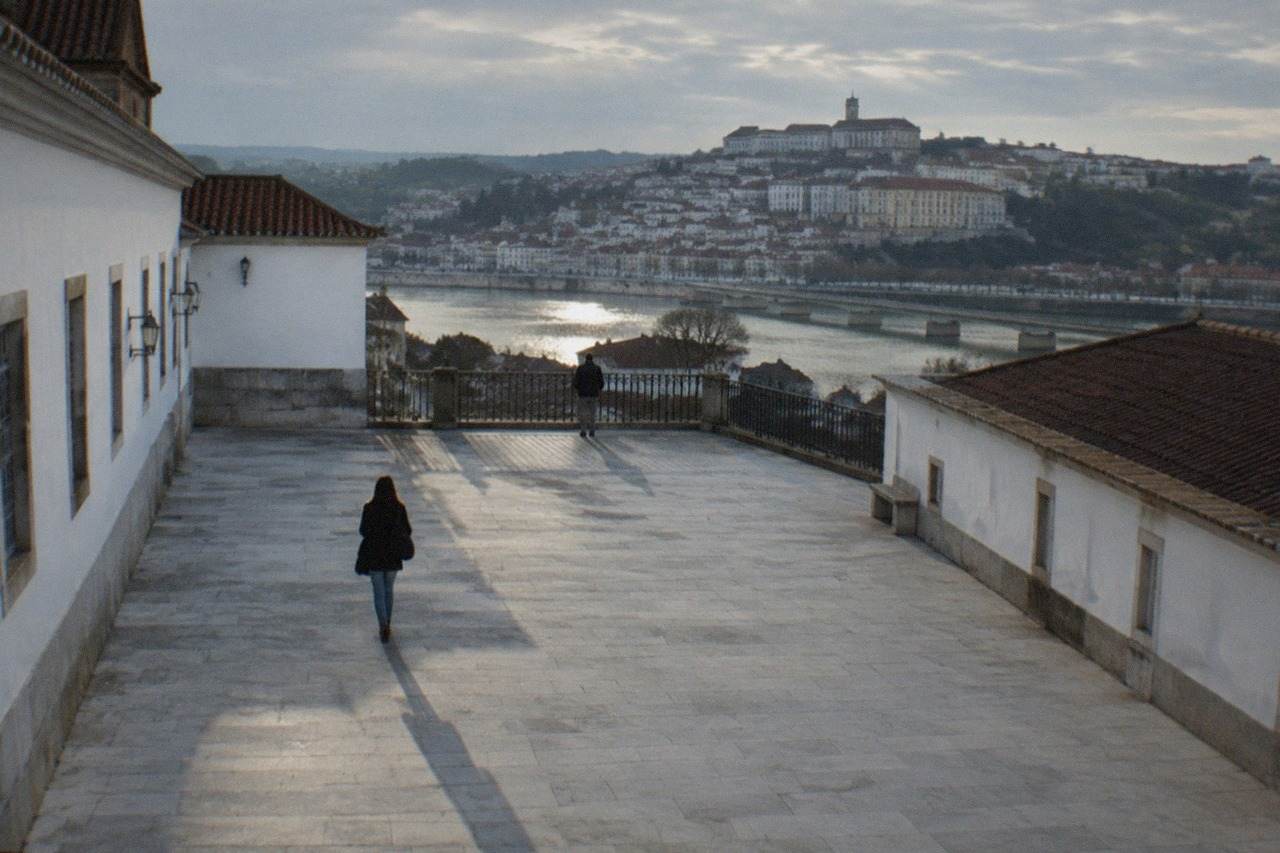
Coimbra, Portugal, the university city on the River Mondego, gets called a must see so often that the phrase has stopped meaning anything. So here is the specific version: the city's old town rises from the river to a hill crowned by one of Europe's oldest universities, its baroque library is the single most visited interior in central Portugal, and its student traditions, from the black capes to the fado sung only by men, exist nowhere else in the country. Whether that makes it a must see depends on how much time you have and what you are cutting to fit it in. This page makes the case both ways, using verified prices, opening rules and climate data rather than folklore.
Is Coimbra a Must See in Portugal?
Yes, if your Portugal trip has at least two days in the centre of the country or a spare half-day between Lisbon and Porto, because the Biblioteca Joanina, the UNESCO-inscribed university hill and the living student traditions are things no other Portuguese city can substitute. No, if you are on a compressed one-week coastal run, because the city's headline sights sit on one hill and can be swallowed by a single crowded afternoon if you arrive without a pre-booked library slot.
The honest framing matters. Coimbra is not Lisbon's scale, Porto's texture or the Algarve's beaches. What it has is concentration: a university founded in the oldest continuously operating ranks in the Portuguese-speaking world, a hilltop ensemble that UNESCO inscribed in 2013 as "University of Coimbra, Alta and Sofia" under list reference 1387, and a riverfront that ties it together. The University publishes a figure of about 31,000 students, which means roughly a fifth of the city's daily life is academic, and that is the texture a visitor actually notices: the black-caped students, the Repúblicas houses, the fado sung at night from the steps of the Sé Velha.
That concentration cuts both ways. A visitor with a plan can see the essential city in a long day. A visitor without one can lose the Joanina Library entirely, because it admits 50 people every 20 minutes and refuses entry outside the printed slot. The difference between must see and wasted trip is almost entirely about booking.
What Makes Coimbra Different from Other Portuguese Cities?
Three things separate Coimbra: the Biblioteca Joanina, a baroque library admitting only 50 people every 20 minutes that cannot be bought as a standalone ticket; the UNESCO inscription of 2013, covering the university hill and Rua da Sofia but not the whole city; and a student tradition set, the capa e batina, the Queima das Fitas and male-only fado, that belongs to this city alone. Each has a verified fact behind it, not a marketing line.
Start with the library, because it is the reason most people come. The University's own visit page states the Joanina exists only inside the 16.50 EUR combined ticket, which also covers the Royal Palace, the Capela de São Miguel, the Chemistry Laboratory, the Academic Museum, the Cabinet of Curiosities and the Mineral Gallery, and is valid for two days except the fixed library slot. The time printed on the ticket is the library slot specifically, and entry outside it is refused. There is also a colony of bats living behind the bookshelves, which the University confirms, and which historically kept the book-eating insect population down. That detail alone tells you what kind of building this is.
Second, the UNESCO point, because guides get it wrong constantly. Coimbra is not a World Heritage city. The inscribed property is "University of Coimbra, Alta and Sofia", two components inside the old town: the Alta, the university hill with the Royal Palace of Alcáçova, the Joanina Library and the colleges, and the Sofia, the college street below. The Baixa, the riverside and the rest of the city are not inside it. A visitor who knows this walks the two components deliberately instead of assuming the badge covers everything.
Third, the student layer. The University closed its visitor circuit on 24 May in the current cycle, and Mosteiro de Santa Cruz suspends visits on the Cortejo da Queima das Fitas, a moveable Sunday in May, both official facts that trace the festival's real footprint. If you want the deeper background, the page on what is special about Coimbra Portugal unpacks the traditions, and why is Coimbra famous covers the history in more depth.
What Are the Sights That Actually Justify the Trip?
The sights that justify Coimbra are the Biblioteca Joanina and the Paço das Escolas on the 16.50 EUR combined ticket, the Sé Velha at 3.00 EUR per person, Mosteiro de Santa Cruz at 5.00 EUR per person, the burial church of Portugal's first two kings, and the Mondego riverfront; Conímbriga, the Roman town about 16 km south in Condeixa-a-Velha, adds a 10.00 EUR day-trip option that is open seven days a week, which matters because several city monuments close on Mondays.
The pricing is worth laying out plainly, because the combined ticket confuses people. Here is what the verified figures look like as of the 2026 season.
| Sight | Adult price | Notes |
|---|---|---|
| University combined ticket with Joanina Library | 16.50 EUR | Includes Paço das Escolas, Capela de São Miguel, Science Museum spaces; valid 2 days, library slot fixed |
| University ticket without Joanina | 12.50 EUR | Same spaces, no library |
| Sé Velha de Coimbra | 3.00 EUR | Group rate 2.50 EUR for more than 10 people |
| Mosteiro de Santa Cruz | 5.00 EUR | Burial church of Portugal's first two kings |
| Conímbriga museum and ruins | 10.00 EUR | One ticket covers both; open daily 10:00 to 18:00 |
Two closures matter right now. The Museu Nacional de Machado de Castro, the national museum built over a mid-1st-century Roman cryptoporticus, is closed for conservation work; its own page says so, and no reopening date should be trusted until the museum publishes one. The Torre da Universidade, the clock tower, is also closed, and the University's own information page states this directly. Do not plan a tower climb, and treat any guide that sells you one as out of date. Mosteiro de Santa Clara-a-Velha has been closed for requalification work since October 2025; check before you go rather than trusting old hours. Everything else covered here is indexed on Coimbra Travel Guide.
For the practical layer, a walking tour solves the hill problem cheaply. The Coimbra Top Attractions Walking Tour runs 2 hours 30 minutes, is rated 5 from 151 reviews and starts from 5.85 per person, which makes it one of the cheapest guided introductions in the country. Check availability if you want the layout explained before you spend your Joanina slot. The question of whether Coimbra is a walkable city matters here too, because the answer is yes with a caveat about the climb from the Baixa to the Alta.
How Much Time Does Coimbra Deserve?
Two days is the honest answer: one for the university hill with a pre-booked Joanina slot plus the Sé Velha and Santa Cruz, a second for the riverfront, the Botanical Garden and either Conímbriga or the schist villages of the Lousã. One day works only if the library slot is booked in advance, because the 50 people per 20 minutes ceiling is what turns a relaxed visit into a failed one, and the ticket's two-day validity is designed around exactly this split.
The two-day structure is not arbitrary. The 16.50 EUR ticket is valid for two days precisely so that the fixed library slot can anchor one day and the remaining spaces, the palace, the chapel, the science collections, can fill the other. A one-day visit compresses all of it, which is feasible in the summer schedule, 09:00 to 20:00 from 1 April to 30 September, but leaves no margin if a ceremony closes part of the circuit, which the University warns happens regularly.
The deeper planning question is covered in how many days do you need in Coimbra, and the day-trip question in is Conímbriga worth visiting. The short version: Conímbriga is the reliable Monday option, open seven days a week, while the city's DGPC monuments are not.
When Should You Go to Coimbra?
May, June, September and early October are the best months, and September is the quiet standout: IPMA's 1991 to 2020 normals for the Coimbra / Bencanta station show September with a mean maximum of 27.4 C, higher than June's 26.3 C, and only 49.9 mm of rain against October's 114.5 mm, meaning the weather holds while the crowds thin. July and August are the hottest, and November is the wettest month at 121.5 mm.
The September point is worth dwelling on because most guides get it backwards. The rain in Coimbra is autumn and winter rain: the monthly total runs at 8.9 mm in July and 14.8 mm in August, then jumps to 114.5 mm in October and 121.5 mm in November. September sits in the gap, warm, comparatively dry and past the peak of the student-free summer. The same table shows August, not July, as the hottest month, with a mean maximum of 29.1 C and 10.9 days above 30 C, so an August visit is a hot one.
May deserves one caution: the Queima das Fitas festival fills the city, the University closes its visitor circuit on 24 May in the current cycle, and Santa Cruz suspends visits on the parade Sunday. Festival energy is a reason to come or a reason to avoid, but it is not a reason to be surprised.
Common Questions About Coimbra as a Must See
Is Coimbra a must see in Portugal?
Yes for most central-Portugal itineraries: the Biblioteca Joanina, the UNESCO-listed university hill and the student traditions are unique to the city. It becomes skippable only on a compressed coastal itinerary where reaching it costs a full half-day.
Is Coimbra a UNESCO World Heritage city?
No. UNESCO inscribed "University of Coimbra, Alta and Sofia" in 2013, list reference 1387, which covers the university hill and the college street, not the whole city. Guides that say otherwise are wrong.
Can you visit the Biblioteca Joanina without the combined ticket?
No. The library cannot be bought on its own; it exists only inside the 16.50 EUR combined ticket, and the time printed on the ticket is the fixed library slot, with entry refused outside it.
Is Coimbra worth a day trip from Lisbon or Porto?
It works, and the train is the sensible way to do it, but a day trip means committing to a pre-booked Joanina slot before you travel. Without one, the single most famous interior in the city may be unavailable to you.
What is closed in Coimbra right now?
The Museu Nacional de Machado de Castro is closed for conservation work, the Torre da Universidade is closed per the University's own page, and Mosteiro de Santa Clara-a-Velha has been closed for works since October 2025. Check official pages before planning around any of the three.
Is Coimbra expensive?
No by Portuguese city standards. The headline sights total under 30 EUR at verified prices, the SMTUC bus network sells a pre-purchased trip at 0.90 EUR, and the tourist tax is 1.00 EUR per night, capped at three nights.
The verdict, in one line: Coimbra is a must see if you give it the one thing it demands, a booked library slot, and merely a pleasant hill town if you do not. Plan the slot first and the rest of the city arranges itself around it, as it has for the students who have been climbing this hill for centuries.