What Not to Miss in Portugal?
What not to miss in Portugal, anchored on Coimbra: the Joanina Library, Sé Velha, Santa Cruz, Conímbriga and the schist villages, with verified prices, closures and timings.
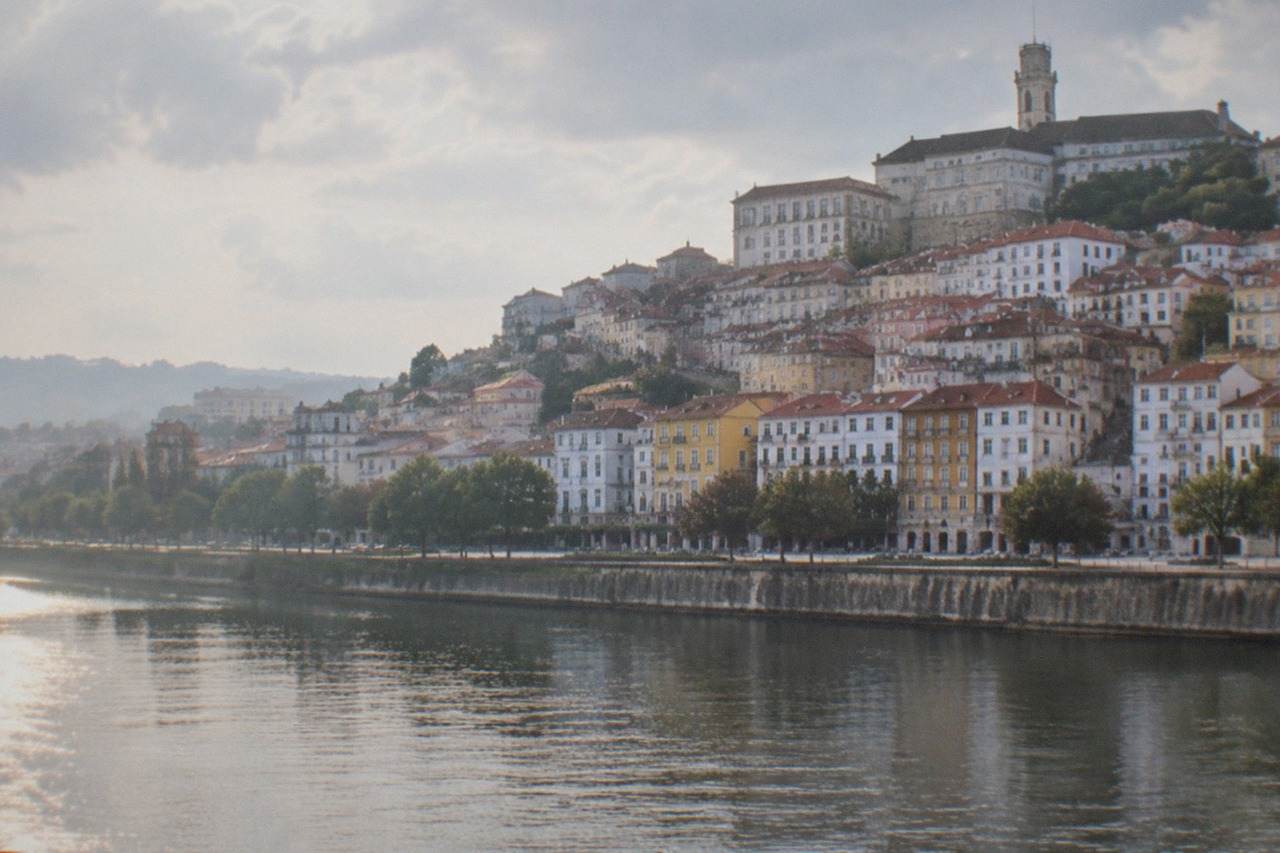
Coimbra, the university city on the River Mondego in central Portugal, is the sight most Portugal itineraries under-use, and the things not to miss in this country cluster around it more tightly than around anywhere else. UNESCO inscribed "University of Coimbra, Alta and Sofia" in 2013, list reference 1387, and that inscription covers two components inside the old town, the university hill and the college street below, not the whole city. The University publishes a figure of about 31,000 students, and the municipality recorded 698,151 overnight stays in 2025. This page lays out what genuinely deserves a place on a Portugal checklist, and what to skip because it is closed.
What Not to Miss in Portugal?
If the trip allows only one inland stop, make it Coimbra's university hill: the Biblioteca Joanina, a baroque library that admits 50 people every 20 minutes and can only be seen inside the 16.50 EUR combined ticket, plus the Royal Palace, St Michael's Chapel and the Chemistry Laboratory on the same ticket. Below the hill sit the Sé Velha at 3.00 EUR and Mosteiro de Santa Cruz at 5.00 EUR, the burial church of Portugal's first two kings.
That cluster is the honest core of a "what not to miss" list for Portugal, and it is walkable in a day. The University's own visit pages state that the time printed on the combined ticket is the Joanina slot specifically, that entry outside the slot is refused, and that the rest of the ticket is valid for two days. The 50-per-20-minutes ceiling is the single most useful planning fact on this page: a visitor who arrives in summer without a pre-booked slot can be turned away, and no amount of queueing changes that.
The library has one more detail almost no guide mentions. The University's own space page confirms the Joanina houses a colony of bats that emerge at night to eat the insects that would otherwise damage the books, which is why the tables are covered in leather when the doors close. It is a working conservation system, not folklore.
Which Coimbra Sights Define a First Visit?
Four sights define a first visit to Coimbra: the Biblioteca Joanina and Paço das Escolas on the 16.50 EUR combined ticket, the Sé Velha at 3.00 EUR per person, Mosteiro de Santa Cruz at 5.00 EUR per person, and the old town's stair streets linking them. Three other famous names are closed and should not be planned: the Machado de Castro museum, the university clock tower and Santa Clara-a-Velha.
The closures matter as much as the openings. The Machado de Castro's own page on the national museums portal states it is closed for conservation work, and that page prints a normal-looking opening-hours table directly below the closure line, so treat any hours you see for it with suspicion. The University's own information page states the clock tower facility is closed. Santa Clara-a-Velha has no page at all on the national portal, consistent with closure for requalification work since October 2025. None of the three should carry a price, a time or a place in your day plan.
What is open, verified and cheap:
| Sight | Adult price | What you get |
|---|---|---|
| Biblioteca Joanina + University + Science Museum | 16.50 EUR | Timed Joanina slot, Royal Palace, St Michael's Chapel, Chemistry Laboratory, Academic Museum, valid two days |
| University + Science Museum (no Joanina) | 12.50 EUR | Same spaces minus the library |
| Sé Velha de Coimbra | 3.00 EUR | Old cathedral and cloister, 2.50 EUR for groups over 10 |
| Mosteiro de Santa Cruz | 5.00 EUR | Royal burial church, sacristy and cloister of Portugal's first two kings |
| Museu Nacional de Conímbriga | 10.00 EUR | Museum and Roman ruins together, one ticket, open daily 10:00 to 18:00 |
The Sé Velha's hours come from the parish body that manages it: 09:30 to 18:30 in summer, 09:30 to 17:30 in winter, with Sunday afternoons on a shorter schedule. Santa Cruz runs 09:30 to 16:30 and suspends visits on the Cortejo da Queima das Fitas, a moveable Sunday in May, and the University closes its visitor circuit on 24 May for the same festival. If your trip lands in late May, check both before locking an itinerary. For a fuller city list, see what not to miss in Coimbra and what is special about Coimbra Portugal.
Is Conímbriga Worth the Detour from Coimbra?
Conímbriga is worth the detour on almost any Portugal route: it is a Roman town about 16 km south of Coimbra, in the parish of Condeixa-a-Velha in the municipality of Condeixa-a-Nova, with a 10.00 EUR adult ticket covering both the museum and the ruins, and it opens seven days a week, 10:00 to 18:00, which makes it the reliable Monday option when other monuments close.
The seven-day week is the practical point. The national monuments that close on Mondays cannot rescue a Monday in Coimbra, but Conímbriga can, because the museum's own visiting page lists daily hours with the ticket office closing at 17:15. The site is also the most complete Roman town visit in central Portugal, with house foundations, mosaic floors and bath complexes on a scale the city itself cannot offer.
One geography warning that writers get wrong in both directions: Conímbriga is not in Coimbra, and it is not in the district's coastal half. It sits in Condeixa-a-Nova municipality, roughly 16 km south of the city, and any distance or driving time beyond that is not something this site publishes. For the full case, read is Conimbriga worth visiting.
A guided option exists for travellers who want the ruins explained rather than walked: Conimbriga and The Roman Tour, from $105.37 per person, rated 4.8 from 136 reviews, four hours, with tickets and transport handled. A private version of the same ruins-and-museum visit also runs from $93.66 per person, rated 4.7 from 34 reviews, over three hours.
What Day Trips Should You Not Miss Around Coimbra?
The day trips worth building a Portugal itinerary around are the schist villages of the Lousã mountain, the forest and palace of Buçaco, and the convent town of Tomar, all reachable as half-day or four-hour tours from Coimbra, with the Lousã options running from $81.95 to $105.37 per person and carrying ratings between 4.8 and 5 from review counts of 39 to 133.
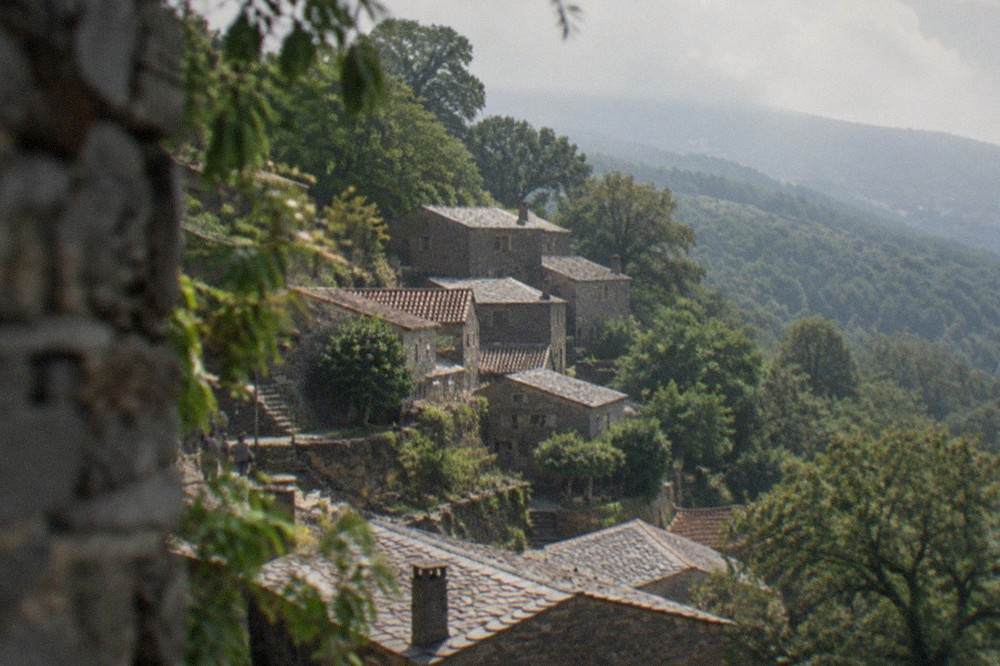
The schist villages are the one Portugal landscape that almost no first-time visitor has on a list, and they are the closest. The mountain sits behind Coimbra, and the tours reach villages of dark stone terraced into slopes that most coastal itineraries never touch. Several operators run them: Schist Villages at Lousa Mountain, from $105.37 per person, rated 4.9 from 133 reviews, four hours; Lousa Mountain Private Tour, from $105.37 per person, rated 5 from 88 reviews, four hours, with wild deer watching in its programme. A half-day version from Coimbra also runs at $99.51 per person, rated 4.8 from 45 reviews.
Buçaco and Tomar stretch the day further. An adventure through the Forest and Palace of Bussaco, from $87.81 per person, rated 5 from 50 reviews, four hours, covers the walled forest and the palace hotel at its centre. For Tomar, Time travel at the Convent of Christ Tomar, from $46.83 per person, rated 5 from 80 reviews, one to three hours, is the lightest entry into the Templar convent. This site publishes no figures for any of these towns beyond what the tour listings themselves carry, and no ranking of Portugal's cities, measured or otherwise.
When Is the Best Time Not to Miss Coimbra?
September is the best-kept timing secret in Coimbra: IPMA's 1991 to 2020 normals for the Coimbra / Bencanta station show a September mean maximum of 27.4 C, higher than June's 26.3 C, with only 49.9 mm of rain, and the autumn rain does not arrive in force until October, when the monthly total jumps to 114.5 mm. August is the hottest month, not July, averaging 10.9 days above 30 C.
The crowd logic follows the numbers. The university's about 31,000 students mean the city empties and fills with the academic calendar, and the University closes its visitor circuit on 24 May for the Queima das Fitas festival, while Santa Cruz suspends visits on the parade Sunday. Late May is festival Coimbra, not quiet Coimbra. July at 8.9 mm of rain is effectively dry, but it is also the hottest stretch alongside August. November is the wettest month at 121.5 mm, marginally ahead of October and January.
| Month | Mean max C | Rain mm | Days max 30 C+ |
|---|---|---|---|
| June | 26.3 | 26.0 | 6.2 |
| July | 28.5 | 8.9 | 8.9 |
| August | 29.1 | 14.8 | 10.9 |
| September | 27.4 | 49.9 | 7.8 |
| October | 23.2 | 114.5 | 2.0 |
For planning depth, how many days do you need in Coimbra breaks the stop into one, two and three-day shapes, and the wider case for the city is made across Coimbra Travel Guide's destination pages.
Common Questions About What Not to Miss in Portugal
The questions below are the ones travellers ask most about a Portugal trip centred on Coimbra, answered with the verified figures on this page: the 16.50 EUR combined university ticket, the 3.00 EUR Sé Velha, the 5.00 EUR Santa Cruz, the 10.00 EUR Conímbriga and the three sights currently closed to visitors.
What not to miss in portugal?
The Biblioteca Joanina in Coimbra, on the 16.50 EUR combined ticket with its 50-people-per-20-minutes timed slots, the Sé Velha, Mosteiro de Santa Cruz, the Roman ruins of Conímbriga 16 km south, and the schist villages of the Lousã mountain. Do not plan the Machado de Castro museum, the university clock tower or Santa Clara-a-Velha: all three are closed.
Is Coimbra a UNESCO World Heritage city?
No. UNESCO inscribed "University of Coimbra, Alta and Sofia" in 2013, list reference 1387, which covers two components inside the old town: the university hill and the Rua da Sofia college street. The city as a whole is not inscribed.
Can you buy a Biblioteca Joanina ticket on its own?
No. The library is sold only inside the 16.50 EUR combined ticket, the time printed on the ticket is the library slot specifically, and entry outside that slot is refused. Online purchase closes 20 minutes before the visit time.
What is closed in Coimbra right now?
The Museu Nacional de Machado de Castro is closed for conservation work, the Torre da Universidade is closed per the University's own information page, and Mosteiro de Santa Clara-a-Velha has no page on the national monuments portal, consistent with closure for works since October 2025.
How much is the tourist tax in Coimbra?
1.00 EUR per guest per overnight stay, capped at three consecutive nights, from age 16, paid directly to the accommodation at check-in or check-out. A two-euro rate was approved as a proposal in July 2026 but is not the published rate.
What is the best month to visit Coimbra?
September, on the official IPMA numbers for the Coimbra / Bencanta station: a mean maximum of 27.4 C, warmer than June, with 49.9 mm of rain before the October jump to 114.5 mm. Late May should be checked against the Queima das Fitas closures.
Plan the Joanina slot first, build the rest of the day around it, and leave the three closed sights off the list until the official pages say otherwise.