What Are Some Hidden Gems in Portugal?
Hidden gems in Portugal, starting in Coimbra: the university city on the River Mondego, its overlooked corners, and the day trips most visitors miss.
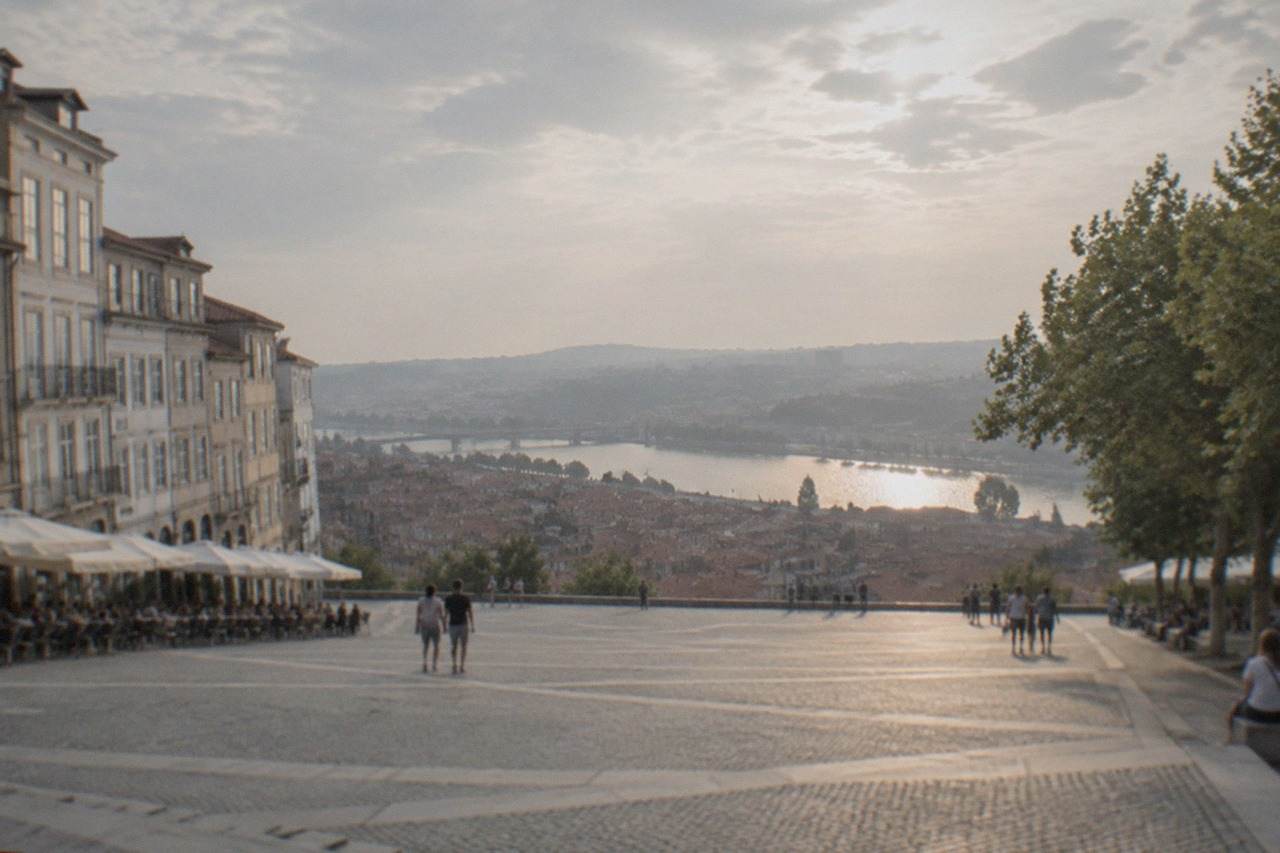
Coimbra, the university city on the River Mondego in central Portugal, is where this answer has to start, because the city holds more genuinely overlooked places than most visitors ever reach. The municipality recorded 698,151 overnight stays in 2025, its own published figure, which is a fraction of what Lisbon and Porto absorb, yet the city carries a UNESCO-inscribed university hill, a Roman ruin 16 km south, and a chain of schist villages in the Lousã mountains that barely register in mainstream itineraries. This page walks through the hidden gems this site's research could actually verify, first inside Coimbra, then in the countryside around it, and it says plainly where the evidence runs out.
What Are Some Hidden Gems in Portugal?
The hidden gems this site can verify cluster around Coimbra: the Joanina Library's timed-entry baroque interior and the rest of the Paço das Escolas on the university hill; the Sé Velha and Mosteiro de Santa Cruz in the old town; the Roman town of Conímbriga about 16 km south in Condeixa-a-Velha; and the schist villages of the Lousã mountains, reachable on a four-hour tour from the city. Each one is documented on an official page, and each one sits outside the standard first-time-Portugal circuit of Lisbon, Sintra and Porto.
The honest framing matters here. This site's research verified facts for Coimbra and Conímbriga and nothing else, so this page will not rank Portugal's cities or claim any of them is the prettiest, the cheapest or the most visited. What it can do is show that a single mid-sized university city, and its immediate hinterland, contains enough overlooked places to fill a long weekend, and that most of them cost between nothing and a few euros to enter.
A good way in is the question of what the city itself is special for, which what is special about Coimbra, Portugal? covers in detail. The short version: about 31,000 students, the University's own published figure, give the place a rhythm no museum can fake, and the student traditions, the fado and the hilltop architecture all grow out of that.
Which Hidden Gems Sit Inside Coimbra's University Hill?
The overlooked core is the Paço das Escolas circuit beyond the famous library: the Capela de São Miguel, the Royal Palace rooms, the Chemistry Laboratory, the Cabinet of Curiosities and the Mineral Gallery, all included on the 16.50 EUR combined ticket, valid two days, with the Joanina Library slot fixed at the time printed on your ticket. The University caps Joanina entries at 50 people every 20 minutes, which is why the library feels hushed even in August and why booking ahead matters.
The University's own visit page states the summer schedule runs 09:00 to 20:00 from 1 April to 30 September, and winter hours of 09:00 to 17:30 from 1 October to 31 March. Two details most guides miss: the Cabinet of Curiosities and the Physics Cabinet close for two days every three months for disinfestation, and the whole tourist circuit shuts on 24 May and 4 October in the current cycle for academic ceremonies. The clock tower, the Torre da Universidade, is closed entirely, so no tour sells a climb.
The genuinely hidden part is what the 16.50 EUR ticket buys besides the library. The Chemistry Laboratory, an 18th-century teaching space, is part of the UNESCO inscription, and the Mineral Gallery occupies a corridor most walkers pass without noticing. The full scope of the inscription, "University of Coimbra – Alta and Sofia", listed in 2013 under criteria (ii), (iv) and (vi), also reaches down into the Baixa, to the Rua da Sofia colleges, which almost no visitor walks deliberately.
A guided visit solves the slot problem neatly, because the operator holds the timed entry for the group. The skip-the-line University of Coimbra tour runs about 90 minutes with a local guide, from 86 USD per person, rated 4.9 from 87 reviews on the operator's live listing, and it exists precisely because the 50-per-20-minutes ceiling turns walk-ups away in peak season. Check availability
What Hidden Corners Does Coimbra's Old Town Hide?
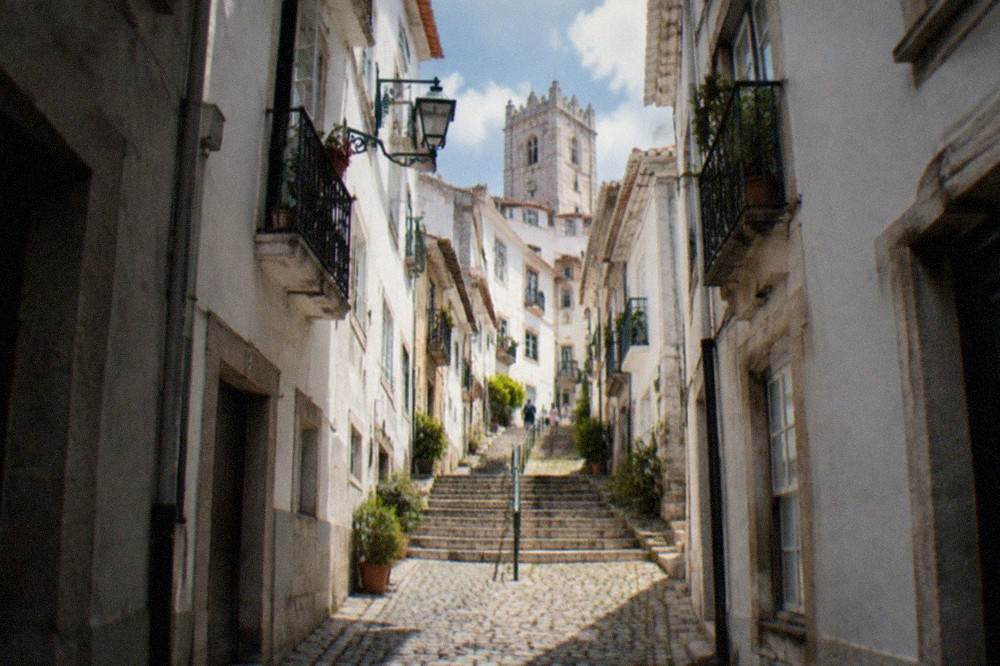
Below the university hill, the verified low-cost gems are the Sé Velha at 3.00 EUR per person, the Mosteiro de Santa Cruz at 5.00 EUR per person, the burial church of Portugal's first two kings, and the free-to-walk lanes of the Alta and the Arco de Almedina, the old city gate. The Sé Velha keeps summer hours of 09:30 to 18:30 and winter hours of 09:30 to 17:30, Sundays 11:00 to 17:30, per the parish body that manages it.
Santa Cruz deserves more attention than it gets, and not only for the royal tombs. The same parish page confirms that visits are suspended on Easter Sunday and on the Cortejo da Queima das Fitas, a moveable Sunday in May when the student parade takes over the Baixa. Plan around that closure and you get the cloister and sacristy almost to yourself on the quieter days either side. More of these guides are collected on Coimbra Travel Guide.
The Penedo da Saudade, the garden terrace on the east bank slope, and the Choupal forest across the river are the two green escapes locals actually use, and neither charges anything. The Jardim Botânico belongs to the University and appears in the UNESCO inscription's listed components; the University sells a separate 10.00 EUR guided garden tour with a published meeting point at the side entrance near the Garden Arches. For the full old-town route, the site's self-guided walking tour of Coimbra strings these together in walking order.
| Hidden gem in Coimbra | Verified entry cost | What makes it overlooked |
|---|---|---|
| Joanina Library + University + Science Museum | 16.50 EUR adult, valid 2 days | Timed slot of 50 people every 20 minutes; most visitors see only the library |
| Sé Velha de Coimbra | 3.00 EUR individual | Romanesque cathedral missed by visitors who stop at the university |
| Mosteiro de Santa Cruz | 5.00 EUR individual | Royal tombs and cloister close on the Queima Cortejo Sunday |
| Jardim Botânico guided tour | 10.00 EUR adult | Separate programme, separate meeting point, rarely booked |
| Penedo da Saudade and Choupal | Free | Green escapes used mostly by locals |
Which Hidden Gems Sit Outside the City of Coimbra?
The strongest verified day trips are Conímbriga, the Roman town about 16 km south in Condeixa-a-Velha in the municipality of Condeixa-a-Nova, at 10.00 EUR for one ticket covering museum and ruins, open daily 10:00 to 18:00, and the schist villages of the Lousã mountains, reachable on four-hour small-group tours from Coimbra. Conímbriga is open seven days a week, which makes it the reliable Monday option when other monuments close.
Conímbriga rewards the trip in ways photos do not convey: standing mosaic floors, bath complexes and a forum, with the museum beside the ruins on the same ticket. The site closes on 1 January, Easter Sunday, 1 May, 24 July and 25 December, and the ticket office shuts at 17:15. The site's fuller treatment of the ruins, including whether they are worth the journey, is at is Conímbriga worth visiting?, and the Roman context sits inside famous Roman ruins in Portugal.
The schist villages are the other half of the answer. Slate-walled settlements like Talasnal sit in the Serra da Lousã, and several operators run half-day and full-day tours from Coimbra, including options with a natural-pool swim and hotel pickup, a private jeep route through Talasnal and Gondramaz, and a soft-canyoning descent on the river Ceira. The mountain is also where the Lousã day-trip guide points, and the schist-villages guide covers the range in depth.
One caution the research insists on: the Museu Nacional de Machado de Castro, the national museum built above a mid-1st-century Roman cryptoporticus in the city centre, is closed for conservation work, and the Mosteiro de Santa Clara-a-Velha across the river has been closed for requalification works since October 2025. Neither has a verified current price or opening time, so check both before building a day around them. The Machado de Castro museum guide keeps the current status.
When Should You Visit These Hidden Gems in Coimbra?
September is the best-kept timing secret in Coimbra: IPMA's 1991 to 2020 normals for the Coimbra / Bencanta station show a September mean maximum of 27.4 C, higher than June's 26.3 C, with only 49.9 mm of rain, while the autumn downpours hold off until October, when the monthly total jumps to 114.5 mm. July, at 8.9 mm of rain, is effectively dry, and August is the hottest month, not July, averaging 10.9 days above 30 C.
That table inverts what most people assume. The crowd logic says June, but the city's own weather record says September delivers summer temperatures after the student population has returned and the peak tour groups have thinned out. November is the wettest month at 121.5 mm, marginally ahead of October and January, so the shoulder season closes fast.
| Month | Mean max (C) | Rain (mm) | Days with 1 mm+ rain |
|---|---|---|---|
| June | 26.3 | 26.0 | 3.7 |
| July | 28.5 | 8.9 | 1.7 |
| August | 29.1 | 14.8 | 2.2 |
| September | 27.4 | 49.9 | 5.2 |
| October | 23.2 | 114.5 | 10.3 |
Money-wise, Coimbra sits comfortably below the big-city budgets. The tourist tax is 1.00 EUR per guest per night, capped at three consecutive nights, payable at the accommodation, and the city's core monuments cost between 3.00 and 16.50 EUR at the verified rates above. The site's budget guide to Coimbra breaks a full stay down line by line.
Whether the city justifies the detour at all is its own question, and is Coimbra in Portugal worth visiting? answers it with the same evidence-first approach. The short answer here: the hidden gems are real, they are cheap, and almost none of them are crowded.
Common Questions About Hidden Gems in Portugal
What are some hidden gems in Portugal?
The verified ones cluster around Coimbra: the Joanina Library and the wider Paço das Escolas circuit, the Sé Velha at 3.00 EUR, Mosteiro de Santa Cruz at 5.00 EUR, the Roman town of Conímbriga 16 km south, and the schist villages of the Lousã mountains. This site verified facts only for Coimbra and Conímbriga, so it ranks no other city.
Is Coimbra itself a hidden gem?
Partly. The municipality recorded 698,151 overnight stays in 2025, far below the numbers Lisbon and Porto absorb, yet the city holds a UNESCO-inscribed university hill and a baroque library capped at 50 visitors every 20 minutes. The old town and the riverbank remain far quieter than the Algarve or Sintra at equivalent quality.
What does it cost to see Coimbra's main hidden gems?
The University's combined ticket with the Joanina Library is 16.50 EUR, the Sé Velha is 3.00 EUR, Santa Cruz is 5.00 EUR, the Botanical Garden guided tour is 10.00 EUR, and the Penedo da Saudade and Choupal are free. Conímbriga is 10.00 EUR for museum and ruins on one ticket.
What is open on a Monday around Coimbra?
Conímbriga, open daily 10:00 to 18:00, is the reliable Monday option. The University's Paço das Escolas also runs daily on its published schedule. Two city monuments to check first: the Machado de Castro museum is closed for conservation work, and Santa Clara-a-Velha has been closed for works since October 2025.
When is the quietest good-weather month in Coimbra?
September, per IPMA's 1991 to 2020 normals for the Coimbra / Bencanta station: a mean maximum of 27.4 C, higher than June, with 49.9 mm of rain against October's 114.5 mm. The rain holds off until October, and the summer crowds have gone.
Can you visit the schist villages without a car?
Yes, through the half-day and full-day tours that run from Coimbra into the Serra da Lousã, including options with hotel pickup. This site has not verified a public-bus route to the villages, so a tour or a rental car from the city are the two supported options.
The pattern across all of these is the same: Portugal's overlooked places are not far from its famous ones, they are simply one hill, one river crossing or one 16 km bus ride away, and Coimbra, Portugal, is the base where most of them sit within reach.